
Landscape in a Storm — History & Facts
In Landscape in a Storm, this sentiment echoes vibrantly. The canvas holds a tumultuous beauty, inviting us to contemplate the interplay between nature’s fury and human resilience. Look to the horizon, where dark, brooding clouds gather ominously above a rugged landscape. The artist employs deep, tumultuous greens and browns to evoke an atmosphere of impending upheaval.
Notice how the brushstrokes are both wild and controlled, swirling energy that mirrors the storm's approach. The fleeting rays of light attempt to pierce through the clouds, illuminating patches of the land below, suggesting hope amid instability. The tumult of the storm symbolizes the trials of life, while the patches of light serve as a reminder of faith and perseverance. Amidst the chaos, the steadfast trees stand resolute, embodying strength and endurance.
This contrast between the violent elements and the enduring landscape speaks to humanity's struggle against external forces, highlighting the delicate balance between despair and hope. Created in 1892, this work emerged during a pivotal moment in Hans Thoma’s career, as he began to gain recognition in the German art scene. The late 19th century was marked by a growing interest in nature and emotional expression in the face of industrialization. Thoma, influenced by the Romantic tradition, sought to capture the sublime power of nature and its capacity to evoke a profound sense of belief in the human spirit.
More Artworks by Hans Thoma
Browse all →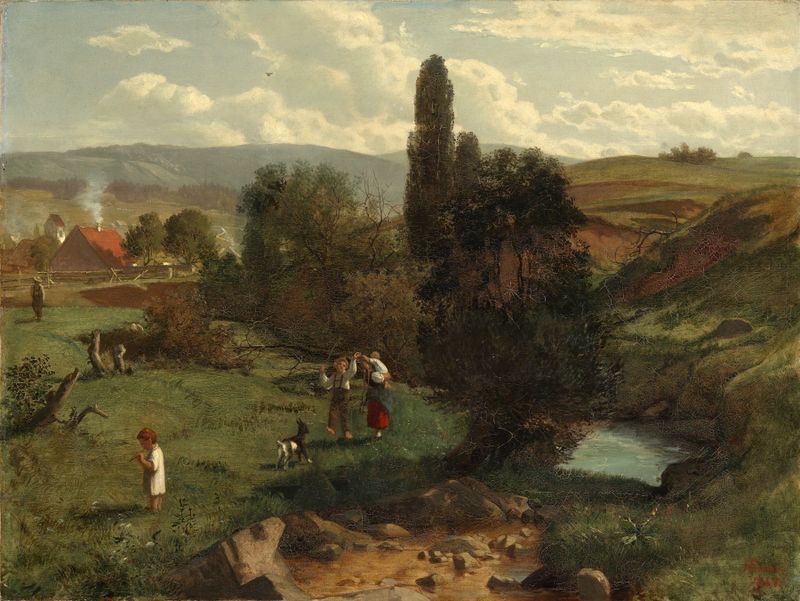
Schwarzwaldlandschaft
Hans Thoma
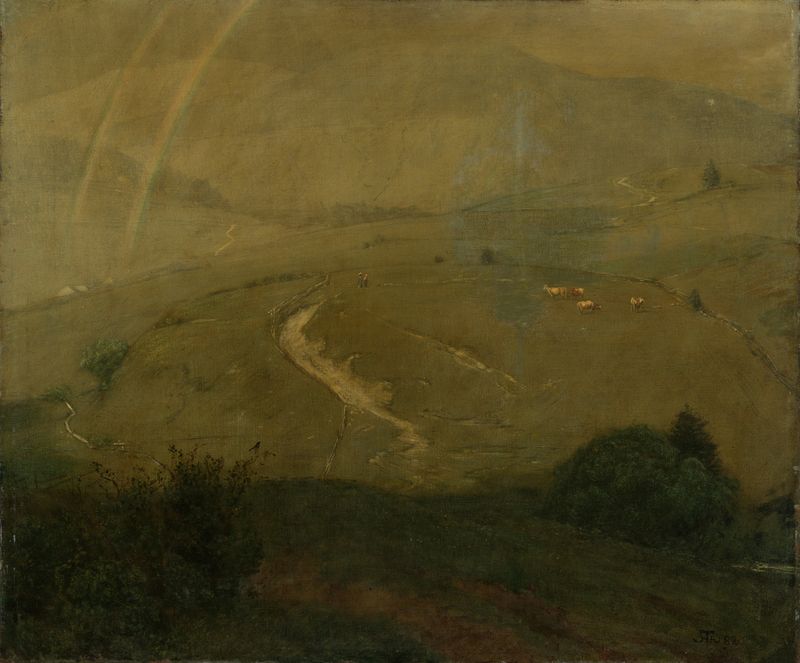
Regen im Schwarzwald
Hans Thoma
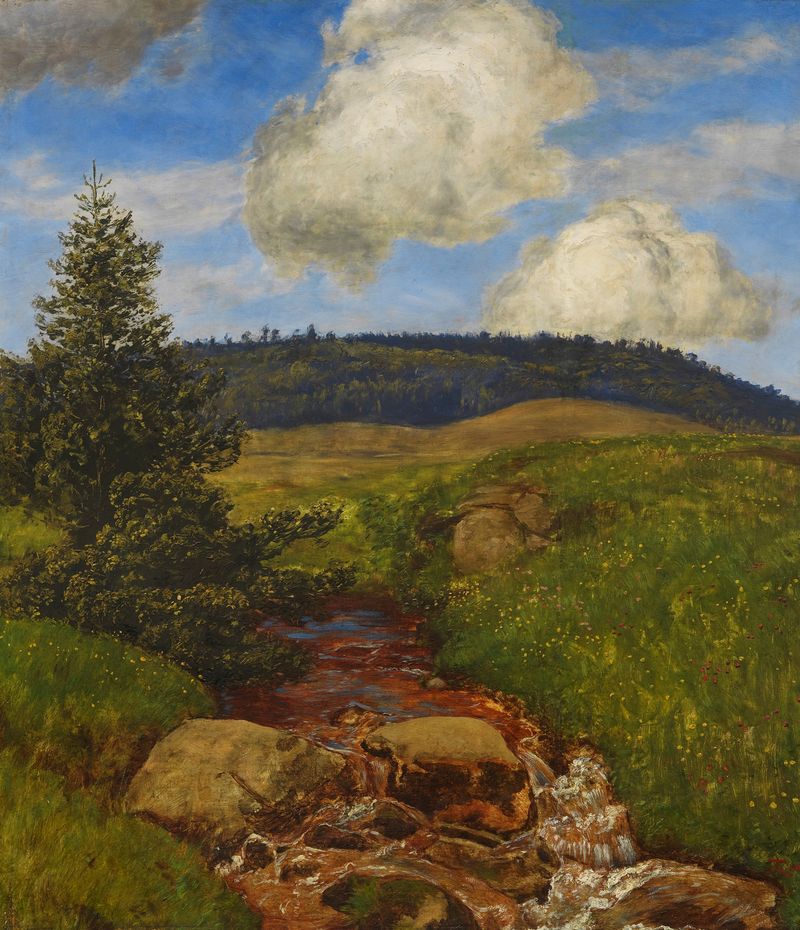
Schwarzwaldbach
Hans Thoma
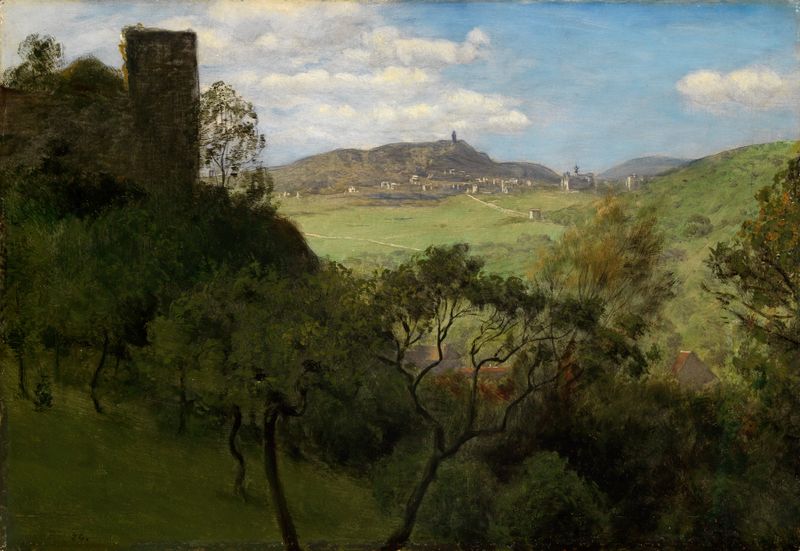
Blick auf Falkenstein im Taunus
Hans Thoma
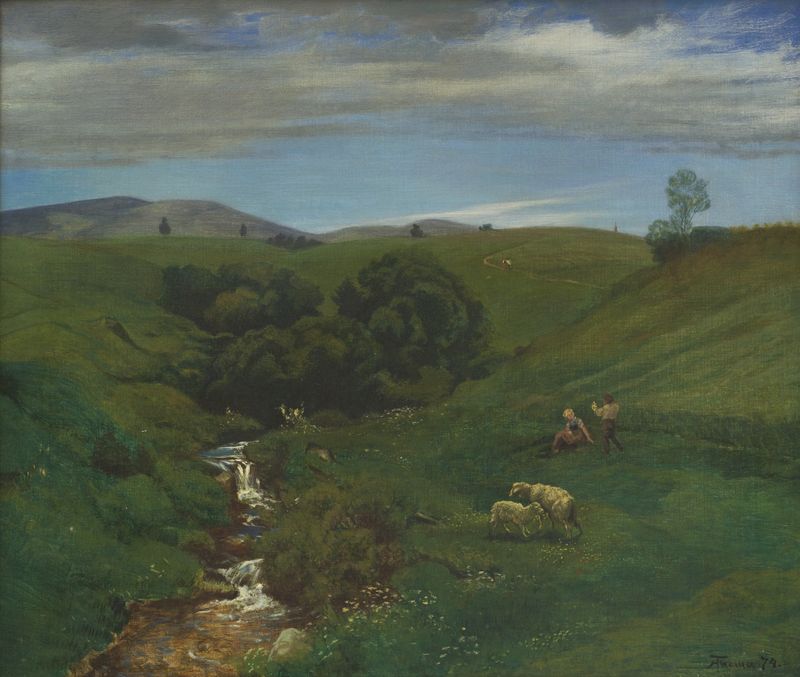
Black Forest Meadow near Bernau
Hans Thoma
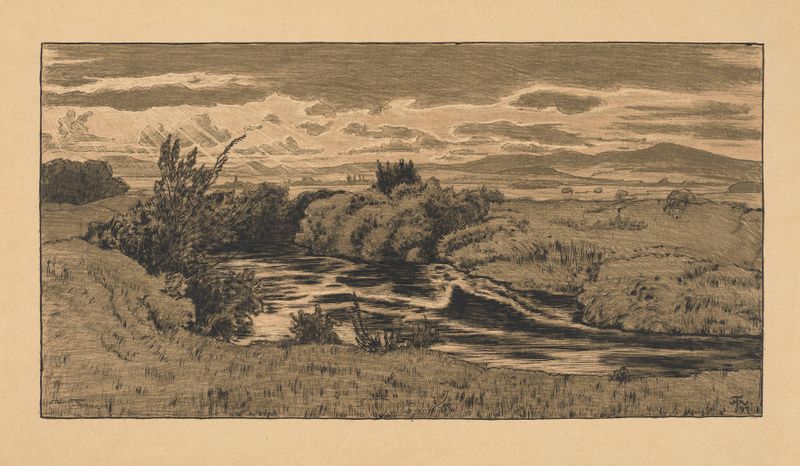
Evening by the Nidda River
Hans Thoma
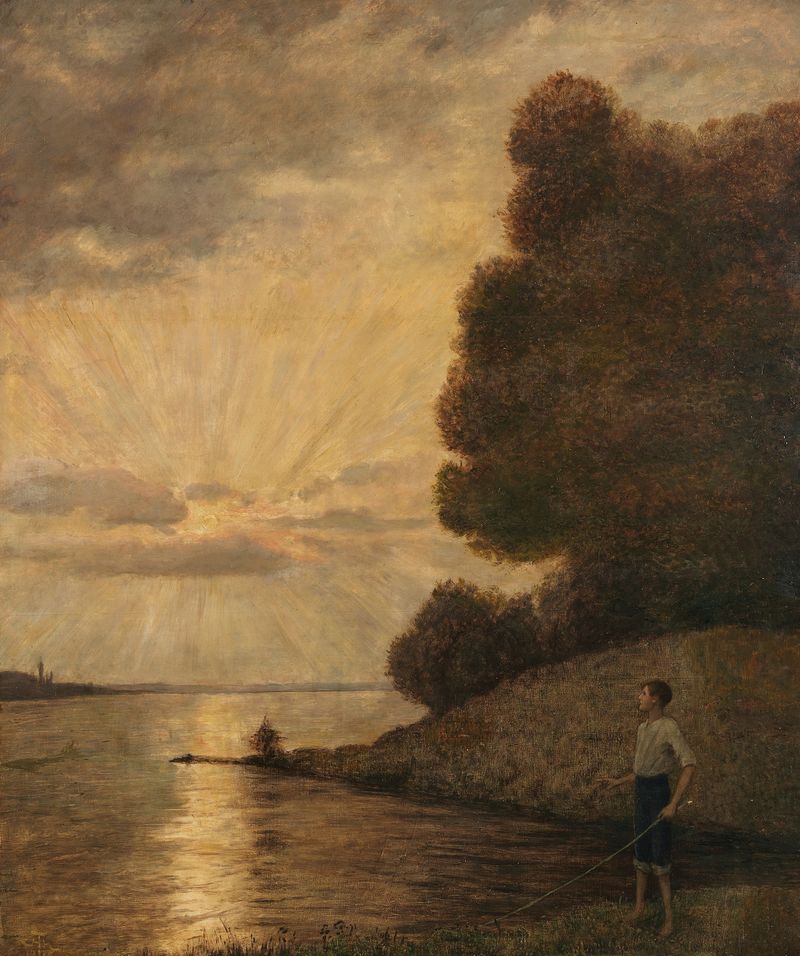
Sonnenuntergang am Oberrhein
Hans Thoma
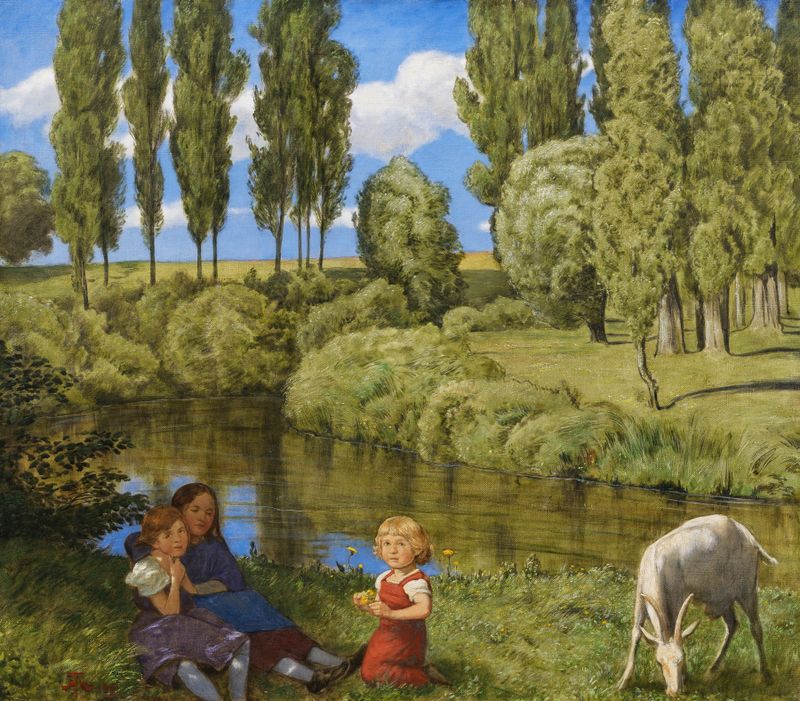
Am Stillen Bach
Hans Thoma
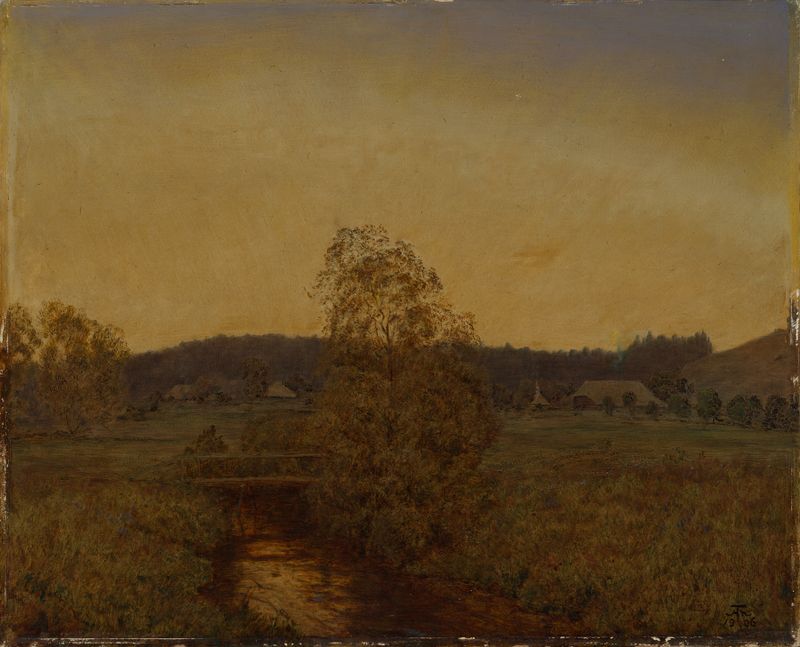
Der Abendstern
Hans Thoma
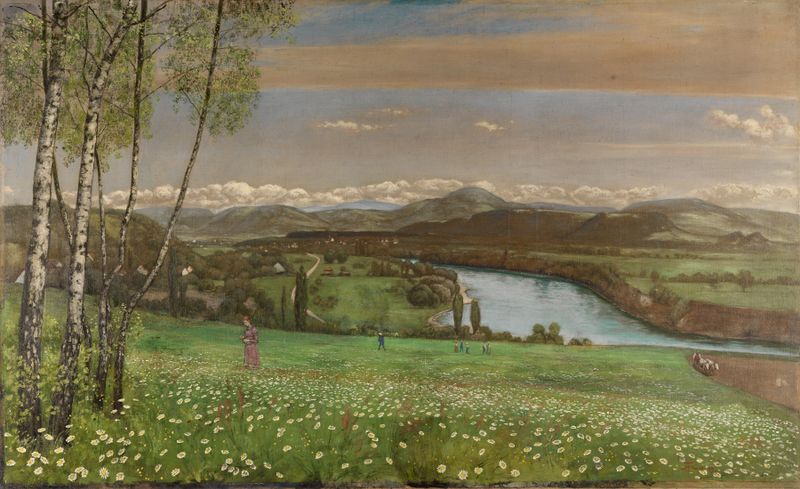
Das Rheintal bei Säckingen
Hans Thoma





