
Landscape in the Black Forest — History & Facts
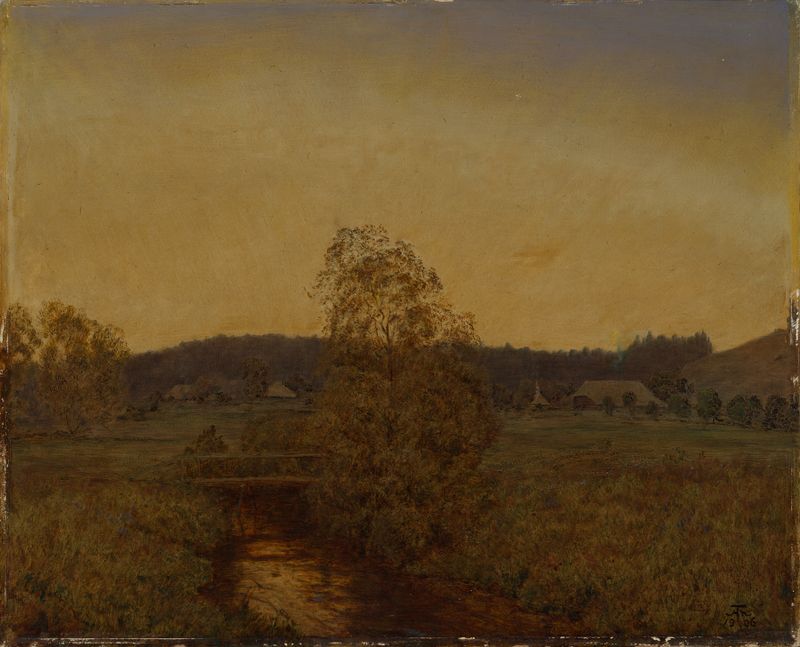
Can beauty exist without sorrow? In Landscape in the Black Forest, the enchantment of nature intertwines with the whispers of melancholy, inviting the viewer to ponder the delicate balance between joy and desolation. Look to the foreground where a cascade of vibrant greens and browns pulls you into a dense thicket of trees, their trunks reaching skyward like ancient sentinels. Notice how the dappled sunlight filters through the foliage, creating a tapestry of light and shadow that dances across the forest floor. The painter's brushwork is both meticulous and fluid, capturing the natural textures of bark and leaves, while the cool tones of the background recede into an ethereal haze that suggests depth and mystery. Within this seemingly serene landscape lies a juxtaposition of opposing forces.
The lushness of the trees evokes life and growth, while the muted colors and distant horizon hint at the inevitability of change and decay. Each brushstroke carries the weight of transformation, mirroring the cyclical nature of existence—where beauty flourishes in the light, yet is inevitably touched by the shadows of sorrow. This duality resonates through the work, reminding us that joy is often cloaked in a shroud of loss. Hans Thoma painted this piece in 1894 while living in Germany during a period marked by a burgeoning interest in realism and the natural world.
He was deeply influenced by the Romantic movement, which celebrated nature’s majesty alongside its somber truths. At this time, Thoma was refining his style, seeking to capture not just landscapes but the emotions they evoke, establishing a connection between the viewer and the earth that remains poignant today.
More Artworks by Hans Thoma
Browse all →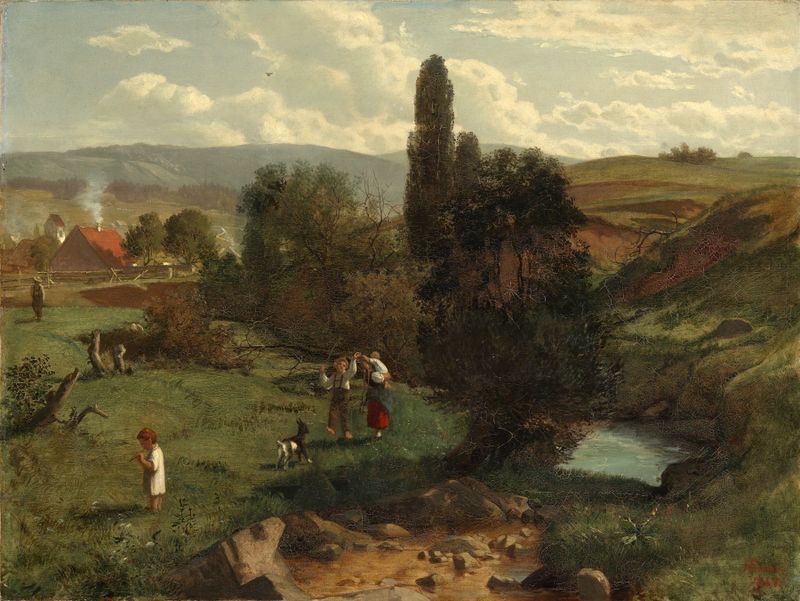
Schwarzwaldlandschaft
Hans Thoma
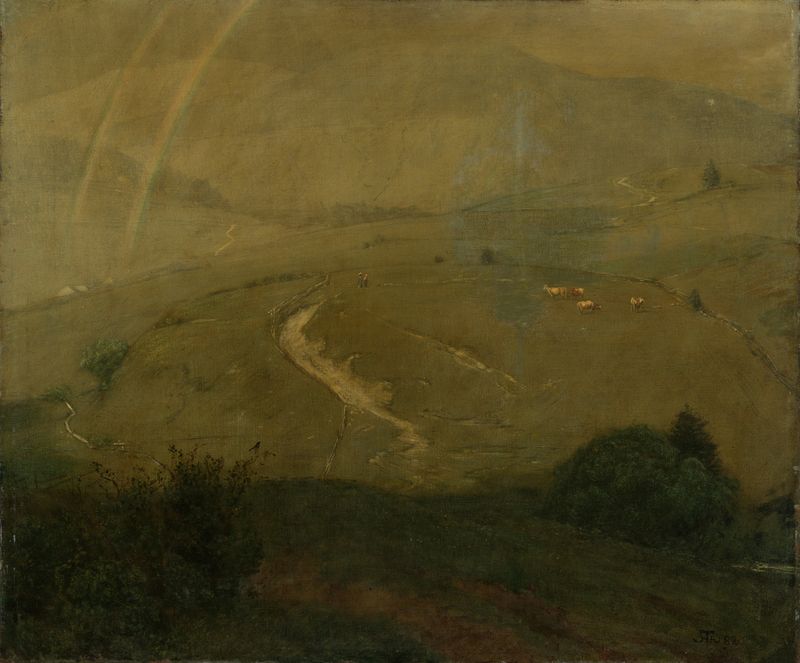
Regen im Schwarzwald
Hans Thoma
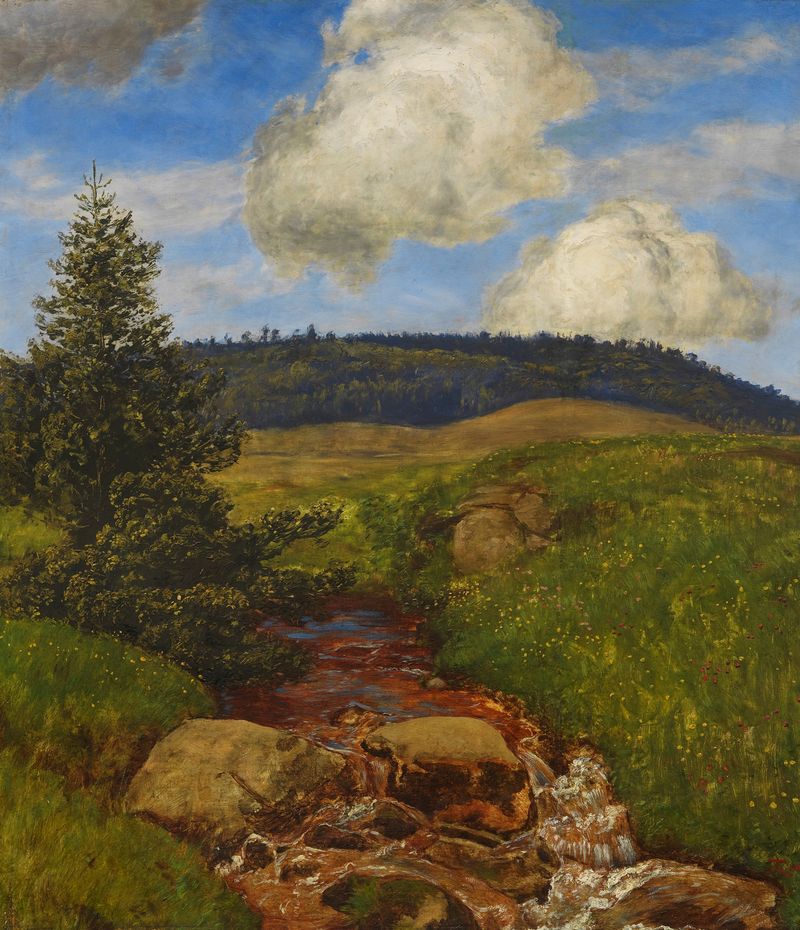
Schwarzwaldbach
Hans Thoma
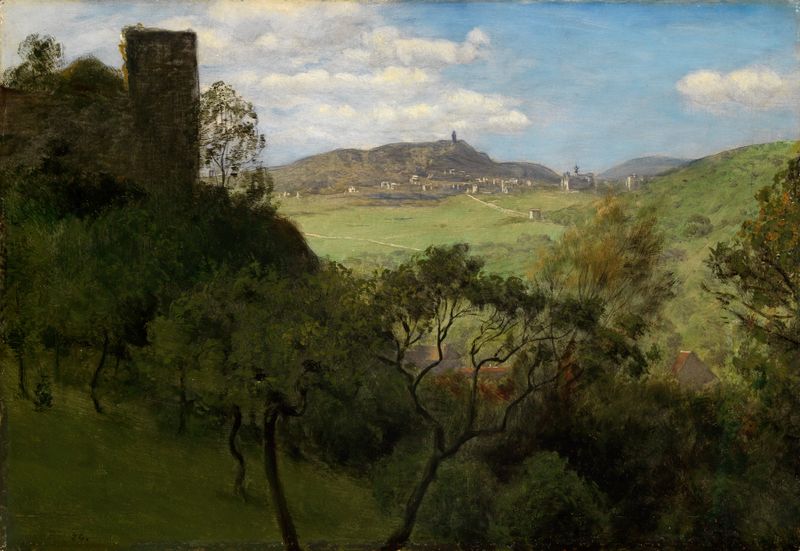
Blick auf Falkenstein im Taunus
Hans Thoma
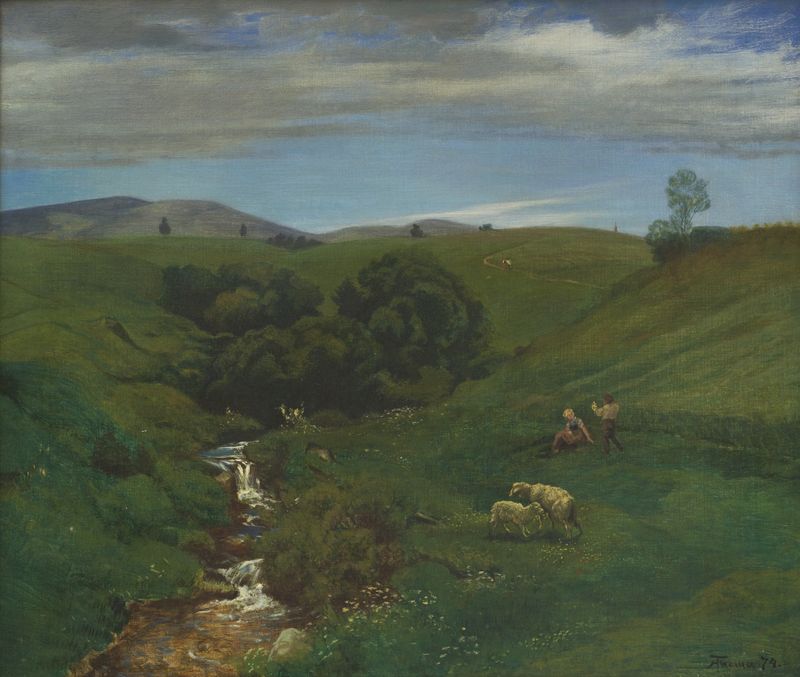
Black Forest Meadow near Bernau
Hans Thoma
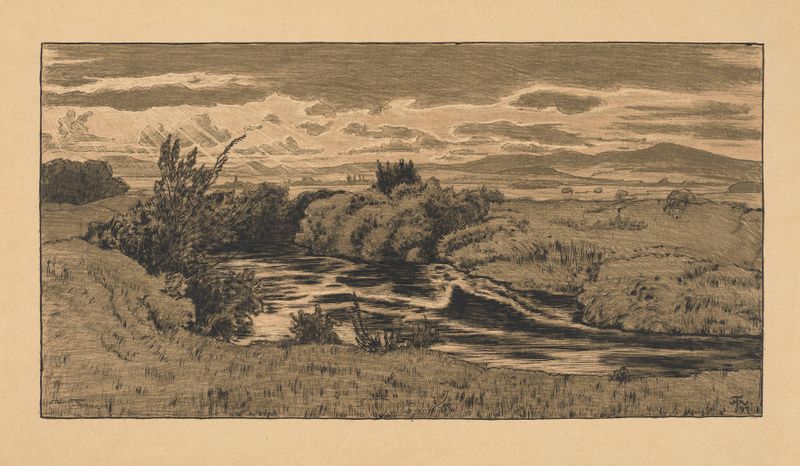
Evening by the Nidda River
Hans Thoma
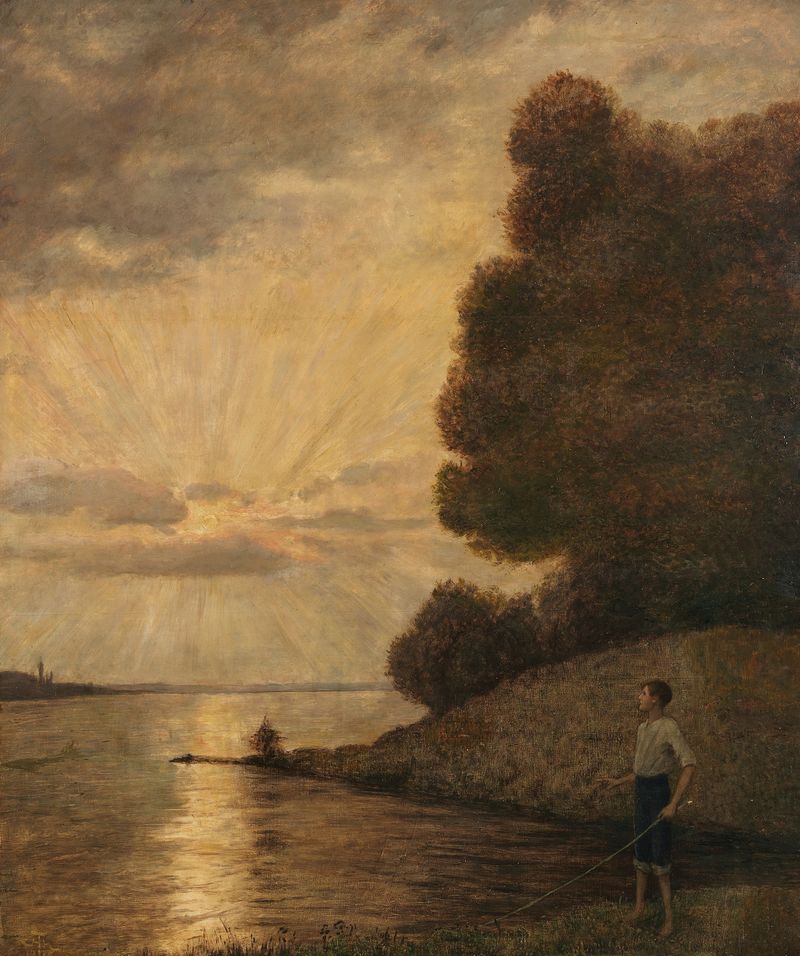
Sonnenuntergang am Oberrhein
Hans Thoma
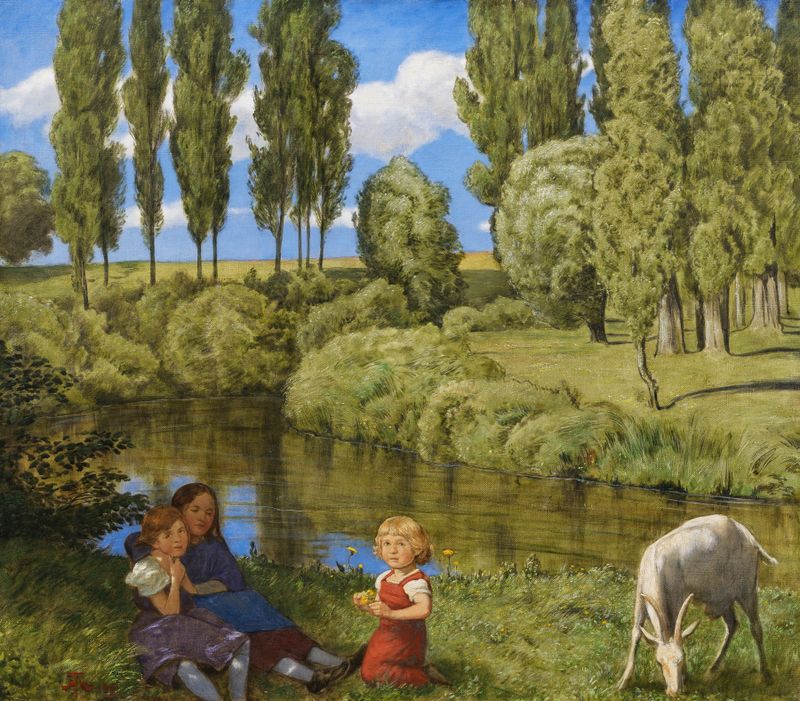
Am Stillen Bach
Hans Thoma
Der Abendstern
Hans Thoma
Das Rheintal bei Säckingen
Hans Thoma





