
Landscape in the Black Forest — History & Facts
Can beauty exist without sorrow? In the shadows of the Black Forest, an eternal struggle unfolds—a silent revolution of nature, where vibrant life clashes with an undercurrent of melancholy. Look to the left at the towering trees, their dark silhouettes reaching toward the sky, creating a profound sense of depth and shelter. Notice how the sunlight filters through the leaves, casting dappled patterns on the forest floor, revealing a palette of greens and browns that pulses with vitality. The artist’s brushstrokes create an almost tactile texture, inviting the viewer to feel the cool, damp earth beneath their feet. Yet beneath this serene landscape lies a tension, a dichotomy between the lushness of nature and the haunting stillness of the scene.
The delicate interplay of light and shadow hints at secrets hidden within the forest, suggesting a beauty intertwined with loss. The winding path that disappears into the distance evokes a sense of journey, leaving us to ponder what lies beyond, while the mist that clings at the edges stirs feelings of uncertainty and longing. Hans Thoma painted this work around 1869 during a period of immense change in Germany, both politically and artistically. As the nation grappled with the repercussions of revolutions and the shifting tides of modernity, Thoma sought solace in nature, reflecting the era's turbulence through his art.
This piece captures not only the external beauty of the Black Forest but also the internal conflicts of a society on the brink of transformation.
More Artworks by Hans Thoma
Browse all →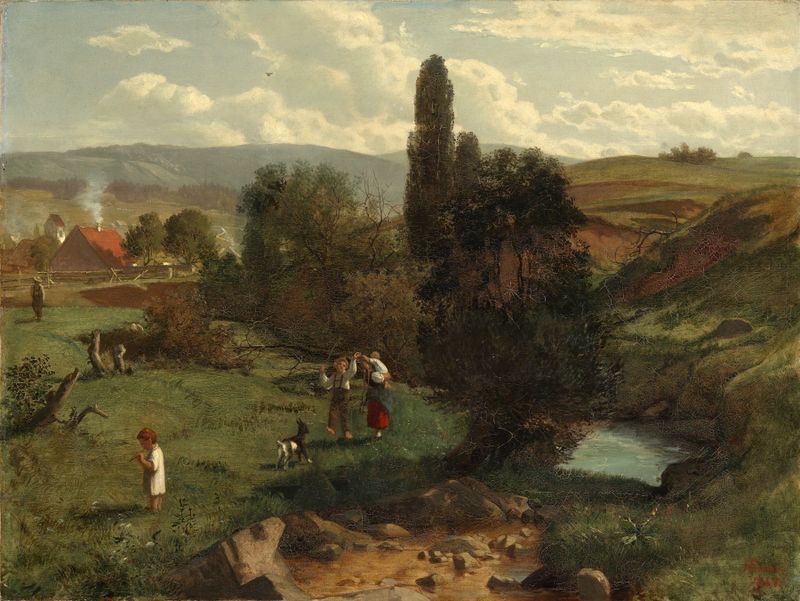
Schwarzwaldlandschaft
Hans Thoma
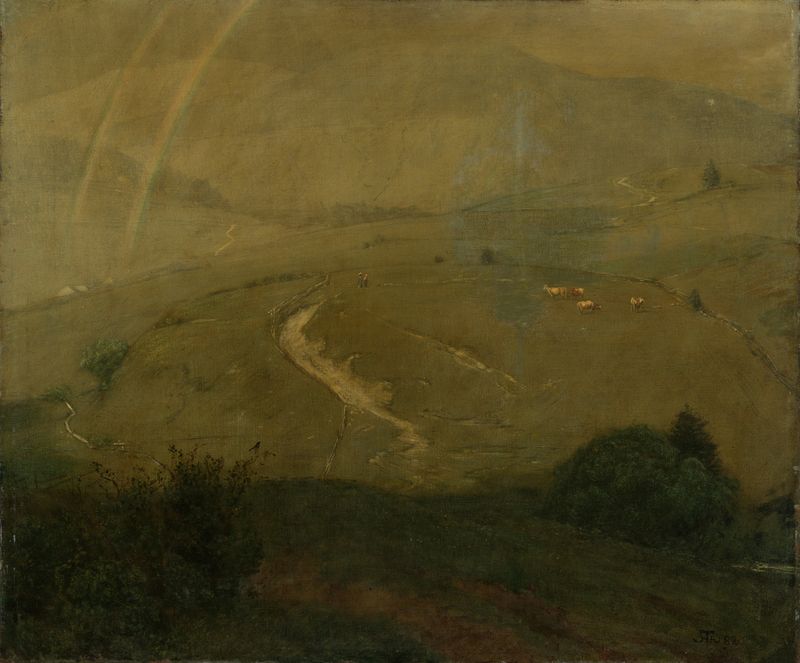
Regen im Schwarzwald
Hans Thoma
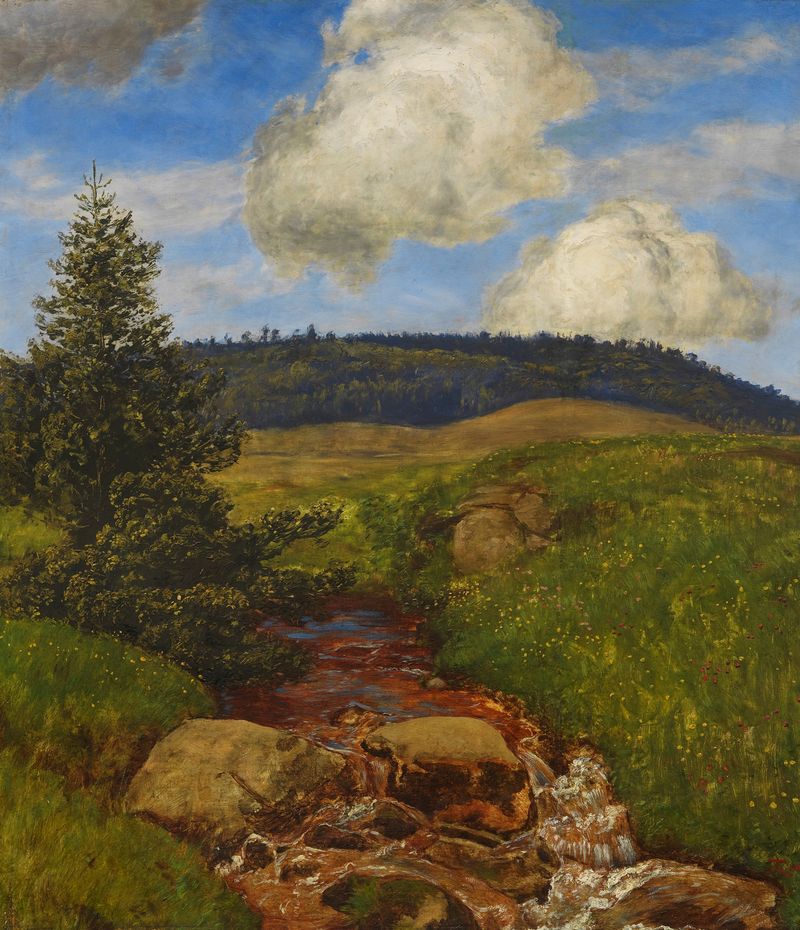
Schwarzwaldbach
Hans Thoma
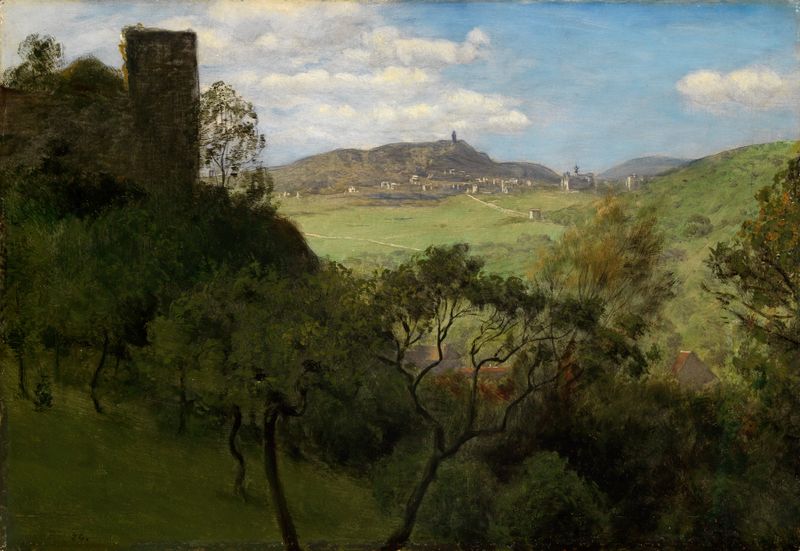
Blick auf Falkenstein im Taunus
Hans Thoma
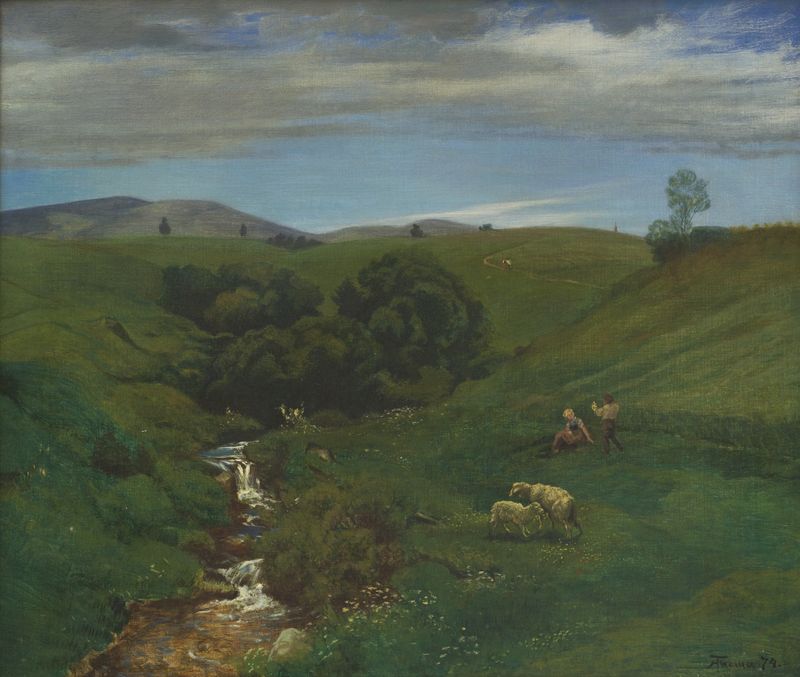
Black Forest Meadow near Bernau
Hans Thoma
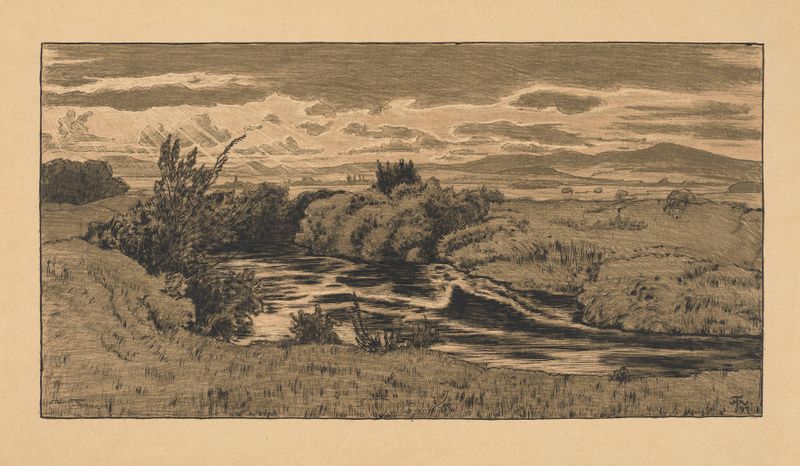
Evening by the Nidda River
Hans Thoma
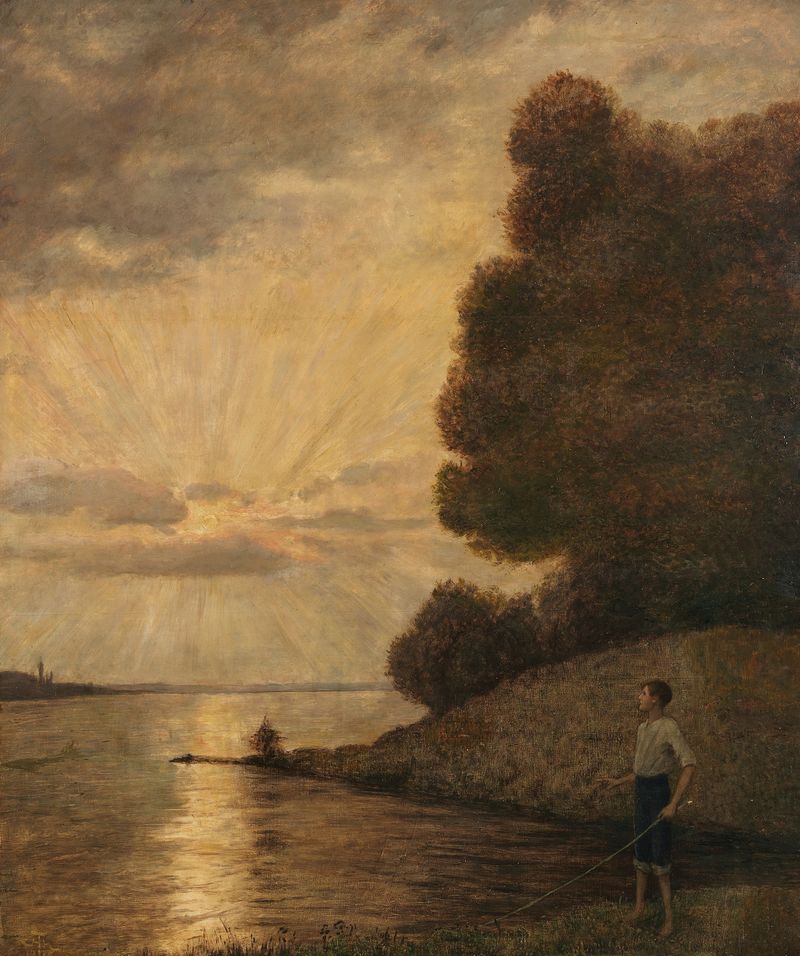
Sonnenuntergang am Oberrhein
Hans Thoma
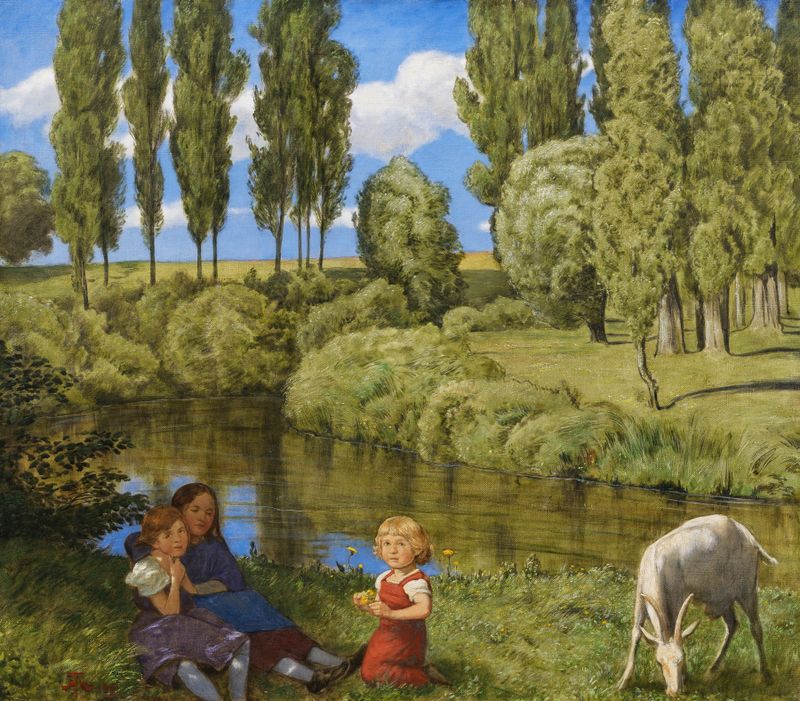
Am Stillen Bach
Hans Thoma
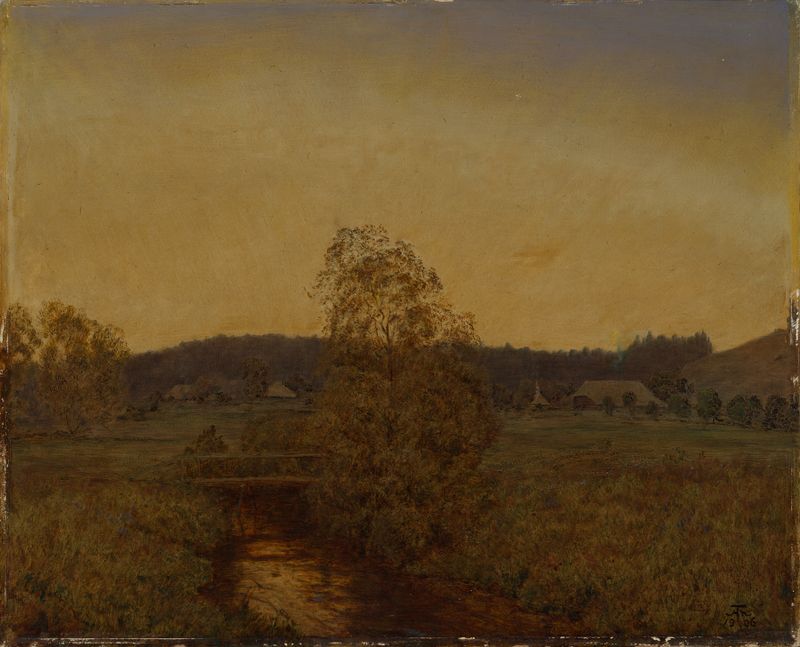
Der Abendstern
Hans Thoma
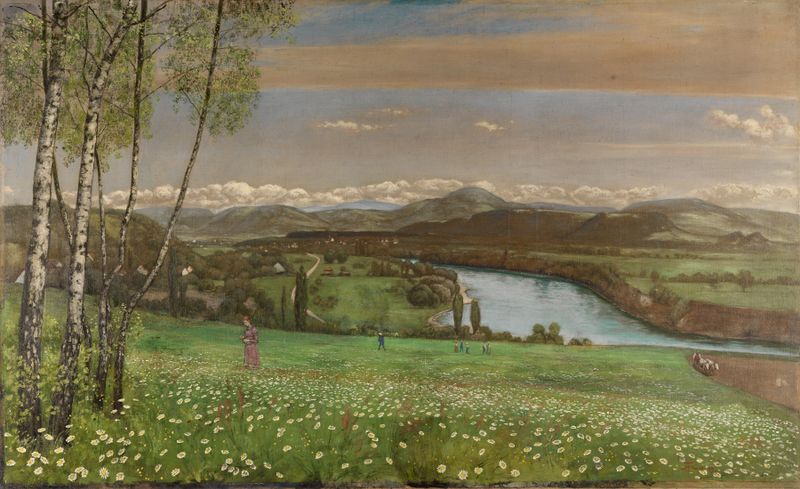
Das Rheintal bei Säckingen
Hans Thoma





