
Landscape of Domaniewo — History & Facts
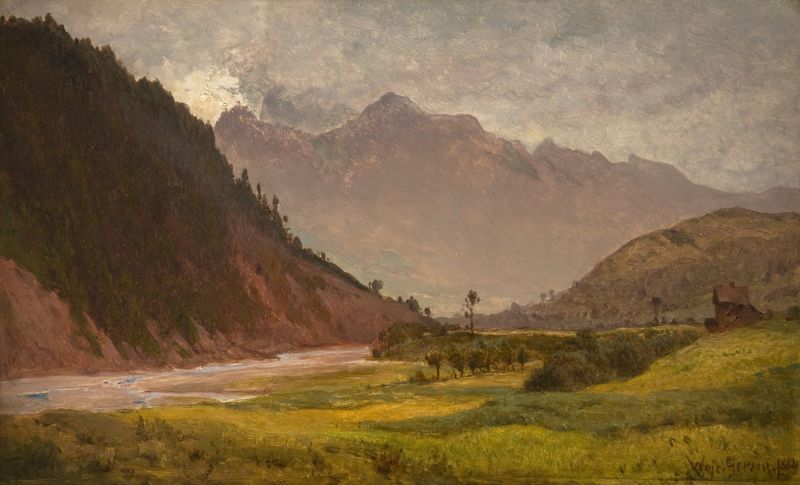
In the quiet realm of memory, landscapes transform into echoes of what once was, inviting reflection on absence and the void that lingers. Look closely at the interplay of light and shadow in Landscape of Domaniewo. Start with the horizon, where a soft, muted palette blends earth and sky, creating a tranquility that almost feels like a sigh. The gentle strokes of green and brown suggest rolling hills, while wisps of cloud float delicately above, hinting at a transient moment, perhaps just before dusk.
The composition feels vast yet intimate, drawing the viewer into a space that seems both expansive and oddly confined. As you delve deeper, consider the contrasts within the piece—the lush foreground juxtaposed against the expansive sky. Each detail, from the delicate brushwork on the trees to the faint outlines of distant hills, evokes a sense of longing and nostalgia. The void between the elements suggests a world filled with unspoken stories, where the landscape becomes a vessel for memory and emotion, allowing the viewer to confront their own experiences of absence.
There’s a quiet tension in the stillness, as if time is suspended, urging one to ponder what lies beyond the frame. Wojciech Gerson painted Landscape of Domaniewo in 1875, during a time when Poland was undergoing significant social and political changes. Residing in Warsaw, Gerson was influenced by the Romantic movement, which emphasized emotional depth and personal experience in art. This work reflects both his commitment to capturing nature and his own contemplative engagement with the world around him, as he sought to reconcile the pastoral beauty of his homeland with the turbulence of contemporary life.
More Artworks by Wojciech Gerson
Browse all →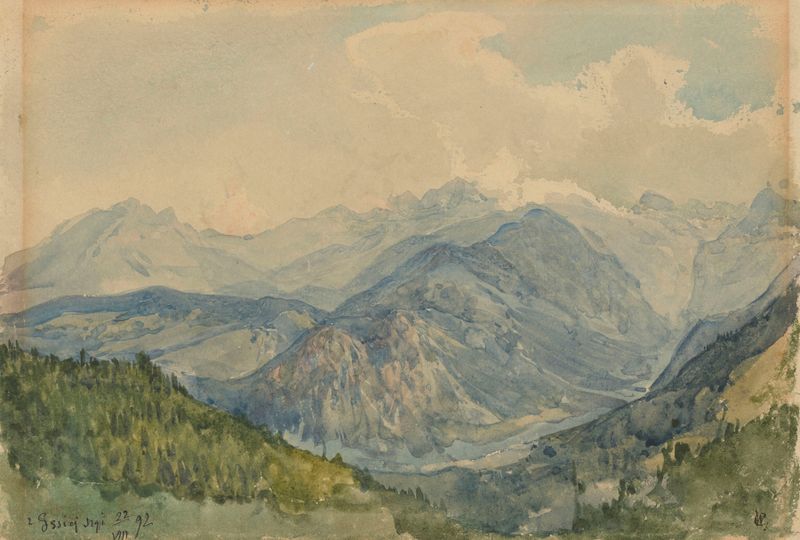
View from Gęsia Szyja Peak in the Tatra Mountains
Wojciech Gerson

View of Płock
Wojciech Gerson
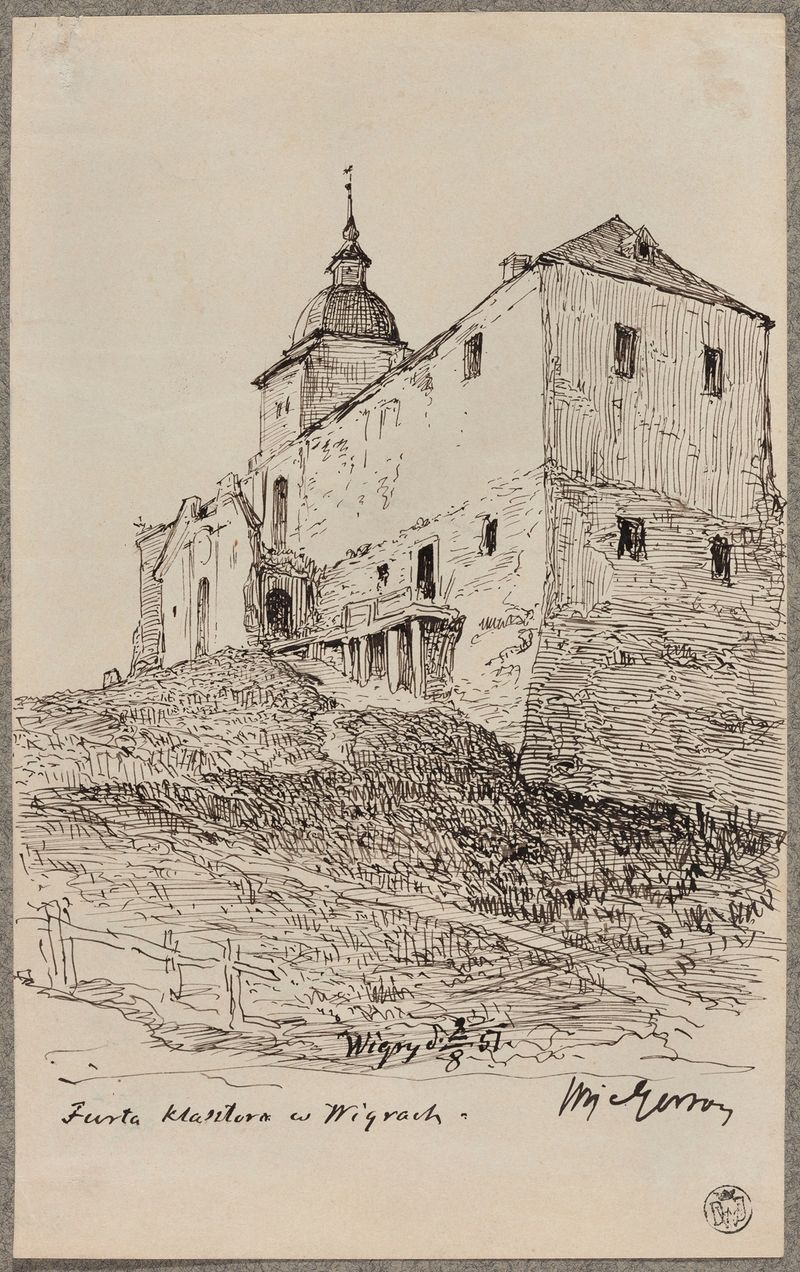
Furta klasztoru w Wigrach
Wojciech Gerson

Dom Długosza w Sandomierzu, tzw. Czerwona Kamienica
Wojciech Gerson
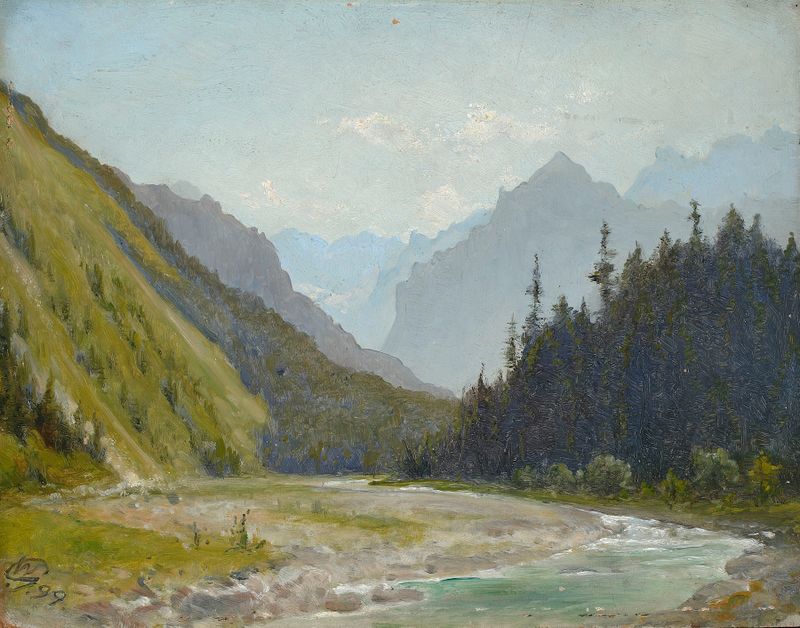
White Water Valley in the Tatra Mountains
Wojciech Gerson
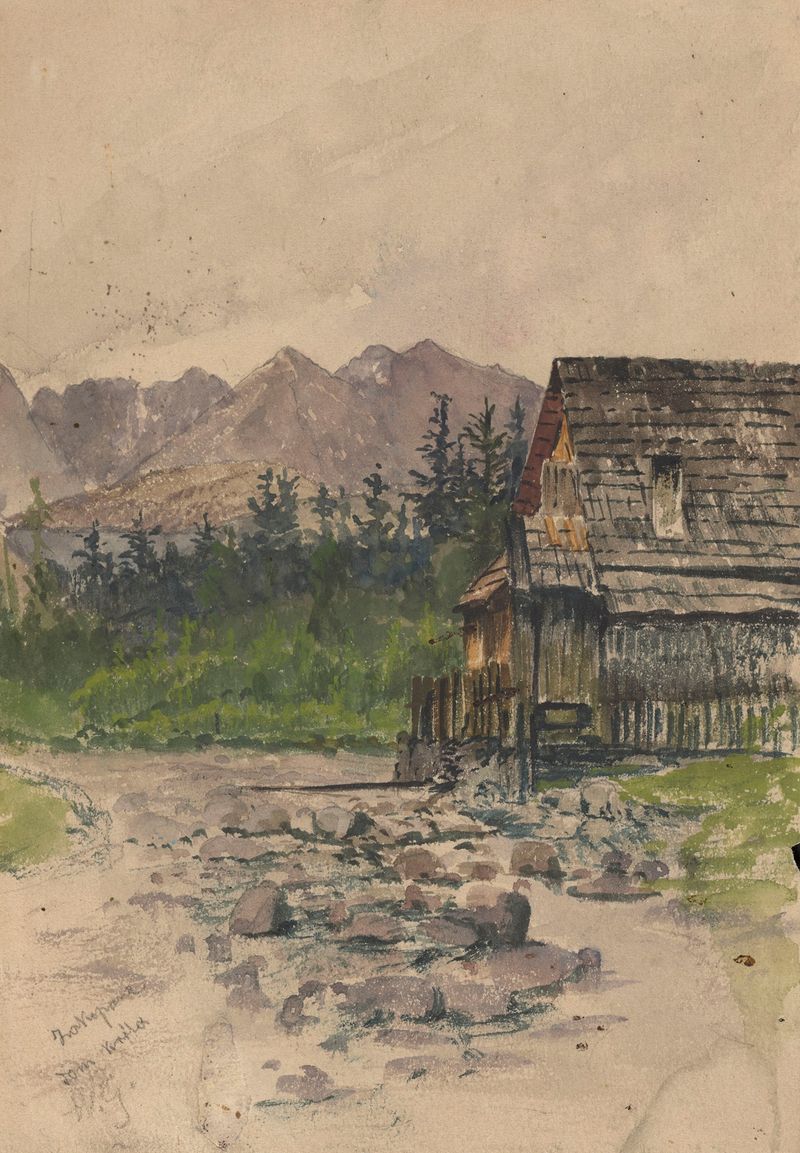
Landscape of the Tatra Mountains
Wojciech Gerson
Fair Weather in the Pieniny Mountains
Wojciech Gerson

Rockslide in the White Water Valley in the Tatra Mountains
Wojciech Gerson

Graveyard in the mountains
Wojciech Gerson

Mountain Landscape
Wojciech Gerson





