
Landscape on the Baar — History & Facts
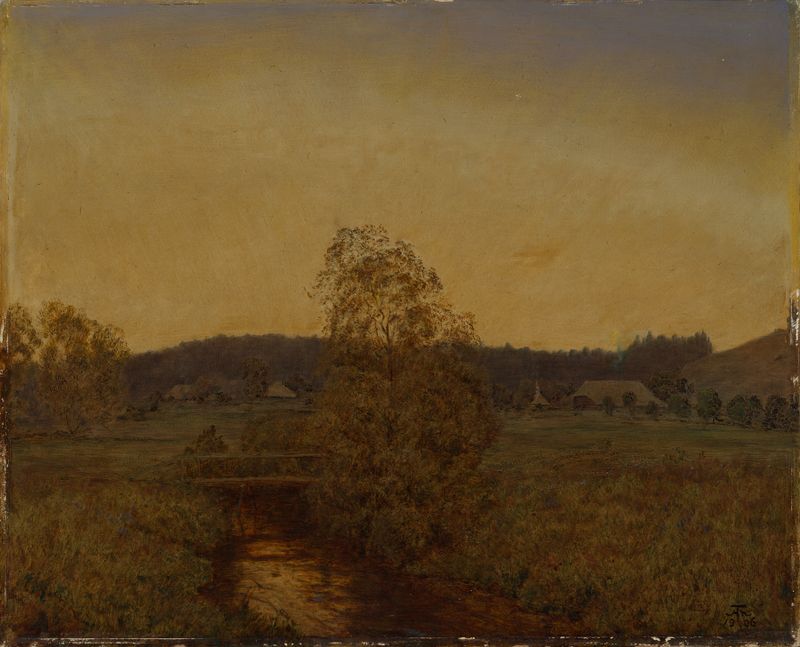
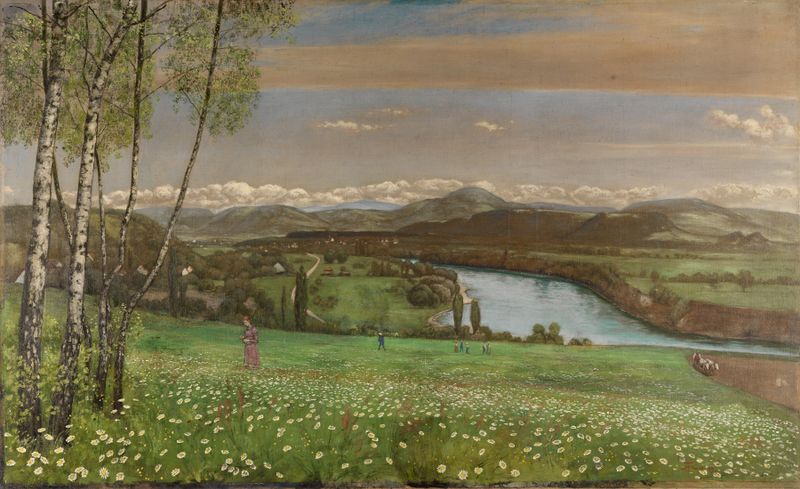
In its stillness, a betrayal lingers, masking the truth beneath the serene beauty of nature. Focus first on the subtle gradients of green in the expansive fields, where the brushwork hints at motion, yet holds the viewer in a moment of quiet reflection. Notice how the light dances across the landscape, casting gentle shadows that suggest an unseen presence watching from the horizon. The muted palette evokes a sense of nostalgia, inviting us to linger and contemplate the delicate balance between tranquility and tension. As you explore further, the contrast between the lush foreground and the distant, hazy mountains creates layers of emotional complexity.
What lies beyond those hills? Is it a promise of peace or a harbinger of discord? The sweeping sky, filled with wisps of clouds, suggests change, amplifying the feeling that this idyllic scene might harbor secrets of longing or abandonment, demanding the viewer’s introspection. Hans Thoma painted Landscape on the Baar in 1911, a time when he was deeply invested in the Symbolist movement, searching for deeper meanings within pastoral imagery. The early 20th century was marked by profound social and political upheaval, which influenced Thoma’s exploration of nature and the human condition. His work reflects a desire to connect with the universal emotions that lie beneath the surface of everyday life, encapsulating a moment that whispers of both beauty and the unspoken.
More Artworks by Hans Thoma
Browse all →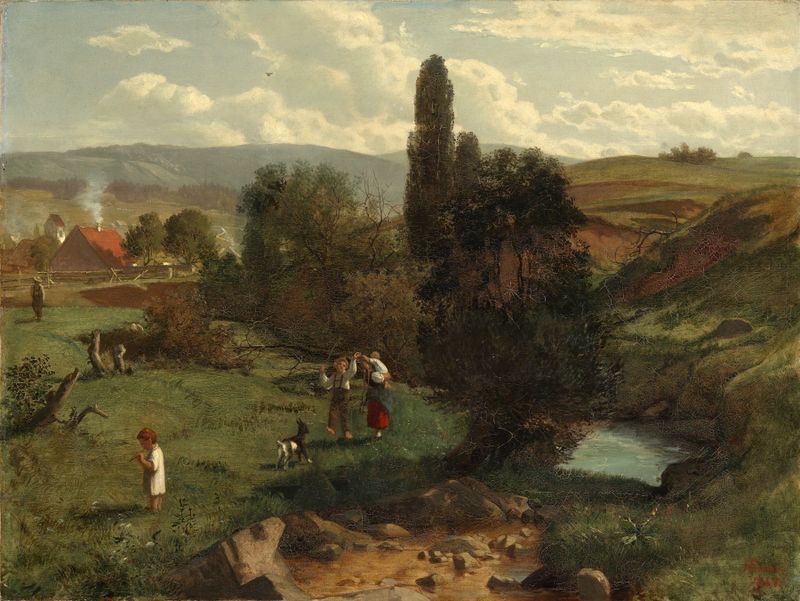
Schwarzwaldlandschaft
Hans Thoma
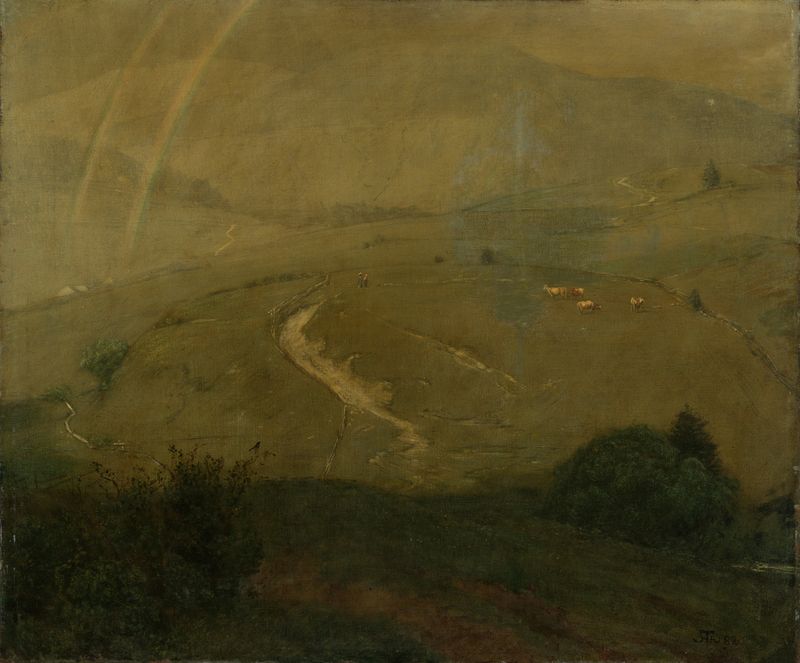
Regen im Schwarzwald
Hans Thoma
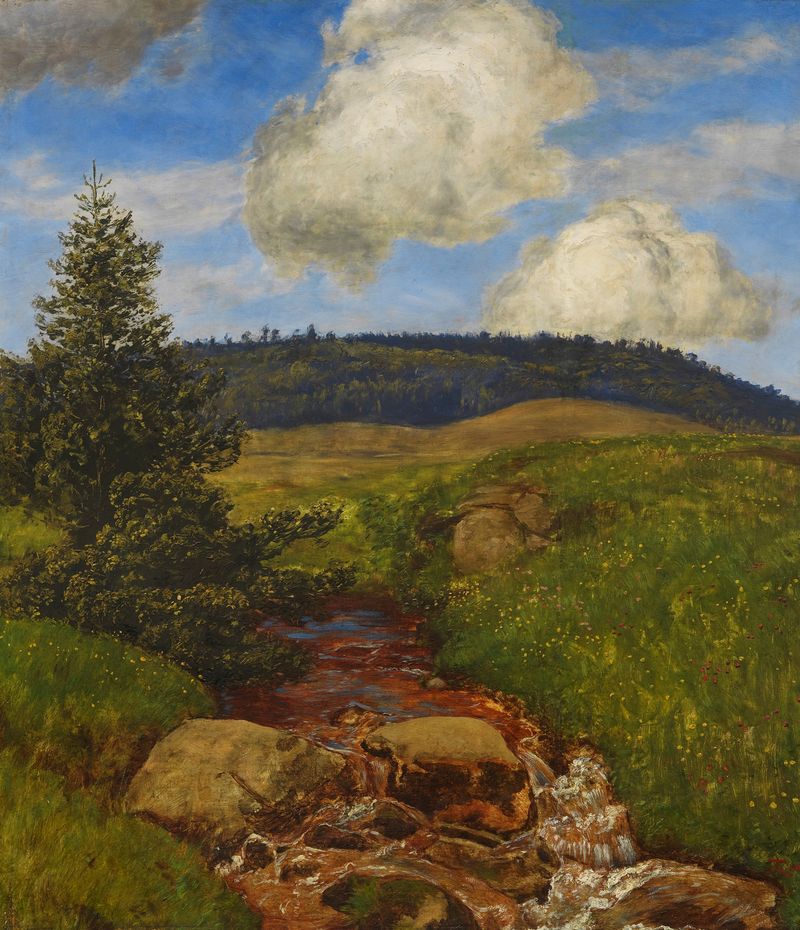
Schwarzwaldbach
Hans Thoma
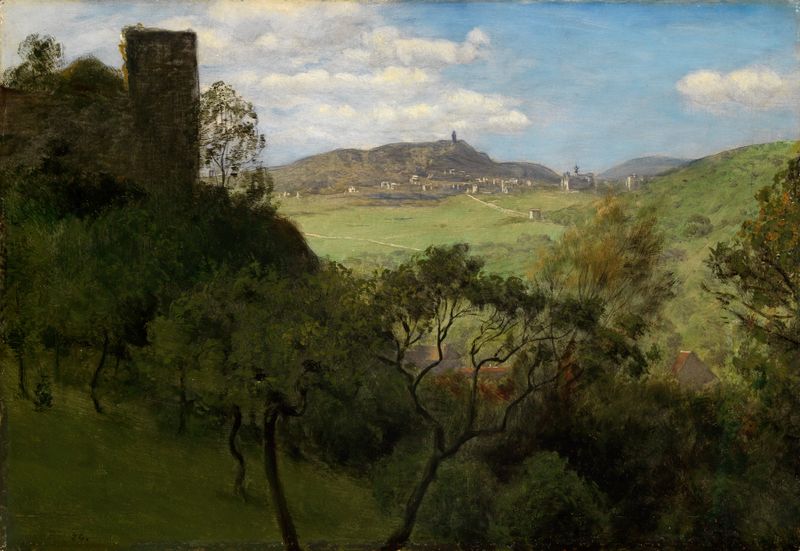
Blick auf Falkenstein im Taunus
Hans Thoma
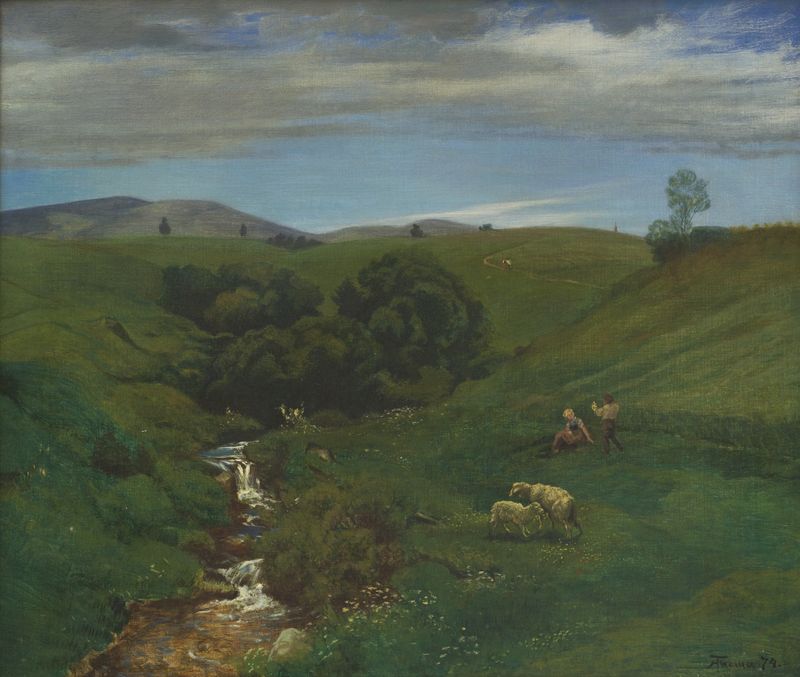
Black Forest Meadow near Bernau
Hans Thoma
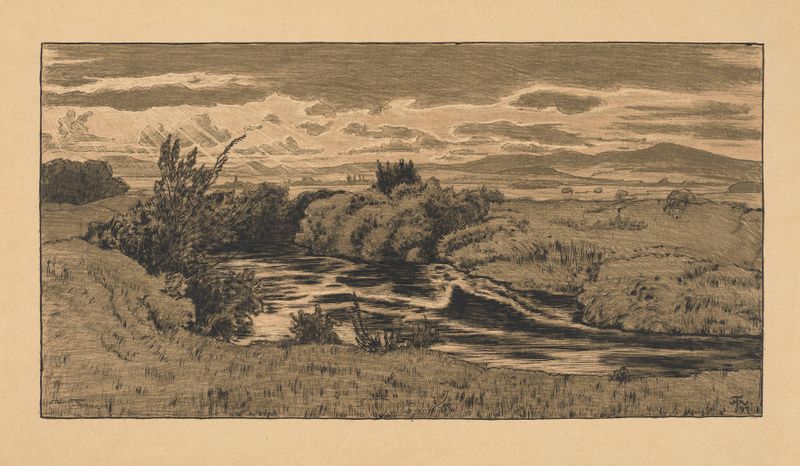
Evening by the Nidda River
Hans Thoma
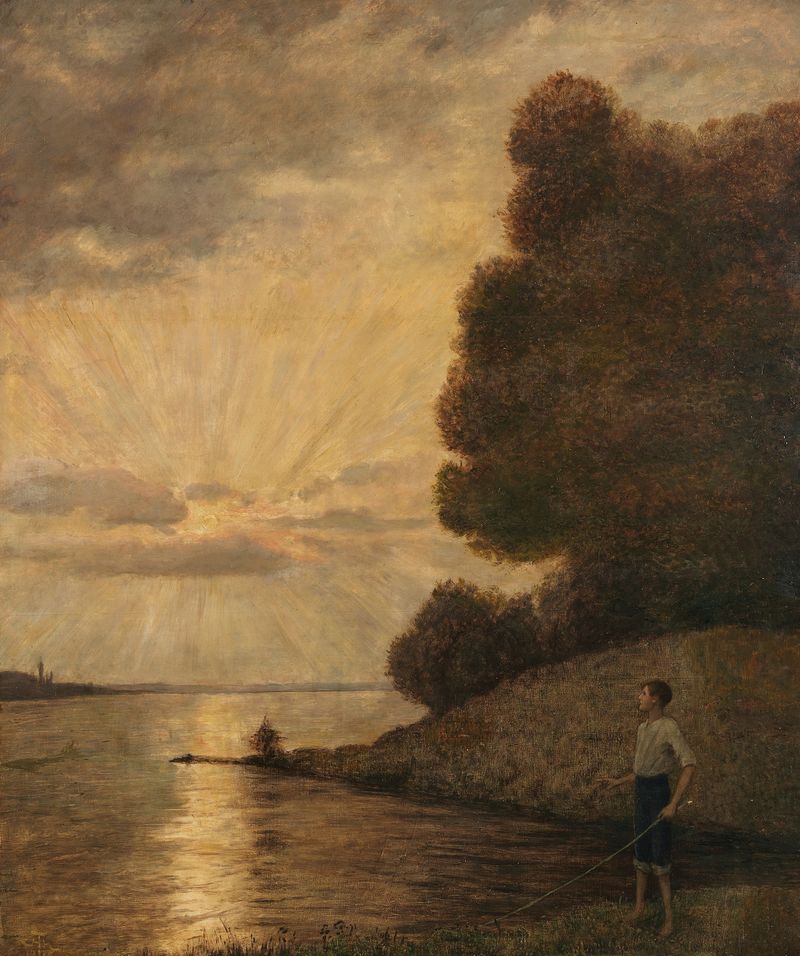
Sonnenuntergang am Oberrhein
Hans Thoma
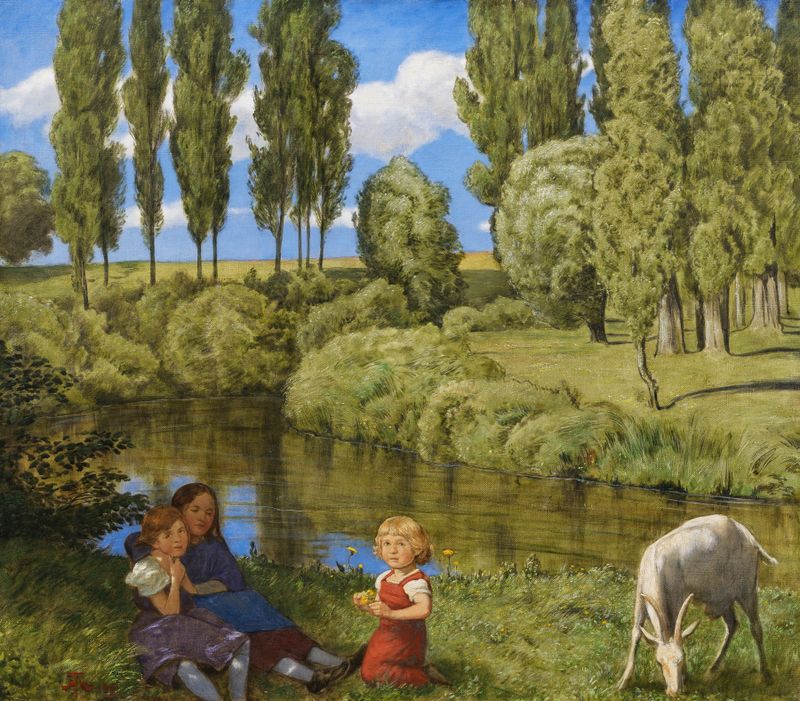
Am Stillen Bach
Hans Thoma
Der Abendstern
Hans Thoma
Das Rheintal bei Säckingen
Hans Thoma





