Landscape; Path to the Fields — History & Facts
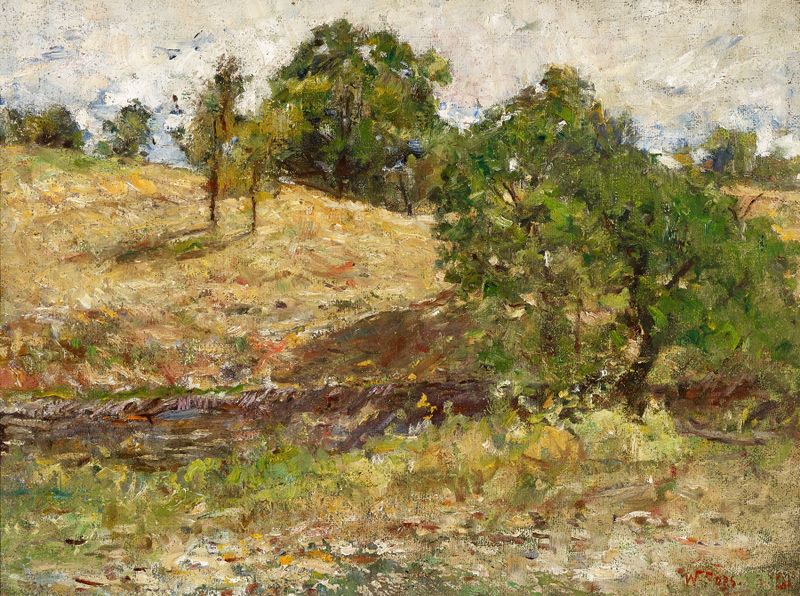
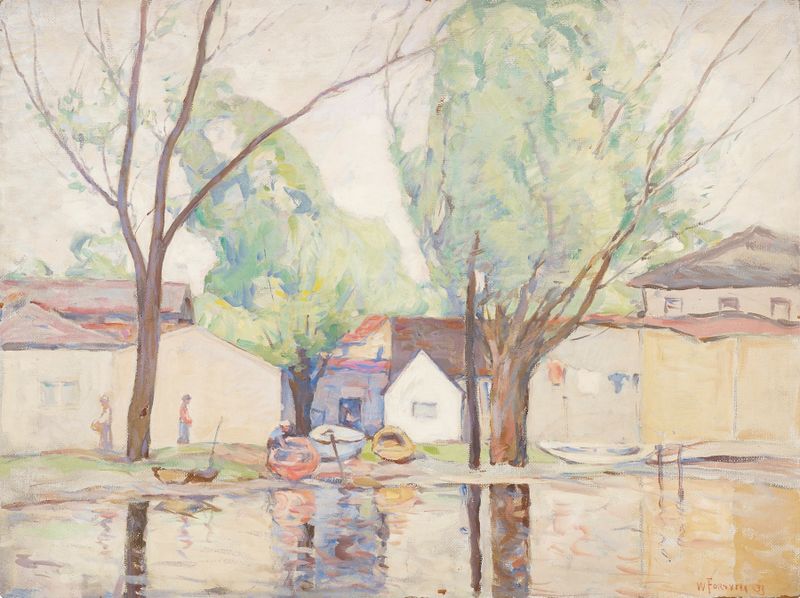
Did the painter know this moment would outlive them? In Landscape; Path to the Fields, a transcendent scene unfolds, capturing the essence of obsession transformed into artistry. Focus on the winding path that draws your gaze toward the horizon, inviting you to journey beyond the canvas. The brushstrokes, layered with a golden hue, shimmer in sunlight, creating a lively interplay between light and shadow. Look closely at the vibrant greens of the fields, where tiny details—a fluttering leaf, a distant figure—whisper stories of labor and life.
The composition guides your eye along the path, revealing a symphony of textures that evoke the tactile nature of the countryside. Beneath the surface of this bucolic scene lies a tension between solitude and connection. The path, representative of life’s journey, mirrors the struggle between personal ambition and communal responsibility. The diagonal lines of the composition suggest movement, urging viewers to consider whether they are stepping toward the fields or away from something more profound.
It poses a question of obsession: Is the pursuit of beauty worth the potential isolation it brings? During the late 19th century, Forsyth painted this work amidst a burgeoning interest in naturalism, seeking to encapsulate the local Scottish landscape and its rhythms. His commitment to plein air painting reflected a shift in artistic practice, where light and spontaneity were celebrated. At this time, Forsyth was emerging as a significant figure in the Scottish art scene, navigating both personal and artistic transformations while the Impressionist movement was gaining momentum across Europe.