Crocuses — History & Facts
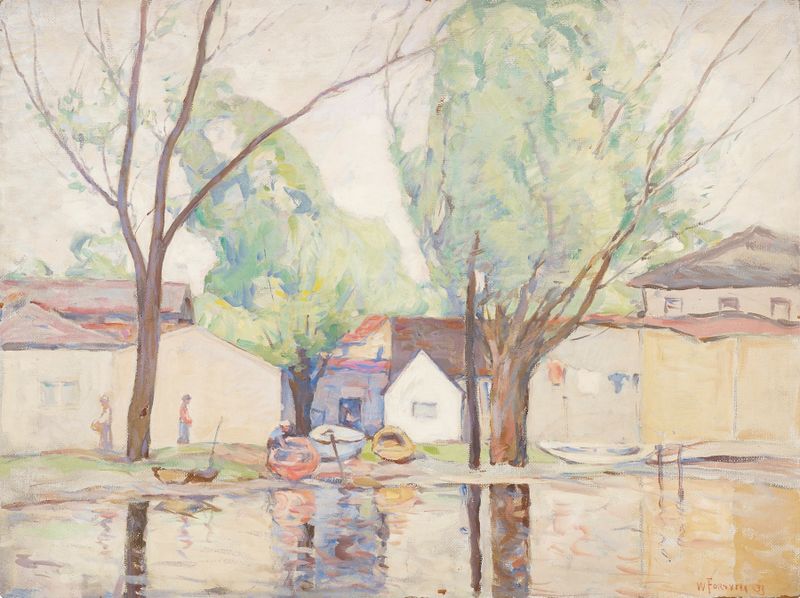
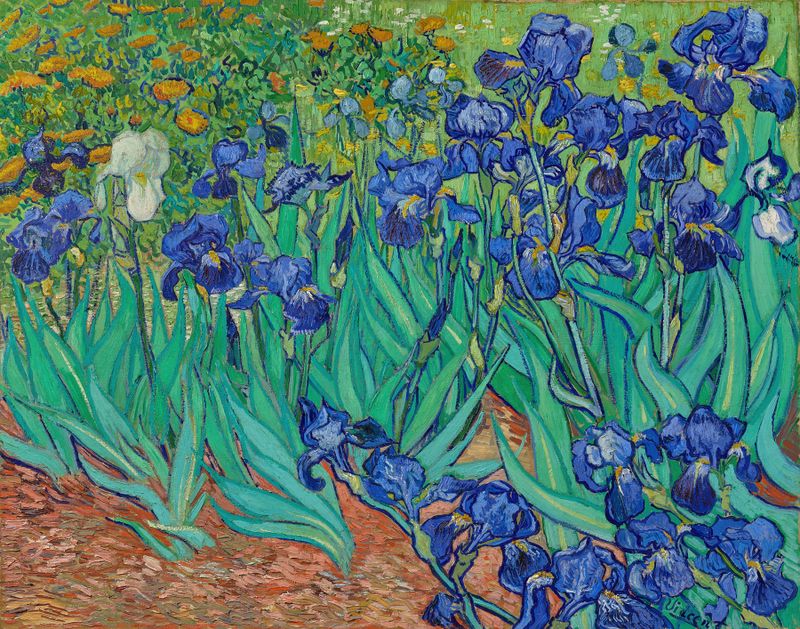
This delicate balance reveals the essence of awakening, where hues of spring offer whispers of life emerging from the clutches of winter. Look closely at the vibrant array of crocuses unfurling across the canvas. Notice how the soft purples and yellows interplay, drawing your gaze to the heart of the painting. The artist employs gentle brushstrokes, creating a sense of movement as if the flowers themselves are stretching toward the warm sun.
The background fades into a muted green, emphasizing the burst of color in the foreground, and enhancing the intimate relationship between flora and space. As you explore further, subtle contrasts emerge: the starkness of the still earth cradling the fragile blossoms hints at the fragility of life itself. Each crocus stands independent yet united in their shared vulnerability, embodying hope against the backdrop of fleeting seasons. The quietude surrounding them suggests a moment of pause, inviting contemplation about renewal and the cyclical nature of existence. During a time when innovation in art was blooming in the late 19th century, Forsyth painted this piece, likely in Scotland, where he sought to capture the beauty of the natural world around him.
Influenced by the Impressionist movement, he embraced the play of light and color, reflecting a broader cultural shift towards appreciating everyday subjects and fleeting moments. This work encapsulates his dedication to portraying nature’s simplicity and profundity.