
Landscape Study NG.M.00302 086 National Museum of Art, Architecture and Design — History & Facts
A hush settles over this modest stretch of riverbank, where the artist’s brush has barely disturbed the creamy expanse of the paper. The eye is drawn first to the gentle sweep of water, its surface catching the faintest reflection of sky and shrub—an effect achieved with a few swift, confident strokes. The horizon sits low, giving the sky a generous share of the composition, its pale blues and soft ochres suggesting a moment of calm, perhaps at day’s end.
On the far side, a cluster of trees and the suggestion of red-roofed buildings anchor the scene, their forms just distinct enough to hint at human presence without intruding on the quiet. The unfinished edges and visible brushwork invite viewers to imagine the artist at work outdoors, capturing the fleeting light before it changed. Painted in 1838, this landscape study by Adolph Tidemand belongs to a period when artists across Europe were venturing outside their studios to paint directly from nature. Such studies were not made for grand display, but as exercises in observation and memory—tools for learning to see.
In Norway and beyond, the early nineteenth century saw a growing fascination with the local landscape, fueled by Romantic ideals and national pride. Now held by the National Museum of Art, Architecture and Design, this small work is a rare, intimate glimpse into the artist’s process and the quiet revolution transforming landscape painting in Tidemand’s day. Stand before it, and let your gaze drift across the water, following the same path the artist’s hand once traced.
More Artworks by Adolph Tidemand

Bridal Procession on the Hardangerfjord
Adolph Tidemand
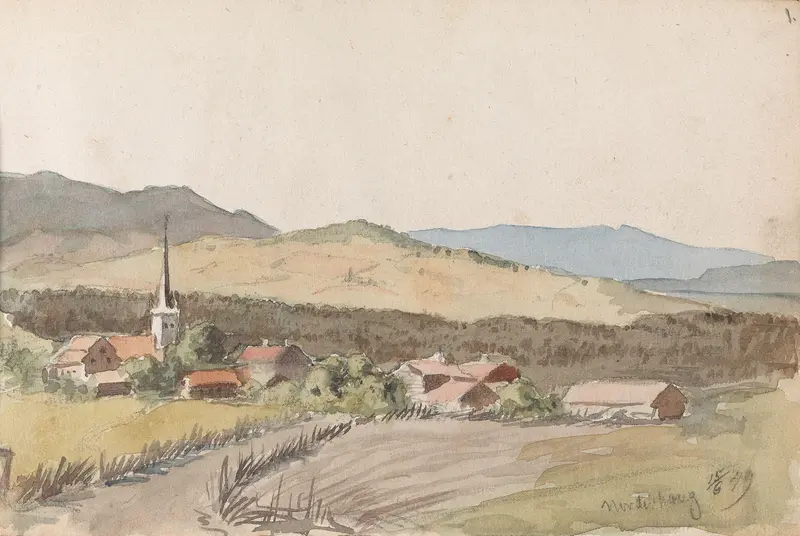
Fra Haugsbygd
Adolph Tidemand
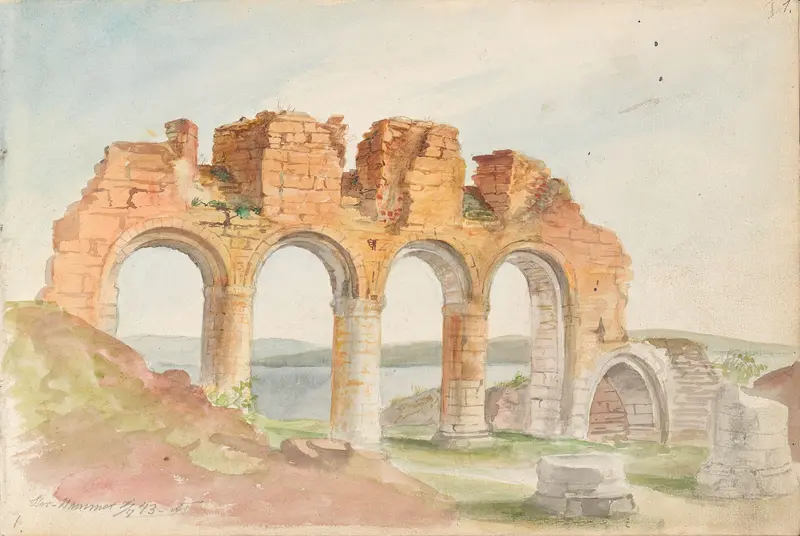
Domkirkeruinen, Hamar
Adolph Tidemand
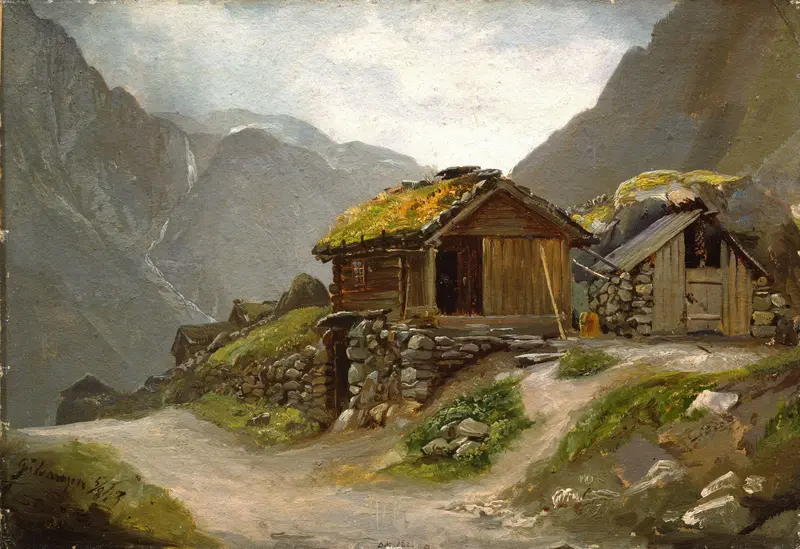
View from Gudvangen
Adolph Tidemand
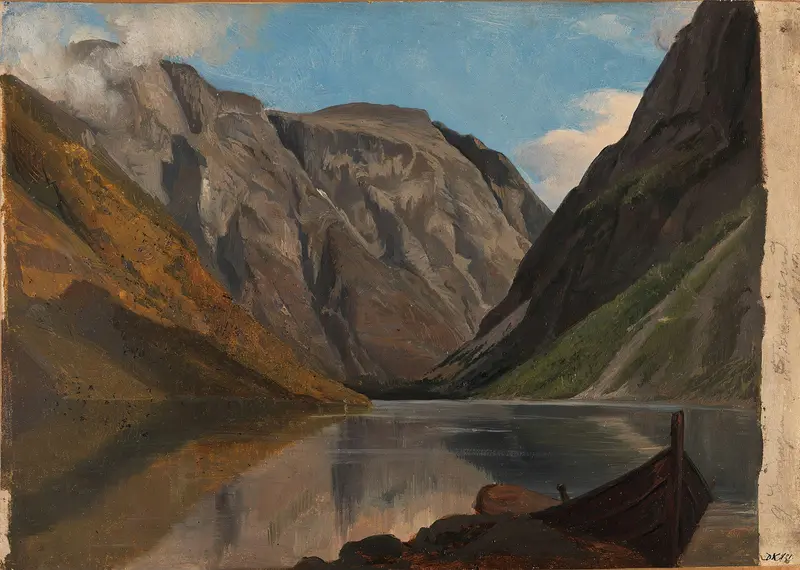
View of Gudvangen
Adolph Tidemand
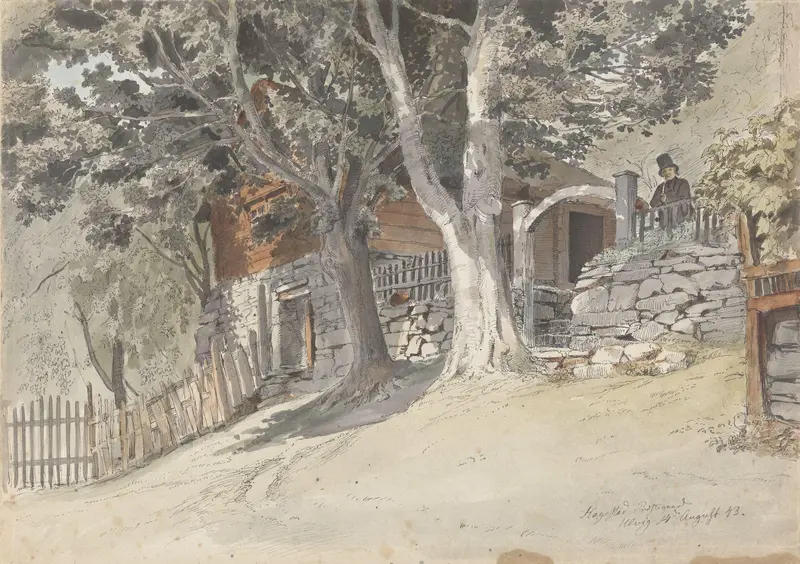
Hagestad prestegård, Ulvik i Hardanger
Adolph Tidemand
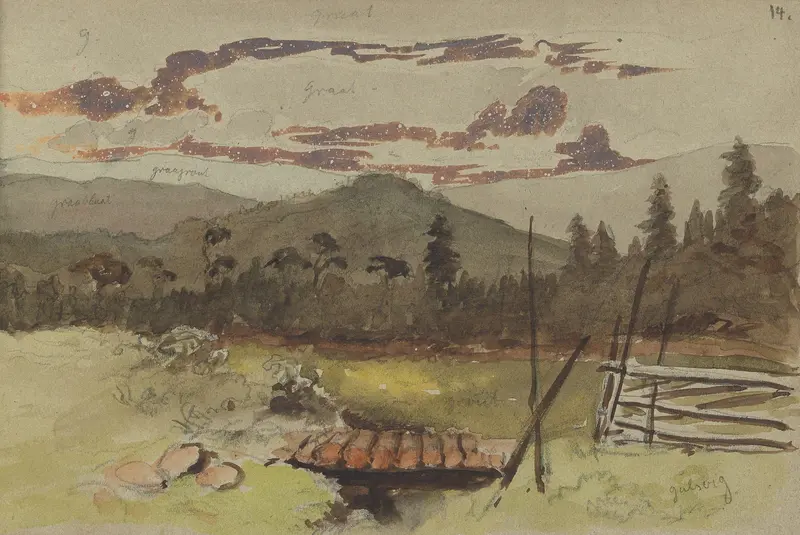
Fra Gulsvik
Adolph Tidemand
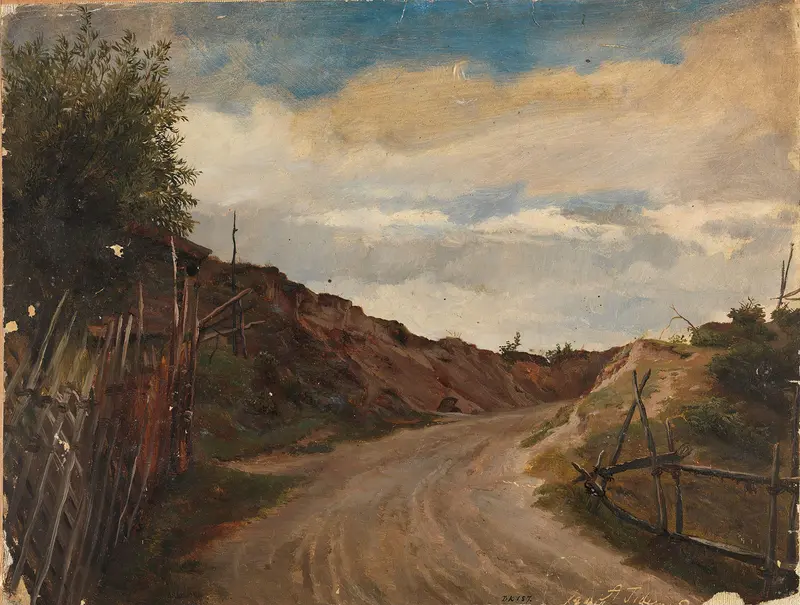
Country Road
Adolph Tidemand
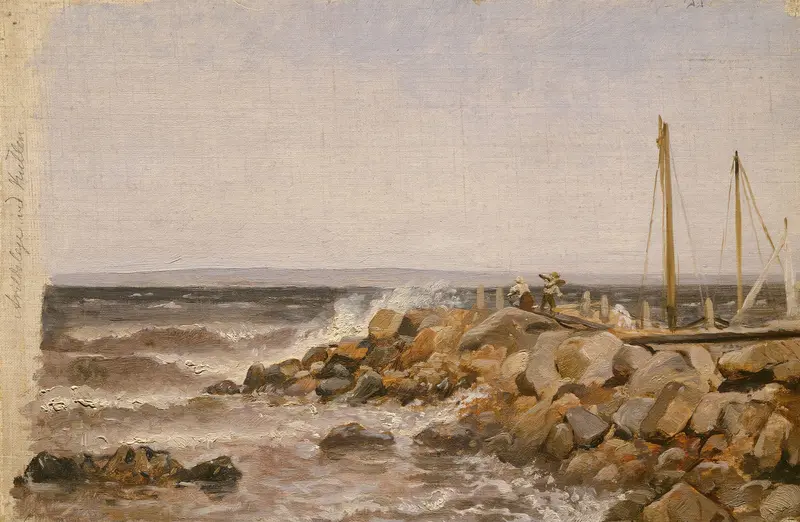
From Kullen in Sweden
Adolph Tidemand
Untitled
Adolph Tidemand
More Landscape Art

The Starry Night
Vincent van Gogh

View of Delft
Johannes Vermeer

Water Lilies
Claude Monet

The Grand Canal, Venice, looking north-west from the Ca' Corner to the Ca' Contarini degli Scrigni, with the campanile of Santa Maria della Carità
Canaletto

Windsor Castle
Canaletto

The Grand Canal looking North-East from the Palazzo Dolfin-Manin to the Rialto Bridge
Canaletto