
Landscape with a clump of trees — History & Facts
Can paint confess what words never could? In the quiet embrace of nature, the depths of divinity unfold, inviting us to witness the sacred dance of light and shadow. Focus on the rich textures of the foliage to the left, where verdant greens intermingle with hints of gold, suggesting the sun’s tender caress. Notice how the clump of trees rises stoically against a backdrop of soft, atmospheric blues and whites, drawing your eye to its serene majesty. The brushwork, both loose and deliberate, creates a sense of movement; the trees sway gently, as if whispering secrets to one another.
Each stroke evokes an unspoken reverence for the landscape, hinting at a harmonious coexistence between humanity and nature. Delve deeper, and you might discern contrasting emotions in the work. The grandeur of the trees signifies strength and endurance, while the surrounding openness evokes a sense of vulnerability and solitude. This duality allows viewers to ponder their place within the natural world, caught between the permanence of the earth and the transience of existence.
The interplay of light infuses the painting with a divine quality, suggesting that nature is a spiritual refuge, a sanctuary where one can contemplate life’s mysteries. Created in the mid-19th century, this work emerged during a pivotal moment in Rousseau's life as he sought a return to nature amidst the industrialization of France. The artist was heavily influenced by the Barbizon School, focusing on capturing the raw beauty of rural landscapes. His dedication to portraying nature authentically reflected a broader movement in art, where artists began to break away from traditional conventions to explore personal expression and the emotional resonance found in the natural world.
More Artworks by Théodore Rousseau
Browse all →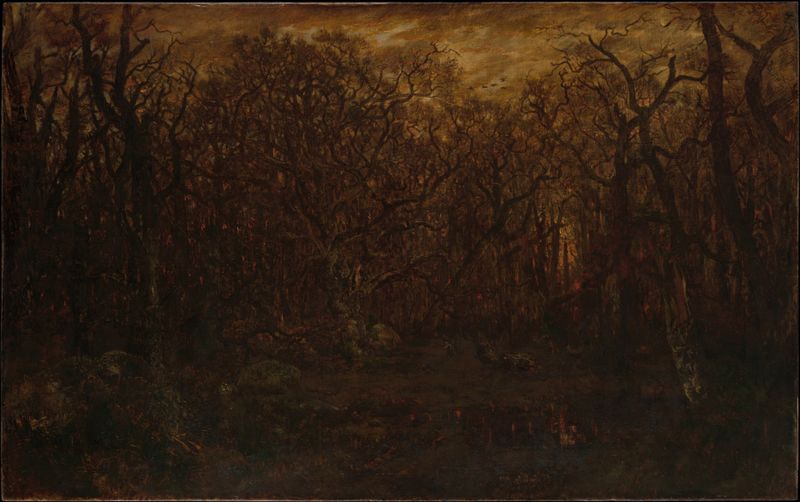
The Forest in Winter at Sunset
Théodore Rousseau
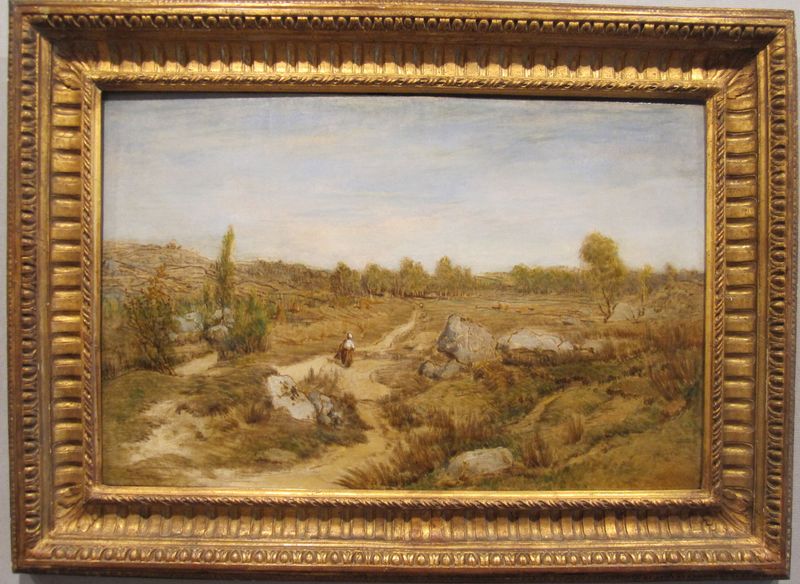
Valley of the Rouars in the Gorges d’Apremont
Théodore Rousseau
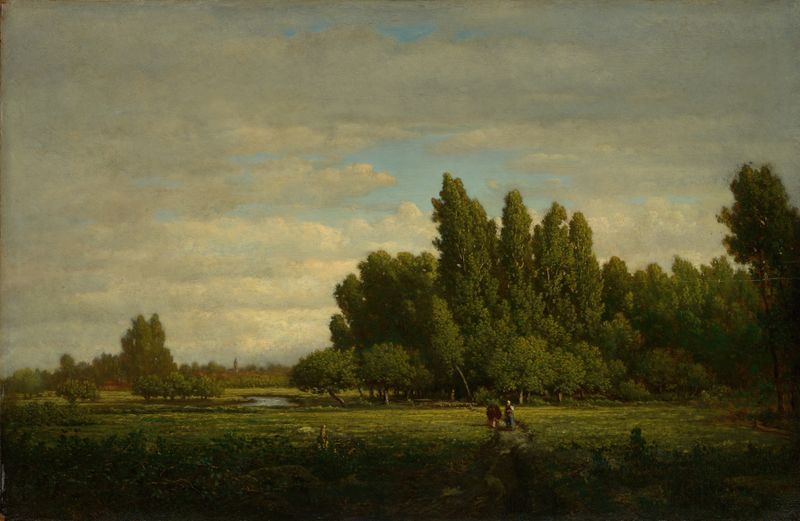
A Meadow Bordered by Trees
Théodore Rousseau
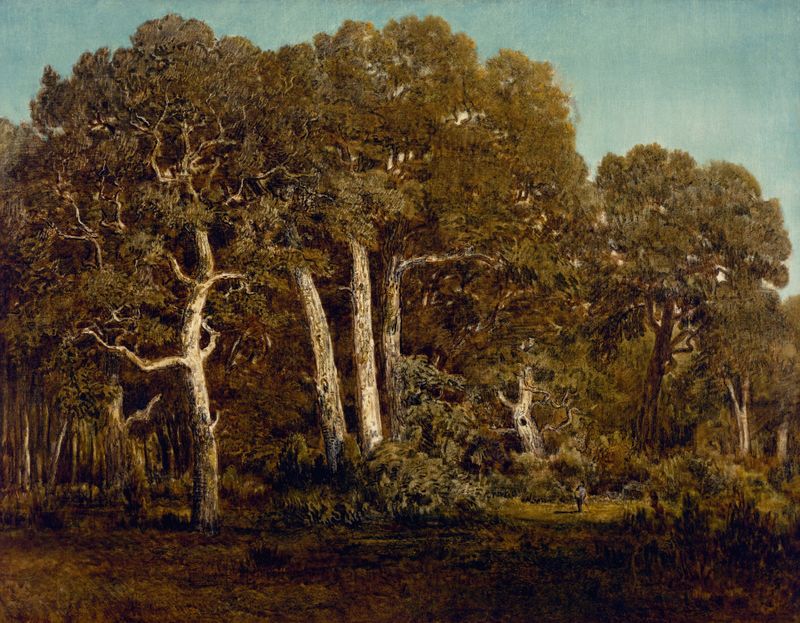
The Great Oaks of Old Bas-Bréau
Théodore Rousseau
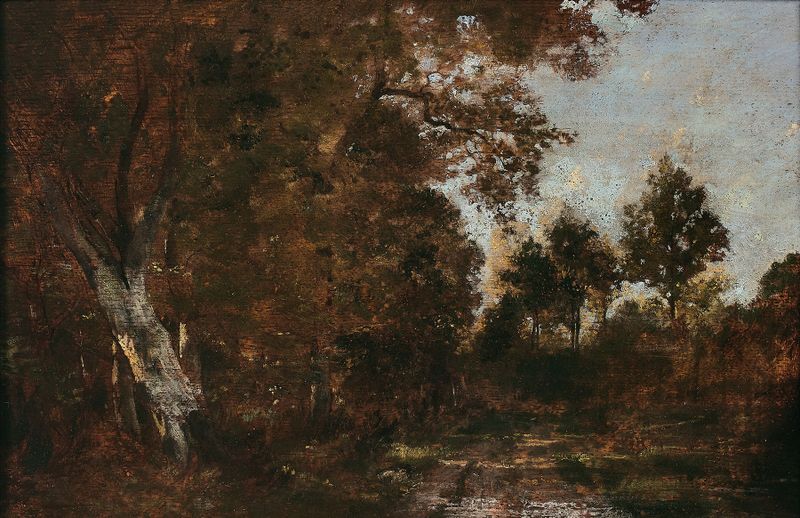
Paysage de sous-bois
Théodore Rousseau
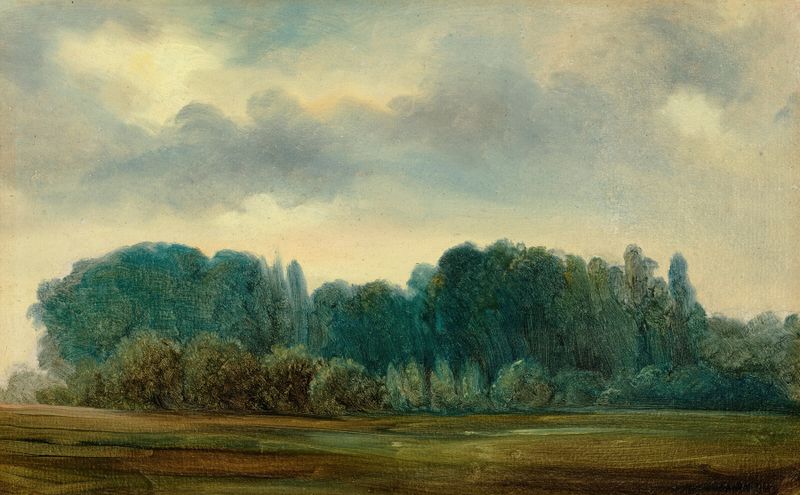
Paysage
Théodore Rousseau
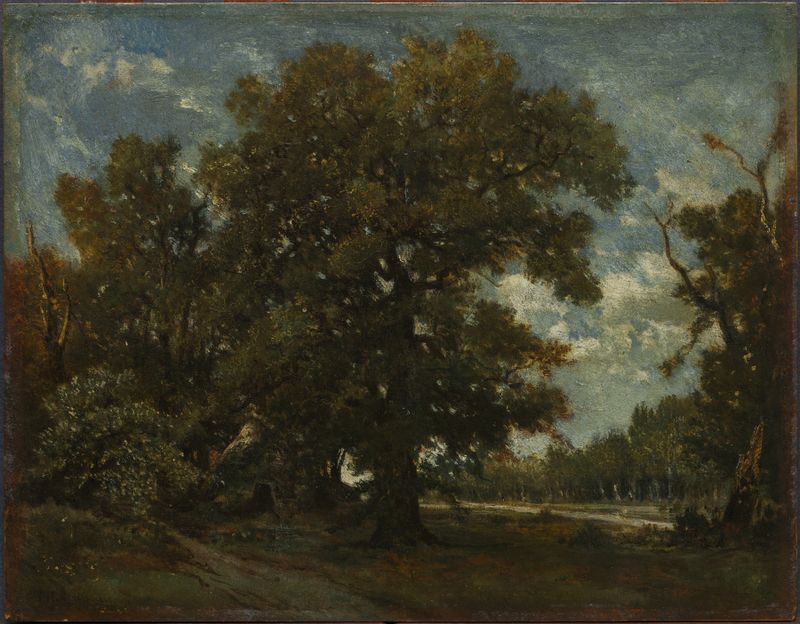
The Oak Tree
Théodore Rousseau
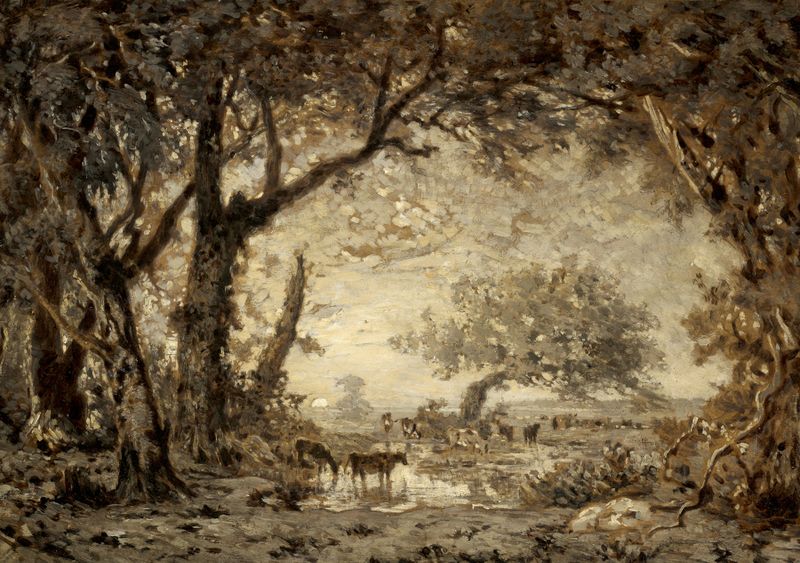
Sunset from the Forest of Fontainebleau
Théodore Rousseau
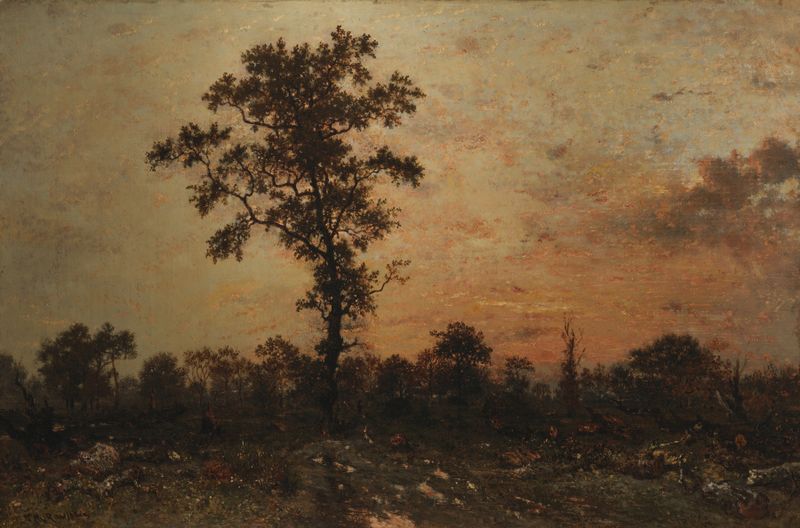
Edge of the Forest, Sun Setting
Théodore Rousseau
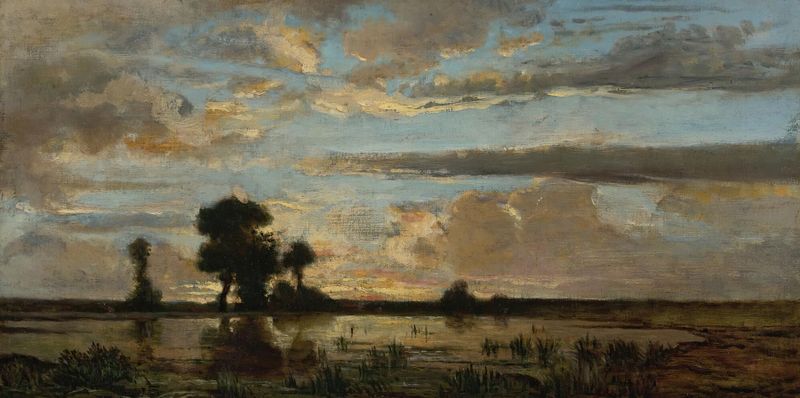
Soleil Couchant
Théodore Rousseau





