
Landscape with a Mill — History & Facts
Did the painter know this moment would outlive them? Beneath the sweeping sky and the tranquil waters, a scene of pastoral serenity brims with an unspoken truth, inviting viewers into a world where time stands still. Look to the left at the mill, its weathered wooden structure harmonizing with the gentle flow of the stream. Notice how the soft greens and deep blues are punctuated by warm earth tones, creating a striking contrast. The delicate brushwork captures the subtle shimmer of the water's surface, while the sunlight filters through the leaves, casting dappled shadows that dance across the landscape.
Every element is meticulously placed, guiding our eyes seamlessly through this idyllic panorama. In this composition, the interplay between nature and human ingenuity speaks volumes. The mill, a symbol of industriousness, stands resolutely against the backdrop of serene nature, suggesting a coexistence that hints at deeper themes of progress and permanence. The calm water reflects not just the image of the mill but also the whispers of time, urging the viewer to contemplate the fleeting nature of life amidst the relentless march of technology. Created in 1858, this work emerged during a period of significant change for Hans Gude, a Norwegian painter known for his landscapes.
Living in Germany at the time, Gude found inspiration in the Romantic movement, which emphasized emotion and the beauty of nature. His experiences with the shifting dynamics of industrialization influenced this painting, reflecting both a longing for pastoral tranquility and an acknowledgement of the encroaching modern world.
More Artworks by Hans Gude
Browse all →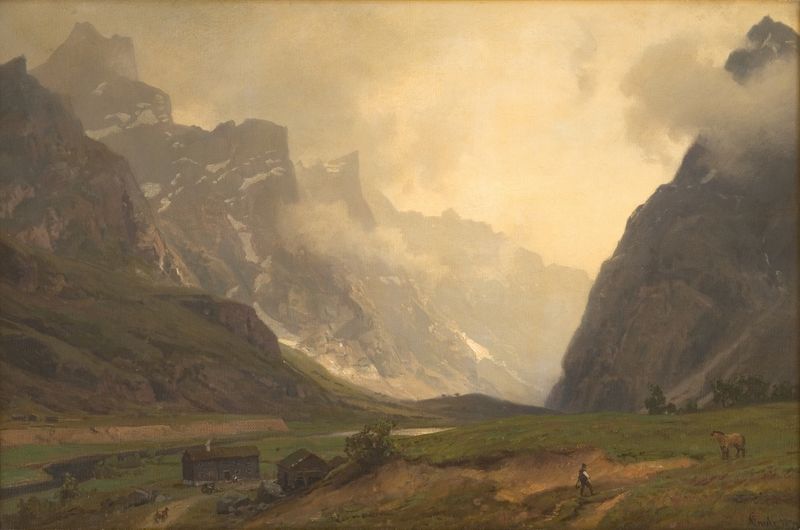
The Troll Peaks in Romsdalen, The Foot of Romsdalshorn to the Right
Hans Gude
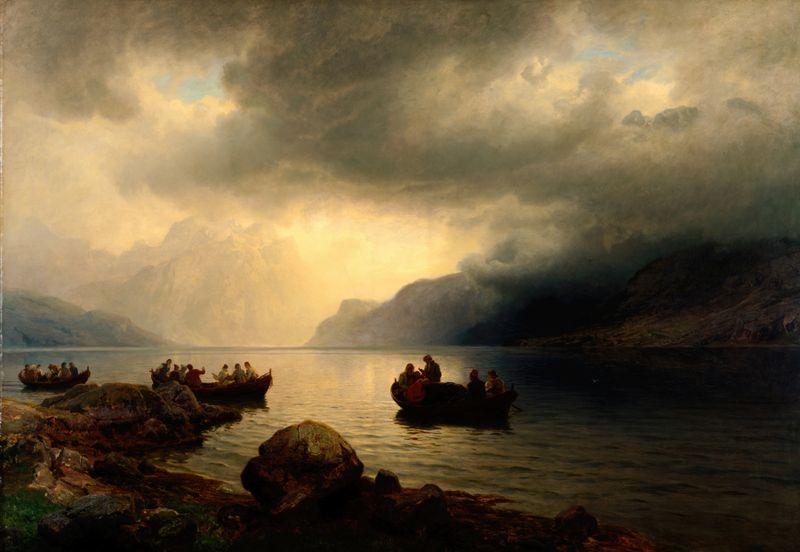
Funeral Procession on the Sogne Fjord
Hans Gude
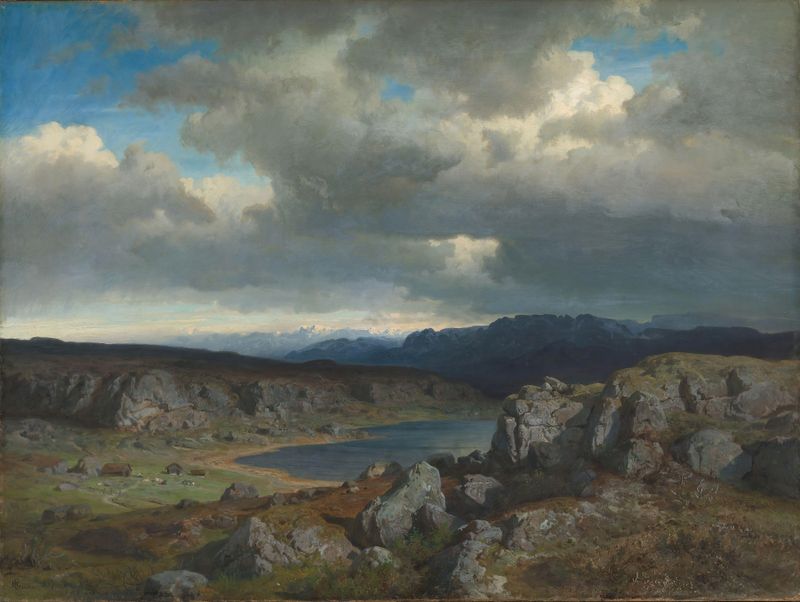
Norwegian Highlands
Hans Gude
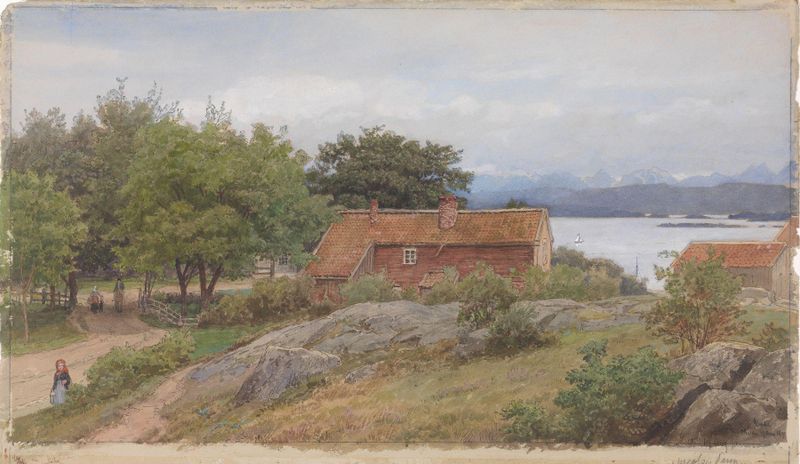
Landskap med bondegård ved Molde
Hans Gude
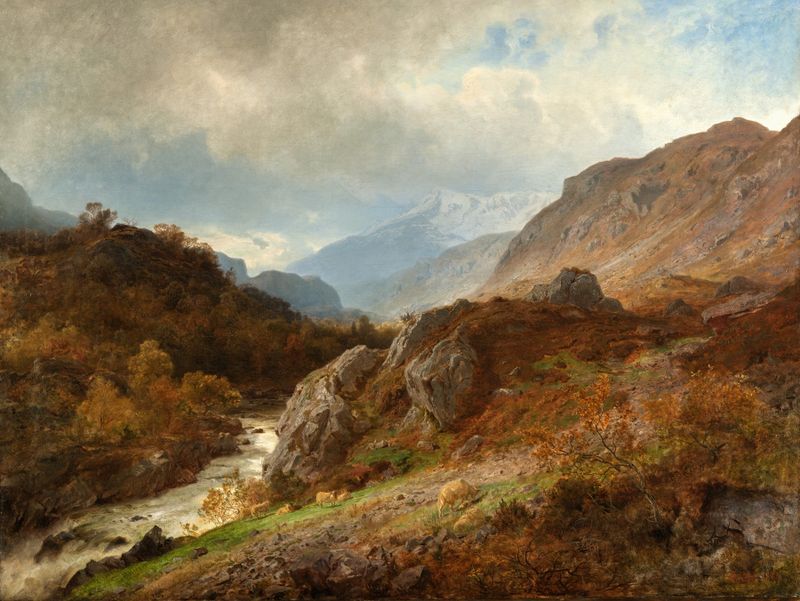
Mountain Landscape
Hans Gude
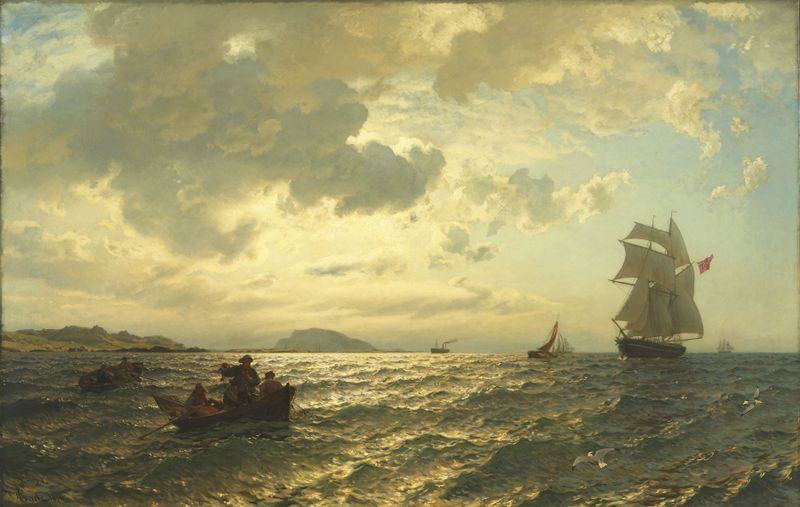
Fresh Breeze on the Norwegian Coast
Hans Gude
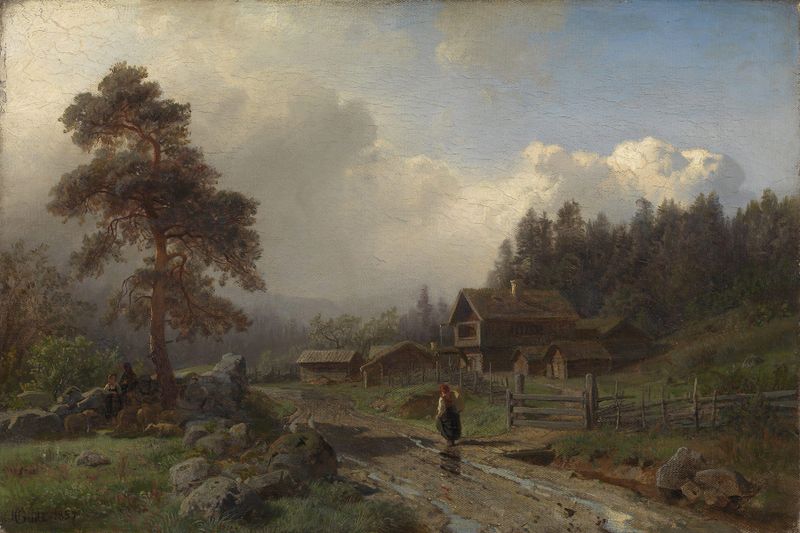
Norwegian Landscape in Rain
Hans Gude
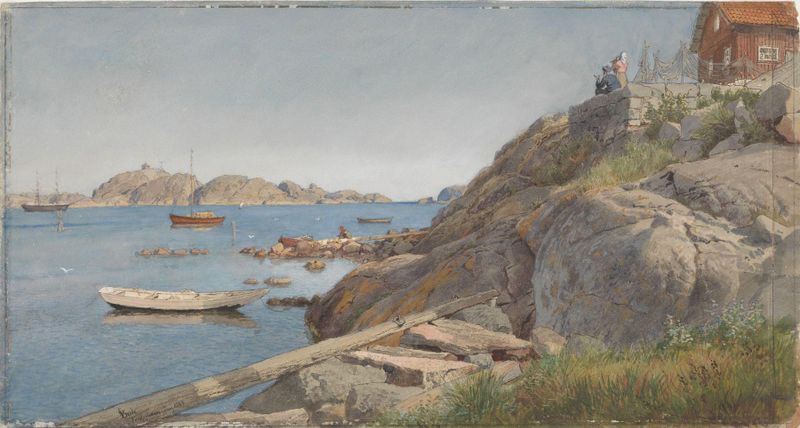
Landscape by Stavern
Hans Gude
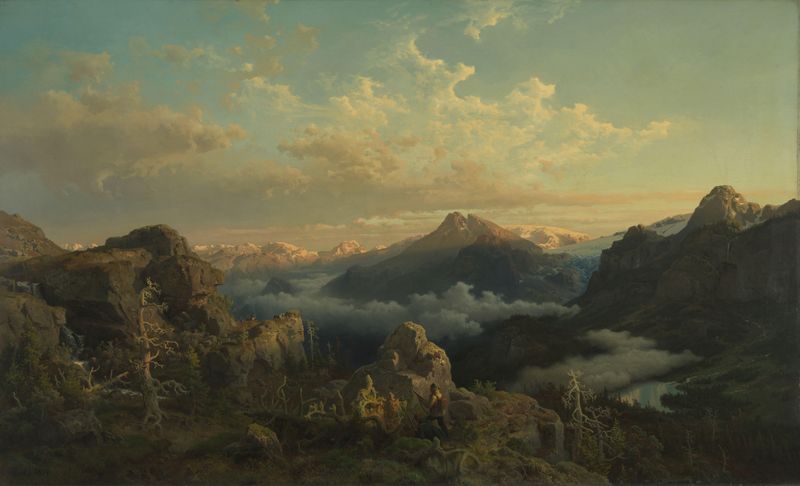
Norwegian Highlands in Sunrise
Hans Gude
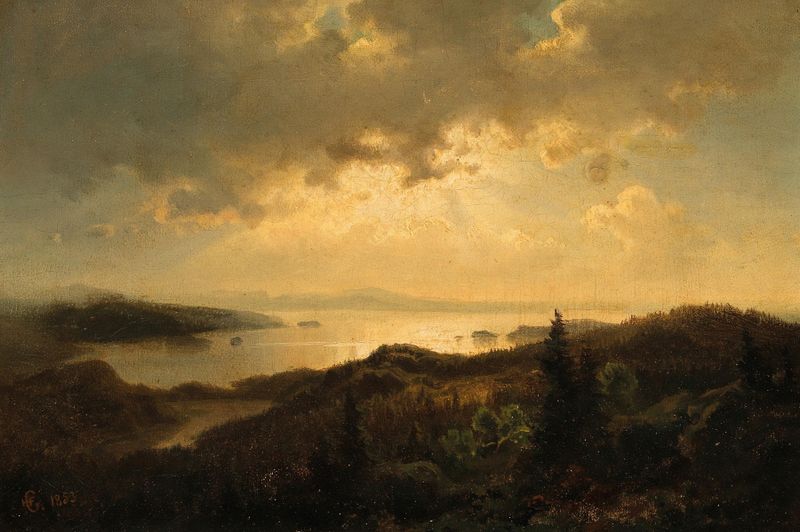
A Scene at Dusk in Norway
Hans Gude





