
Landscape with a Pond — History & Facts
In a world of fleeting moments, a single landscape captures the essence of transformation—the quiet but powerful passage of time. It reveals how nature continuously evolves, urging us to reflect on our own impermanence. Look to the left at the gentle curve of the pond, its surface a mirror reflecting the sky and the trees that frame it. The artist employs soft greens and earthy browns, blending them seamlessly to evoke a sense of harmony.
Notice how the dappled light filters through the leaves, illuminating patches of foliage while casting delicate shadows that play across the water. Each brushstroke lends vitality and texture, grounding the viewer in this serene yet dynamic environment. Dig deeper into the scene, and you'll find a world of contrasts. The tranquil pond juxtaposes the ruggedness of the surrounding landscape, suggesting a balance between calmness and turmoil.
The ripples in the water symbolize the ceaseless changes in life, while the sturdy trees represent endurance amidst inevitable transformation. This subtle interplay invites contemplation on how beauty emerges from both stillness and movement. In 1850, Rousseau was immersed in the Barbizon School, advocating for a direct connection with nature. Painting Landscape with a Pond during this period, he was eager to escape the constraints of urban life and engage with the raw beauty of rural landscapes.
This work reflects not only his personal journey but also a broader movement in art that sought authenticity in representation, pushing against the idealized visions of the past.
More Artworks by Théodore Rousseau
Browse all →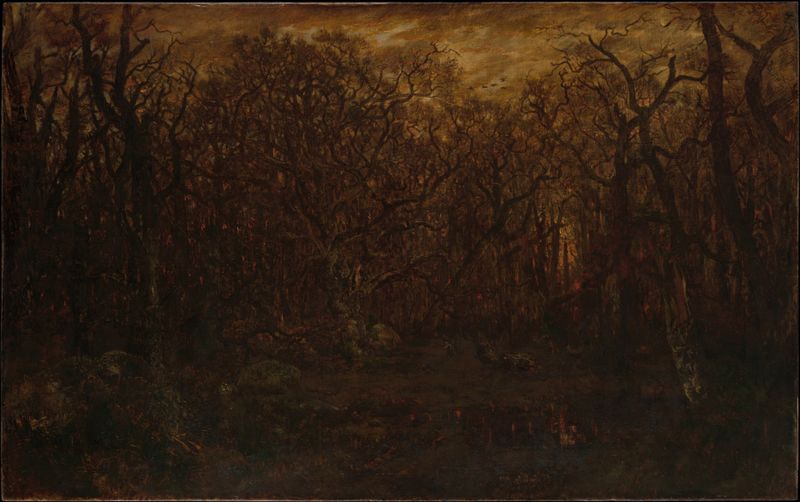
The Forest in Winter at Sunset
Théodore Rousseau
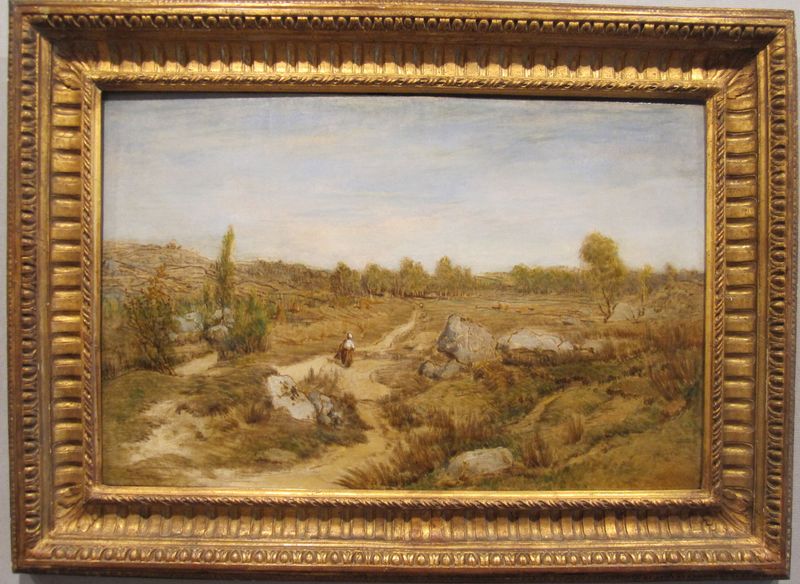
Valley of the Rouars in the Gorges d’Apremont
Théodore Rousseau
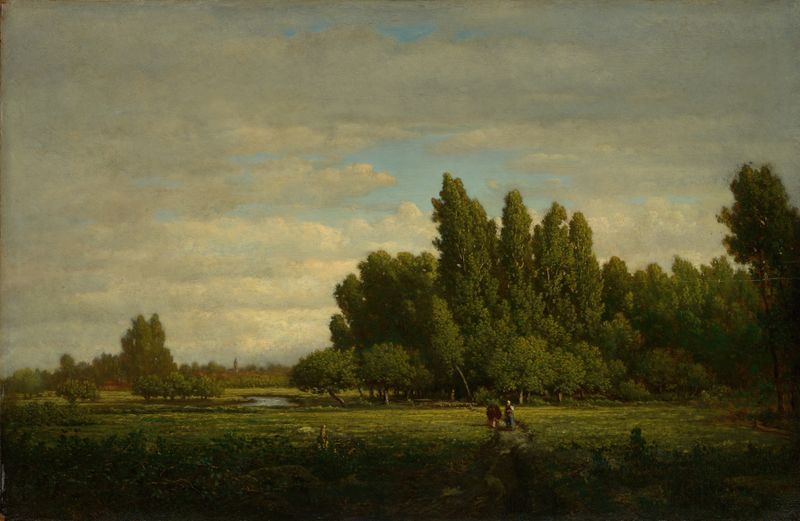
A Meadow Bordered by Trees
Théodore Rousseau
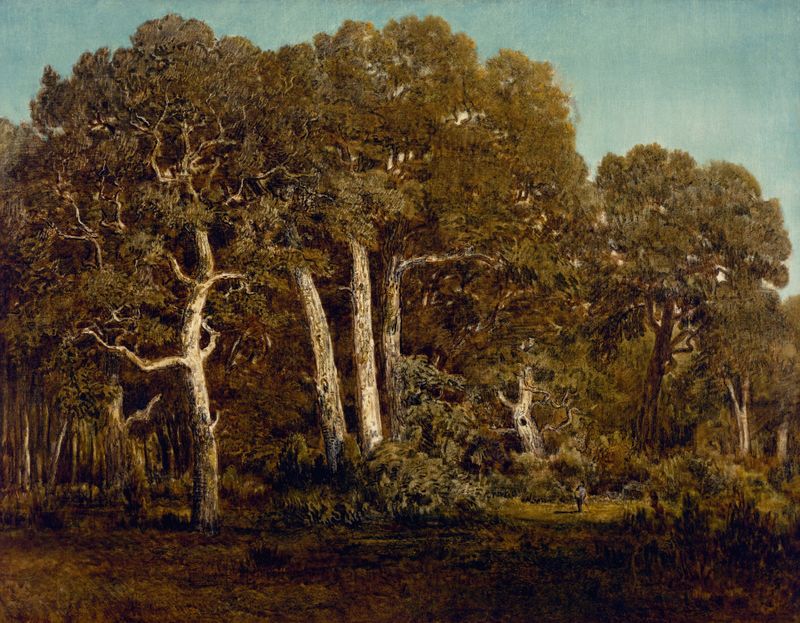
The Great Oaks of Old Bas-Bréau
Théodore Rousseau
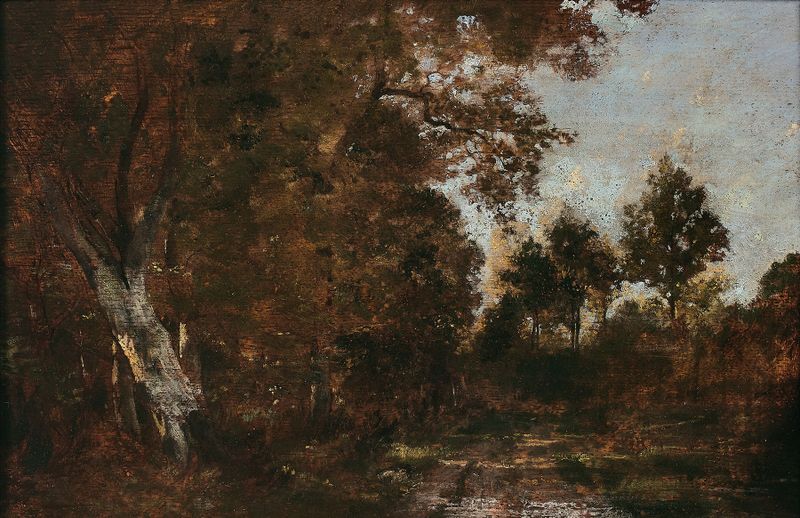
Paysage de sous-bois
Théodore Rousseau
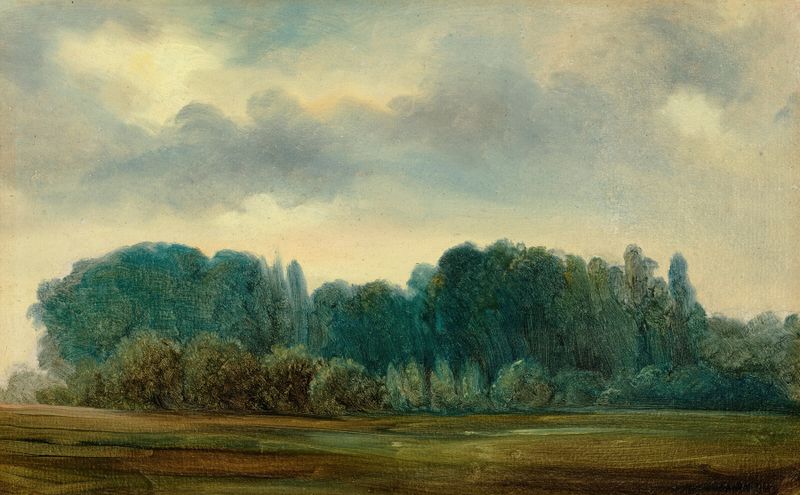
Paysage
Théodore Rousseau
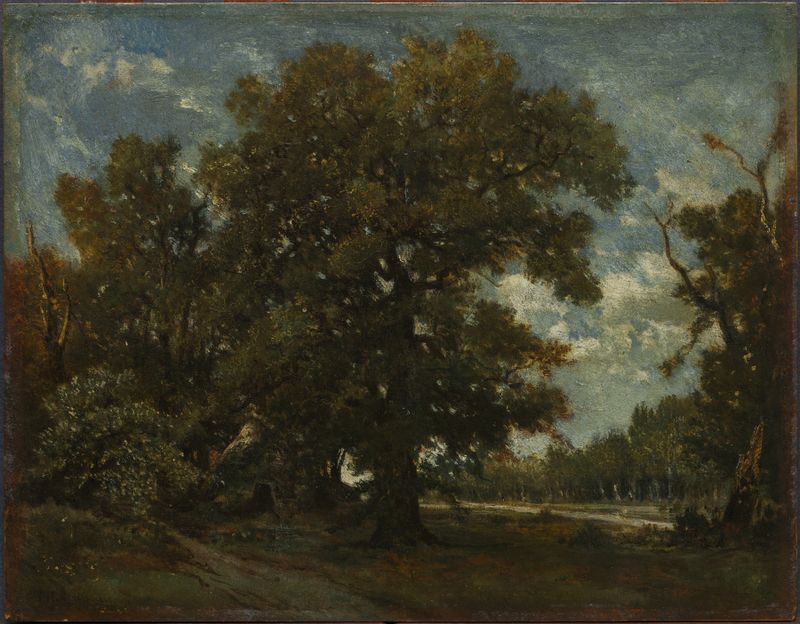
The Oak Tree
Théodore Rousseau
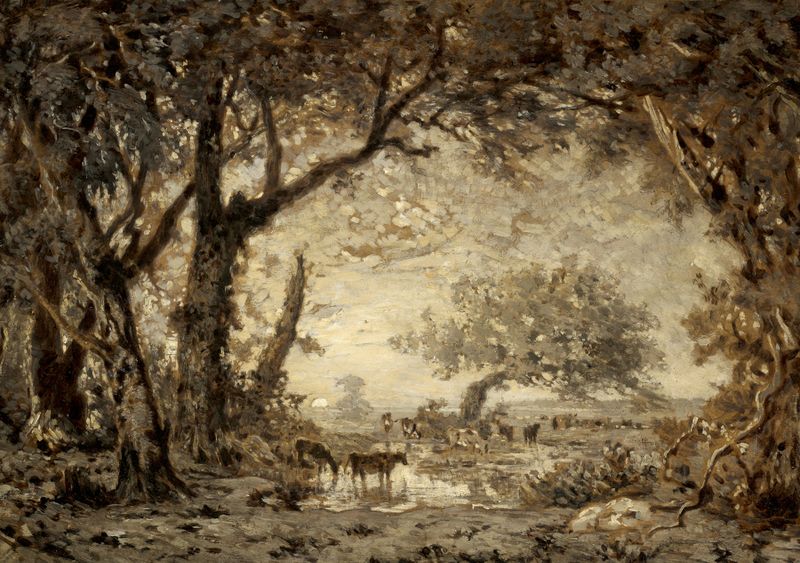
Sunset from the Forest of Fontainebleau
Théodore Rousseau
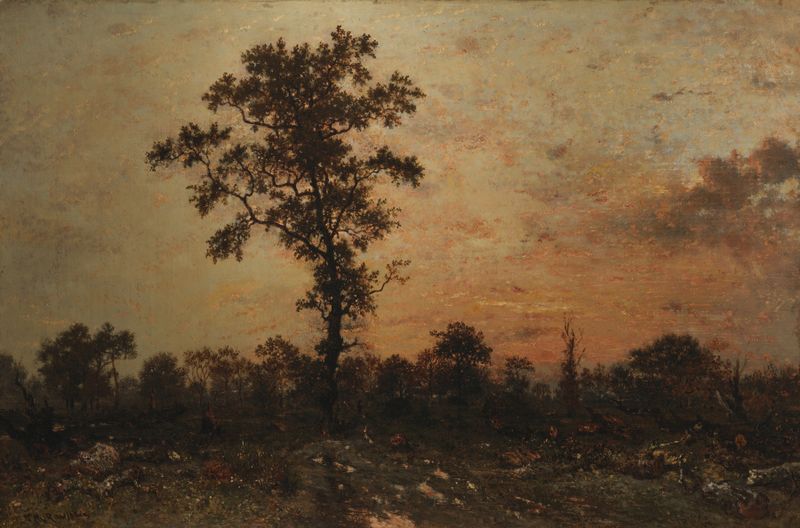
Edge of the Forest, Sun Setting
Théodore Rousseau
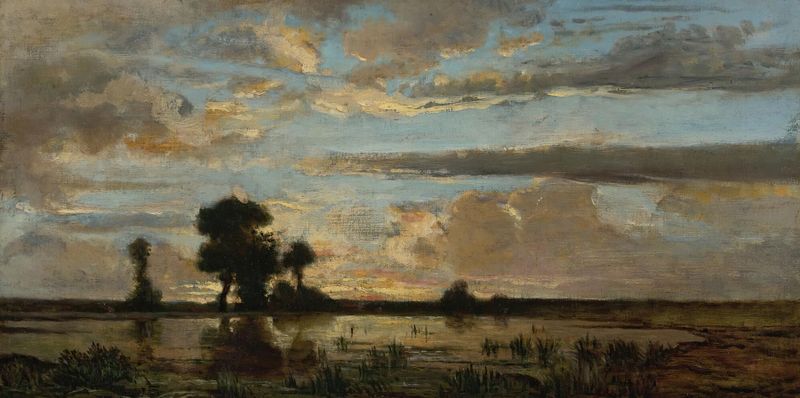
Soleil Couchant
Théodore Rousseau





