
Landscape with a River, Stone Bridge and a Classical Building on a Hill — History & Facts
In the delicate interplay of time and transformation, a moment is captured, reflecting the unyielding march of both nature and civilization. Look to the left where the river winds gracefully through the landscape, its gentle currents mirroring the soft strokes of the artist's brush. Notice how the sunlight glimmers upon the water’s surface, creating a dance of light and shadow that breathes life into the scene. The stone bridge, a sturdy structure, stands poised over the river, its arching form inviting viewers to traverse the divide between the serene waters and the classical building perched atop the hill.
The warm earth tones harmonize with the cooler blues and greens, establishing a serene yet dynamic balance. Beneath this picturesque façade lies the tension between progress and permanence. The bridge symbolizes human ingenuity, a testament to resilience against the passage of time, while the classical building stands as a nod to the enduring legacy of culture. The subtle wear on the bridge suggests both age and beauty, whispering the stories of countless travelers.
In contrast, the lush greenery surrounding the river serves as an ever-present reminder of nature's fluidity and the inevitable changes that come with it. During the late 1850s, the artist found himself in a rapidly evolving world, where industrialization was overtaking the pastoral tranquility of countryside life. Living in Europe during an era steeped in Romanticism, he sought to encapsulate the dialogue between man-made structures and the natural landscape, reflecting a broader cultural preoccupation with time, progress, and nostalgia in art. This painting emerged as a response to these transformations, intertwining personal reflection with the collective consciousness of the period.
More Artworks by Arthur Blaschnik
Browse all →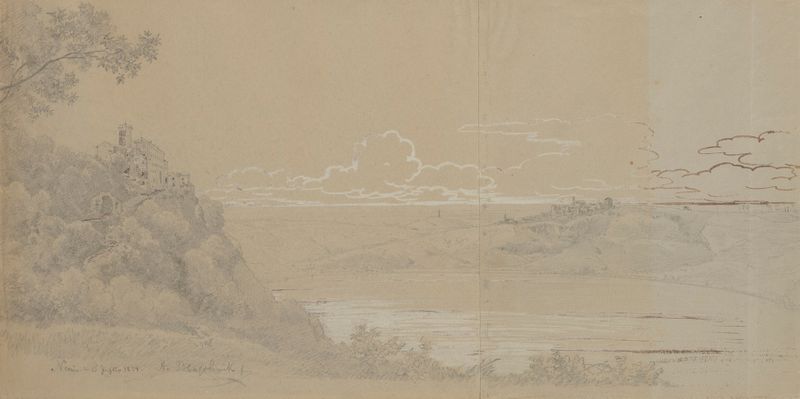
Palazzo Ruspoli by Lake Nemi, in the Distance the Town of Genzano di Roma
Arthur Blaschnik
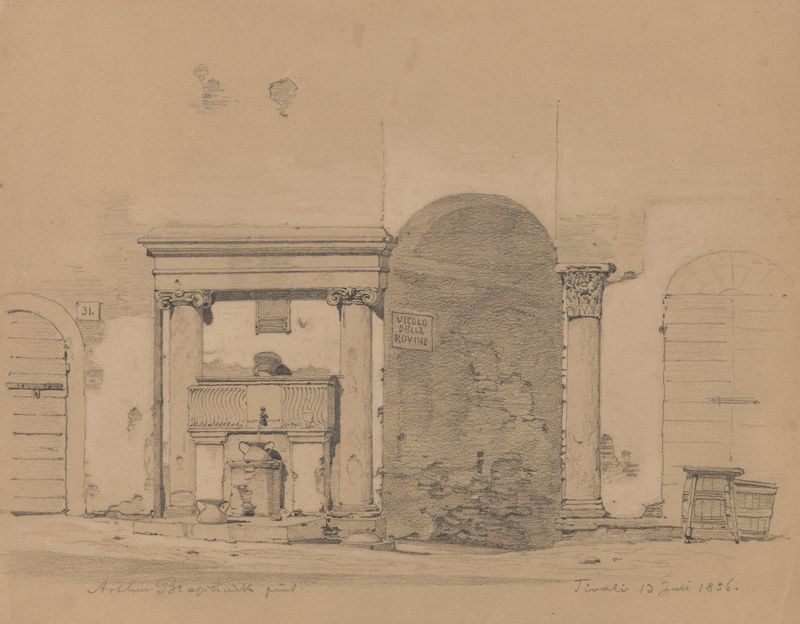
Gate Leading to Vicoli dei Grana near Piazza Palatina in Tivoli
Arthur Blaschnik
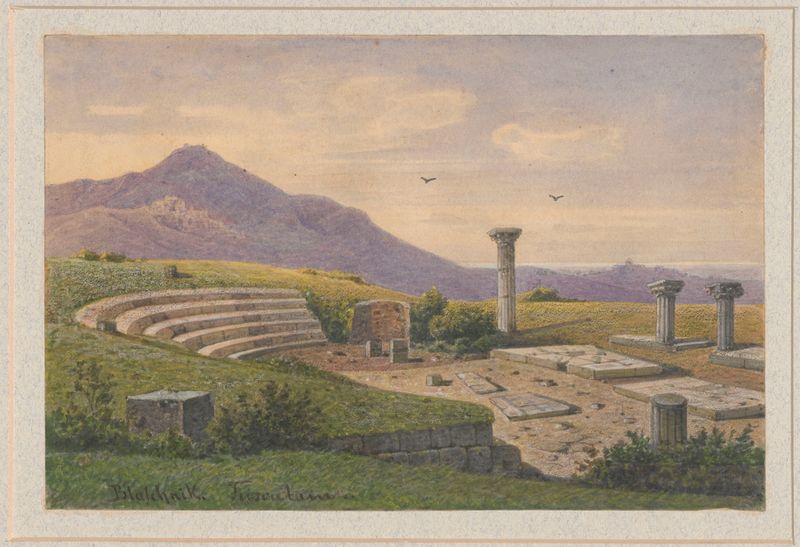
Amphitheatre in Tusculum
Arthur Blaschnik
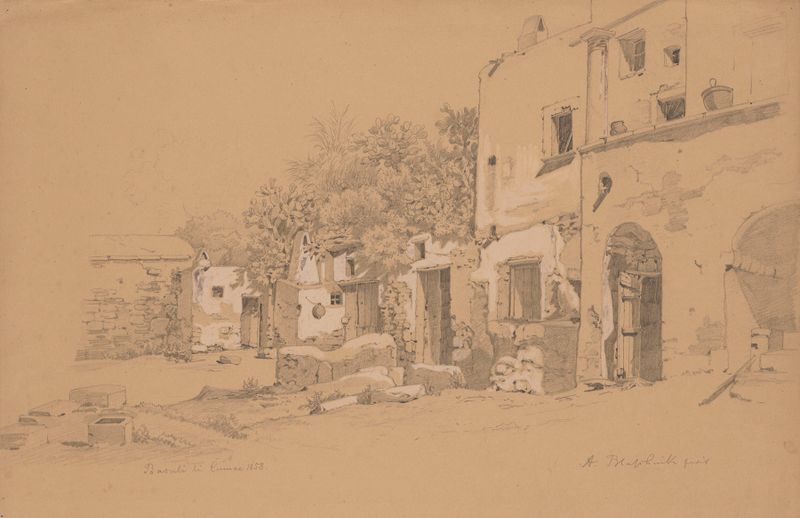
House and Outbuildings in Bacoli
Arthur Blaschnik
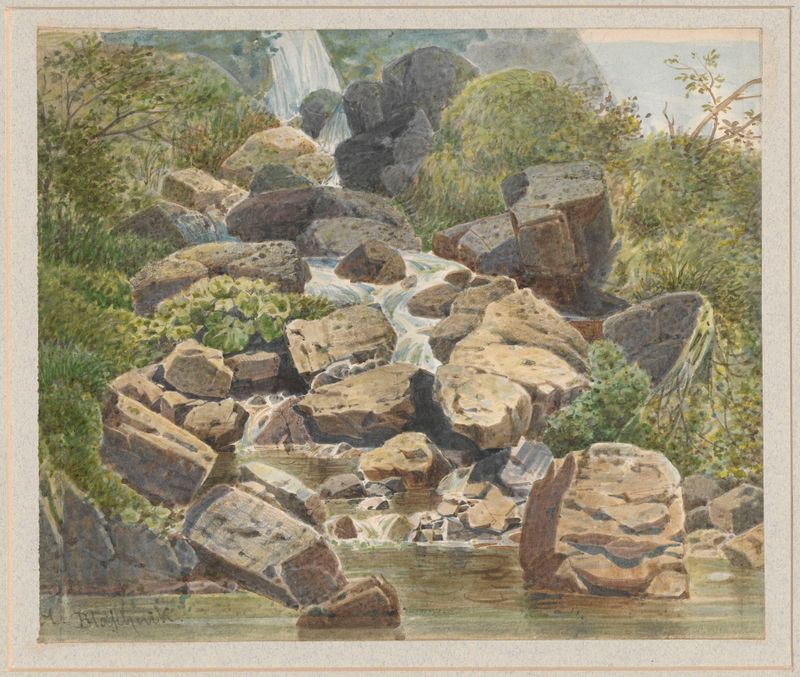
View of a small waterfall near Covigliaio, Tuscany
Arthur Blaschnik
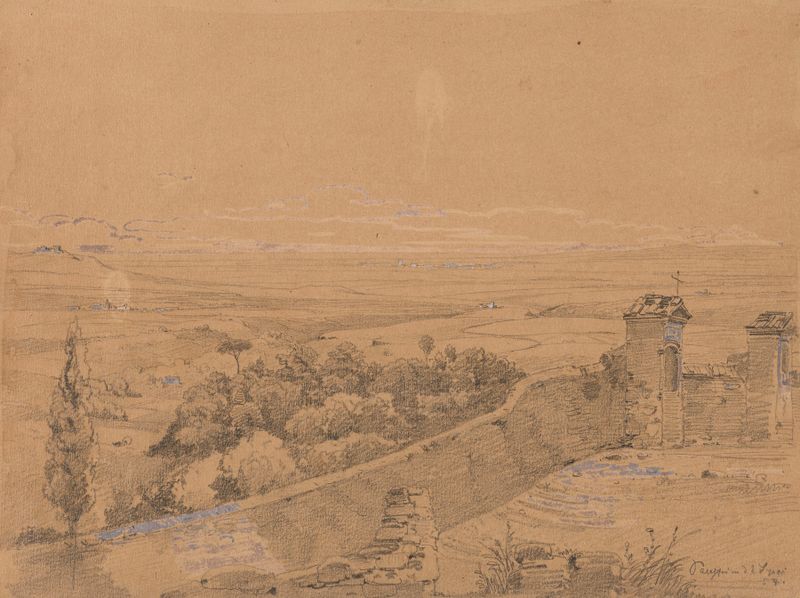
Landscape from the Vicinity of Palestrina
Arthur Blaschnik
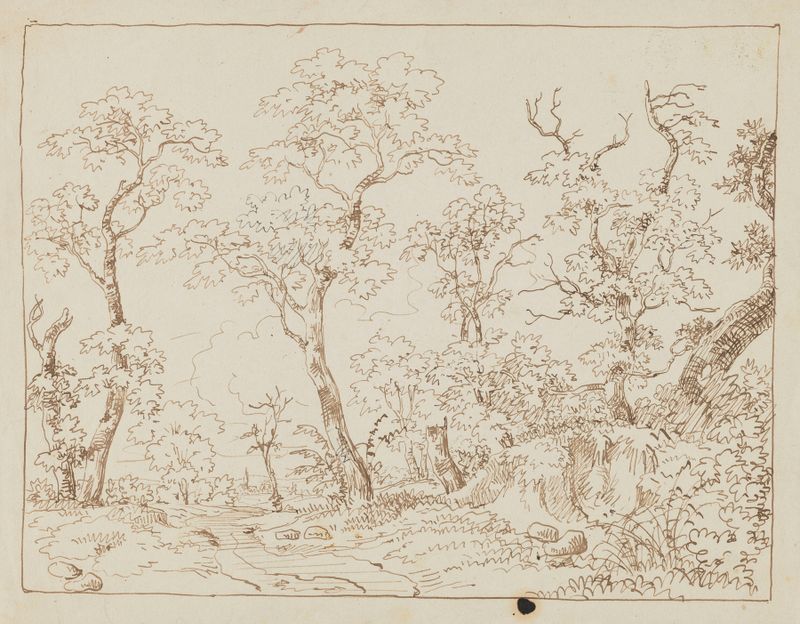
Studies of Trees, Landscape
Arthur Blaschnik
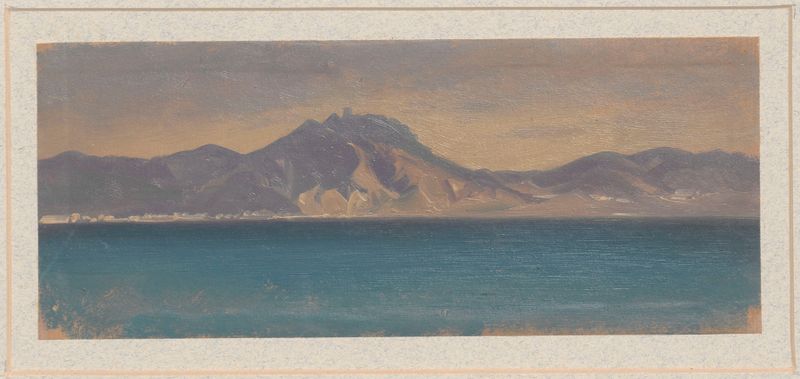
View of the Island of Capri
Arthur Blaschnik
Cloister with Arcade Gallery in Amalfi
Arthur Blaschnik
View of Capri
Arthur Blaschnik





