
Landscape with Boatman — History & Facts
What secret hides in the quiet of the canvas? In Landscape with Boatman, the stillness of nature beckons us to listen closely to the whispers of the wind and the gentle lapping of water against the boat's hull. Look to the lower left where the figure of the boatman stands, silhouetted against the vast expanse of water. His posture is relaxed yet alert, an embodiment of harmony with the landscape. The palette of greens and blues dominates, evoking a sense of tranquility, while dappled sunlight filters through the leaves, casting tender shadows across the scene.
Notice how the brushstrokes vary — the smoothness of the water contrasts with the rougher texture of the land, reflecting a delicate balance between chaos and serenity. In the background, a horizon teeters on the edge of reality, hinting at deeper emotional currents beneath the surface calm. The subtle play of light and shadow suggests not only the passage of time but also the weight of solitude. Each element, from the slender trees to the gentle ripples, speaks to the tension between man and nature, capturing a fleeting moment that feels both intimate and vast. Created in the early 1860s, this work emerged during a period of great transition in French art, as artists began to embrace realism and the natural world.
Théodore Rousseau, a key figure in the Barbizon School, sought to portray landscapes that resonated with emotional depth and a profound connection to the environment. His focus on plein air painting reflected a shift towards capturing the essence of nature, making Landscape with Boatman a compelling representation of his artistic vision.
More Artworks by Théodore Rousseau
Browse all →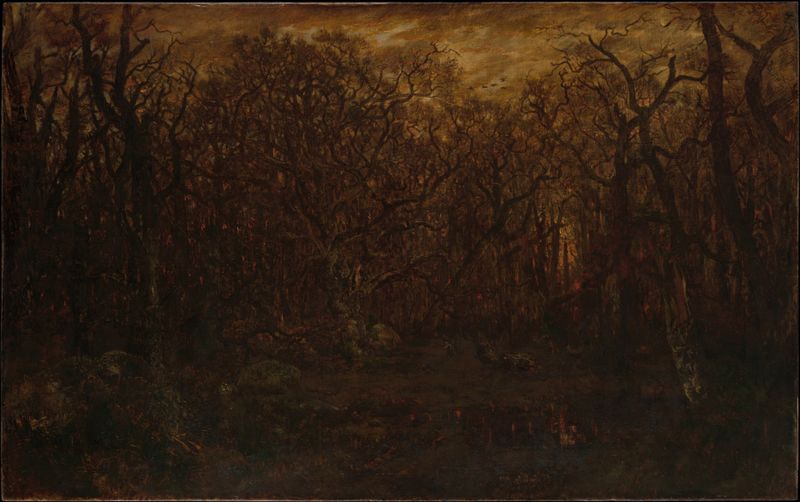
The Forest in Winter at Sunset
Théodore Rousseau
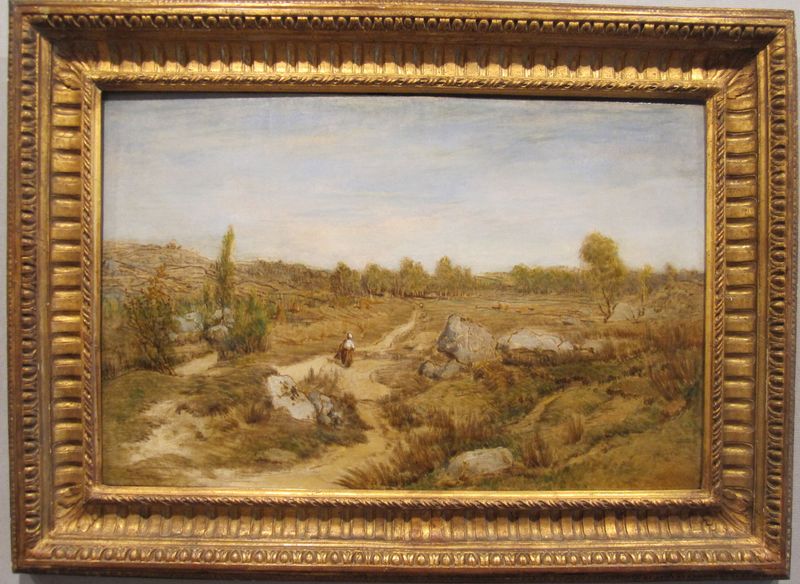
Valley of the Rouars in the Gorges d’Apremont
Théodore Rousseau
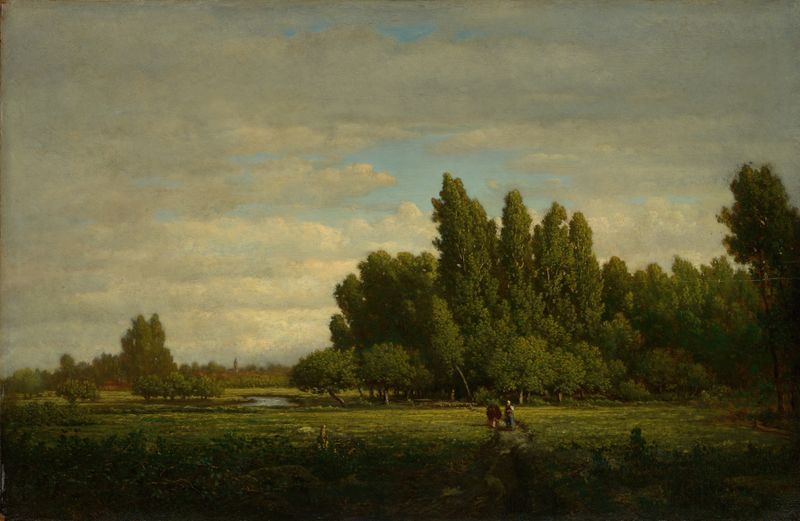
A Meadow Bordered by Trees
Théodore Rousseau
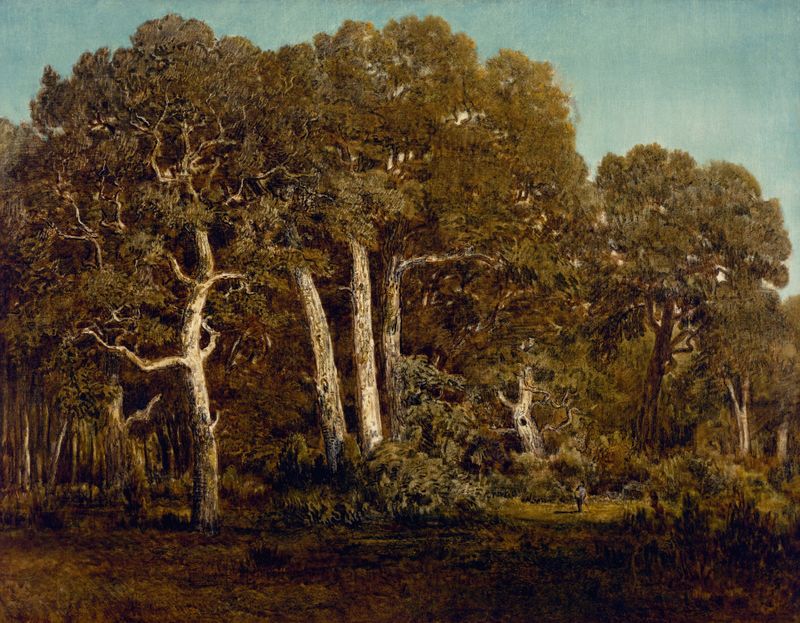
The Great Oaks of Old Bas-Bréau
Théodore Rousseau
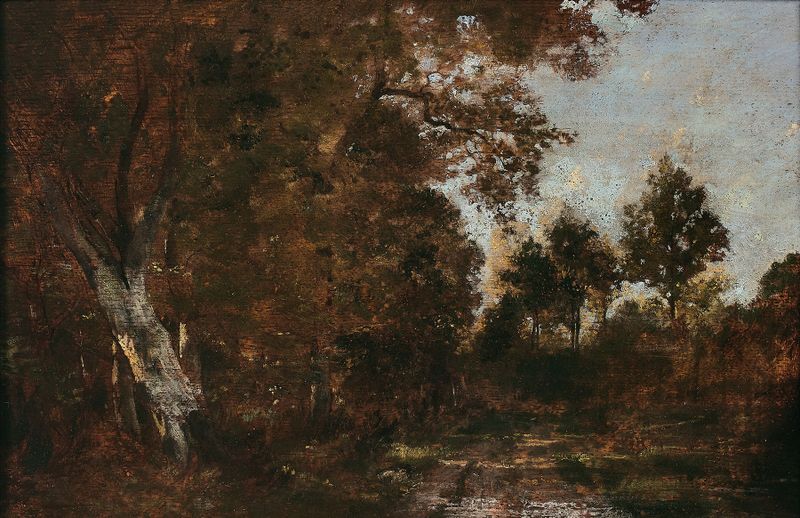
Paysage de sous-bois
Théodore Rousseau
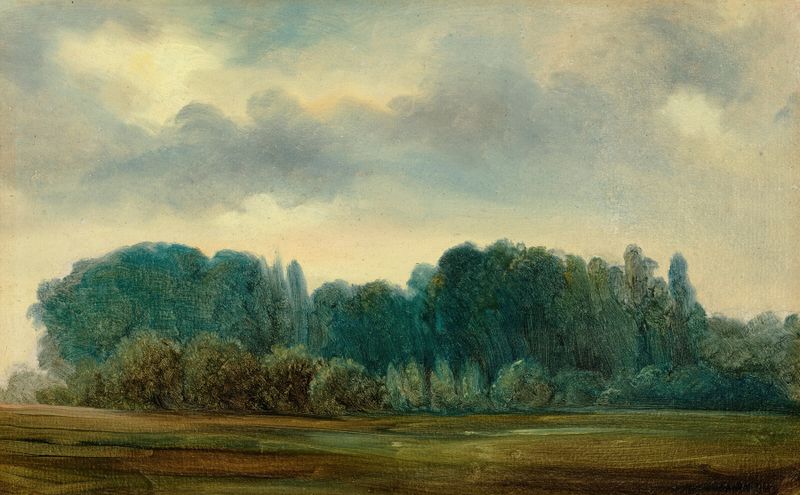
Paysage
Théodore Rousseau
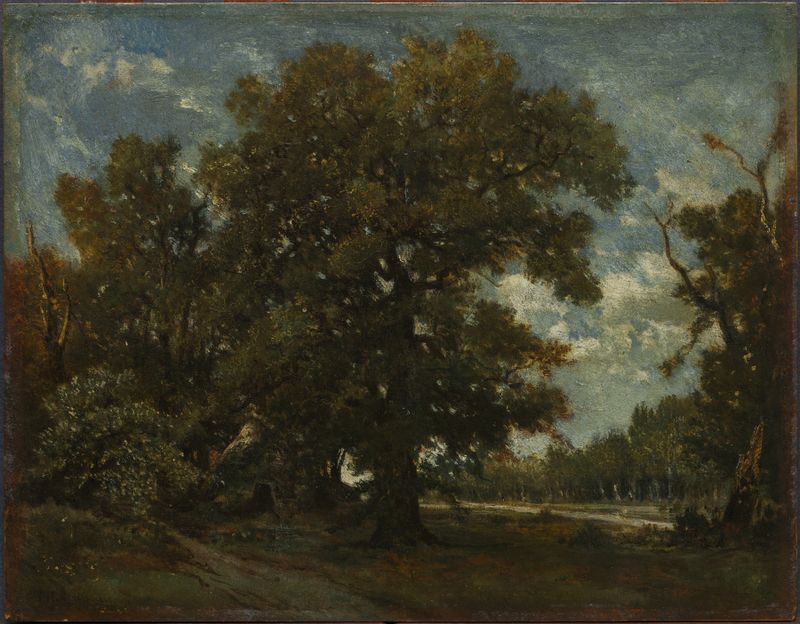
The Oak Tree
Théodore Rousseau
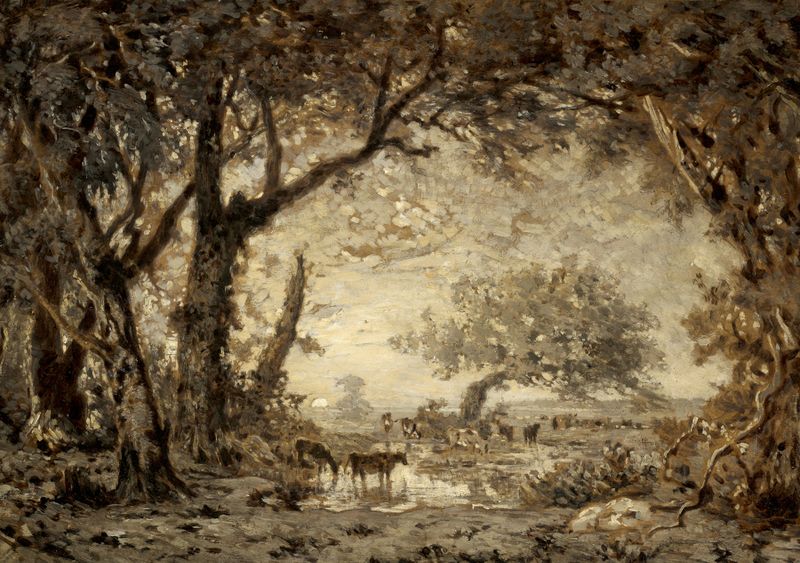
Sunset from the Forest of Fontainebleau
Théodore Rousseau
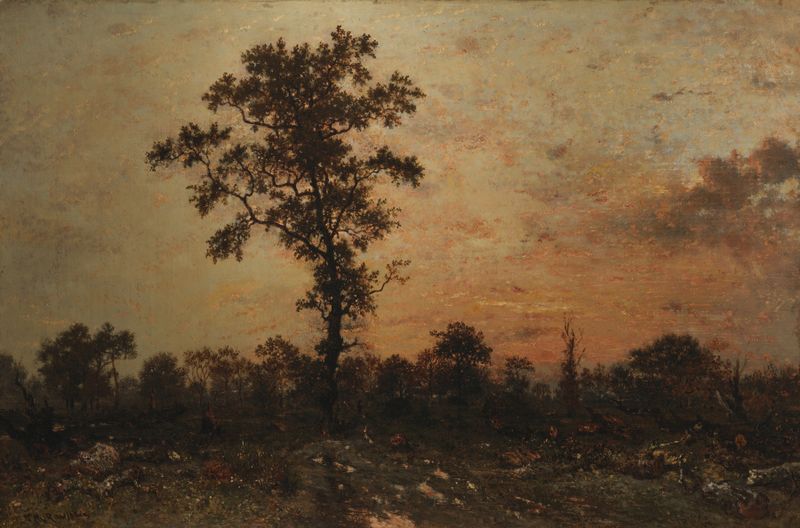
Edge of the Forest, Sun Setting
Théodore Rousseau
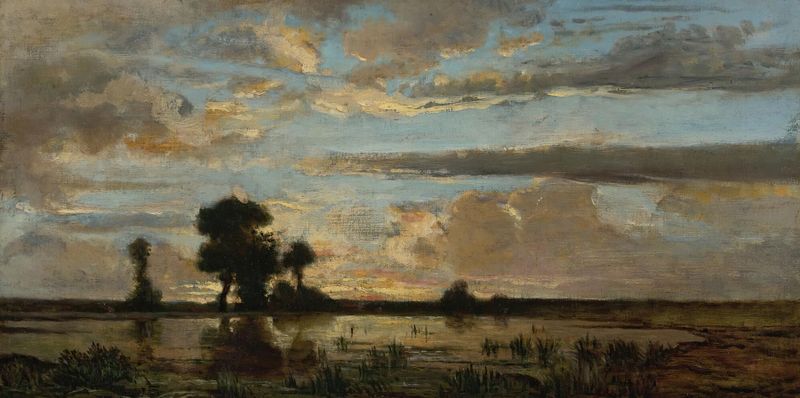
Soleil Couchant
Théodore Rousseau





