
Landscape with Château Galliard — History & Facts
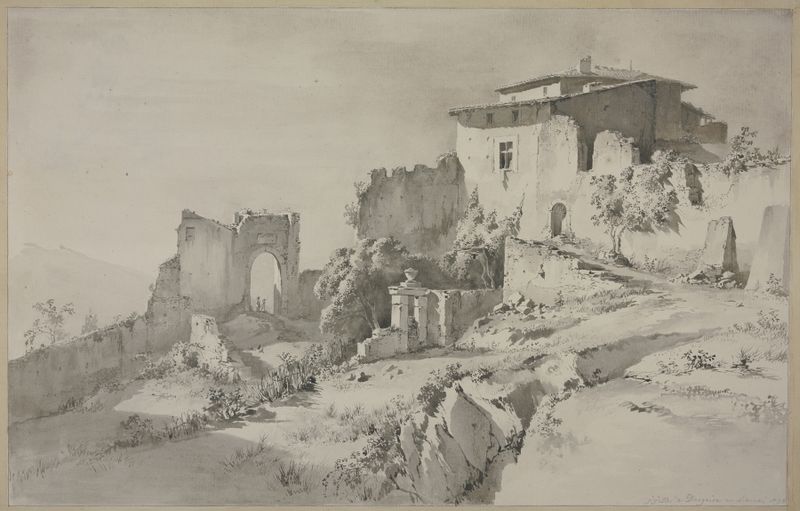
In the tranquil embrace of nature, innocence finds its voice, whispering secrets of a forgotten era. Look to the foreground, where a soft palette of greens and earthy hues draws you into a gentle expanse of rolling hills. The Château Galliard, perched thoughtfully atop its rocky prominence, commands attention with its delicate architecture, contrasting against the warmth of the landscape. Notice how the light filters through the clouds, casting an ethereal glow that dances upon the water’s surface; it’s as if the entire scene breathes in harmony, frozen in a moment of serene contemplation. Yet, beyond the serene surface lies a tension between the natural world and human craftsmanship.
The château stands as a symbol of human ambition, juxtaposed against the vast, untamed wilderness that surrounds it. A quiet melancholy pervades the scene — the fading grandeur of the structure hints at a past filled with stories, evoking a sense of nostalgia. The untouched beauty of the landscape calls into question the innocence of man’s creations and their fleeting existence in an ever-changing world. In 1796, when this work was created, the artist was in France amidst sociopolitical turmoil following the Revolution.
The embrace of Romanticism was taking hold, yet de Boissieu chose to depict a harmonious existence that celebrated nature over the chaos erupting around him. This choice reflects not only his personal artistic direction but also a yearning for simpler times, resonating with viewers seeking solace in the landscapes of the past.
More Artworks by Jean-Jacques de Boissieu
Browse all →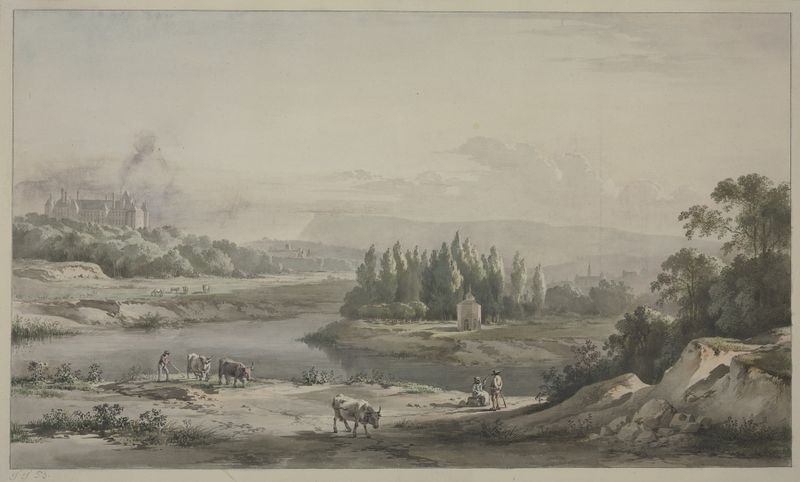
River Landscape
Jean-Jacques de Boissieu

Vestiges du temple d’Apollon au bord du Lac d’Auverne
Jean-Jacques de Boissieu

Vue du pont de la Guillotière à Lyon
Jean-Jacques de Boissieu
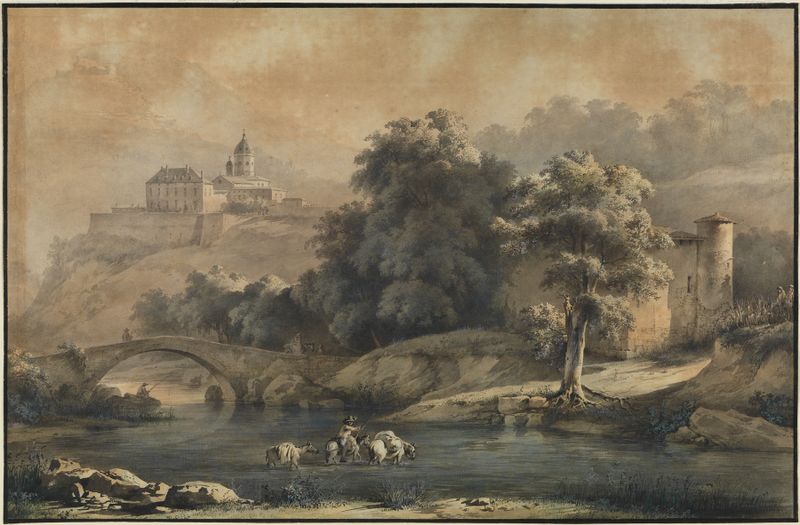
Flußlandschaft mit Bergkloster
Jean-Jacques de Boissieu
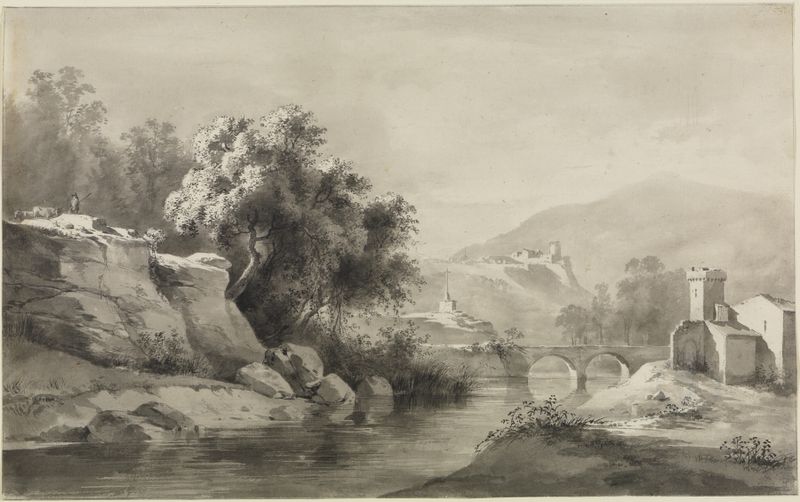
Flusslandschaft mit Doppelbogenbrücke und Kreuz
Jean-Jacques de Boissieu
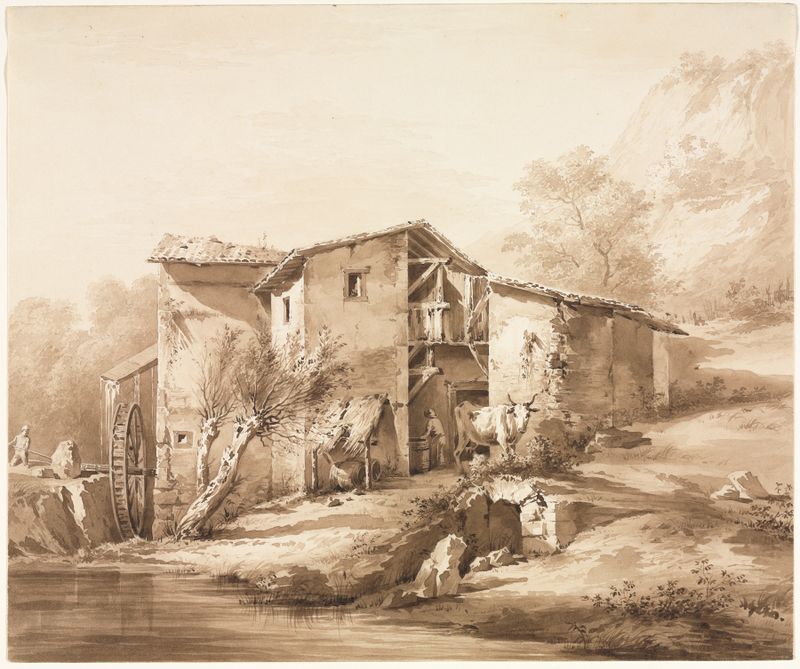
Landscape with Watermill
Jean-Jacques de Boissieu

Château Galliard
Jean-Jacques de Boissieu

Flußlandschaft bei L’Arbresle im Lyonnais
Jean-Jacques de Boissieu
Landscape near Dargoire
Jean-Jacques de Boissieu

Tree with leafless treetop
Jean-Jacques de Boissieu





