
Landscape with Trees — History & Facts
Such is the essence of fleeting memory, encapsulated within the gentle embrace of nature’s solitude. Focus on the rich hues that Rousseau employs, where deep greens mingle seamlessly with warm earth tones. Look to the left, where the sturdy oak trees stretch their limbs, arching gracefully toward the sky, their leaves whispering secrets of days long past. The painting reveals a soft play of light filtering through the foliage, casting dappled shadows upon the ground, inviting the viewer to step into a world caught between reality and reverie. The emotional tension lies in the contrast between the serene landscape and the underlying currents of melancholy.
Each tree stands sentinel, hinting at the weight of time that permeates the scene, evoking a profound sense of nostalgia. The delicate interplay of light and shadow accentuates the fragility of memory, suggesting that beauty often carries the burden of loss, just as the lush surroundings may conceal the fading echoes of what once was. In 1847, Rousseau painted this piece during a period when he was deeply engaged in the exploration of natural landscapes, seeking to capture their essence with authenticity. Living in France, he faced both personal challenges and a shifting art world that was moving towards impressionism.
This painting reflects his dedication to portraying the emotive power of nature, as Rousseau sought to evoke a genuine connection between the viewer and the landscape he cherished.
More Artworks by Théodore Rousseau
Browse all →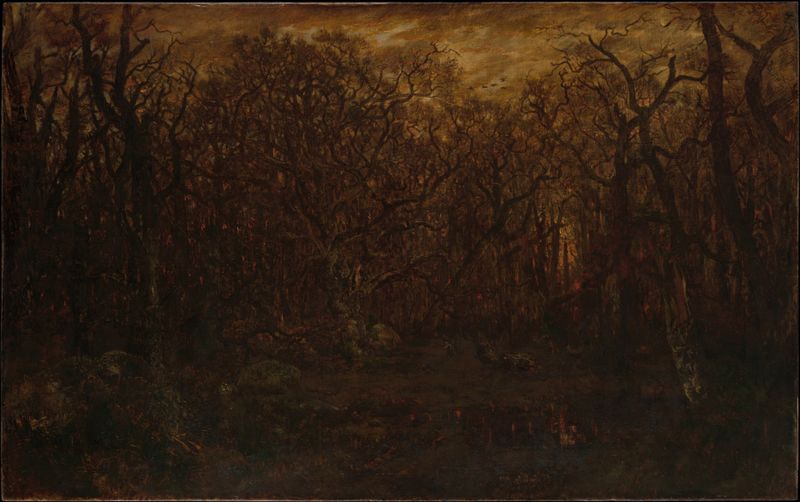
The Forest in Winter at Sunset
Théodore Rousseau
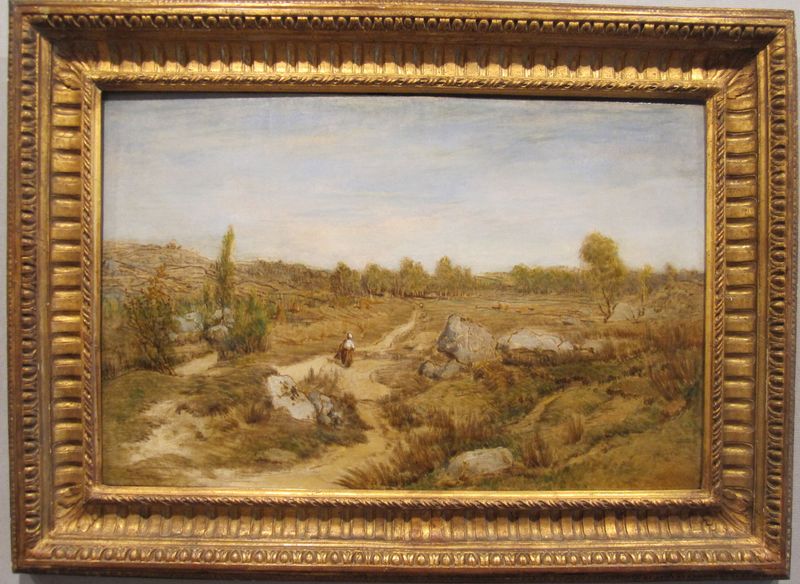
Valley of the Rouars in the Gorges d’Apremont
Théodore Rousseau
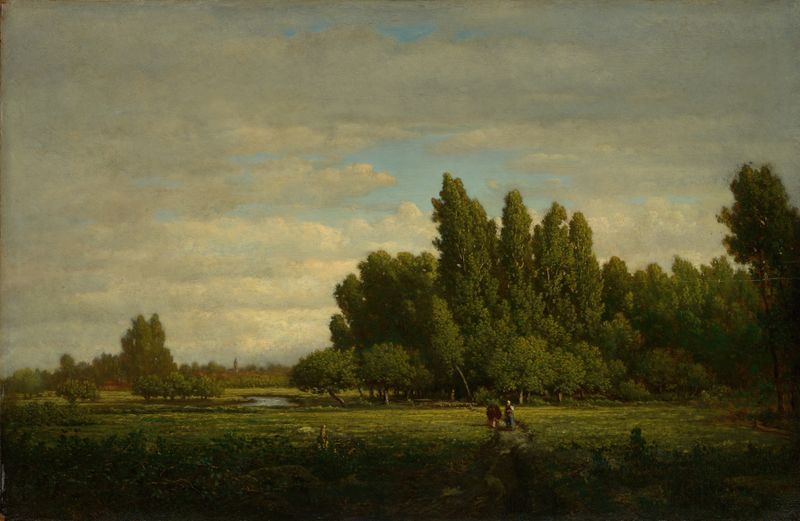
A Meadow Bordered by Trees
Théodore Rousseau
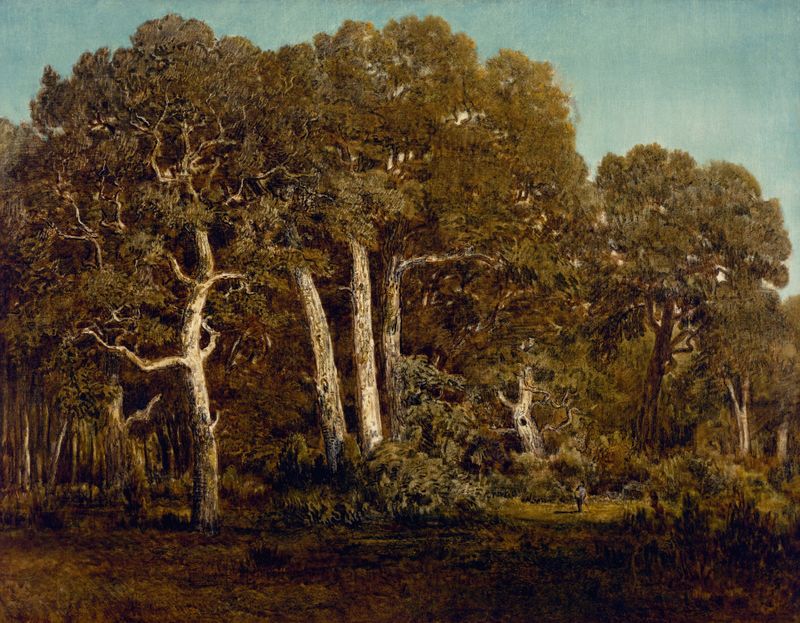
The Great Oaks of Old Bas-Bréau
Théodore Rousseau
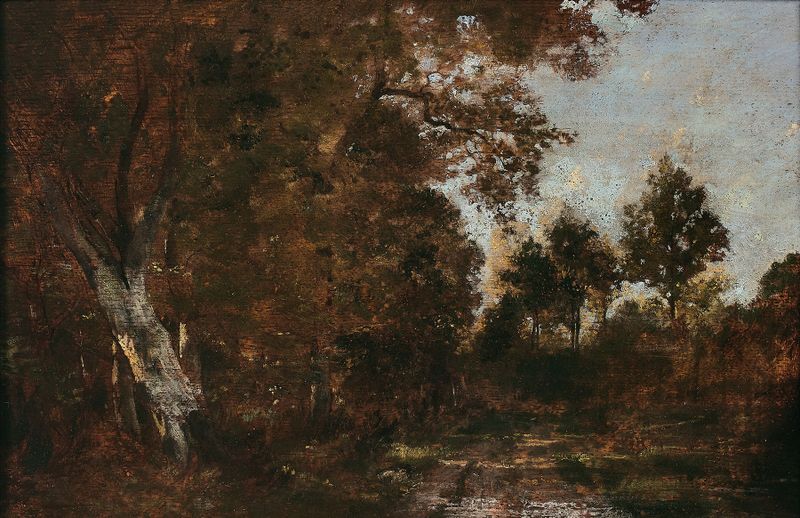
Paysage de sous-bois
Théodore Rousseau
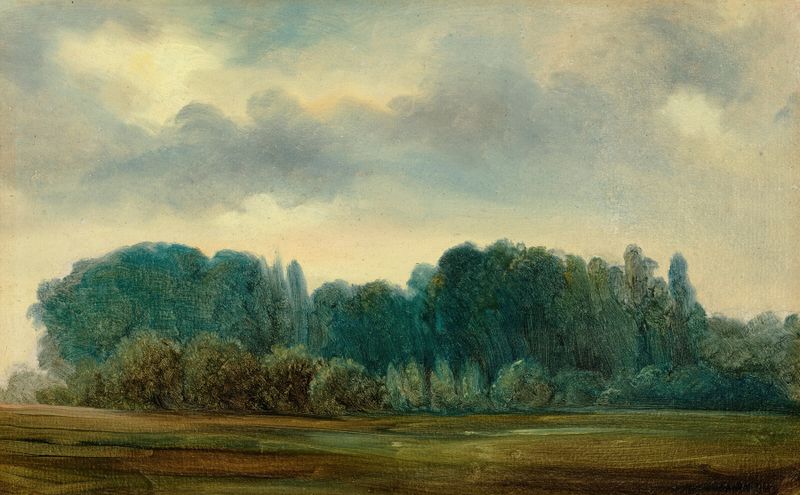
Paysage
Théodore Rousseau
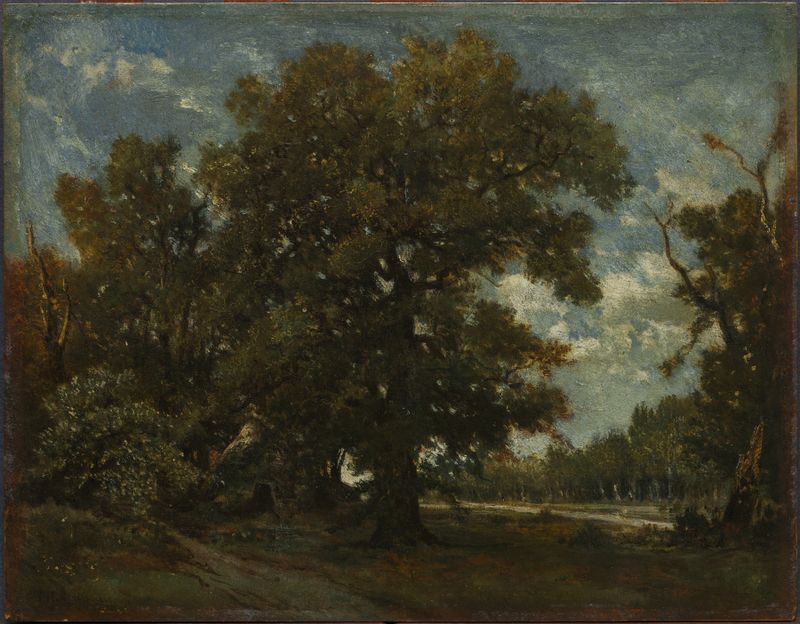
The Oak Tree
Théodore Rousseau
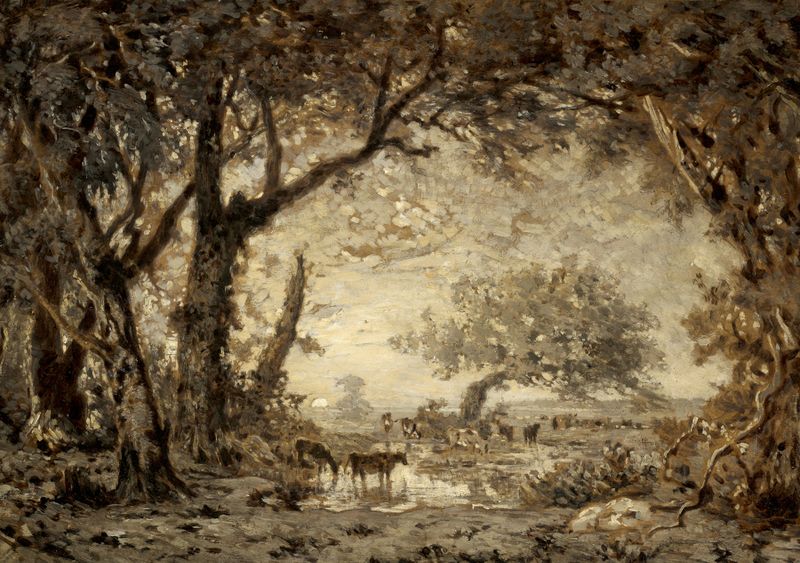
Sunset from the Forest of Fontainebleau
Théodore Rousseau
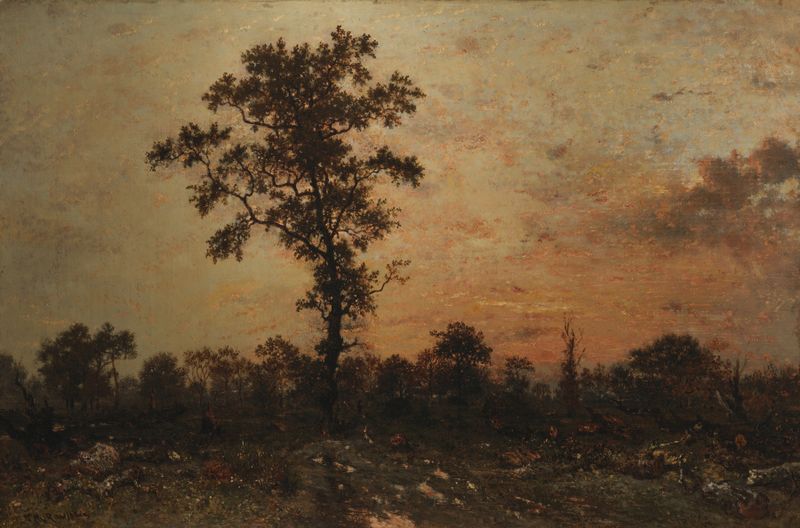
Edge of the Forest, Sun Setting
Théodore Rousseau
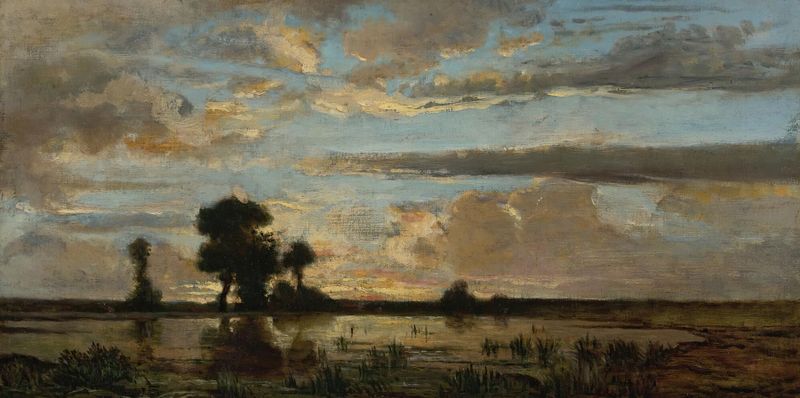
Soleil Couchant
Théodore Rousseau





