
Landscapes after old masters Pl.1 — History & Facts
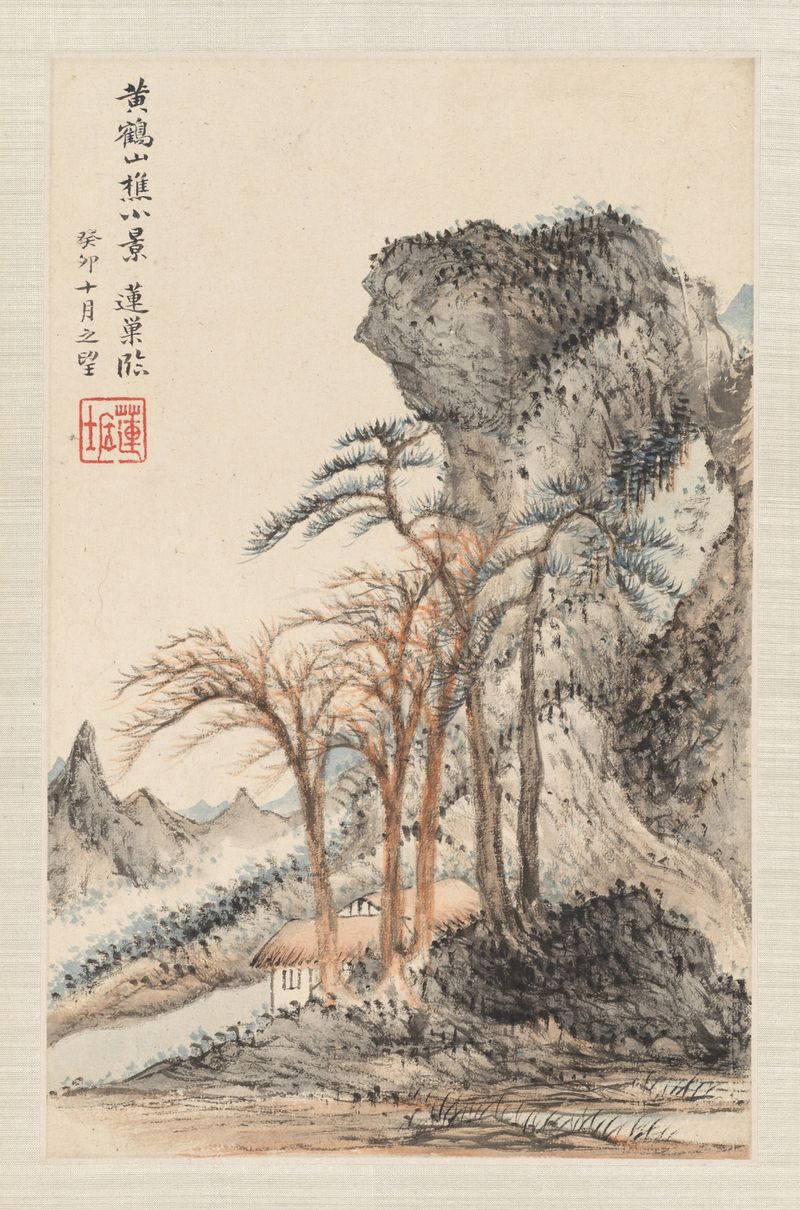
This haunting truth echoes through the interplay of elements in the artwork, inviting viewers to unravel layers of betrayal nestled within its serene facade. Look to the center, where soft, rolling hills cradle a tranquil river, its surface shimmering under a golden hue. The artist skillfully blends traditional techniques with a contemporary sensibility, using delicate brushwork and a muted palette that imbues the scene with a sense of nostalgia. The lush greens of the landscape contrast with the warm ochres of the sky, creating a harmonious yet unsettling atmosphere that encourages deeper contemplation. Yet, beneath this idyllic surface lies a tension that speaks of more than just aesthetic beauty.
The gentle curves of the hills can be seen as a metaphor for the deceptive nature of appearances, suggesting that what seems tranquil may harbor deeper conflicts. The river, a symbol of movement, contrasts with the stillness of the surrounding landscape, hinting at underlying currents of emotional betrayal that linger just below the surface, waiting to be acknowledged. In 1783, Pan Gongshou painted this piece during a time of political and social upheaval in China. As China faced the complexities of transition from the Qing dynasty, the artist engaged with traditional themes while infusing them with personal interpretations of loss and fidelity.
This period saw a heightened interest in blending classical styles with emerging ideas, positioning Gongshou as a vital contributor to the evolving landscape of Chinese art.
More Artworks by Pan Gongshou
Browse all →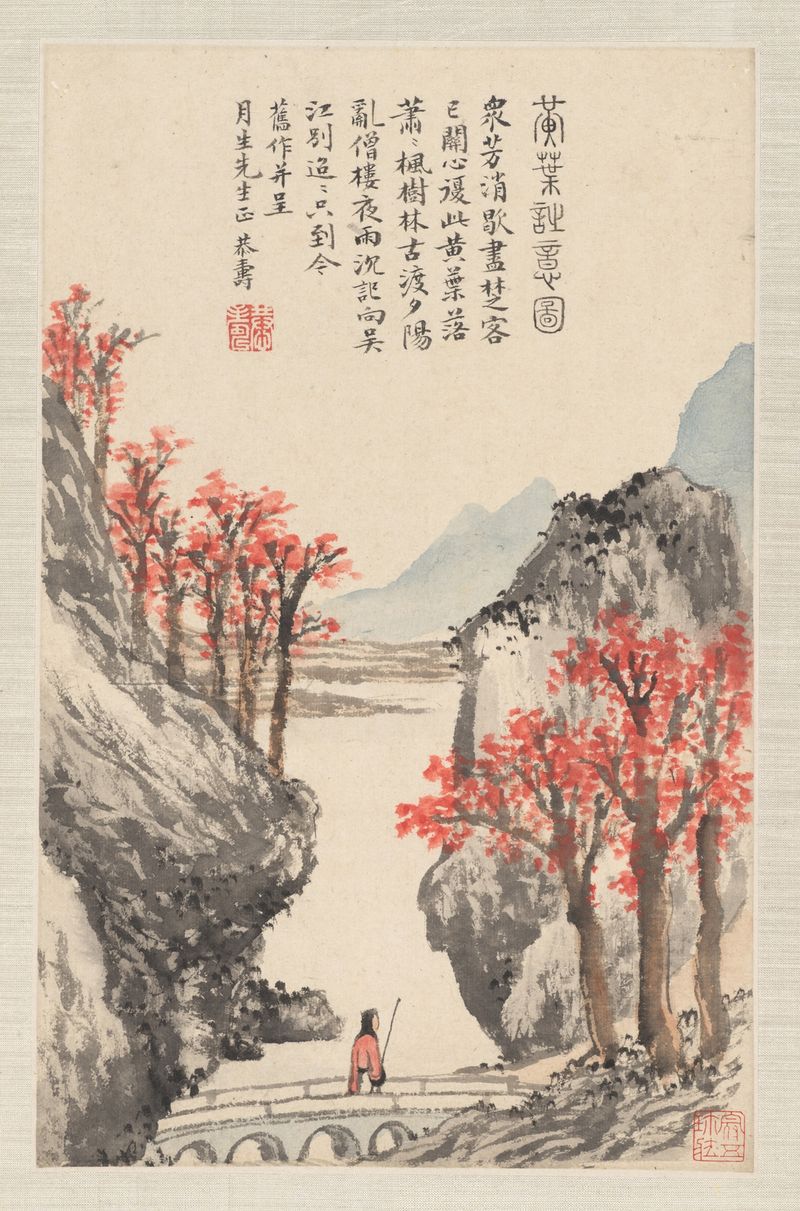
Landscapes after old masters Pl.7
Pan Gongshou
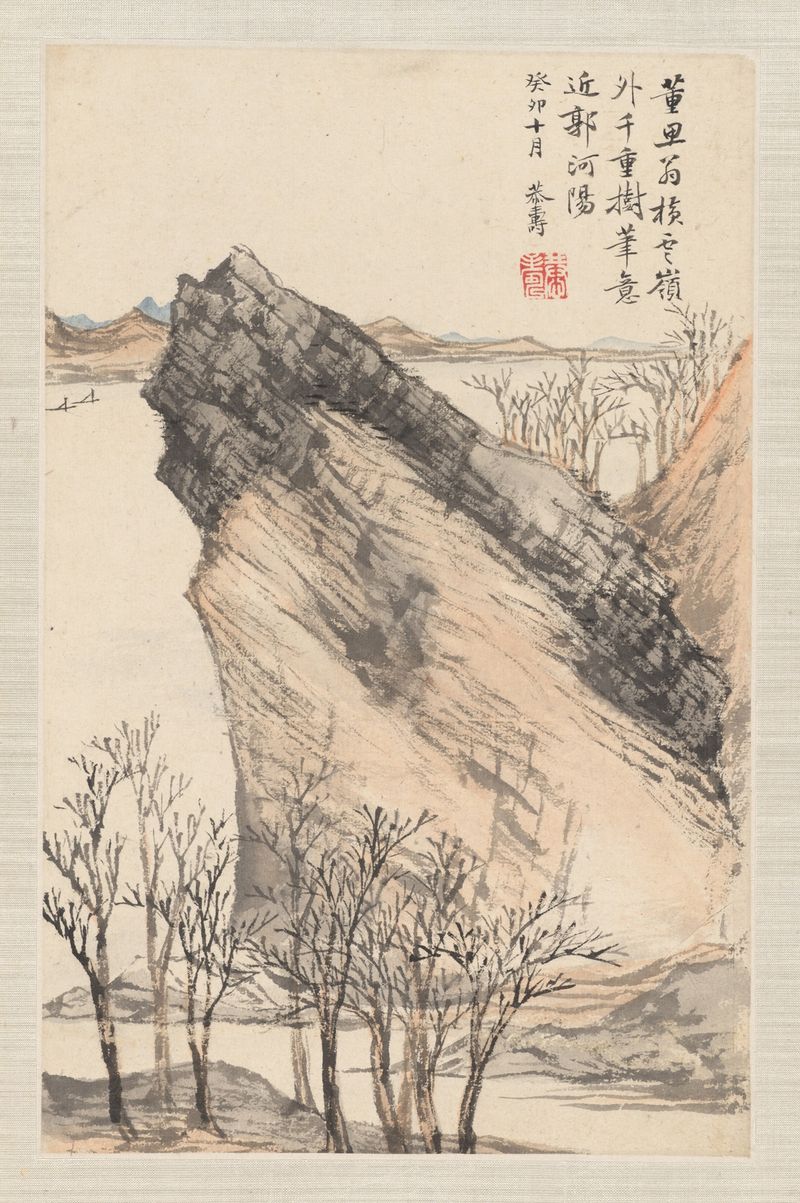
Landscapes after old masters Pl.4
Pan Gongshou
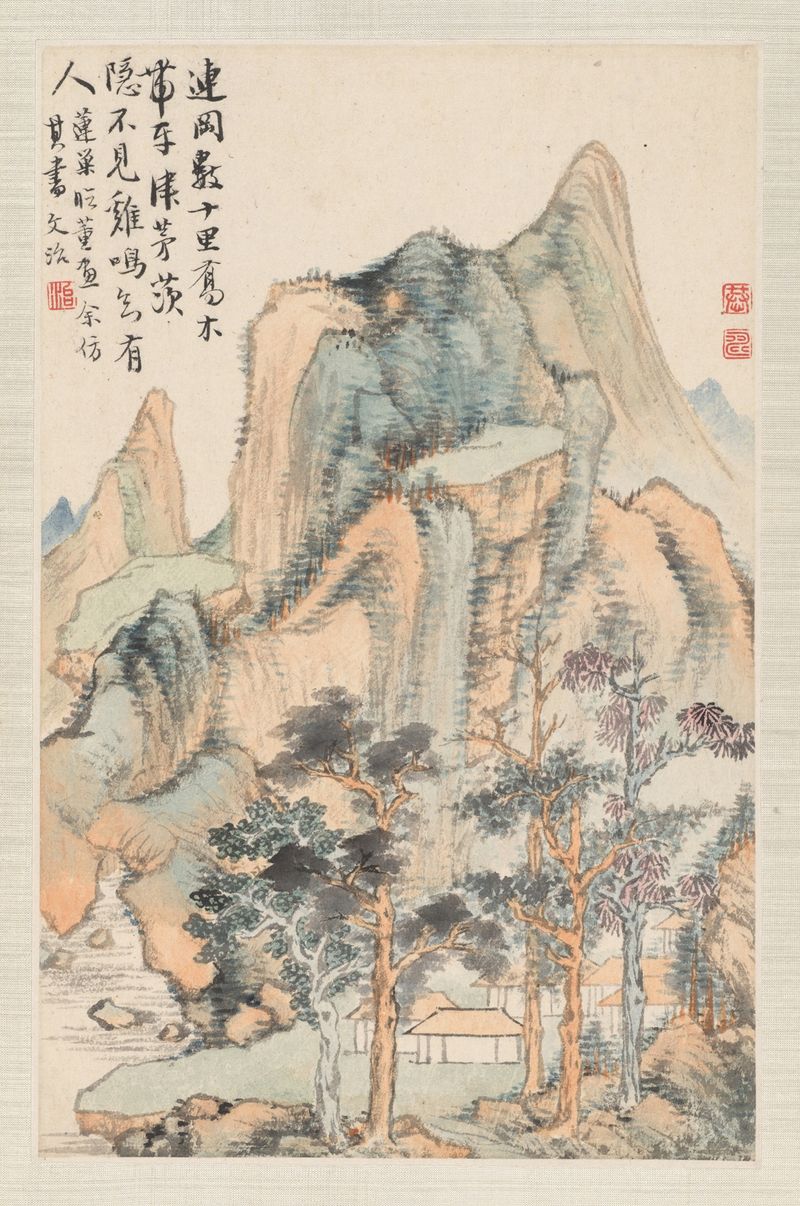
Landscapes after old masters Pl.6
Pan Gongshou
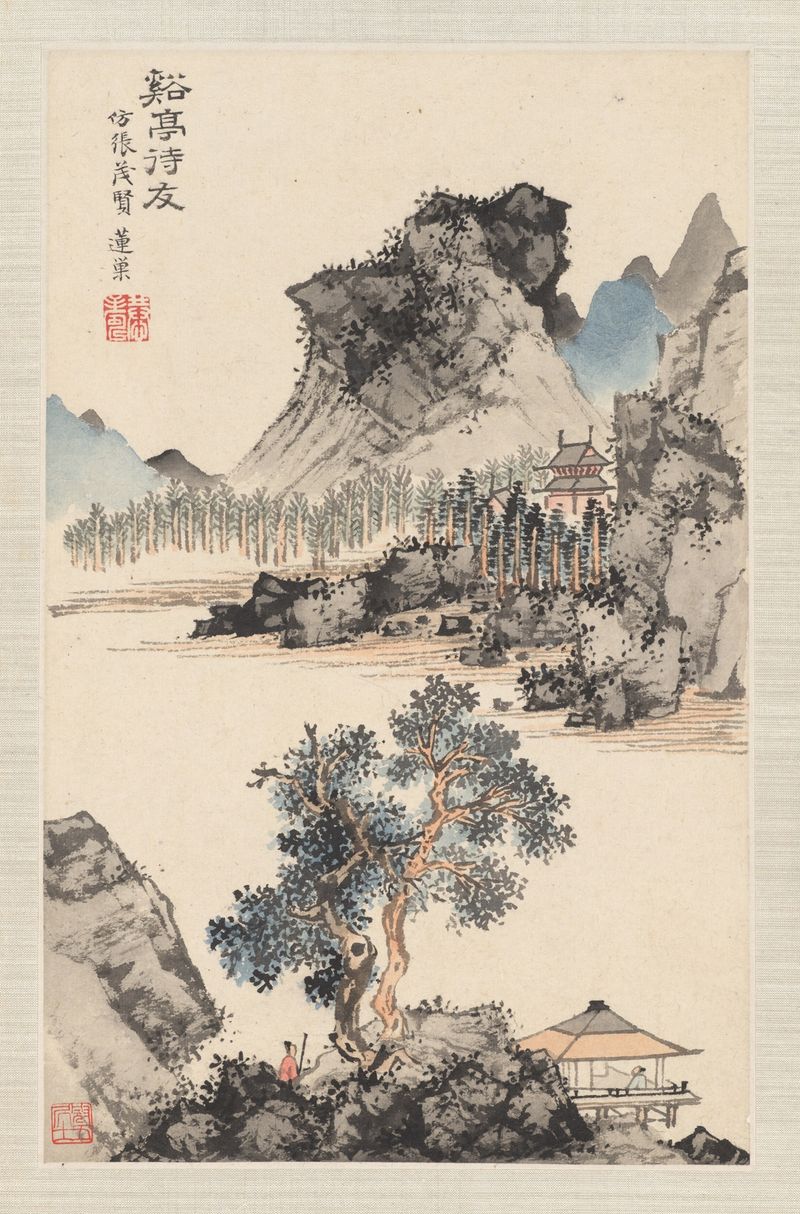
Landscapes after old masters Pl.5
Pan Gongshou

Landscapes after old masters Pl.3
Pan Gongshou
Landscapes after old masters Pl.2
Pan Gongshou

Landscapes after old masters Pl.8
Pan Gongshou





