
Landscapes after old masters Pl.8 — History & Facts
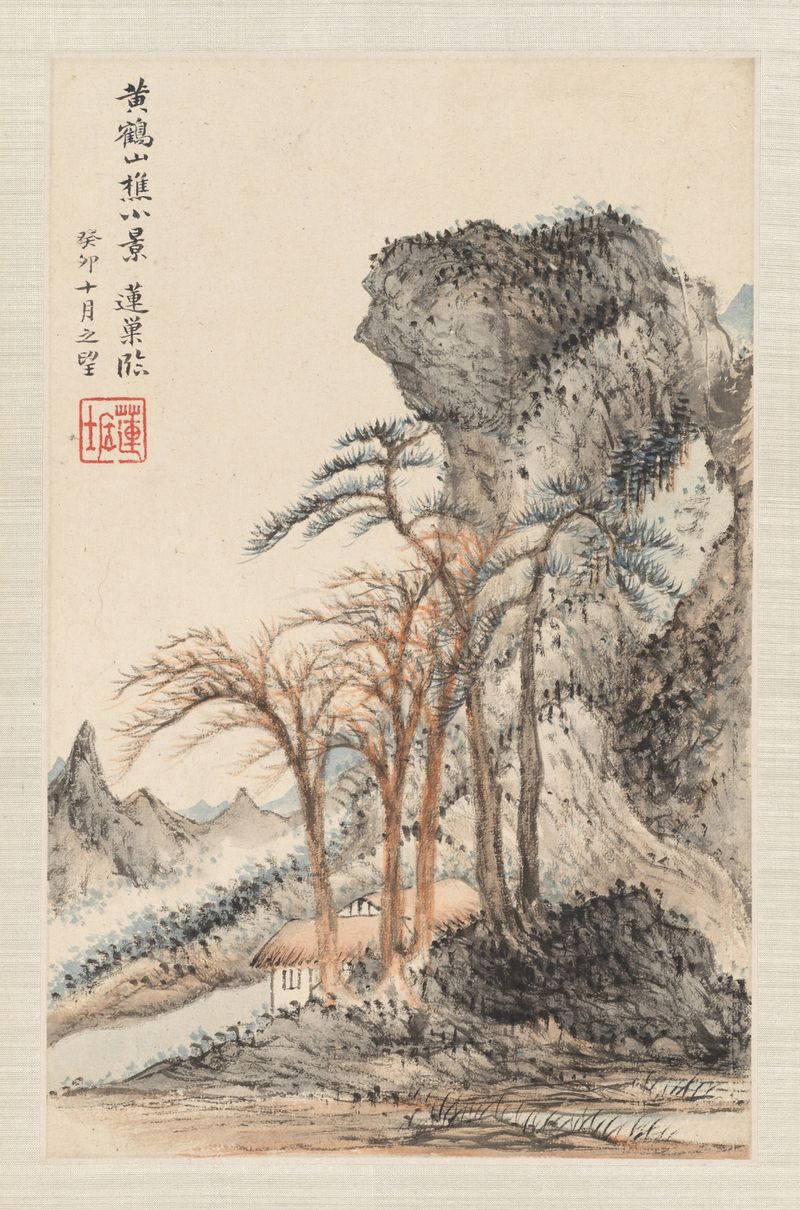
The weight of decay hangs in the air, like an unspoken truth waiting to emerge. What stories are etched into the surfaces of this forgotten landscape, and what remnants of life whisper their secrets? Look to the upper left, where the hues of green fade into brittle browns, hinting at nature's slow surrender. The brushwork, a delicate balance of precision and looseness, captures the essence of an aging world.
Notice how the muted colors blend seamlessly, a reminder of time's relentless passage, as shadows elongate across the canvas, creating a stark contrast between vitality and decline. This artwork invites contemplation of transience; the fading beauty of the landscape reflects the impermanence of all things. The crumbling edifices and sparse vegetation evoke a sense of nostalgia, suggesting a lost grandeur that lingers in memory. Each stroke seems to echo the life that once flourished, now reduced to whispers of its former self—a poignant commentary on the cycle of creation and decay. In 1783, Pan Gongshou was navigating the complexities of the Qing dynasty art scene, blending traditional techniques with personal innovation.
This period marked a growing interest in landscapes, influenced by both the old masters and the emerging styles of his contemporaries. As he painted, the world around him was shifting; societal changes prompted artists to explore themes like impermanence and the relationship between humanity and nature.
More Artworks by Pan Gongshou
Browse all →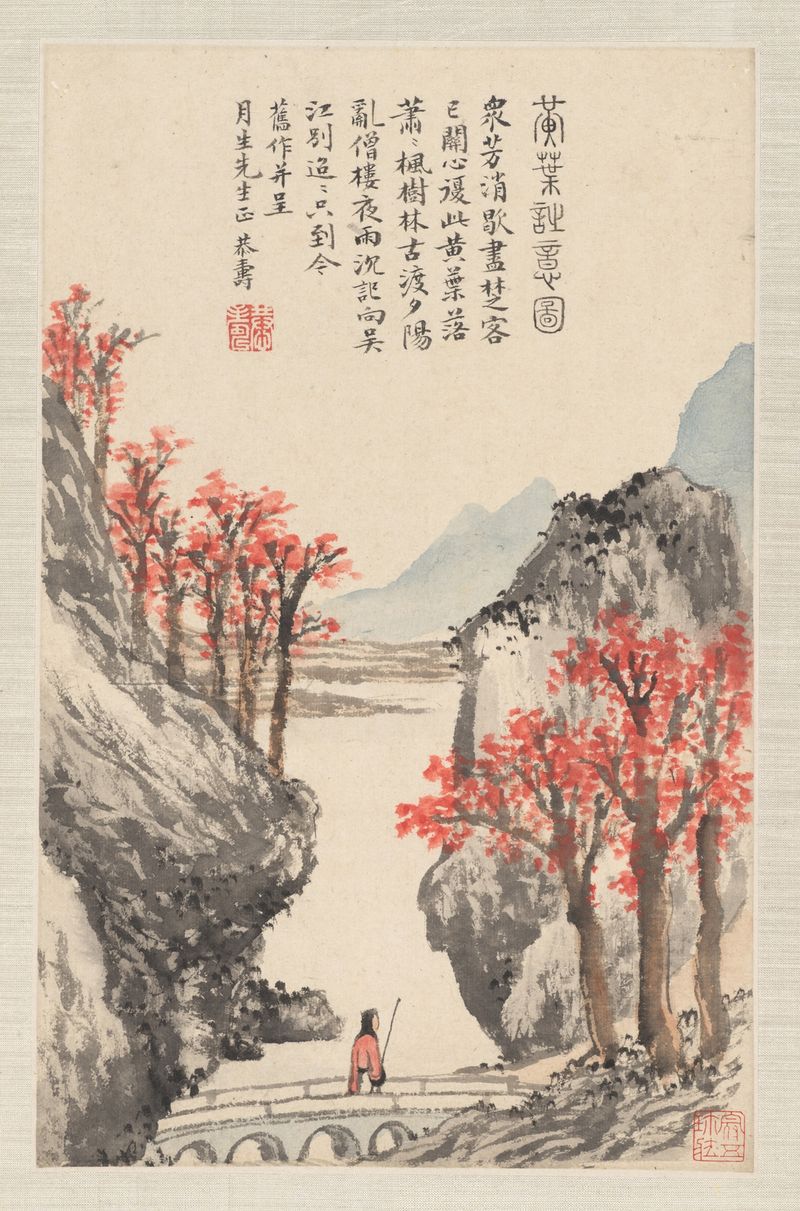
Landscapes after old masters Pl.7
Pan Gongshou
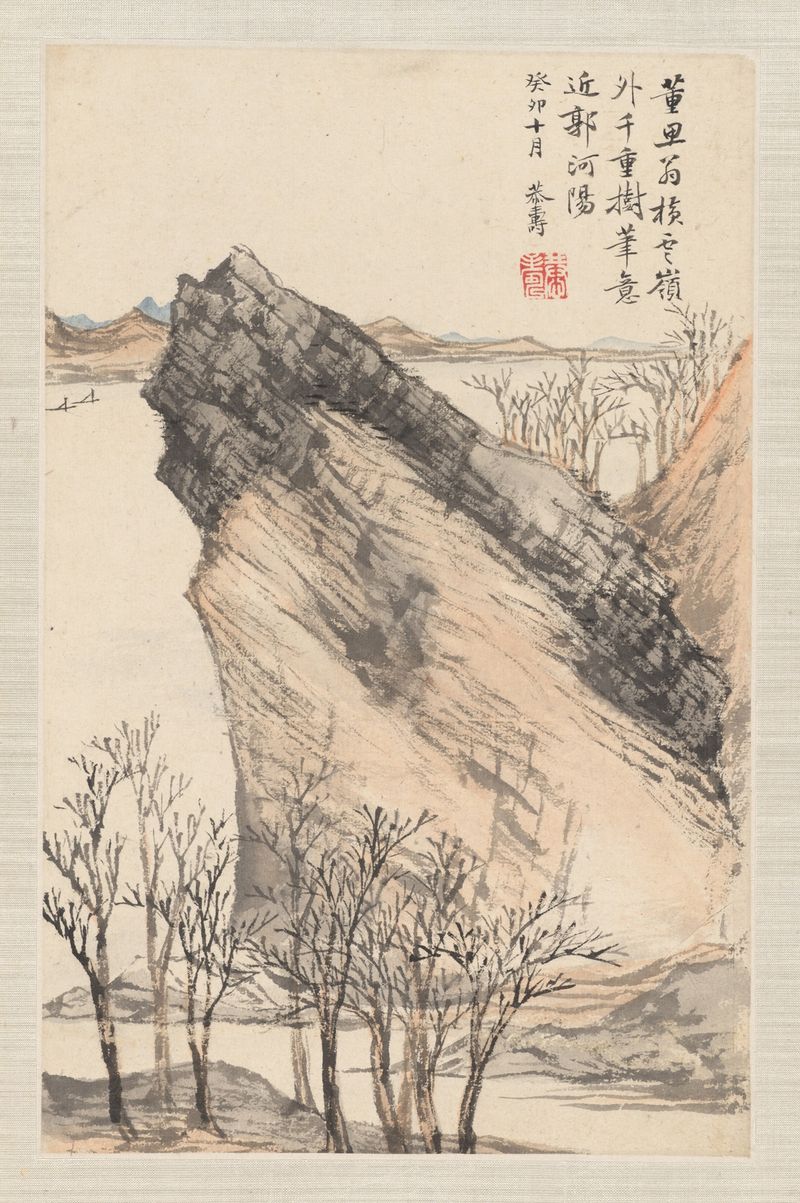
Landscapes after old masters Pl.4
Pan Gongshou
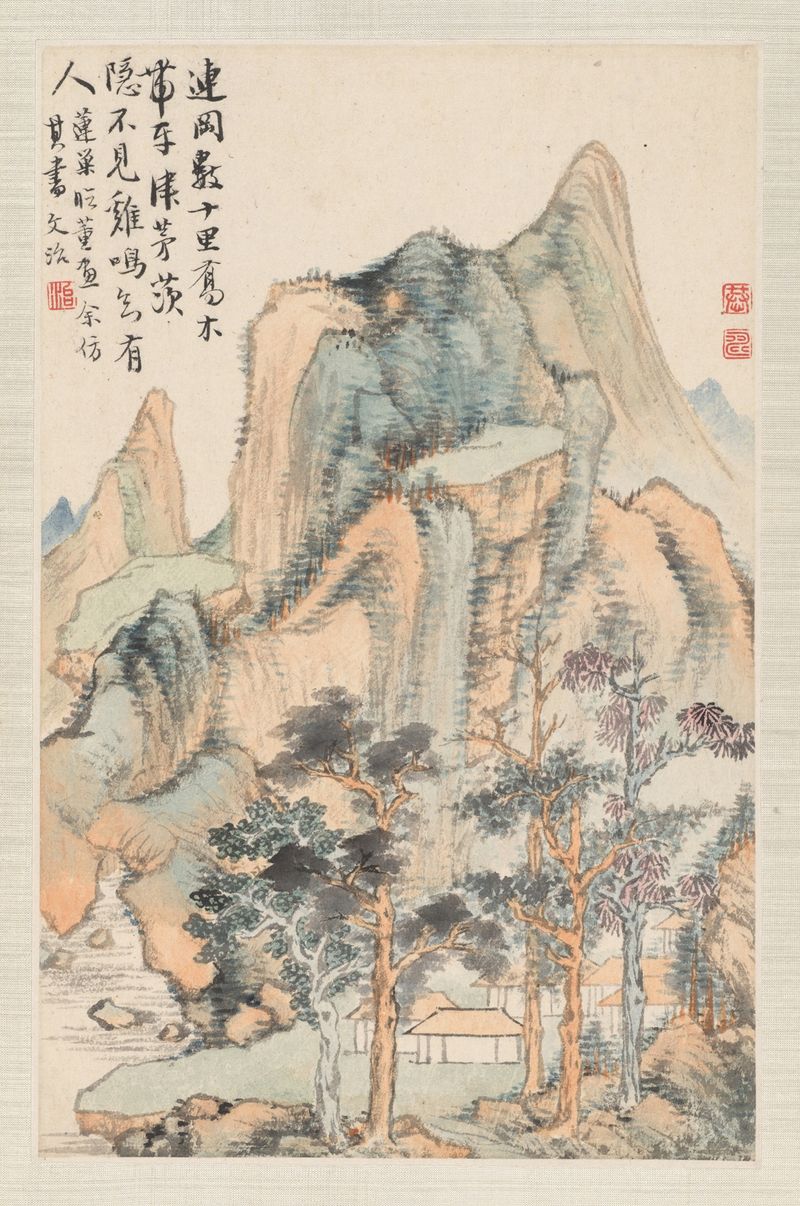
Landscapes after old masters Pl.6
Pan Gongshou
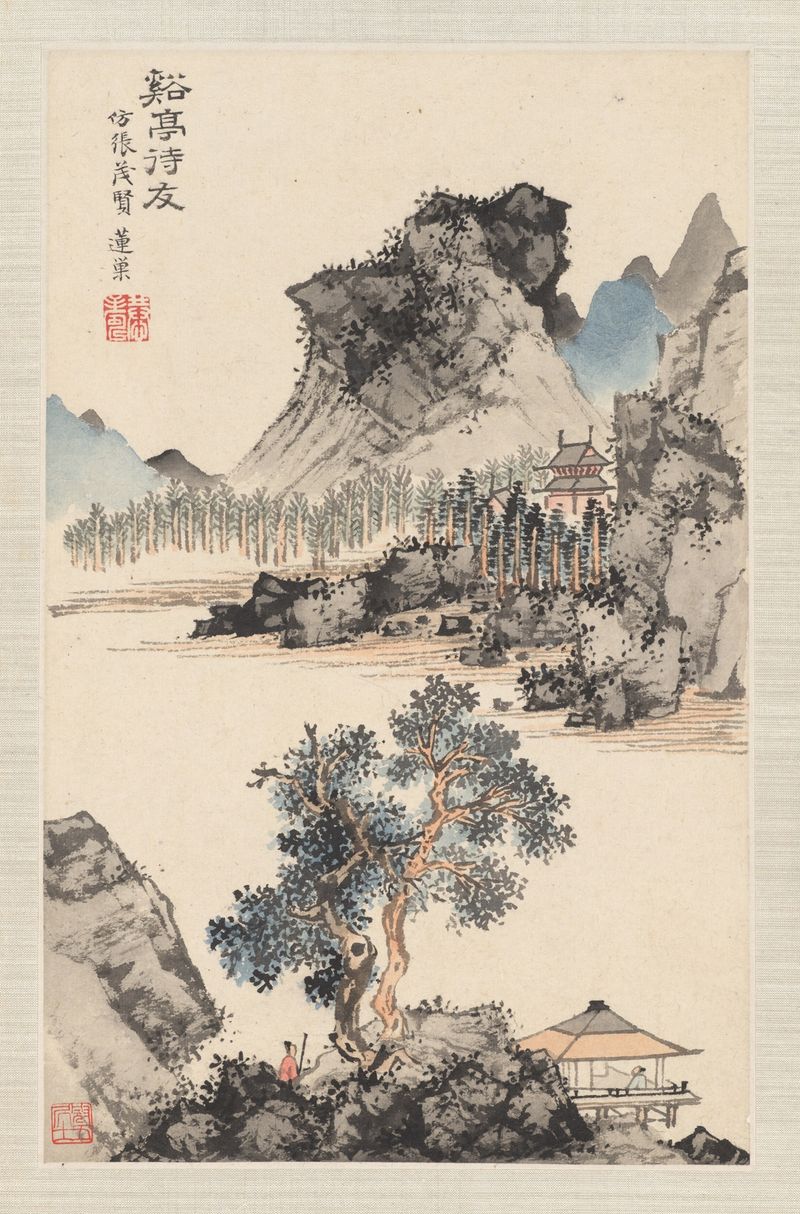
Landscapes after old masters Pl.5
Pan Gongshou

Landscapes after old masters Pl.3
Pan Gongshou
Landscapes after old masters Pl.2
Pan Gongshou

Landscapes after old masters Pl.1
Pan Gongshou





