
Landscapes after old masters Pl.3 — History & Facts
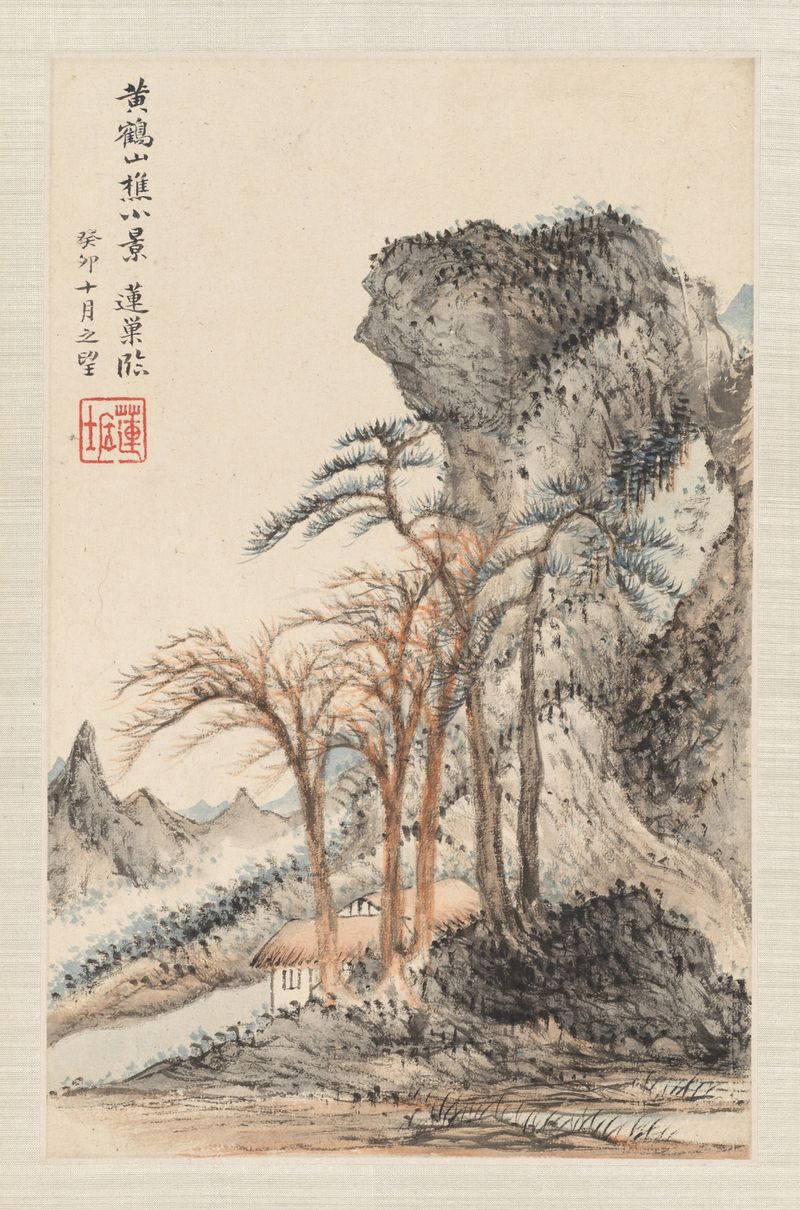
When did color learn to lie? In the delicate interplay of shadows and hues, one might question the authenticity of what is seen versus what is felt. Focus on the intricate brushwork on the left, where soft greens and blues intertwine, creating a serene expanse that feels both familiar and dreamlike. Notice how the subtle gradations of color bleed into one another, blurring the boundaries between the earth and sky. The composition draws your eye to the horizon, where the pastel shades suggest a flickering light, inviting contemplation and imbuing the landscape with a sense of longing. Hidden within this ethereal setting are contrasts that reveal deeper emotional layers.
The softness of the clouds speaks to tranquility, yet the jagged cliffs beneath them remind us of nature’s untamed spirit. Each stroke hints at the tension between serenity and chaos, while the choice of colors evokes varying moods — from the peaceful stillness of dawn to the underlying restlessness of twilight. Here, creation itself becomes a dialogue between the viewer's perception and the artist's expression. In 1783, Pan Gongshou was at a pivotal moment in his career as he navigated the complexities of blending traditional techniques with emerging styles in Chinese landscape painting.
This work reflects a desire to engage with the artistic legacies of the past while also exploring new interpretations of nature. During this time, as the Qing Dynasty flourished, the vibrant exchange of ideas and culture influenced artists seeking to capture not just the visual, but the emotional essence of their subjects.
More Artworks by Pan Gongshou
Browse all →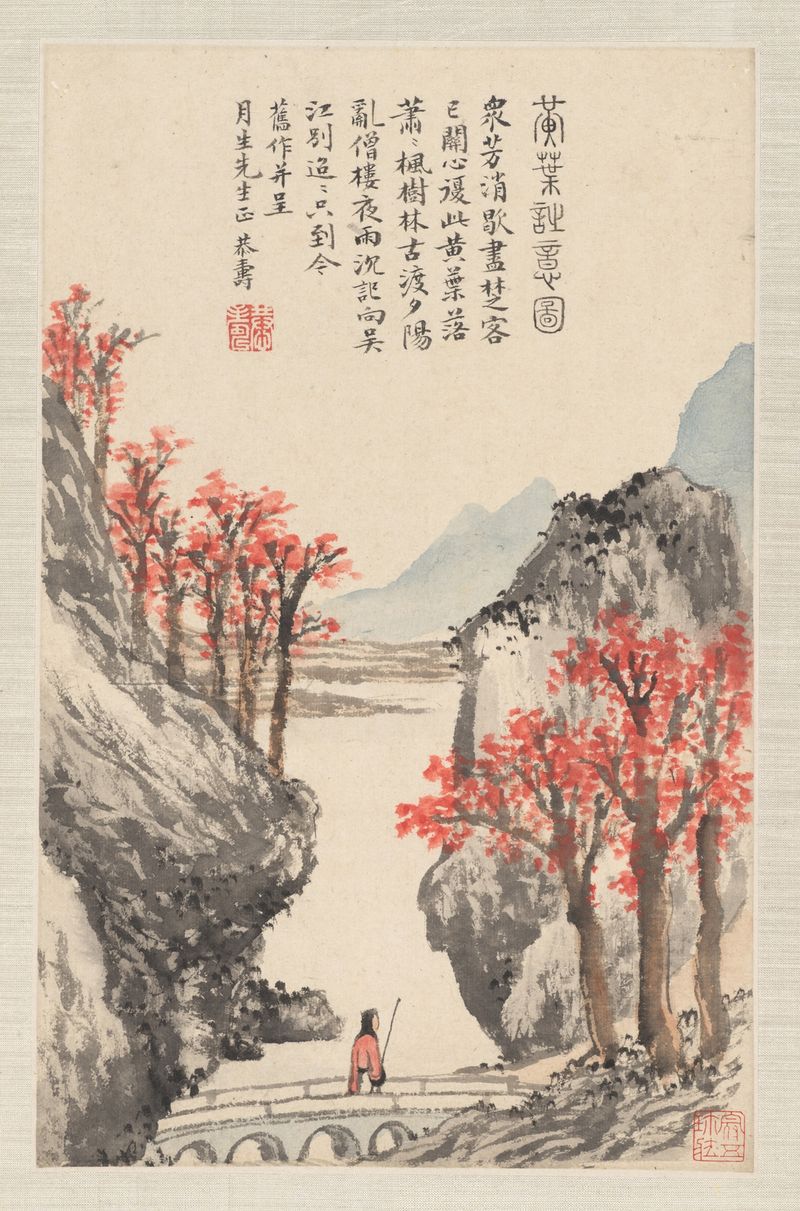
Landscapes after old masters Pl.7
Pan Gongshou
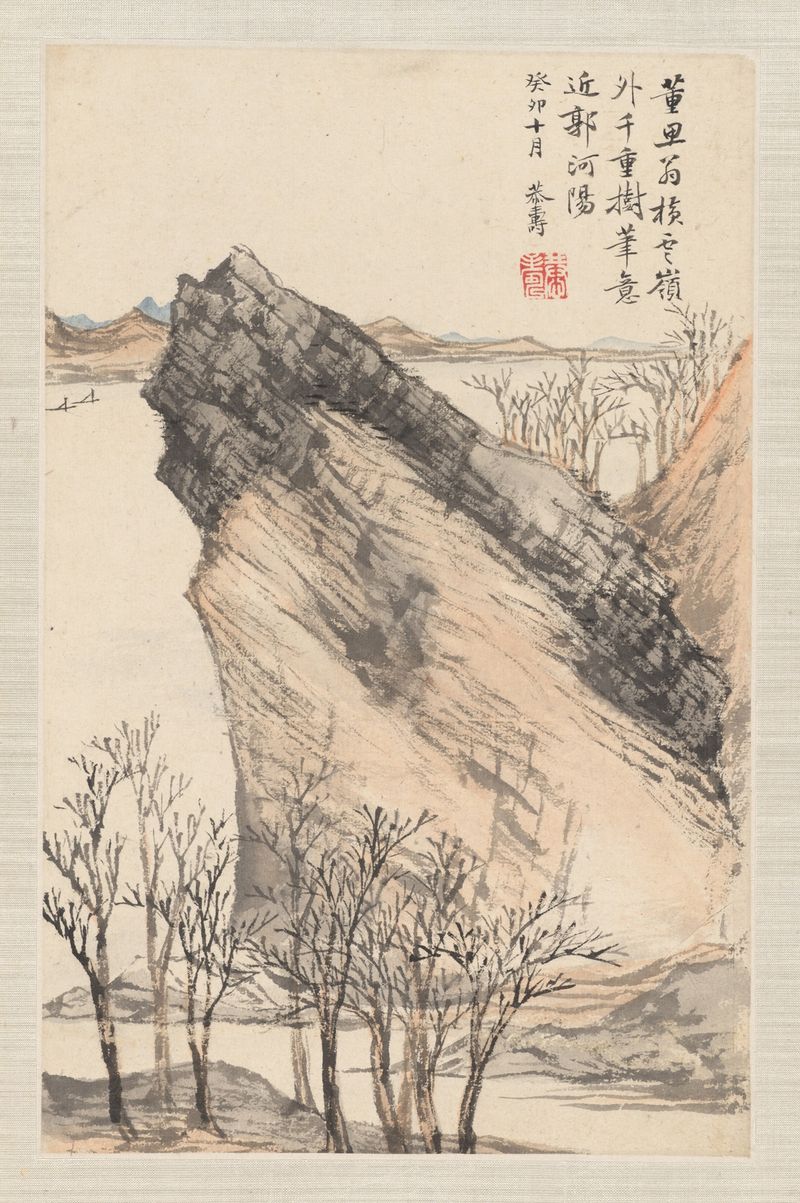
Landscapes after old masters Pl.4
Pan Gongshou
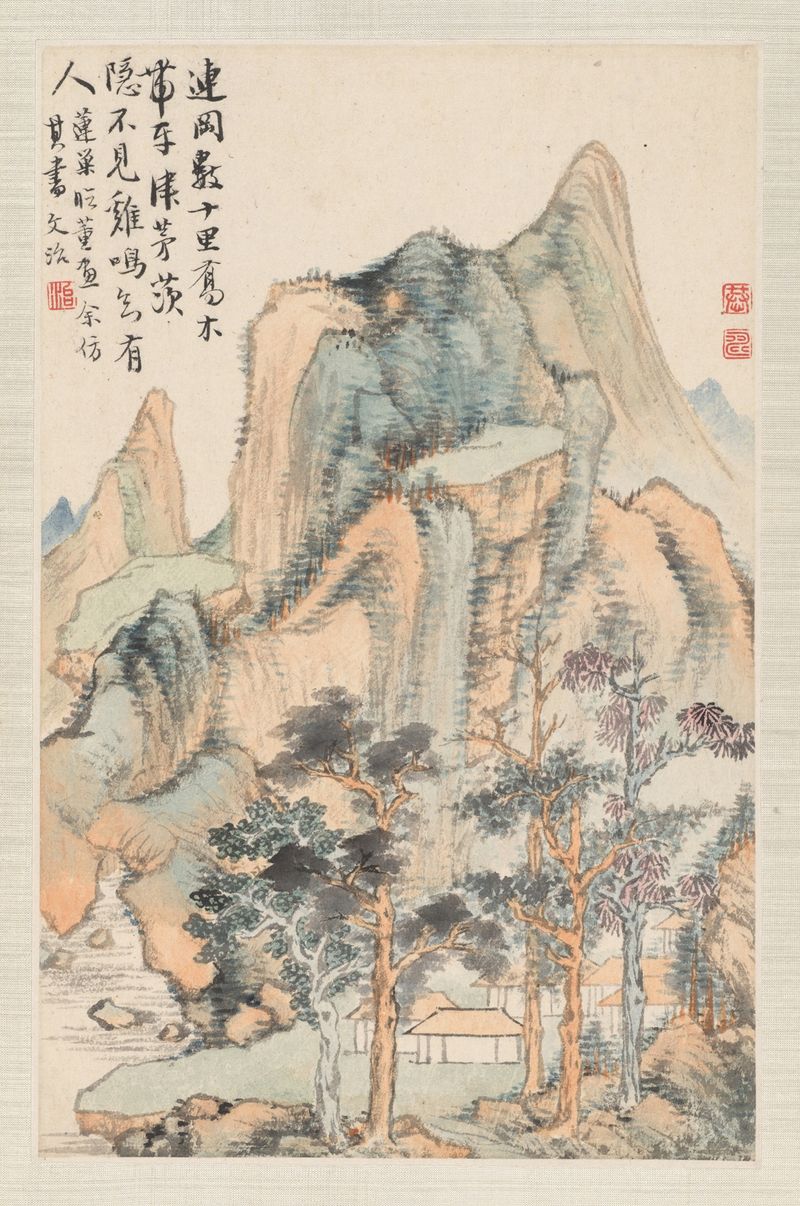
Landscapes after old masters Pl.6
Pan Gongshou
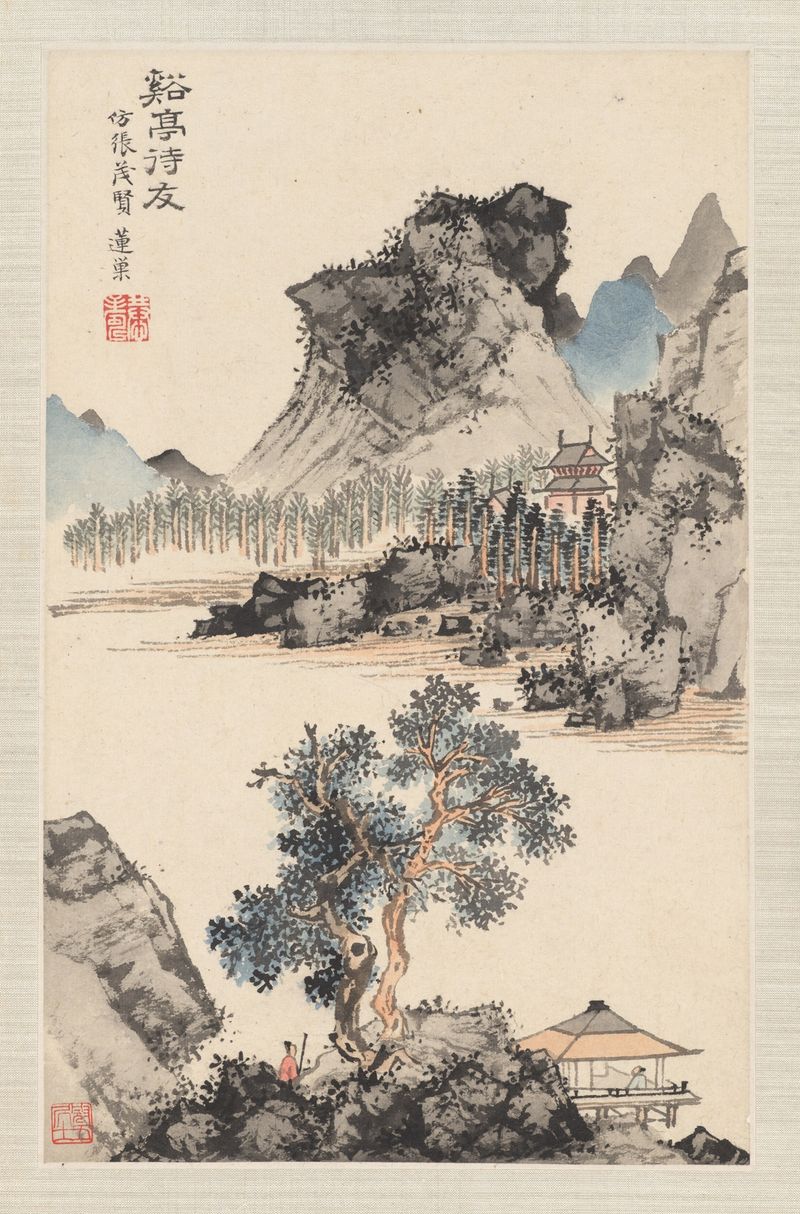
Landscapes after old masters Pl.5
Pan Gongshou
Landscapes after old masters Pl.2
Pan Gongshou

Landscapes after old masters Pl.8
Pan Gongshou

Landscapes after old masters Pl.1
Pan Gongshou





