
Landscapes after old masters Pl.5 — History & Facts
In the delicate balance of brush and pigment, time stands still, inviting contemplation and connection. The interplay between past and present unfolds like a whispered secret, evoking a sense of harmony that transcends eras. Focus on the tranquil beauty of the landscape, where the soft hues of green and blue merge seamlessly on the canvas. Look closely at the horizon, where gentle wisps of cloud float lazily over the rolling hills, their forms almost ethereal.
Notice how the light dances across the surface, casting delicate shadows that breathe life into the scene, leading your eye deeper into the verdant expanse. The composition embodies a masterful technique, echoing the styles of the old masters while establishing a unique voice that speaks of quiet strength. Within this serene vista lies a tension between the familiar and the unknown. The juxtaposition of natural elements suggests a profound dialogue; the mountains stand as ancient guardians, while the delicate flowers at the forefront symbolize the fleeting nature of beauty and existence.
This tension is a reminder of the cycles of life and art, a reflection of the balance that must be maintained in the world — both in nature and in human creativity. Painted in 1783, this work emerged from Pan Gongshou's deep engagement with the traditions of Chinese landscape painting, during a period when Western influences began to permeate the art world. Living in a time where historical reverence met the currents of change, the artist sought to harmonize these influences, creating a dialogue that celebrated the past while boldly stepping into the future.
More Artworks by Pan Gongshou
Browse all →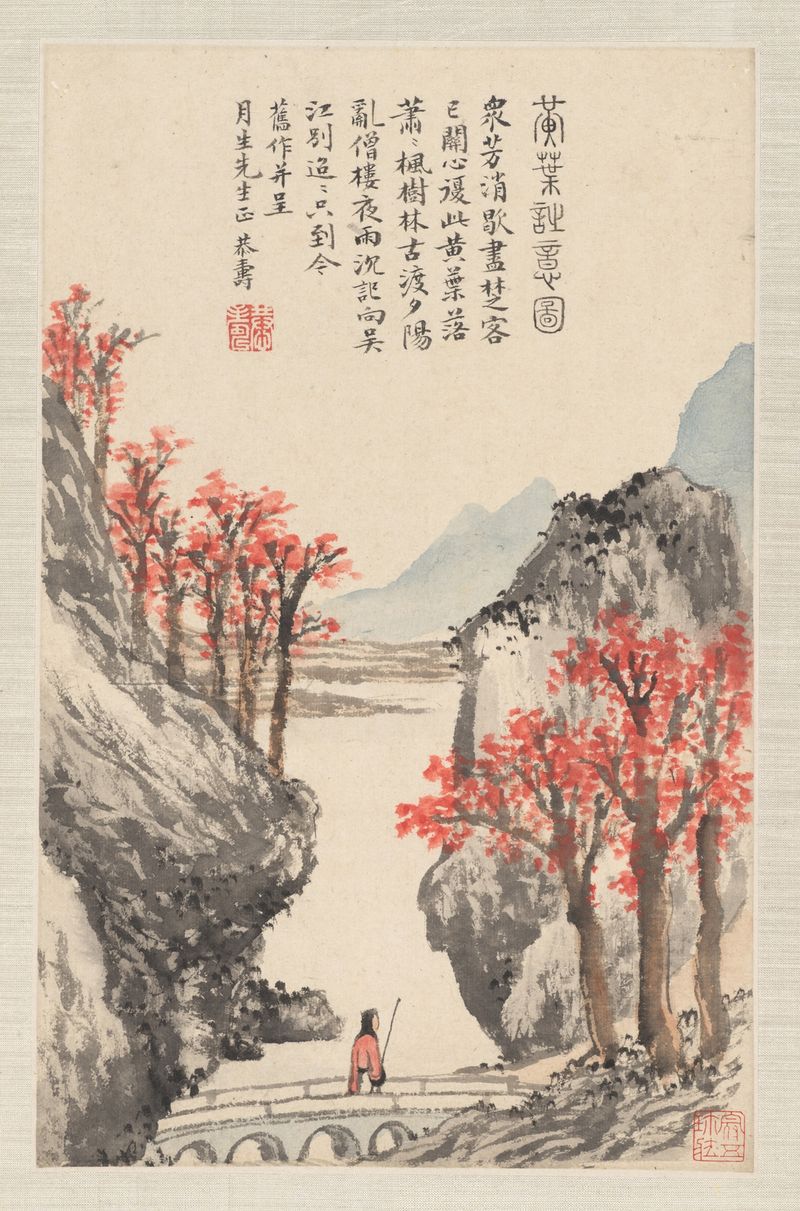
Landscapes after old masters Pl.7
Pan Gongshou
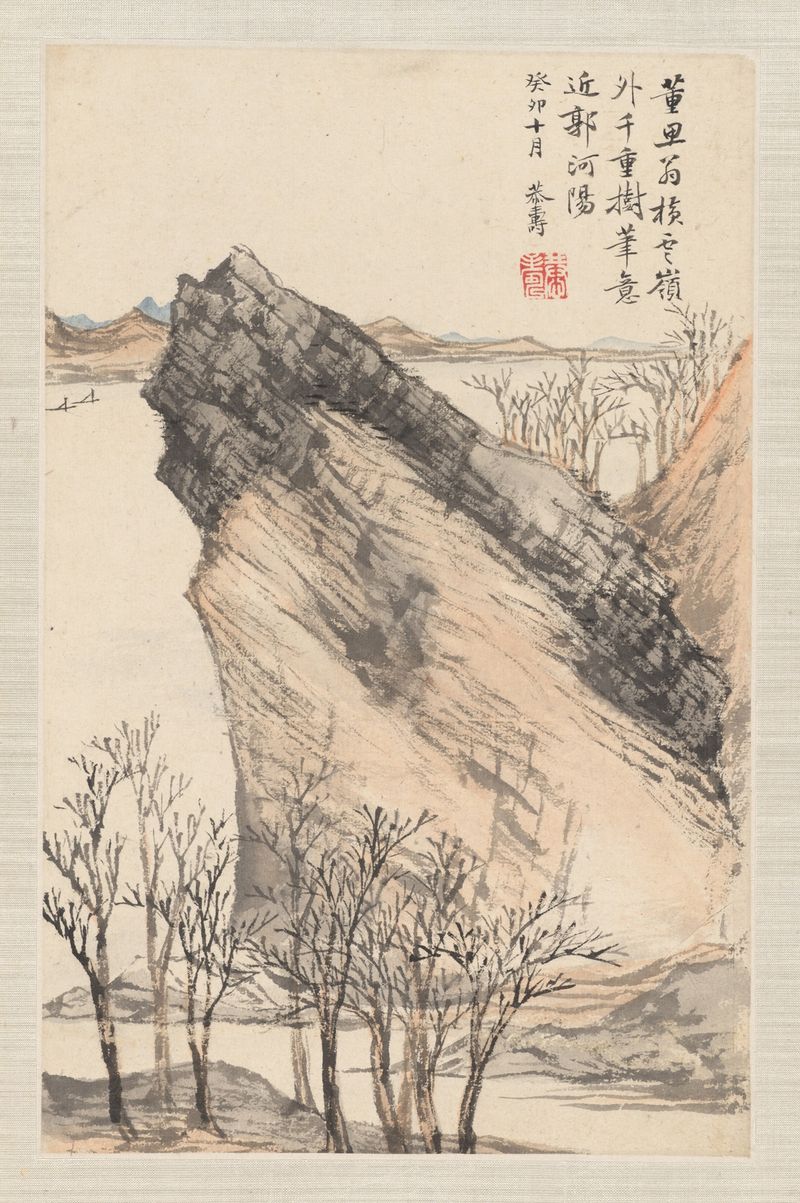
Landscapes after old masters Pl.4
Pan Gongshou
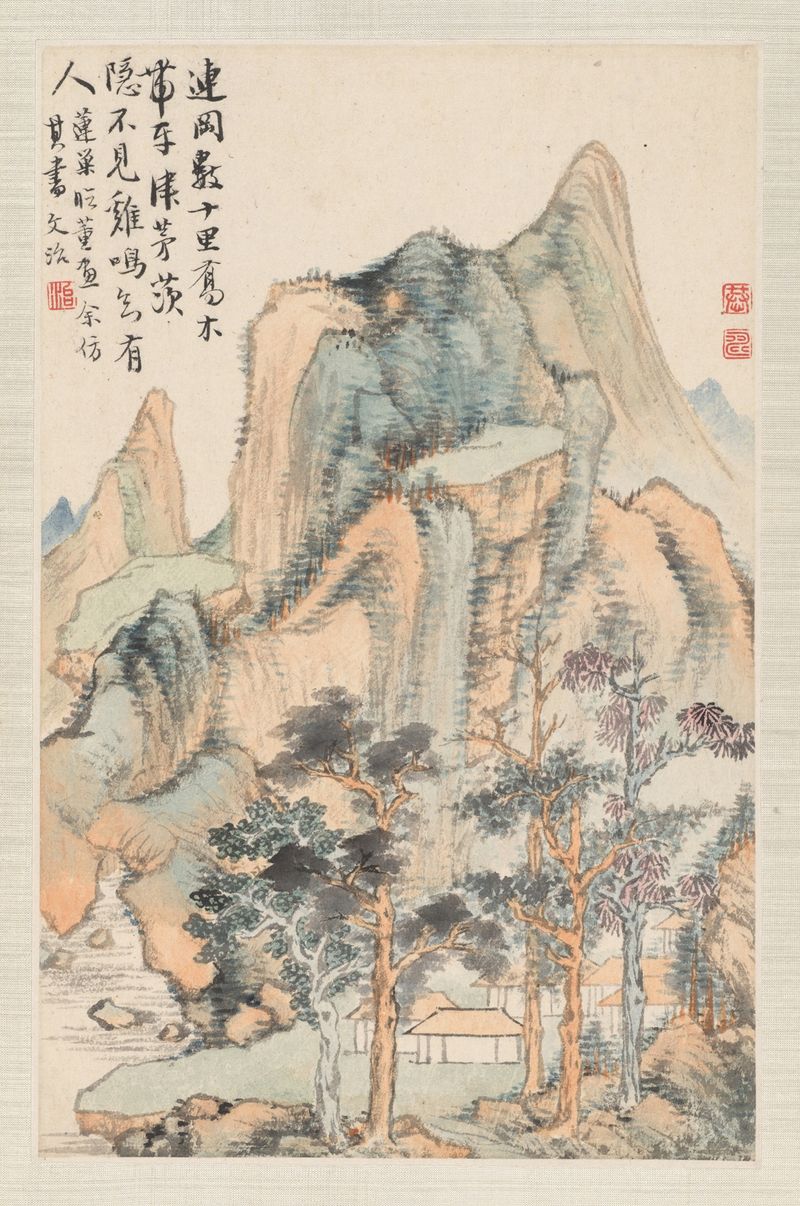
Landscapes after old masters Pl.6
Pan Gongshou

Landscapes after old masters Pl.3
Pan Gongshou
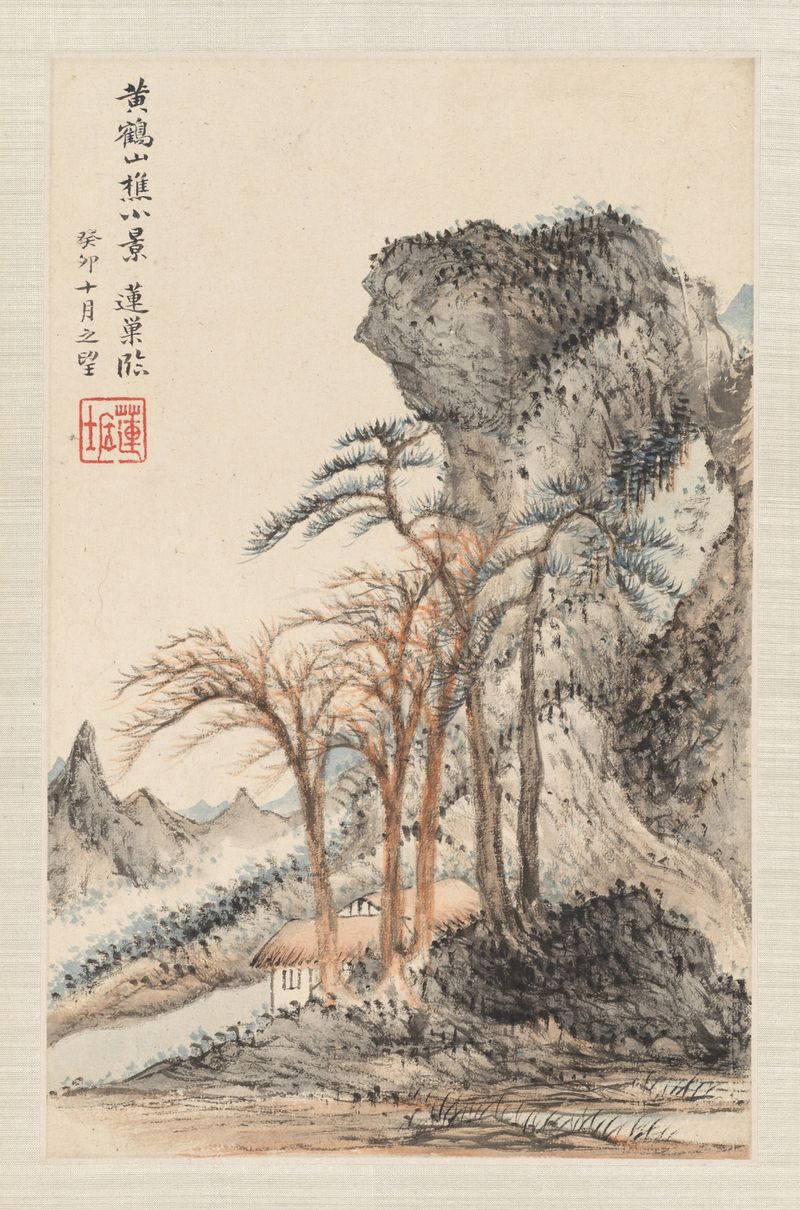
Landscapes after old masters Pl.2
Pan Gongshou

Landscapes after old masters Pl.8
Pan Gongshou

Landscapes after old masters Pl.1
Pan Gongshou





