
Landscapes after old masters Pl.7 — History & Facts
In the delicate balance between reality and illusion, Pan Gongshou invites us to explore a world that dances upon the edge of perception, where the landscapes breathe with a history yet to unfold. Look to the left at the sweeping vistas, where lush greens and earthy browns intertwine, portraying a vibrant landscape that feels both familiar and dreamlike. Notice how the layered brushstrokes create a sense of depth, pulling the eye toward a distant horizon that teeters on the brink of abstraction. The subtle play of light and shadow enhances the illusion of space, while the soft wash of colors suggests harmony within a meticulously structured composition. Yet, beneath this serene surface, emotional tensions simmer.
The juxtaposition of illusion and reality speaks to the viewer's longing for connection with the past, as the work echoes the styles of old masters while asserting its individuality. The scattered elements within the scene, like a lone figure or a weathered tree, hint at stories untold, invoking memories intertwined with the beauty of nature and the passage of time. Created in 1783, this artwork emerged during a period of significant cultural exchange in China, where traditional aesthetics met new influences from the West. Pan Gongshou, known for his innovative approach to landscape painting, sought to bridge these worlds, crafting a narrative that reflects both the lineage of his predecessors and the evolving artistic landscape of his own time.
More Artworks by Pan Gongshou
Browse all →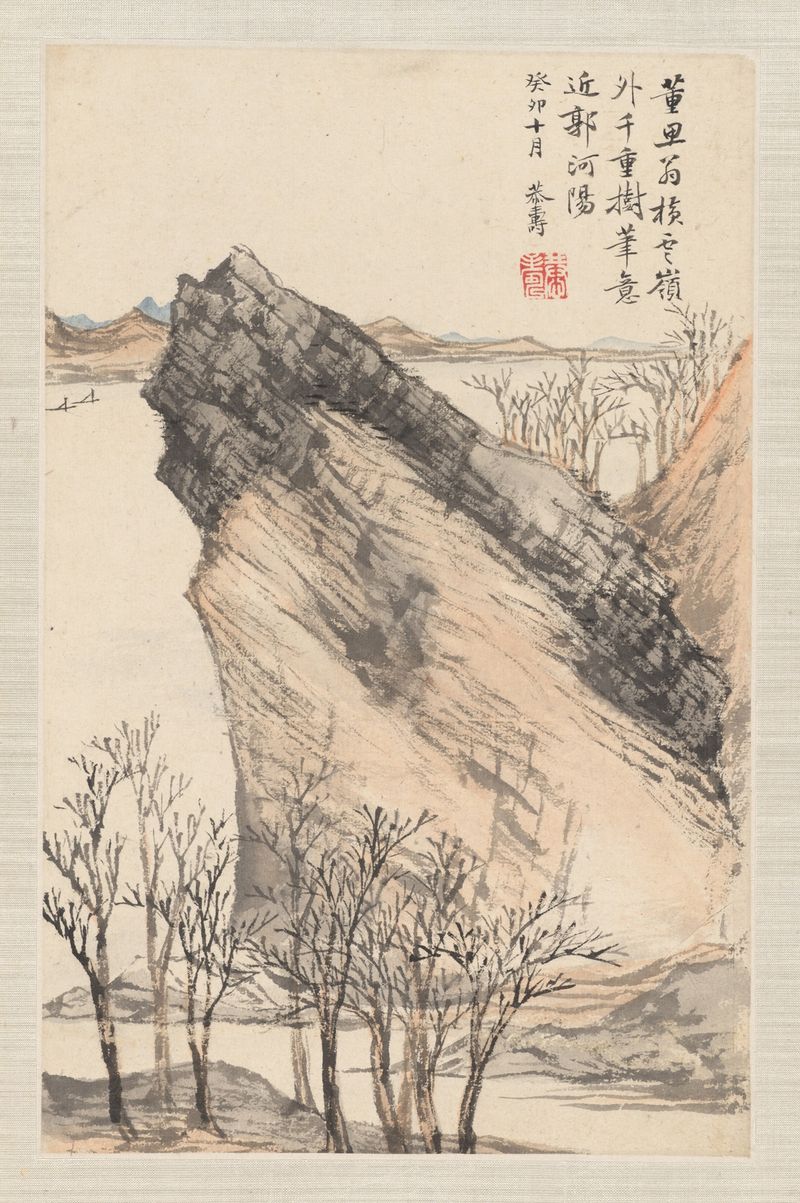
Landscapes after old masters Pl.4
Pan Gongshou
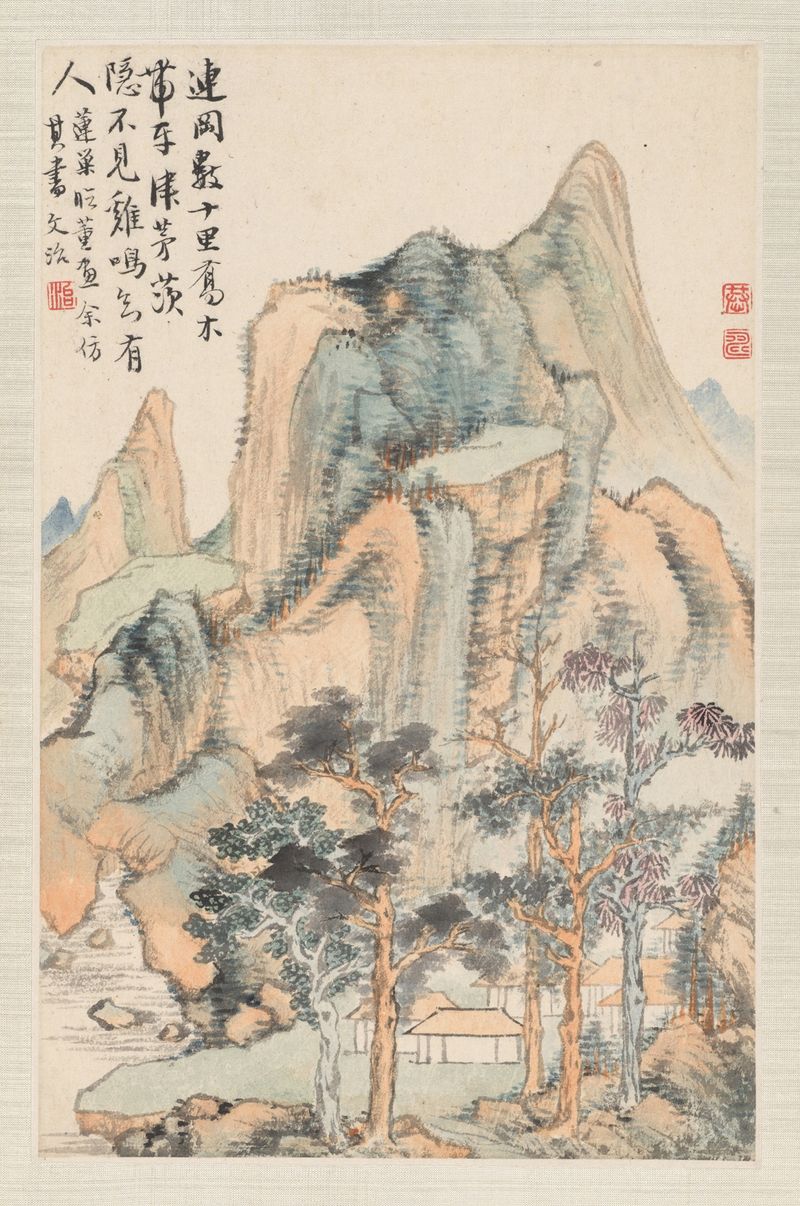
Landscapes after old masters Pl.6
Pan Gongshou
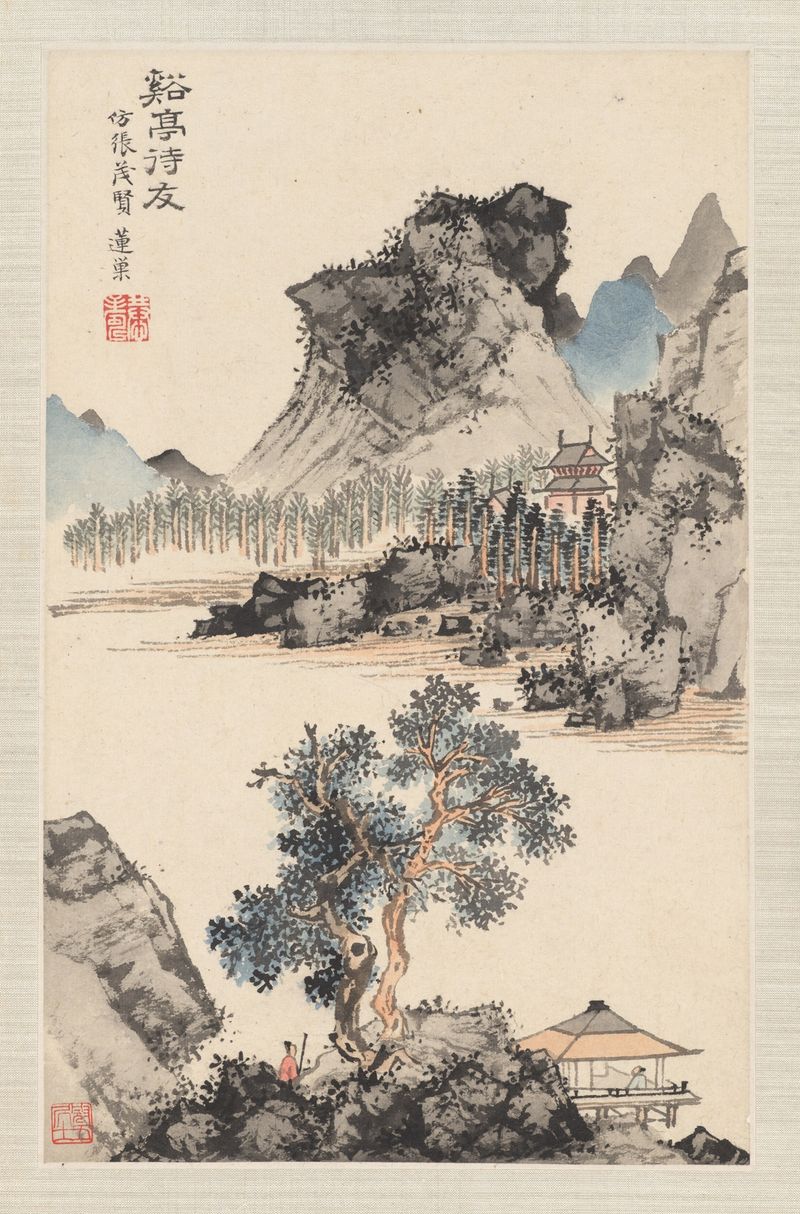
Landscapes after old masters Pl.5
Pan Gongshou

Landscapes after old masters Pl.3
Pan Gongshou
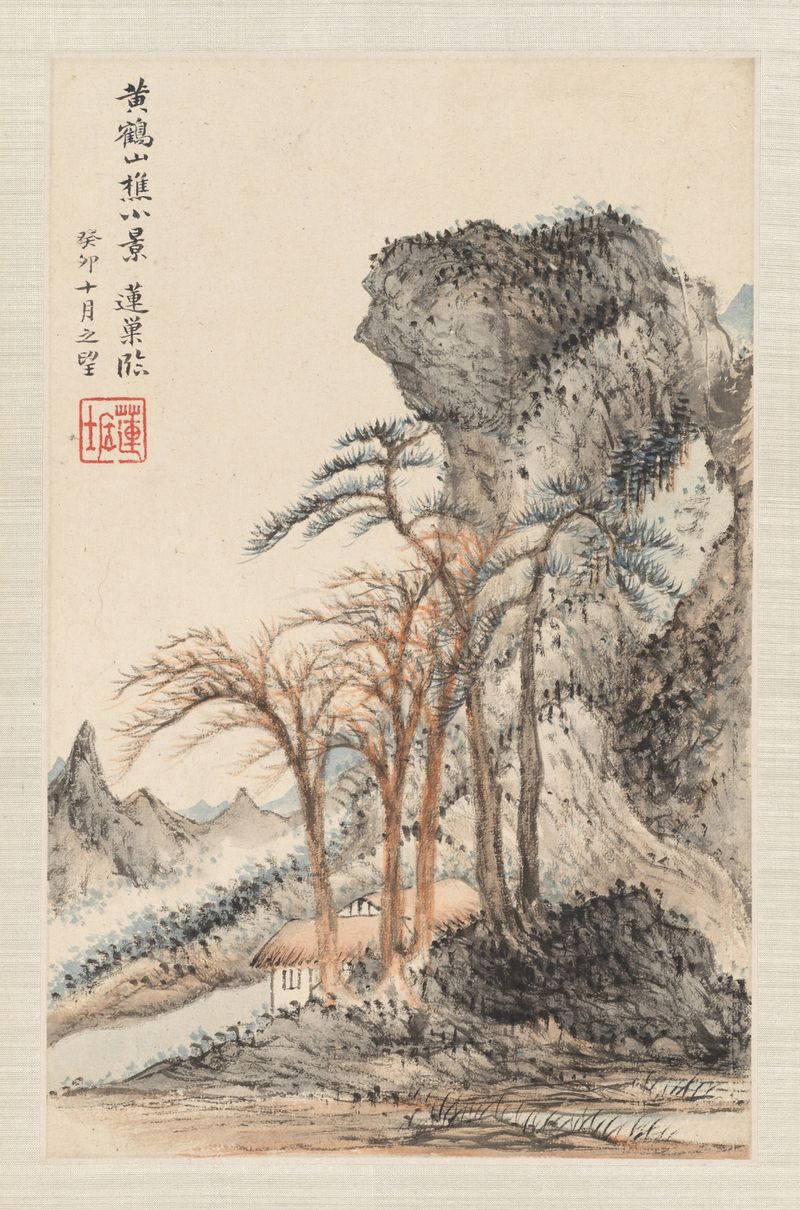
Landscapes after old masters Pl.2
Pan Gongshou

Landscapes after old masters Pl.8
Pan Gongshou

Landscapes after old masters Pl.1
Pan Gongshou





