
Landscapes after old masters Pl.4 — History & Facts
When did color learn to lie? Melancholy drapes itself across the canvas, whispering secrets of the past and the weight of memory. Look to the center, where a vast landscape unfolds, rich in hues of green and brown. The terrain is meticulously rendered, each brushstroke a testament to the artist's mastery. Notice how the light dances through patches of foliage, revealing hidden depths among the shadows.
The clouds, heavy and brooding, loom above, casting a somber veil over the scene. It invites contemplation, urging the viewer to explore the juxtaposition between serene beauty and an underlying sense of loss. In the foreground, a solitary figure stands, embodying the tension between isolation and connection. This presence seems to be pondering the landscape, reflecting the artist’s own struggle between tradition and innovation.
Surrounding the figure, faint echoes of classic European styles resonate, hinting at the influence of the old masters. Yet, there is an undeniable shift; the colors, though vibrant, carry an air of artificiality, as if they are masking a deeper sadness that lies just beneath the surface. In 1783, during a time when Pan Gongshou was navigating the complexities of cultural exchange in post-Qing China, he created this work. His exploration of Western techniques was a response to the evolving art world, which sought to synthesize tradition with modernity.
This painting represents a moment of introspection, not only for the artist but also for a society grappling with its identity amid foreign influences.
More Artworks by Pan Gongshou
Browse all →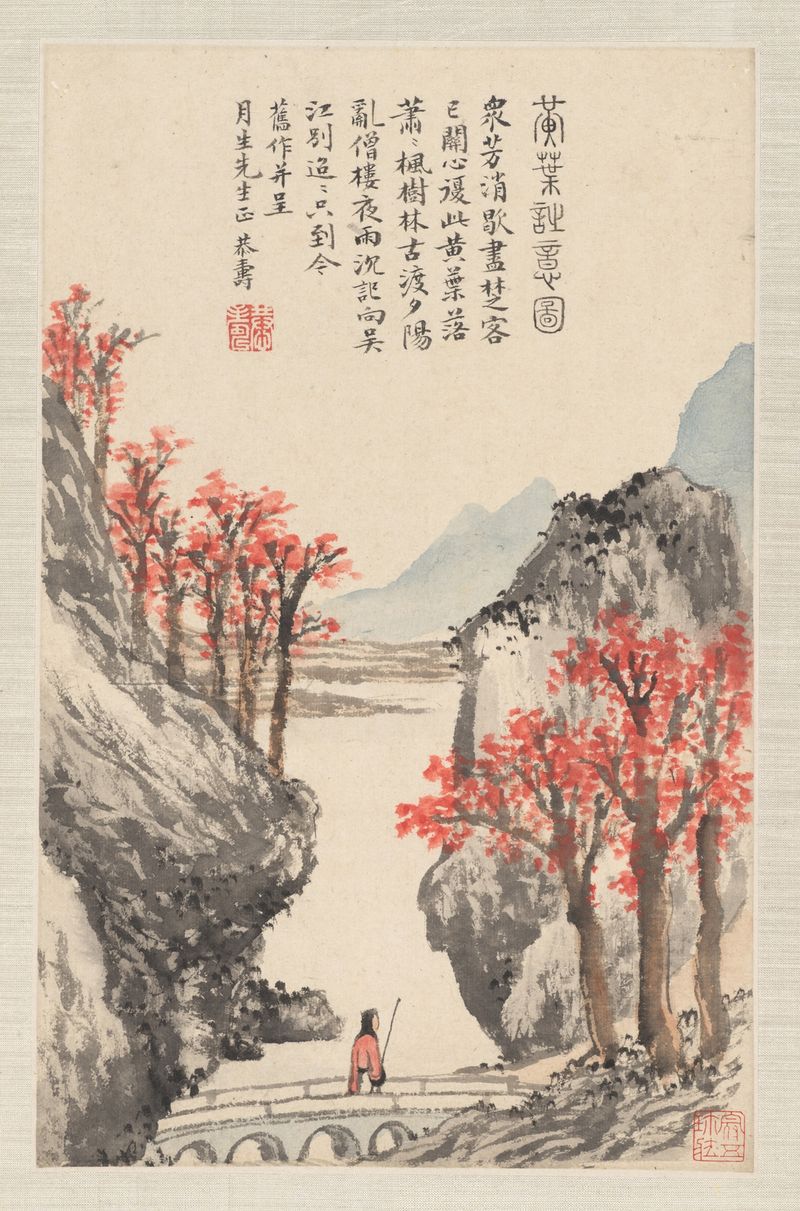
Landscapes after old masters Pl.7
Pan Gongshou
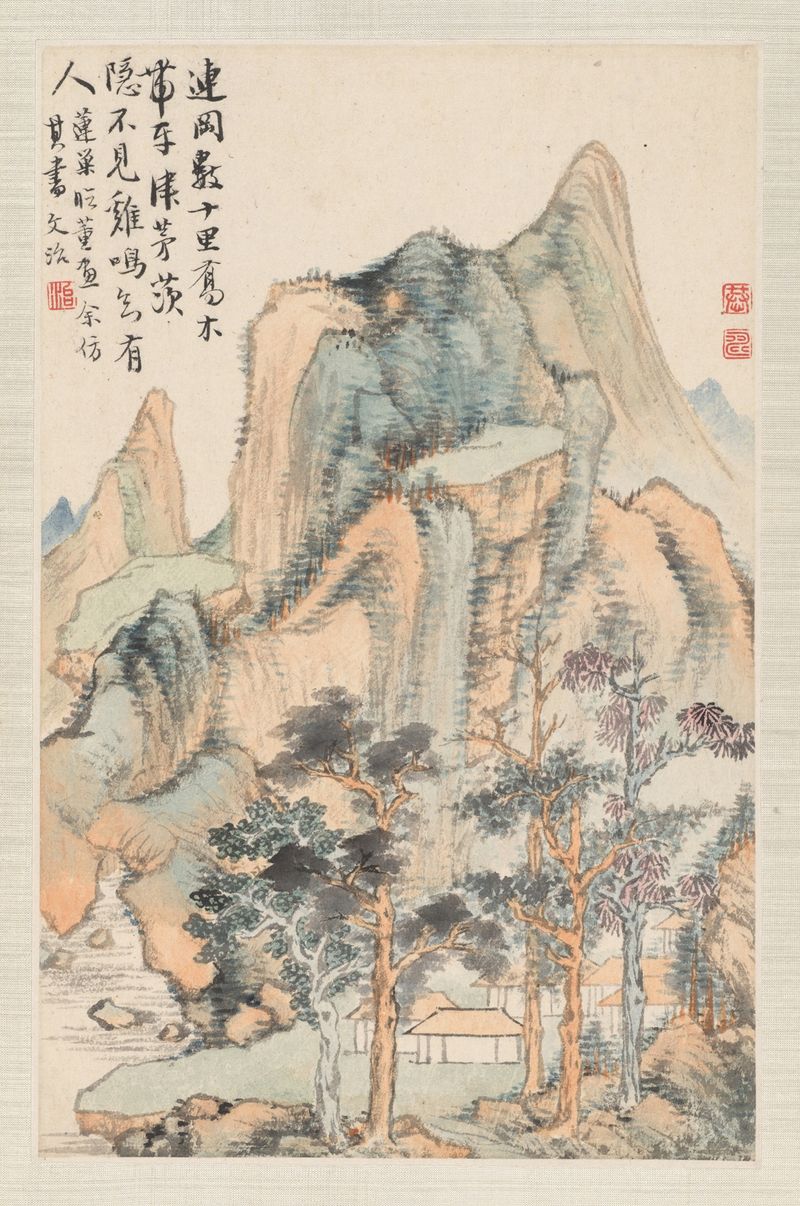
Landscapes after old masters Pl.6
Pan Gongshou
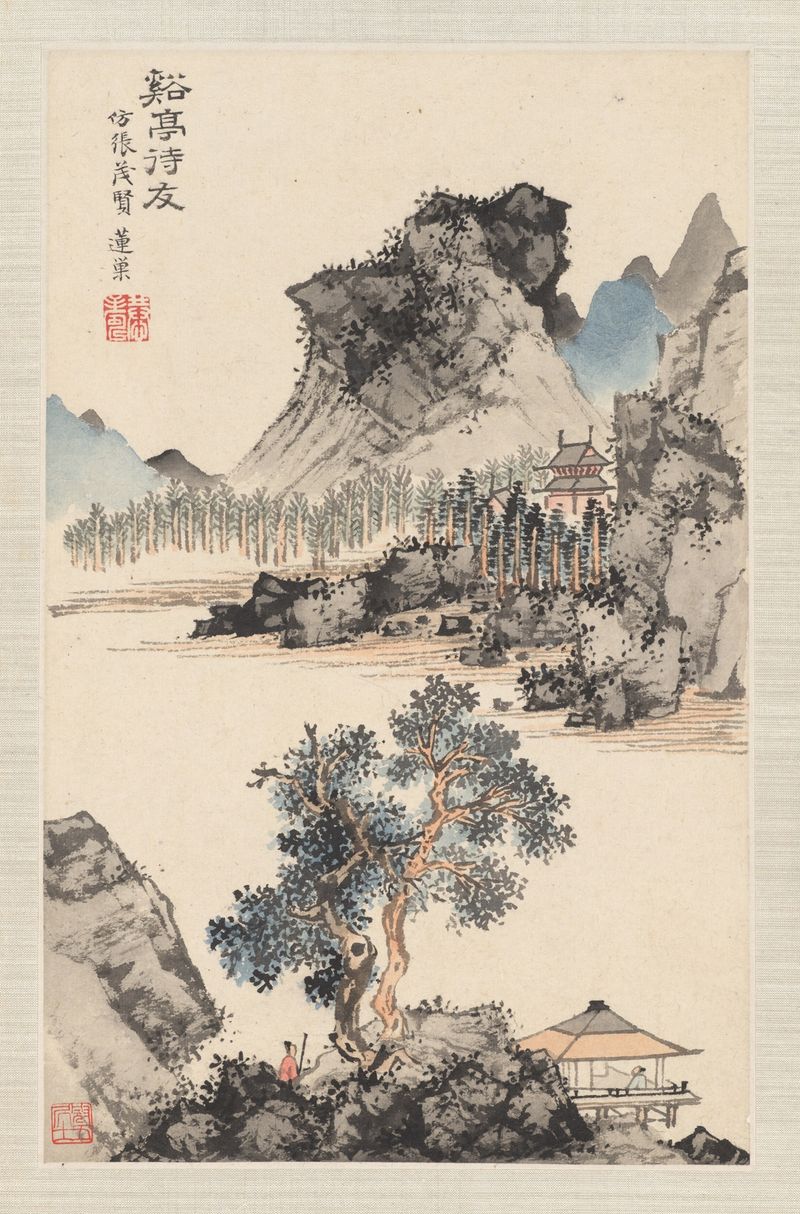
Landscapes after old masters Pl.5
Pan Gongshou

Landscapes after old masters Pl.3
Pan Gongshou
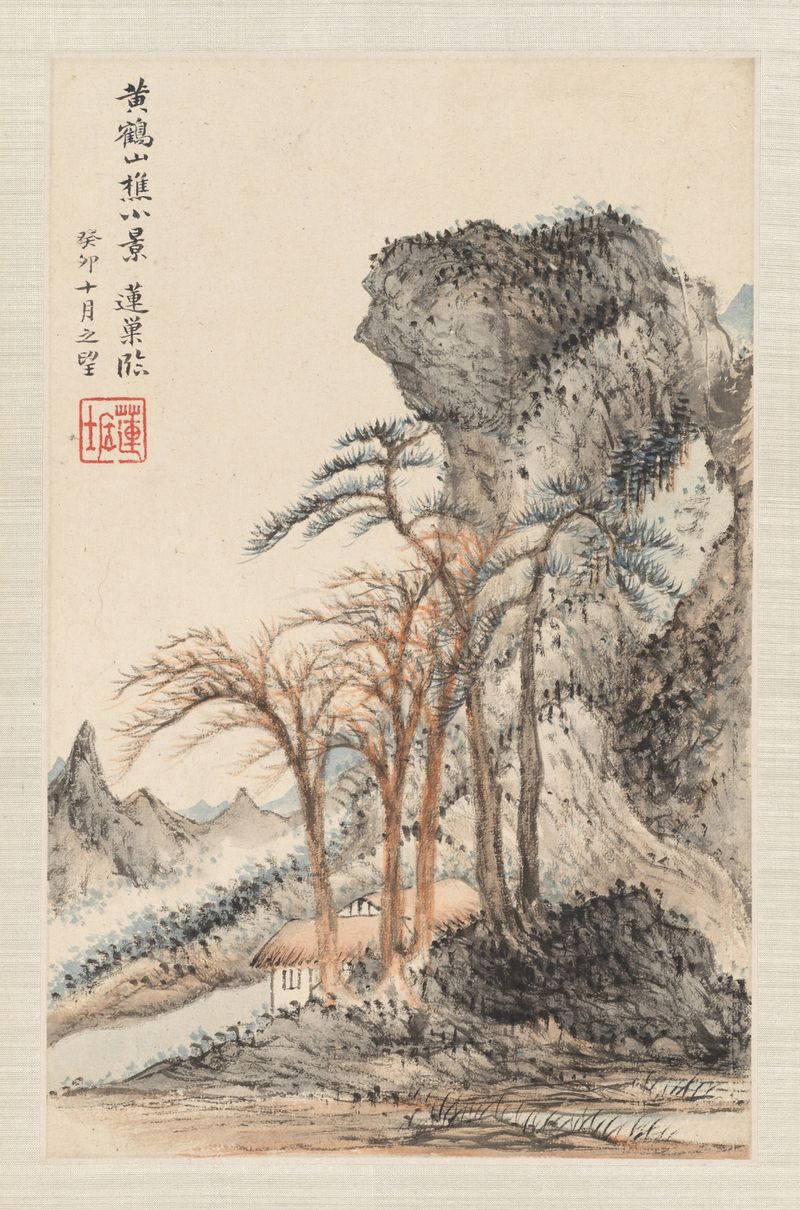
Landscapes after old masters Pl.2
Pan Gongshou

Landscapes after old masters Pl.8
Pan Gongshou

Landscapes after old masters Pl.1
Pan Gongshou





