Landschaft an den Osterseen — History & Facts
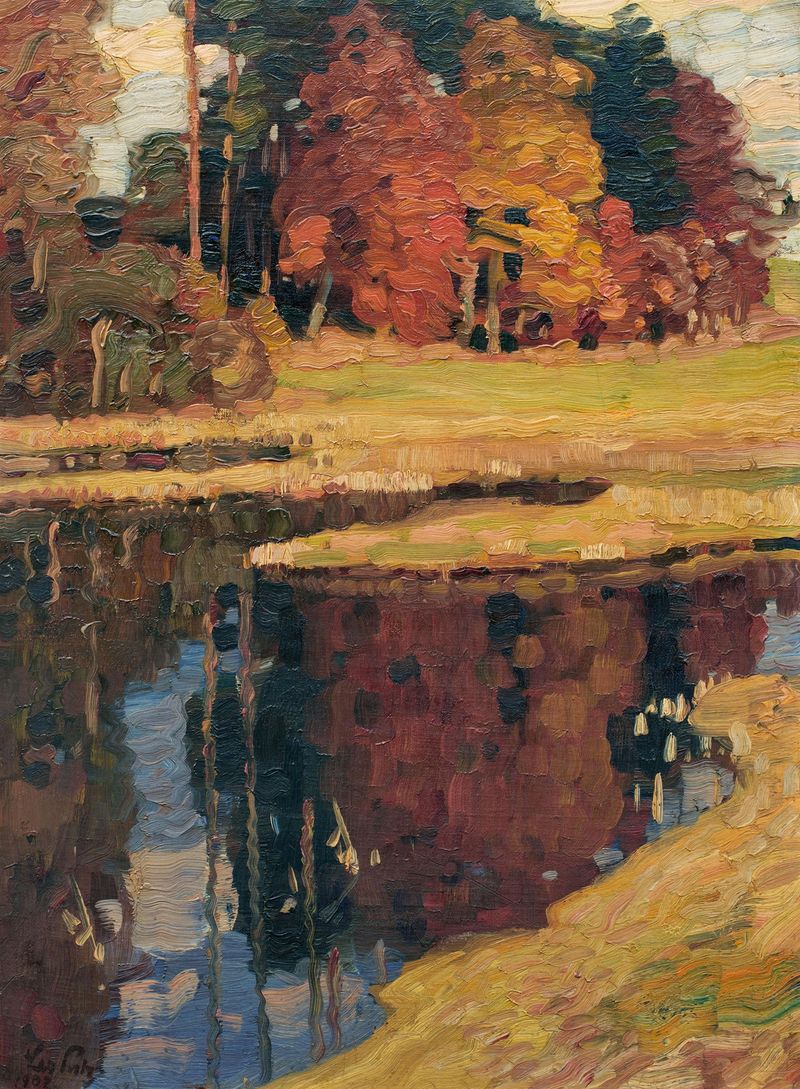
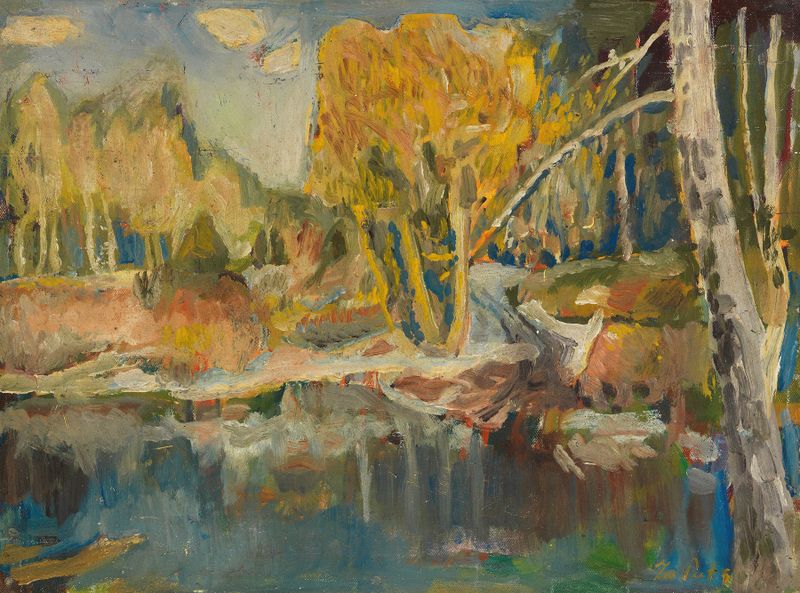
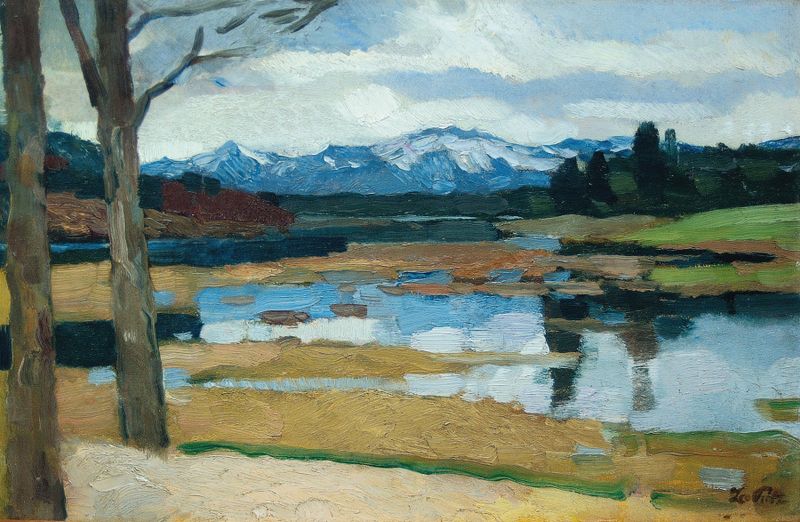
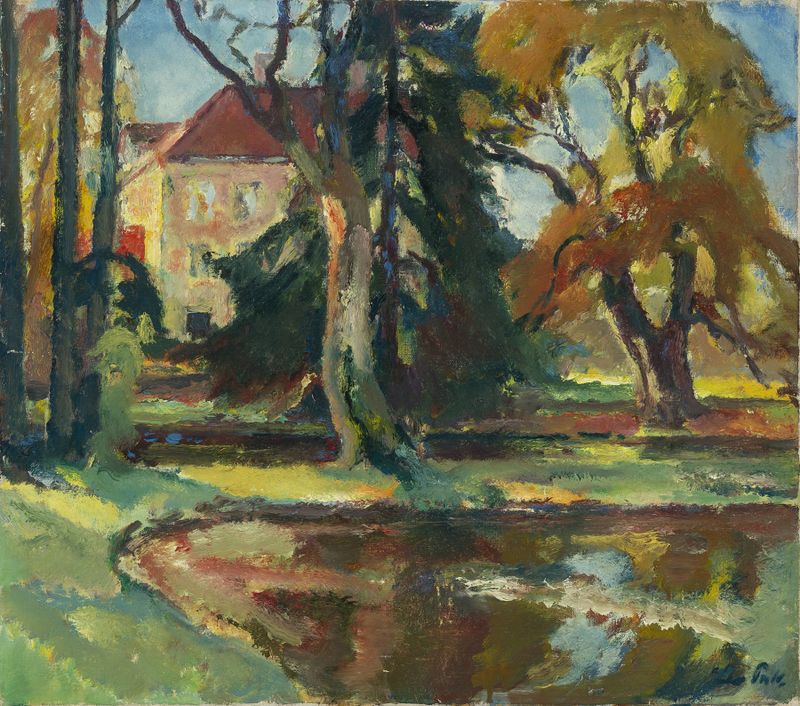
In the interplay of hues and stillness, one can glimpse the divine essence of nature. Focus on the verdant expanse that unfolds across the canvas, where a serene lake mirrors the sky’s gentle blues. Notice how the foliage, dappled in sun-kissed greens, seems to dance lightly with each brushstroke, inviting your gaze deeper into the landscape. The harmonious composition draws the eye across the water, where soft ripples hint at the whispers of a breeze, creating a tranquil interplay between the natural elements. Delve into the contrasts at play—between the vibrant colors of the blooming flora and the muted, reflective surface of the lake.
This juxtaposition suggests a dialogue between the vivacity of life and the contemplative nature of stillness, evoking a sense of divinity in the simplicity of the scene. The gentle slopes lead to a horizon that feels almost ethereal, where the heavens touch the earth, reminding us of the sacred connection that exists within every landscape. Created in 1905, this work emerged during a transformative period in Leo Putz's life, when he was exploring the boundaries of Impressionism and incorporating elements of Symbolism. Painted in Germany, amidst a burgeoning appreciation for the natural world, it reflects both his personal artistic journey and the broader cultural movement that sought to harmonize art with the beauty of the environment.