Unser Obstgarten — History & Facts
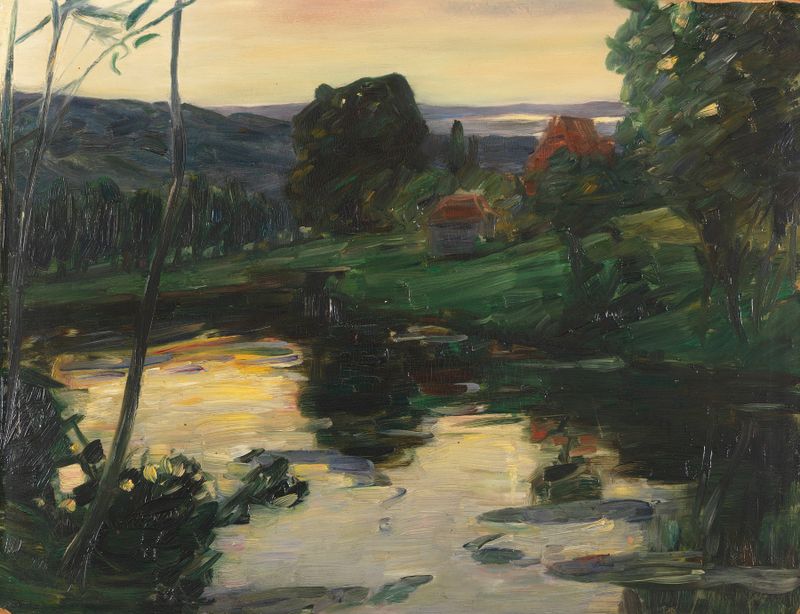
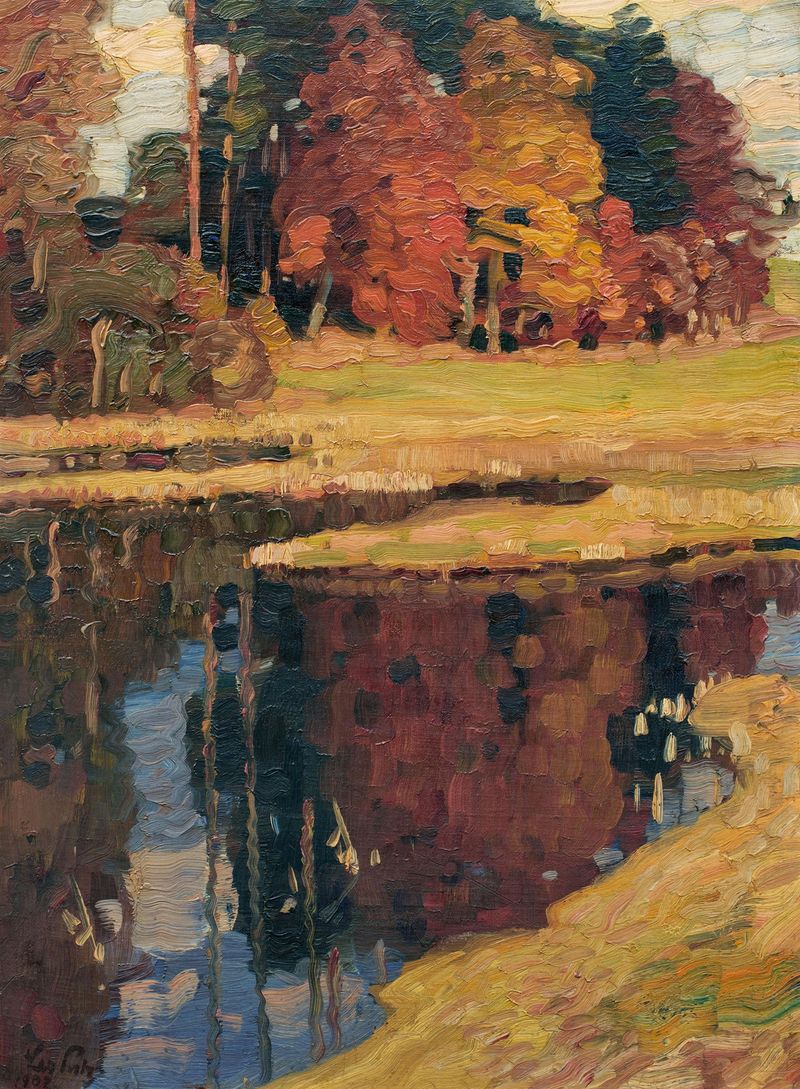
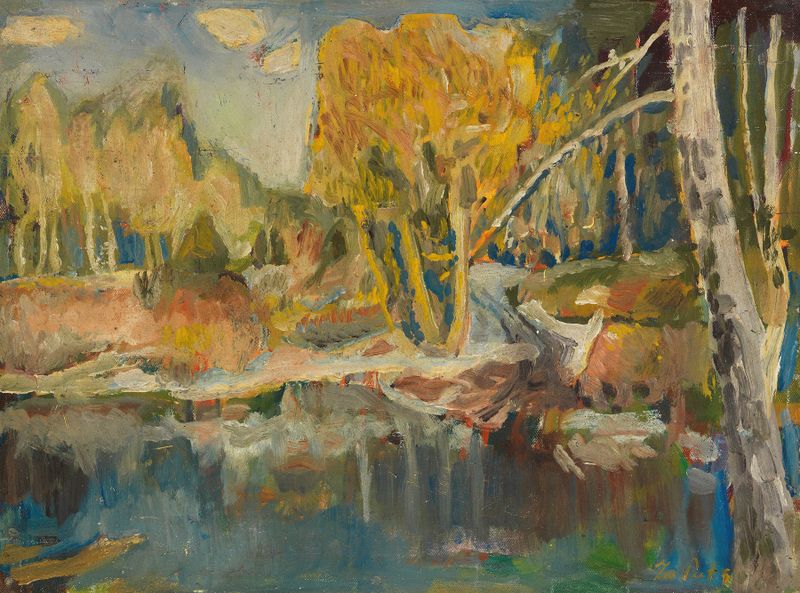
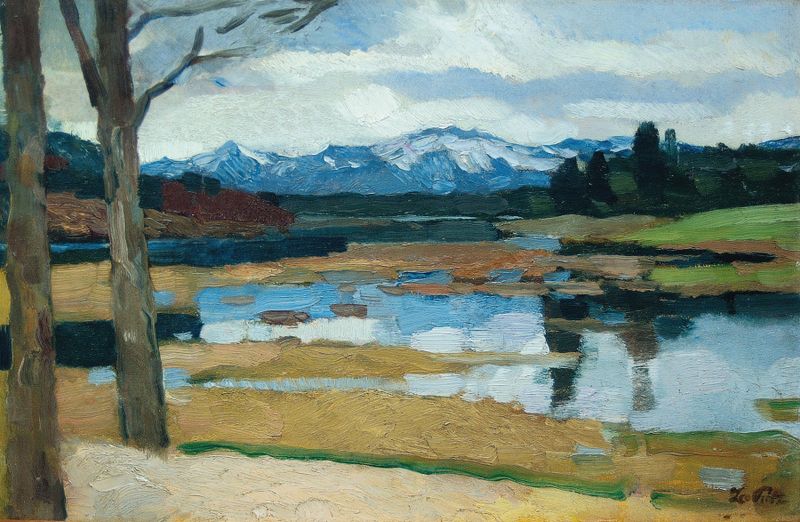
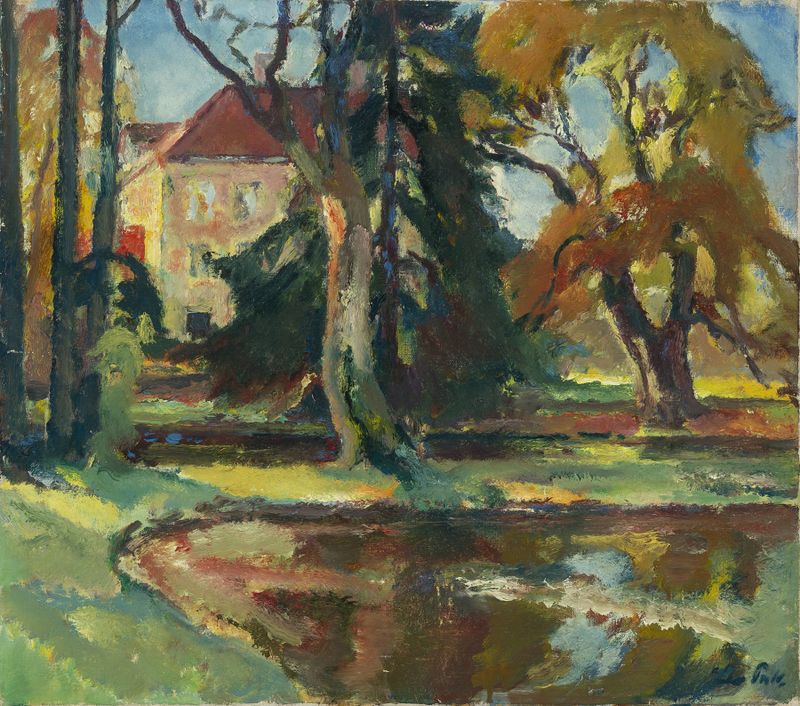
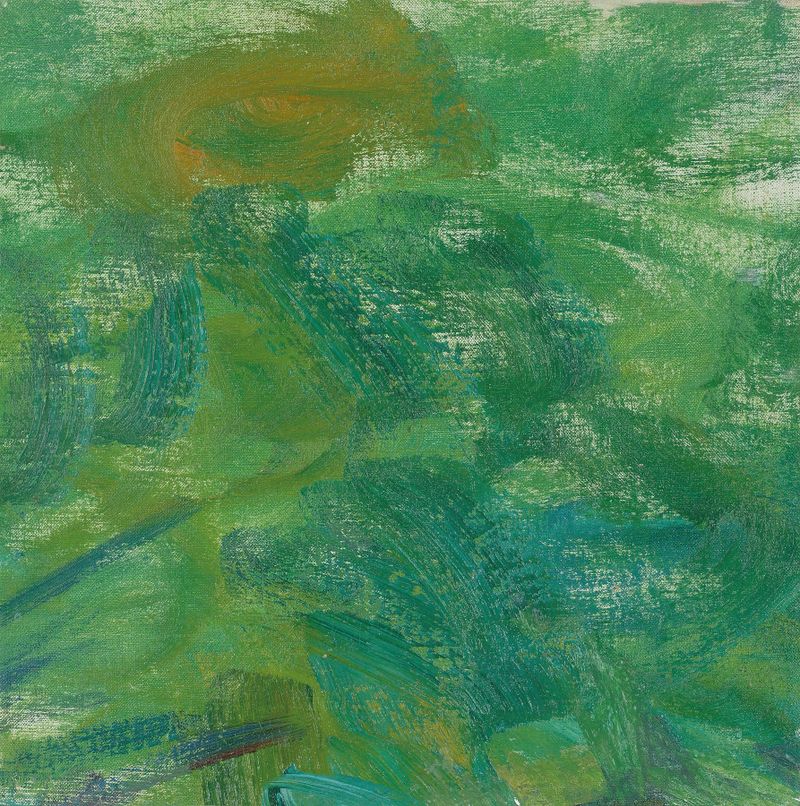
In the delicate interplay of shades and forms, an unspoken narrative unfurls, leading us to contemplate creation itself. Look to the left at the vibrant orchard, its fruits bursting with life. The lush greens and warm yellows invite a sense of abundance, while the soft brushstrokes create a gentle movement, as if the trees sway in harmony with an unseen breeze. Notice how the light breaks through the canopy, casting dappled shadows on the ground—each patch of illumination revealing a hidden world beneath the leaves.
This delicate balance of color not only captures nature’s richness but also evokes a sense of serenity and contemplation. Within this tranquil scene lies an underlying tension between the chaos of nature and the order of cultivation. The fruit-laden branches symbolize the fruits of labor and creativity, yet the sporadic disarray suggests the wild, unpredictable essence of life. The viewer might feel drawn into a personal reflection on their own creations, the quiet struggles that accompany growth, and the beauty that emerges from it.
The composition encourages a meditative engagement, inviting us to search for meaning in the spaces between the colors. In 1932, Leo Putz painted this piece during a period marked by the rise of modernist movements and a growing interest in plein air painting. Living in Germany, he experienced the cultural shifts of the time, with a focus on returning to nature and simplicity in art. His work often explored themes of human connection to the land, and Unser Obstgarten emerges as a celebration of both the natural world and the creative spirit thriving within it.