
Landschaft bei Fischerhude (Frühling im Moor) — History & Facts
Who listens when art speaks of silence? In Landschaft bei Fischerhude (Frühling im Moor), the shadows whisper softly, weaving tales of stillness and introspection. Look to the left at the tranquil expanse of the moor, where gentle shades of green and brown blend seamlessly into each other. The soft brushstrokes create a delicate interplay of light and shadow, evoking a sense of calmness that invites the viewer to breathe in the scene. Notice how the sunlight dapples through the trees, casting intricate shapes on the ground; this natural choreography enhances the mood of serene isolation, emphasizing the beauty of nature's quiet moments. Deeper insights into the painting reveal a juxtaposition of life and stillness.
The vibrant greens of spring remind us of renewal, yet the shadows lurking beneath remind us of transient moments—echoes of what once was. The expanse seems to cradle a sense of longing, embodying both the hope of blossoming life and the inevitable shadows of the past. Each element, from the distant horizon to the flickering shadows on the water, speaks to the emotional tension between growth and memory. In 1941, Otto Modersohn lived in Fischerhude, Germany, during a time when the world was engulfed in turmoil.
This period coincided with his involvement in the German Expressionist movement, where themes of nature served as a refuge from the chaos surrounding him. His dedication to capturing the tranquil beauty of his environment reflects a longing for peace amidst the strife, marking a pivotal moment in his artistic journey.
More Artworks by Otto Modersohn
Browse all →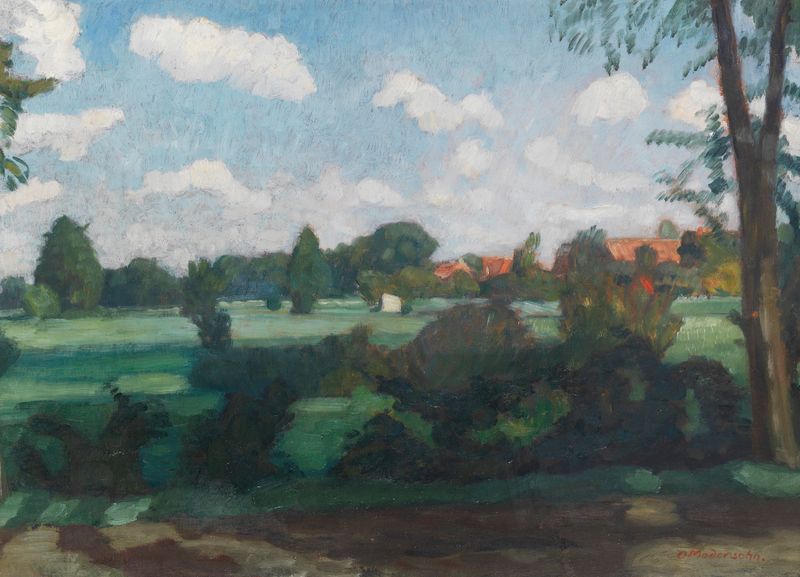
Sommerliche Wiesen bei Fischerhude
Otto Modersohn
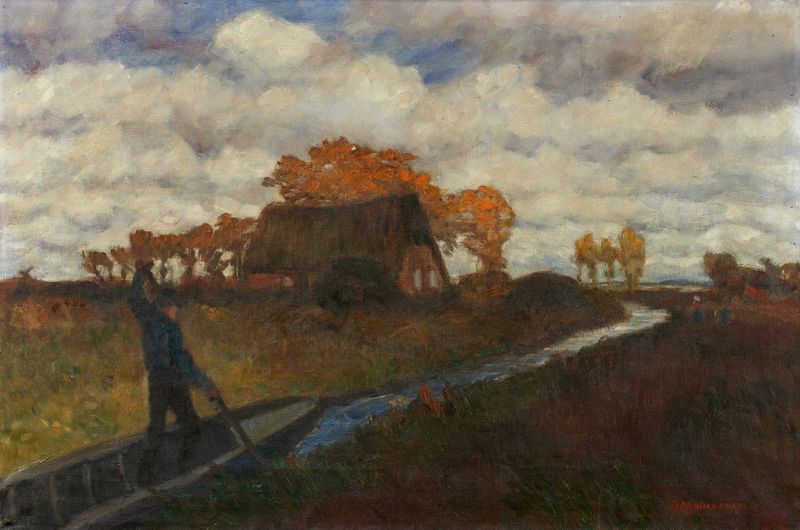
Herbstwetter
Otto Modersohn
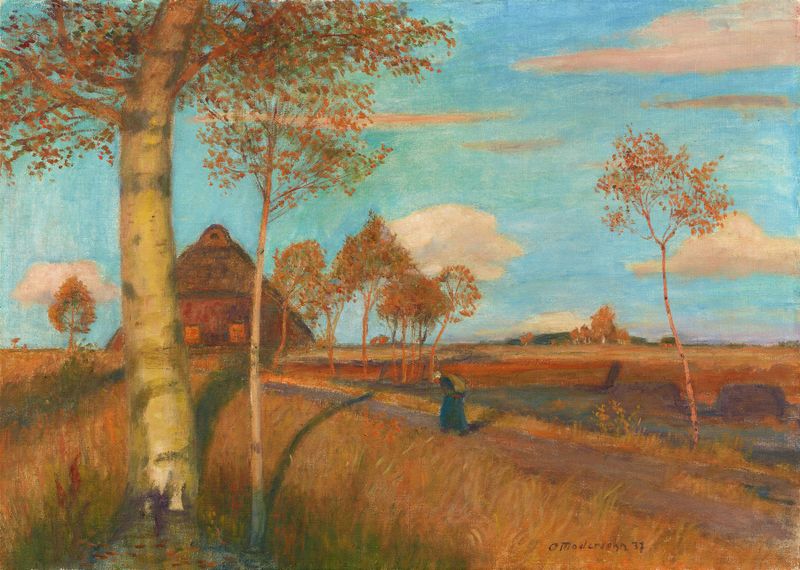
Abendsonne im Moor
Otto Modersohn
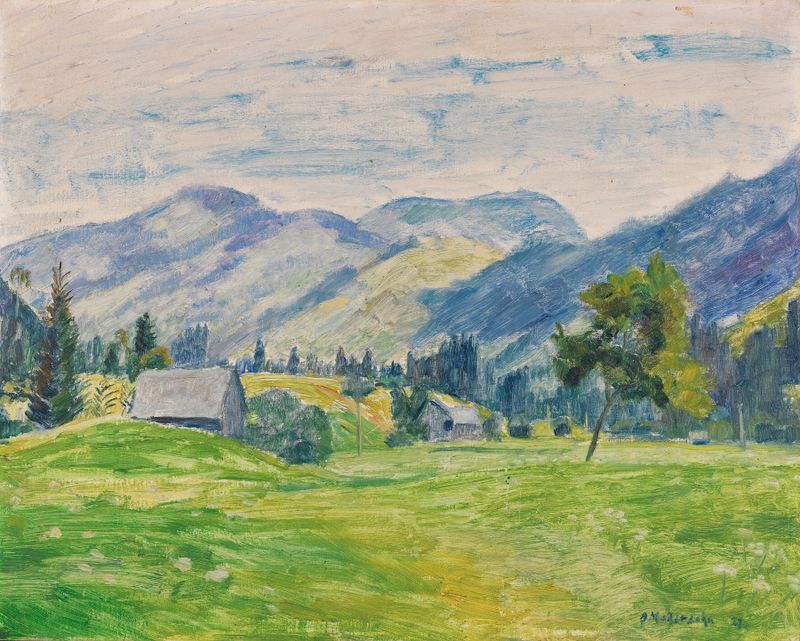
Lichter Sommertag im Allgäu (Unterjoch bei Hindelang)
Otto Modersohn
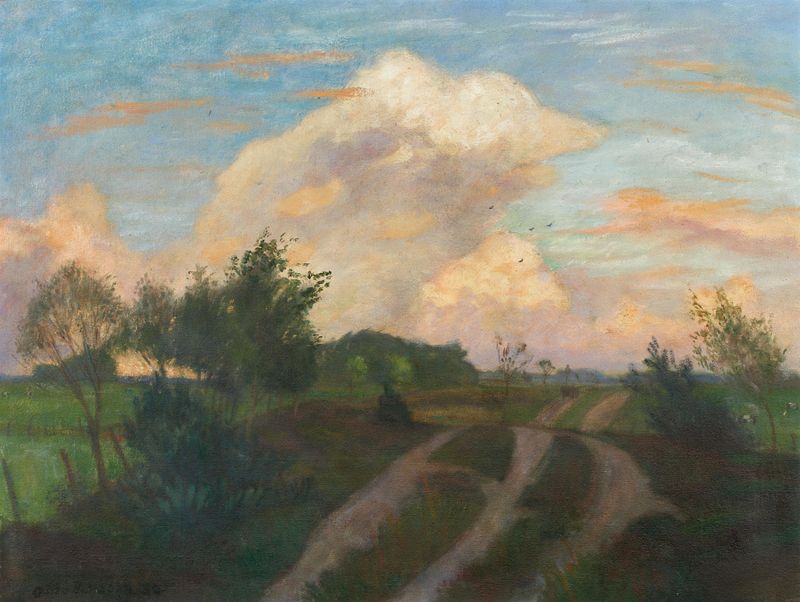
Sommerabend in der Surheide
Otto Modersohn
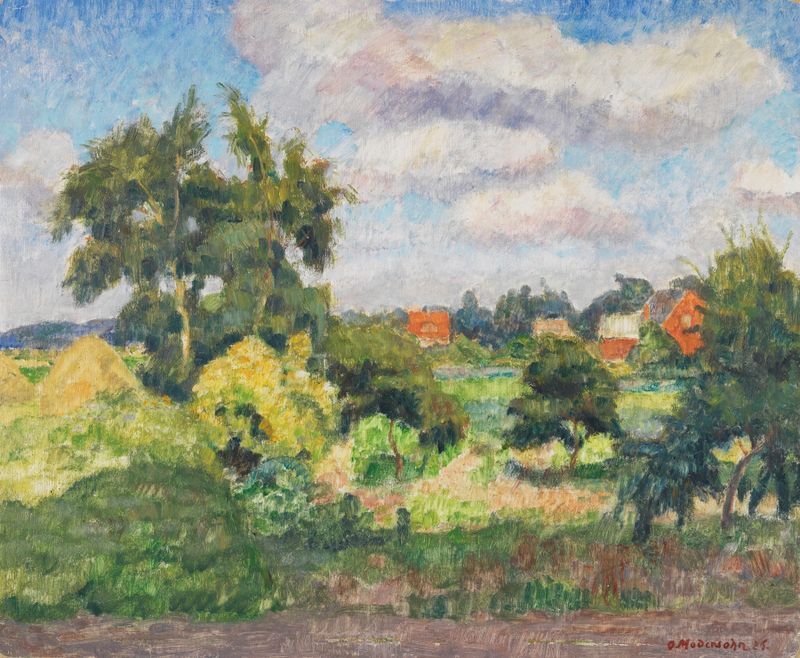
Sommertag in den Feldern bei Fischerhude
Otto Modersohn
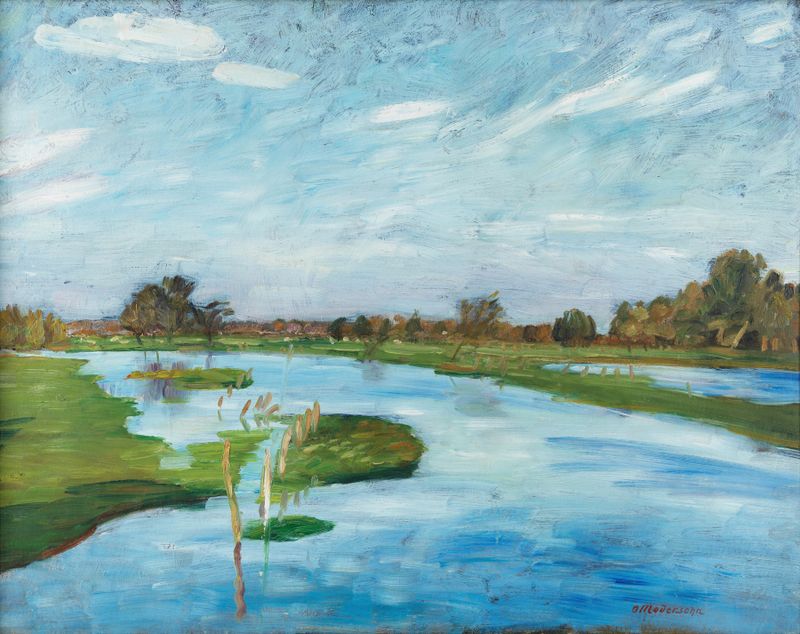
Überschwemmte Wümmewiesen
Otto Modersohn
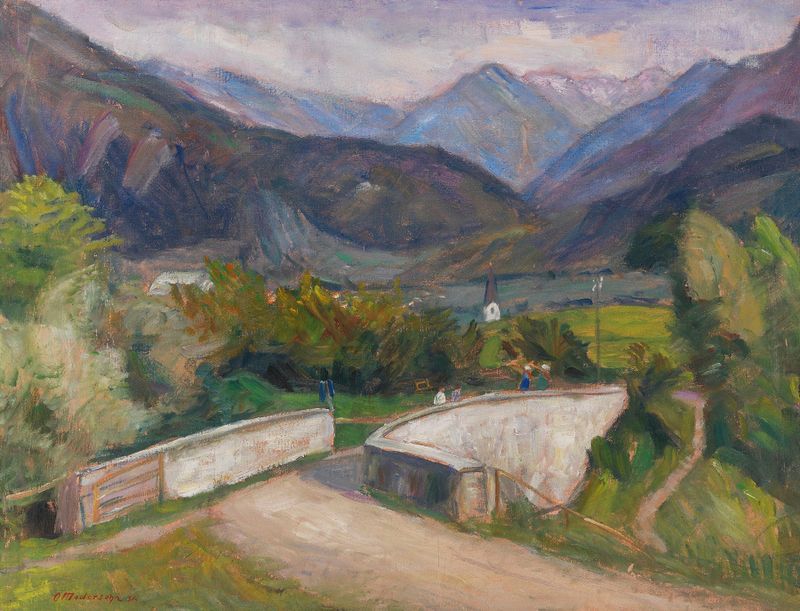
Zillenbachbrücke (Weg nach Gailenberg oberhalb von Hindelang im Allgäu)
Otto Modersohn
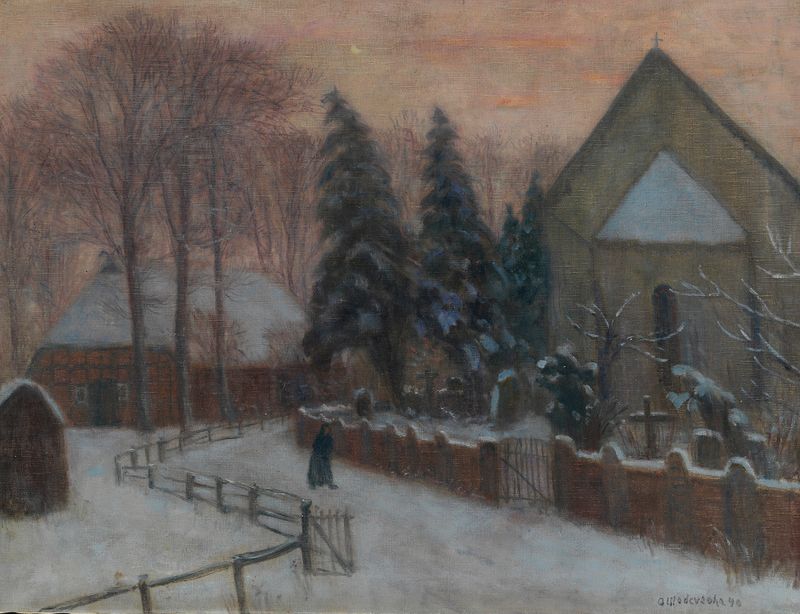
Winterabend, Fischerhuder Kirche mit Heimathaus
Otto Modersohn

Frühling
Otto Modersohn





