
Landschap in inkt — History & Facts
Did the painter know this moment would outlive them? In Landschap in inkt, the essence of legacy unfolds, captured in the delicate balance between nature and human intervention. Look to the left at the intricate brushstrokes that shape the winding river, capturing the fluidity of water as it meanders through the landscape. The stark contrast of deep blacks and muted grays against the soft whites of the sky creates a haunting beauty, inviting the viewer to linger on the natural harmony. Notice how the interplay of light and shadow adds depth, suggesting the passage of time, while the sparse trees frame the horizon, hinting at both solitude and the possibility of renewal. Beneath the surface, a dialogue emerges between permanence and transience.
The flowing water symbolizes the relentless march of time, while the steadfast trees stand as silent witnesses to the cycles of nature. Each stroke carries a weight of emotion, evoking a sense of nostalgia and yearning for what has been and what will endure. The choice of ink as a medium further amplifies this theme of legacy, as it reflects the permanence of the moment captured, contrasting with the fleeting nature of life itself. Albert Daenens created this work in 1919, a time marked by the aftermath of World War I and a yearning for peace in Europe.
Living in Belgium, Daenens sought refuge in the landscapes around him, reflecting both personal healing and a broader societal desire for stability. This piece represents not just an artistic endeavor, but also a significant moment in the shift toward modernism, where nature was reinterpreted through the lens of emotion and introspection.
More Artworks by Albert Daenens
Browse all →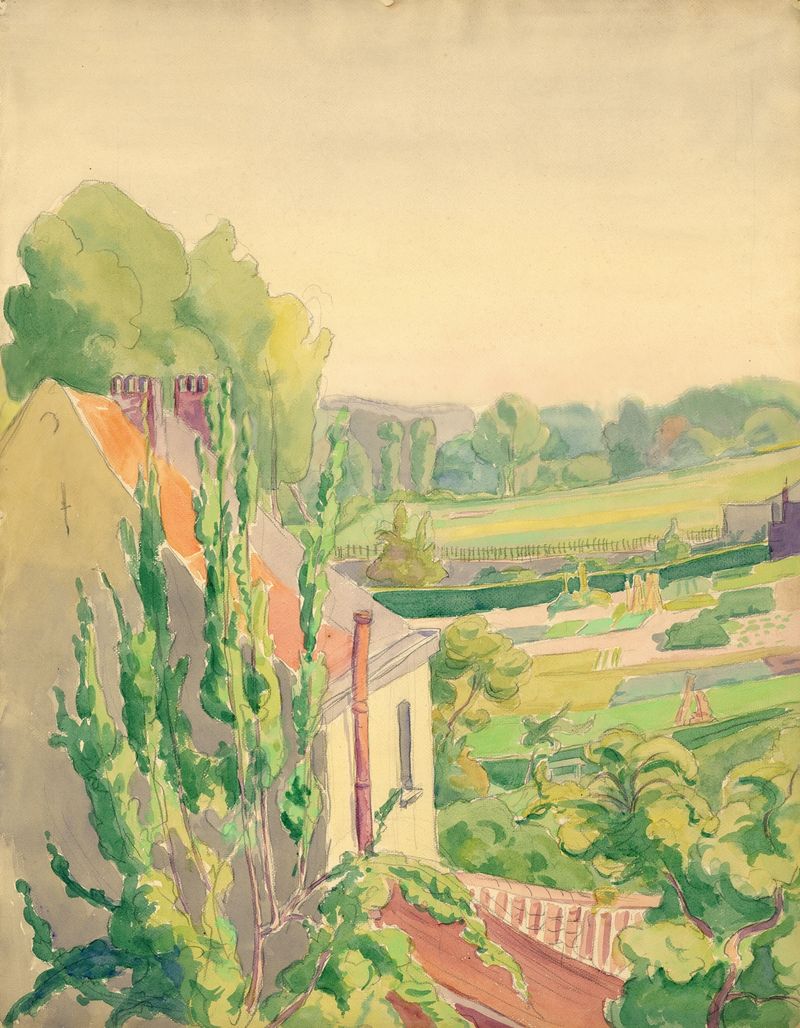
Landschap in aquarel
Albert Daenens
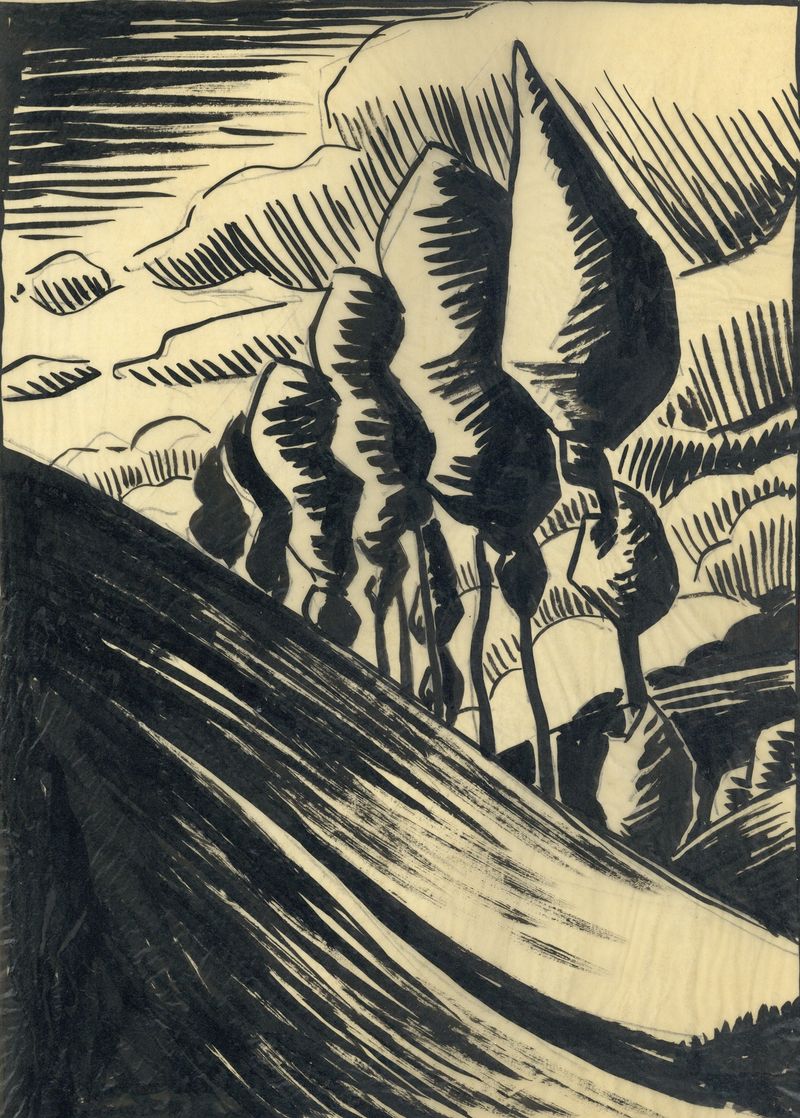
Landschap in inkt
Albert Daenens
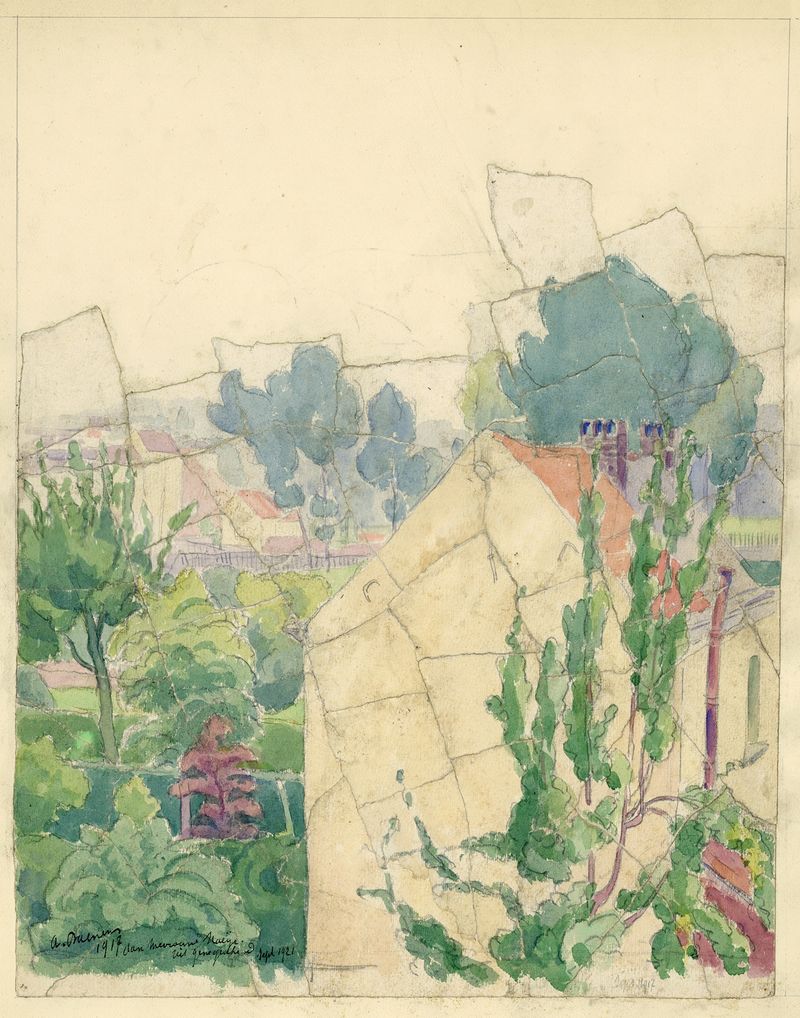
Landschap in aquarel
Albert Daenens
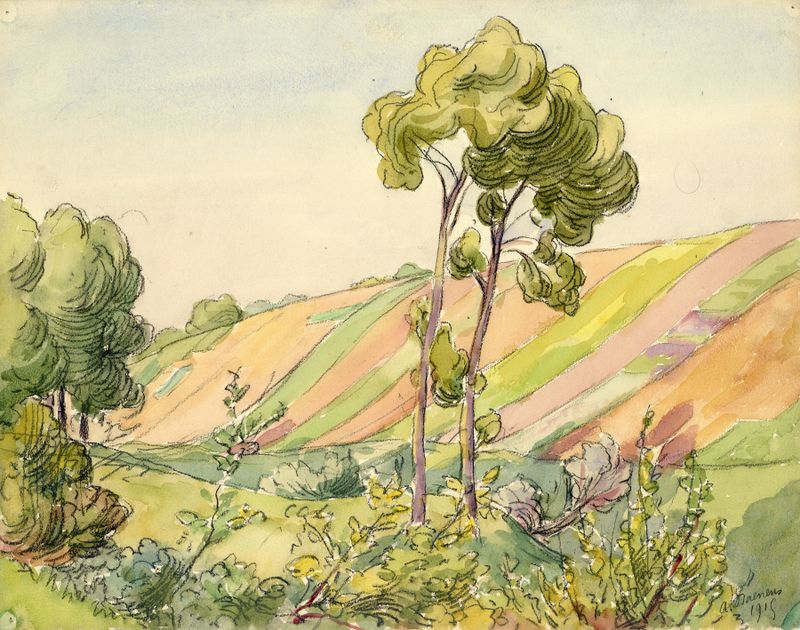
Landschap in aquarel
Albert Daenens

Landschappen Natuur
Albert Daenens
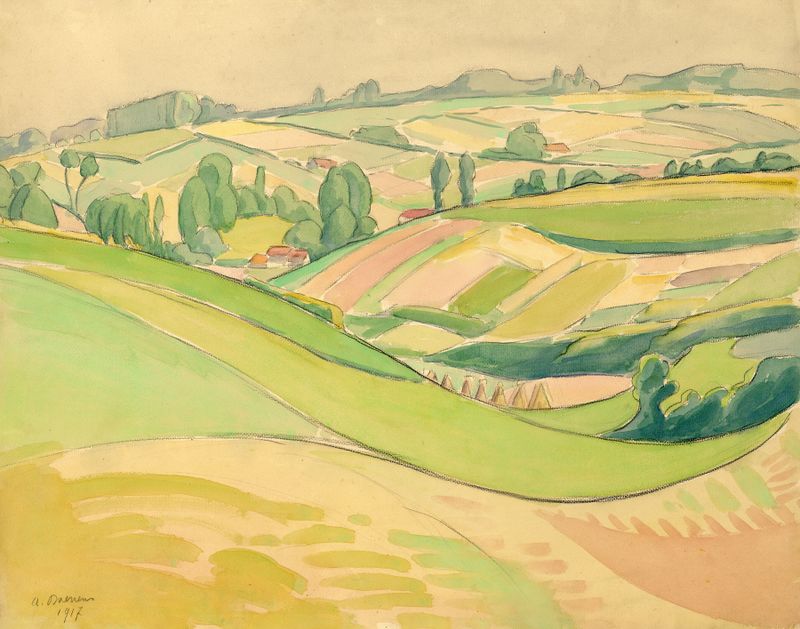
Landschap in aquarel
Albert Daenens
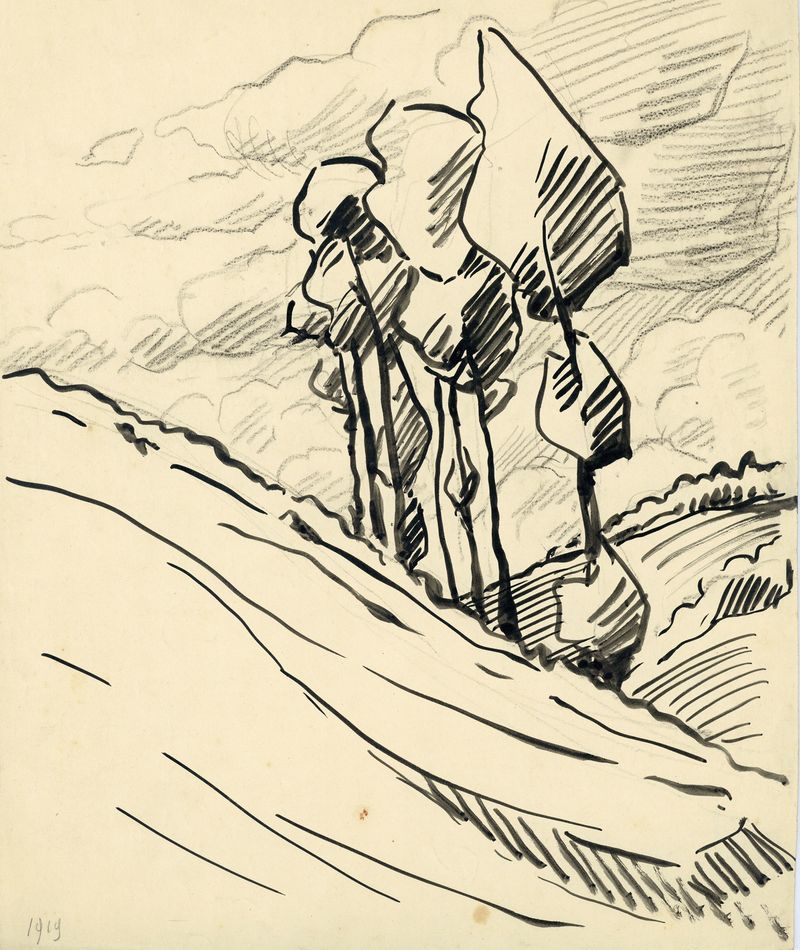
Landschap in inkt
Albert Daenens

Landschap in inkt
Albert Daenens
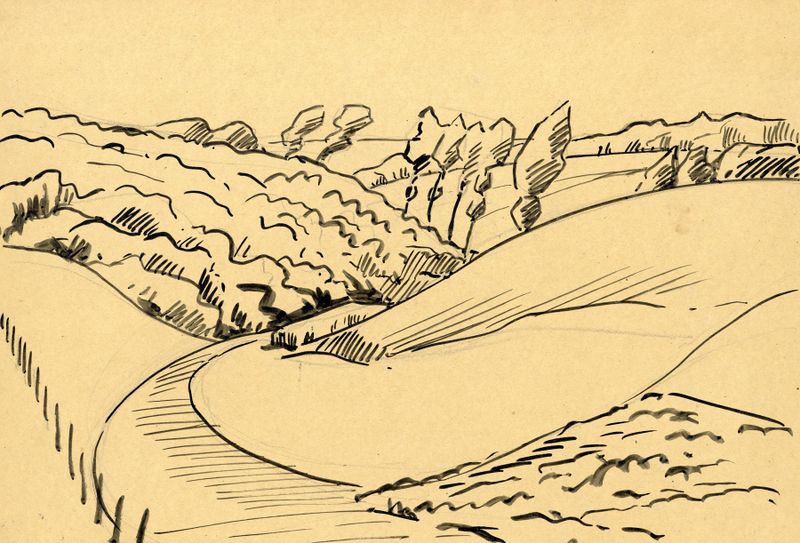
Landschap in inkt
Albert Daenens

Landschap in inkt
Albert Daenens





