
Landschap met een grote boom — History & Facts
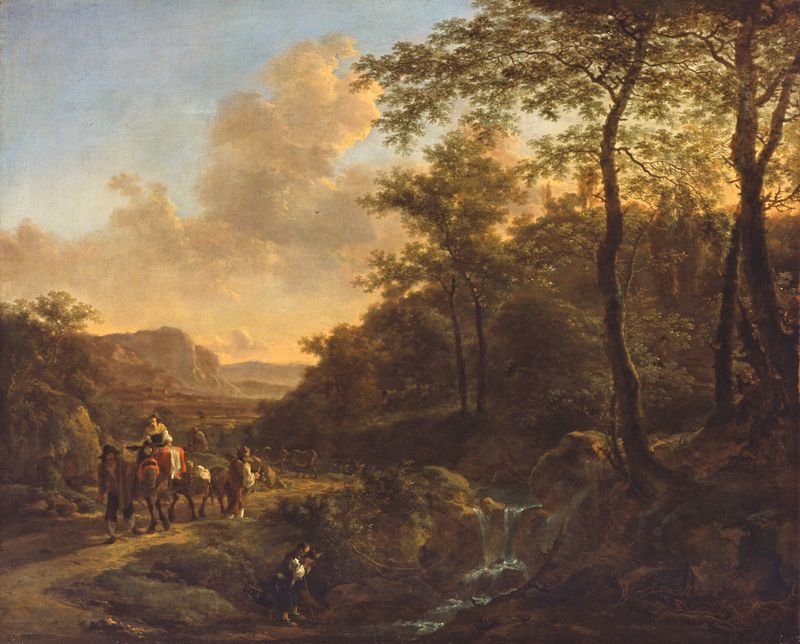
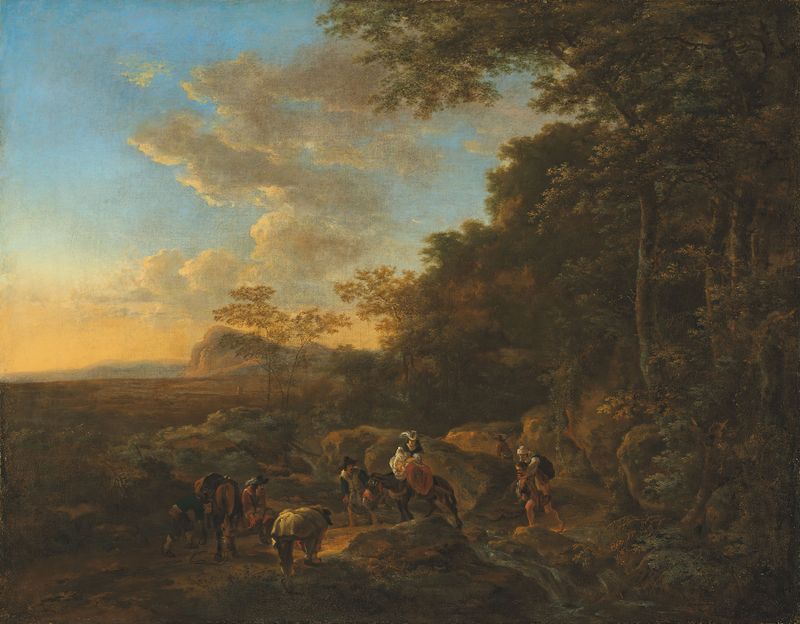
Can paint confess what words never could? In Landschap met een grote boom, the weight of decay lingers in the air, beckoning the viewer to explore the silent narratives of nature’s passage through time. Focus first on the grand tree at the center, its gnarled branches stretching upward like fingers clawing at the sky. The artist’s brush captures the intricate textures of the bark, revealing a spectrum of earthy hues—deep browns and muted greens—that evoke a sense of both vitality and decline. Look closely at the surrounding landscape, where a patchwork of light and shadow creates a harmonious dialogue between life and rot, as the soft brushstrokes blend a distant horizon bathed in golden sunlight with the darker, overgrown thickets below. The work contrasts the sturdy tree, symbolizing endurance, with delicate, wilting foliage at its base, hinting at the inevitability of decay.
A gentle breeze seems to rustle through the underbrush, whispering stories of seasons passed and forgotten moments. The interplay of light and shadow adds depth, transforming the landscape into a living organism, a testament to nature's relentless cycle of birth and death. During the years 1644 to 1652, Jan Both was deeply immersed in the vibrant artistic community of the Dutch Golden Age. The landscape genre was burgeoning, yet Both’s unique approach—infusing emotional resonance into natural scenes—set him apart.
His work not only reflected the beauty of the world around him but also captured the underlying tensions of existence, revealing the fragility inherent in even the most majestic forms of life.
More Artworks by Jan Both
Browse all →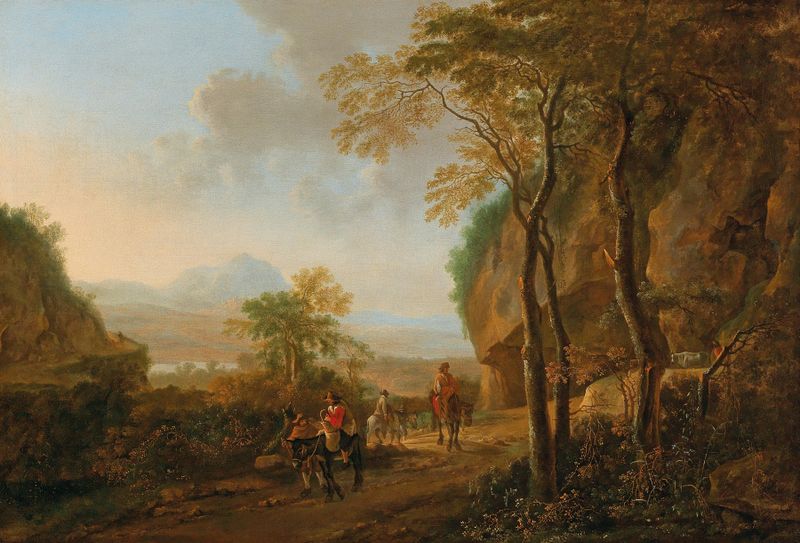
An Italianate landscape with travellers
Jan Both
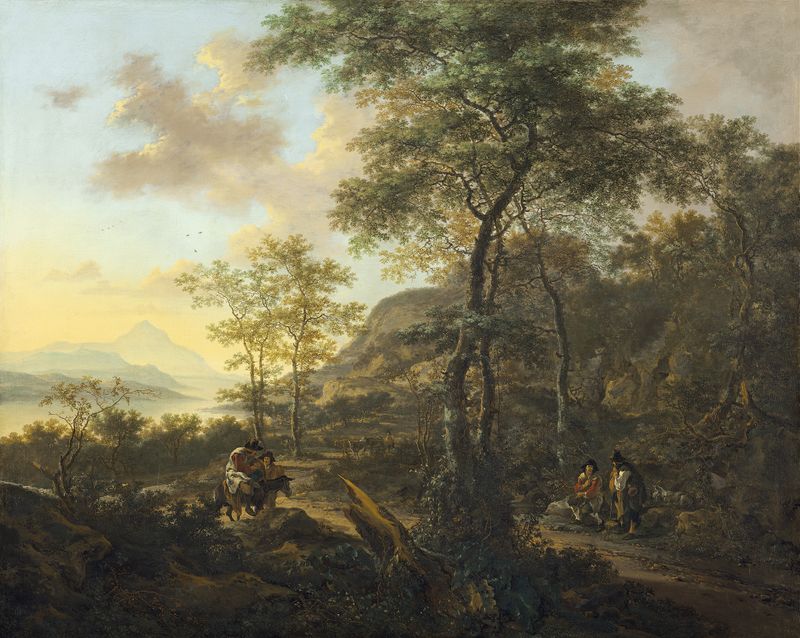
An Italianate Evening Landscape
Jan Both
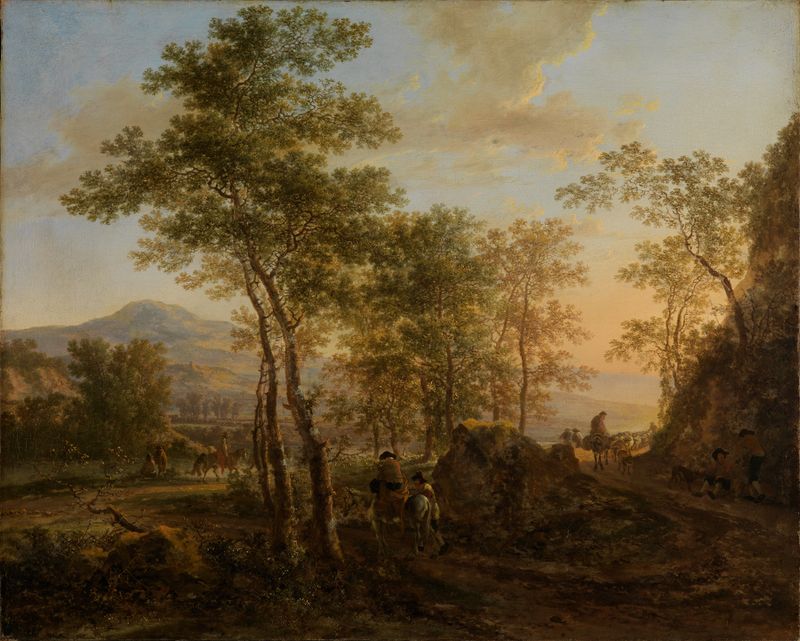
Italienische Landschaft am Abend
Jan Both
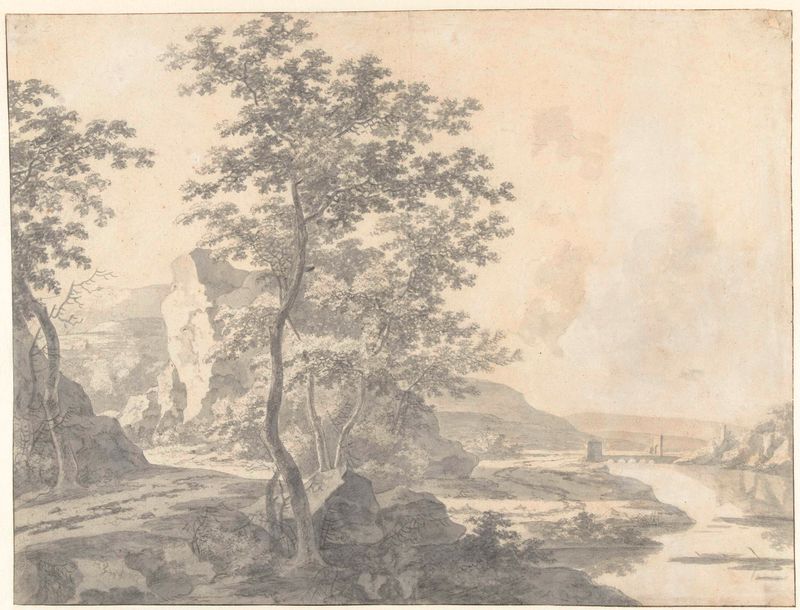
Italiaans landschap
Jan Both
Scene of the Roman Campagna
Jan Both
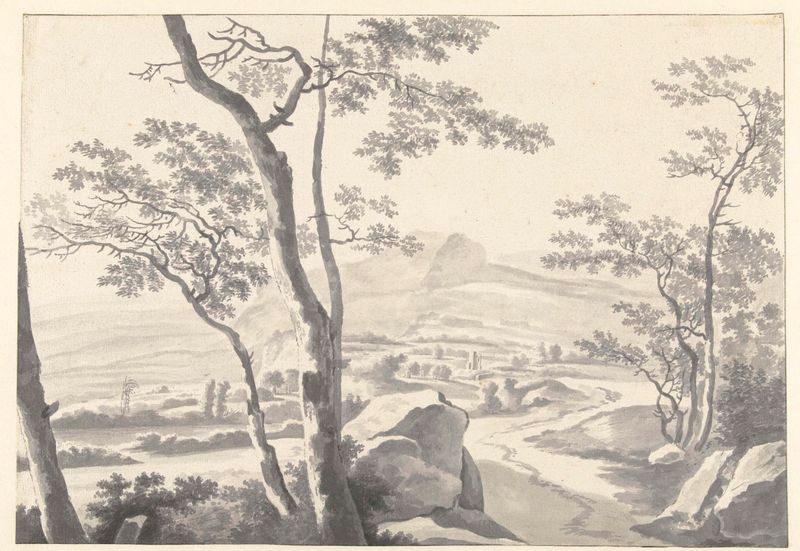
Landschap
Jan Both
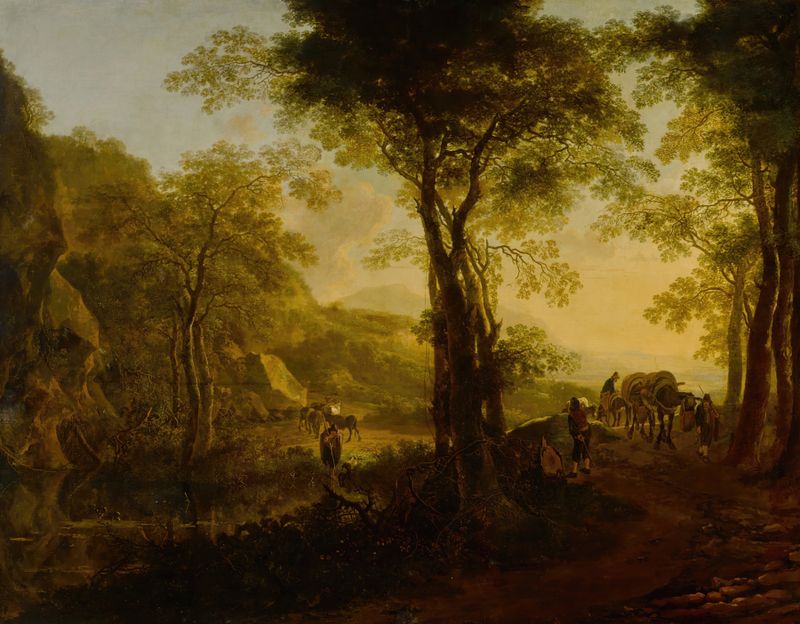
Italianate landscape at sunset, with travelers on a country road
Jan Both
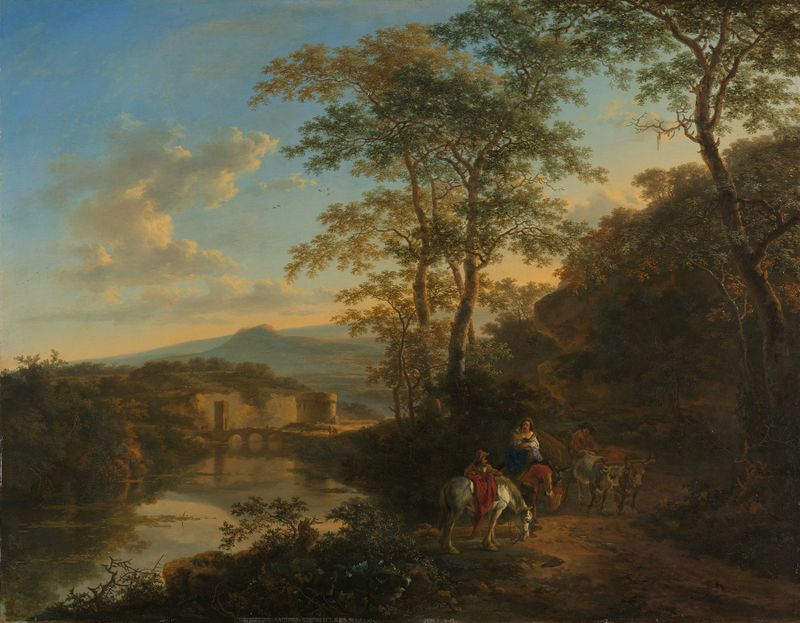
Italian Landscape with the Ponte Lucano over the Aniene River
Jan Both
A wooded landscape with travellers crossing a ford
Jan Both

Italian Landscape
Jan Both





