
Landschap met herder in octagonaal kader — History & Facts
What secret hides in the quiet of the canvas? A haunting longing reverberates through the serene landscape, inviting viewers to explore the depths of solitude and connection. Look to the left at the shepherd, his figure delicately poised against the backdrop of rolling hills and a tranquil sky. Notice how the warm hues of ochre and green blend harmoniously, evoking a sense of peace. The octagonal frame draws the eye inward, emphasizing the shepherd’s contemplative stance, while the soft brushwork creates a gentle rhythm that mirrors the landscape's undulating forms. As you observe the details, the delicate play of light reveals the emotional fabric of the scene.
The fading sunlight casts elongated shadows, suggesting the passage of time and an unfulfilled yearning. In the distance, a faint path winds toward the horizon, symbolizing the journey of life and the hopes that often remain just out of reach. Every element, from the grazing sheep to the expansive sky, speaks to the dichotomy of tranquility and longing that pervades the painting. Paul Bril painted Landschap met herder in octagonaal kader in 1648, during a time when he was establishing himself within the artistic circles of Antwerp.
The Baroque period was flourishing, characterized by emotional depth and dramatic expression. As Bril navigated the artistic landscape of his time, he managed to blend natural beauty with poignant themes of solitude, capturing the essence of longing that resonates through the ages.
More Artworks by Paul Bril
Browse all →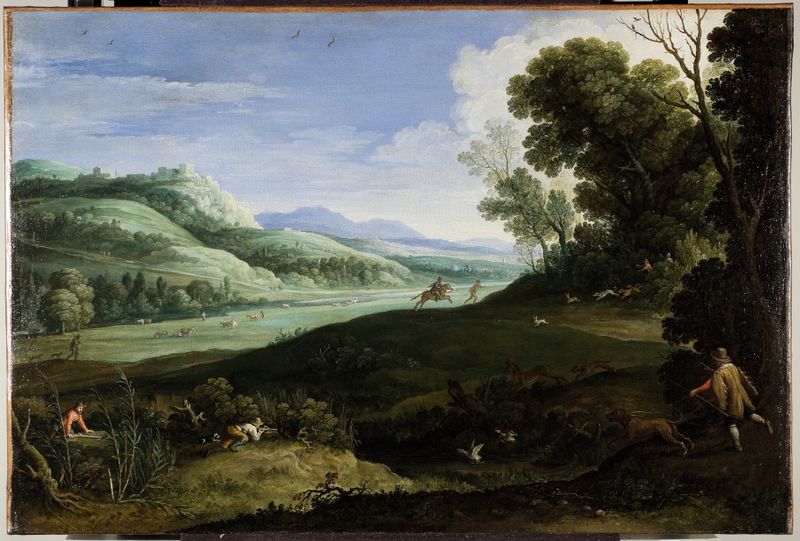
Landscape with Hunters
Paul Bril

Mountainous Landscape With Wildlife Around A Cascade
Paul Bril

Landschap met stenen brug in octagonaal kader
Paul Bril

Rivierlandschap in Campania met stad op rotsen
Paul Bril
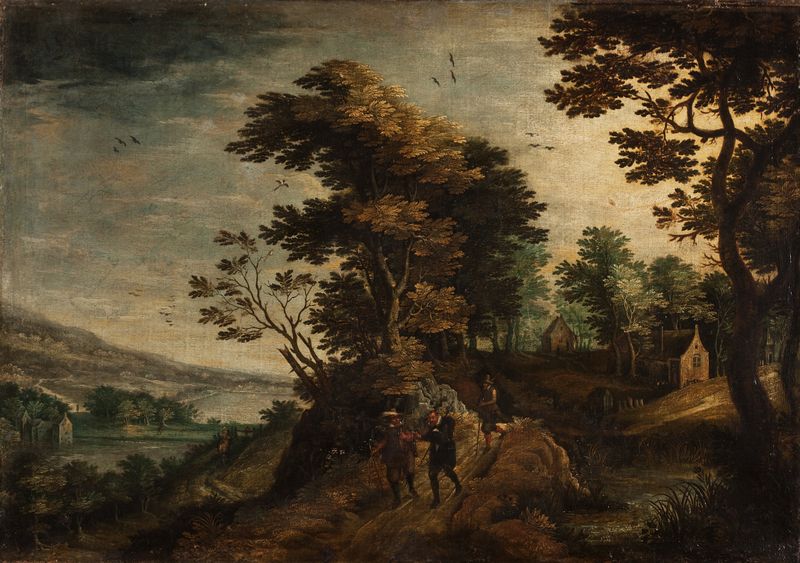
Landscape
Paul Bril
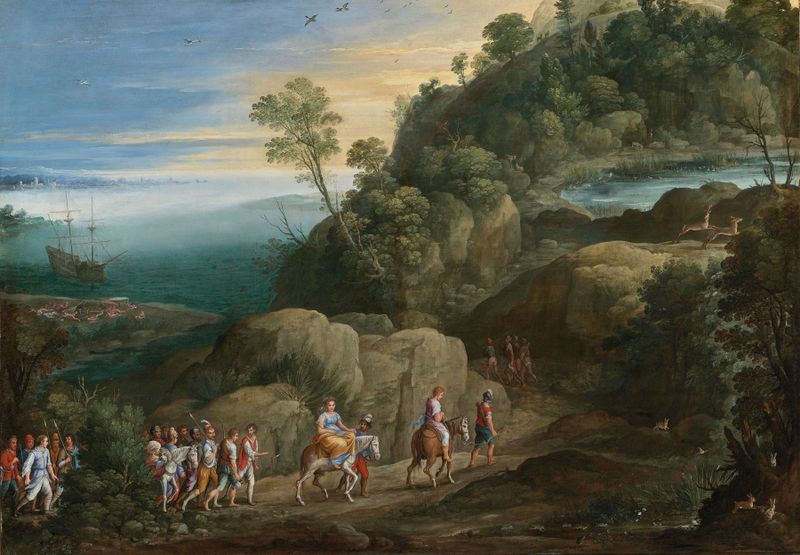
An Extensive Landscape With Scenes From The Historiae Aethiopica
Paul Bril
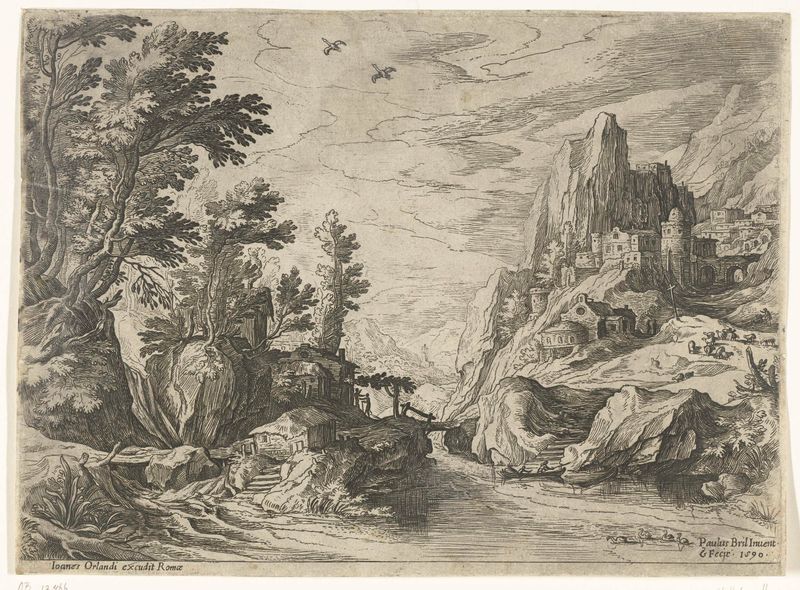
Rivierlandschap in Campania met stad op rots
Paul Bril
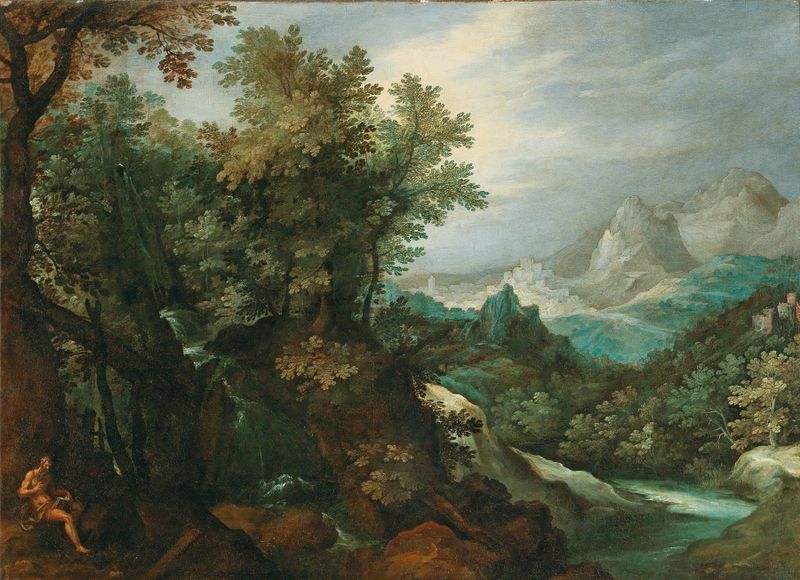
A mountainous river landscape with a hermit
Paul Bril

Mountainous Landscape with Saint Jerome
Paul Bril
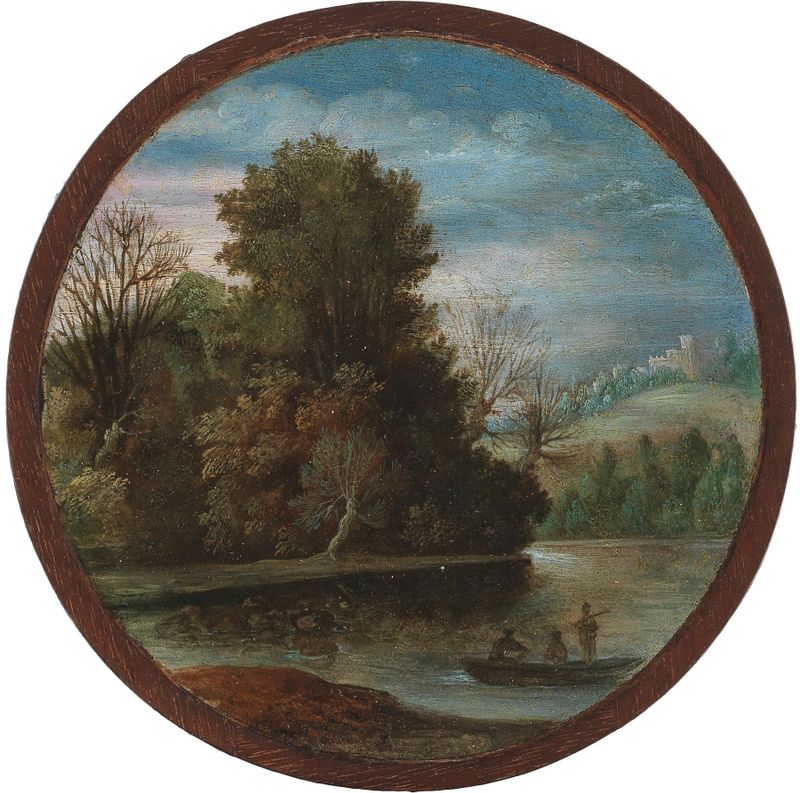
A river landscape
Paul Bril





