
Landschap met houten brug bij Sulmona nabij Tivoli — History & Facts
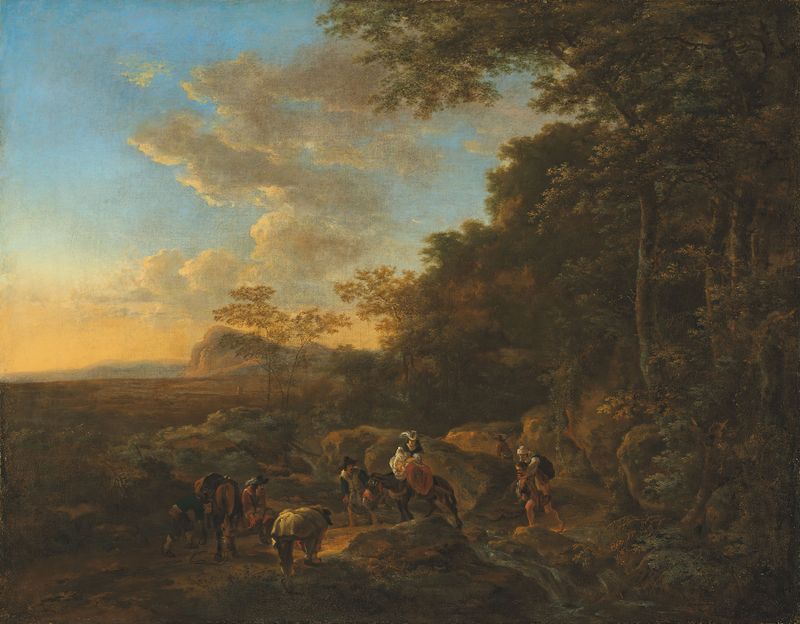
In Landschap met houten brug bij Sulmona nabij Tivoli, the shimmering stillness reaches beyond the canvas, inviting us into a world where nature breathes and time pauses. Look to the left at the wooden bridge that gracefully arches over the gentle water, its weathered texture enhanced by soft brushstrokes that evoke a sense of history. The lush greenery frames the scene, while the hazy sky, tinged with warm hues, suggests an ethereal light that bathes the landscape. The meticulous details—each leaf, each ripple—work harmoniously together, leading the viewer's gaze to the serene backdrop of distant hills, indicating Both's mastery in capturing the sublime. Here, contemplative solitude dances with the vibrancy of life; the bridge acts as a metaphor for connection and transition, inviting us to ponder the journey ahead.
The contrast between the vivid earth tones and the cool blues of the water signifies a balance between stability and fluidity, a delicate tension that resonates with the viewer. It’s a visual narrative intertwined with quiet introspection, encouraging an emotional connection that transcends the mere representation of a landscape. Jan Both painted this work between 1644 and 1652 during his time in Italy, where he was deeply influenced by the classical landscape tradition. This period was marked by Both's exploration of light and shadow, which reflected his understanding of the natural world and the evolving artistic movements of the time.
The tranquil yet profound essence of this piece captures Both's desire to convey not just the beauty of the earth, but an invitation to transcend the ordinary through nature.
More Artworks by Jan Both
Browse all →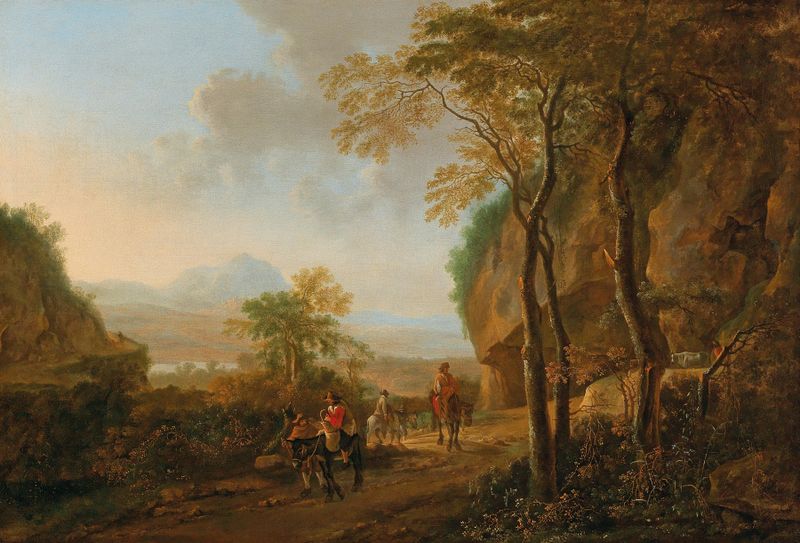
An Italianate landscape with travellers
Jan Both
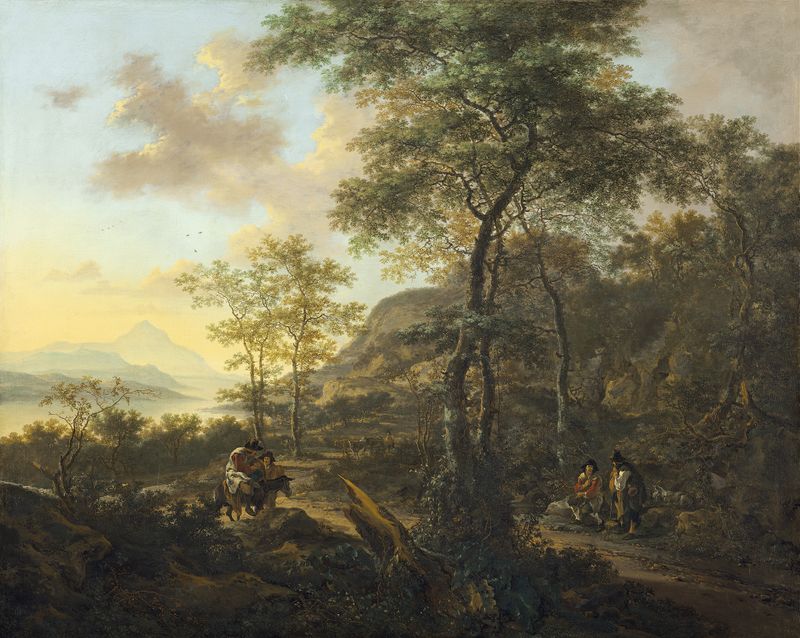
An Italianate Evening Landscape
Jan Both
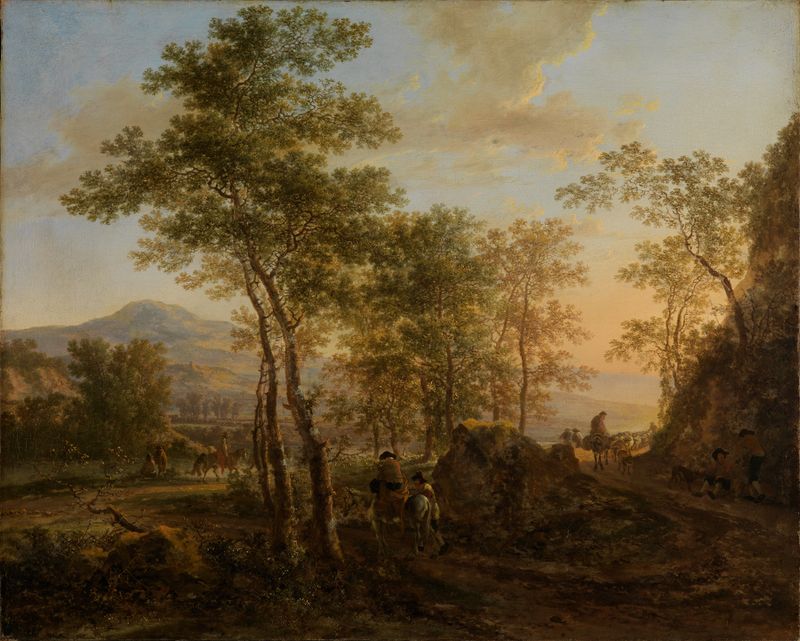
Italienische Landschaft am Abend
Jan Both
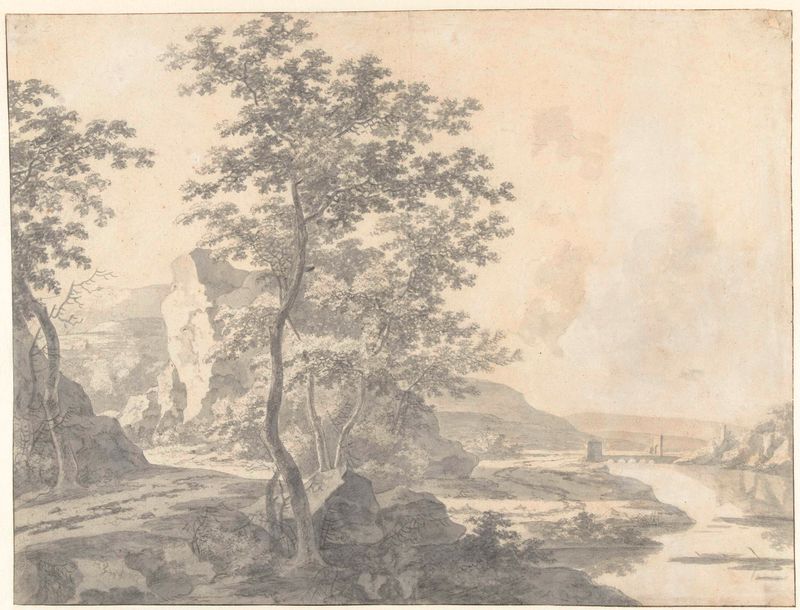
Italiaans landschap
Jan Both
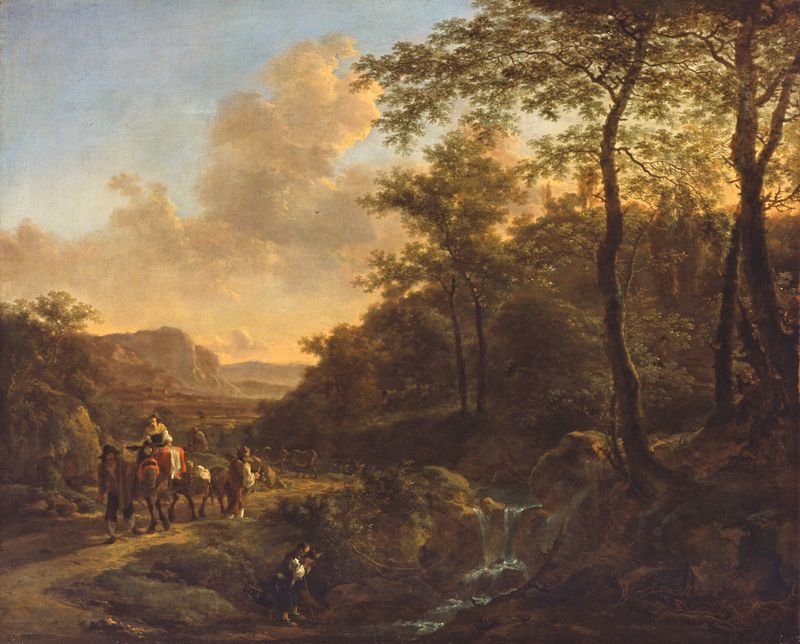
Scene of the Roman Campagna
Jan Both
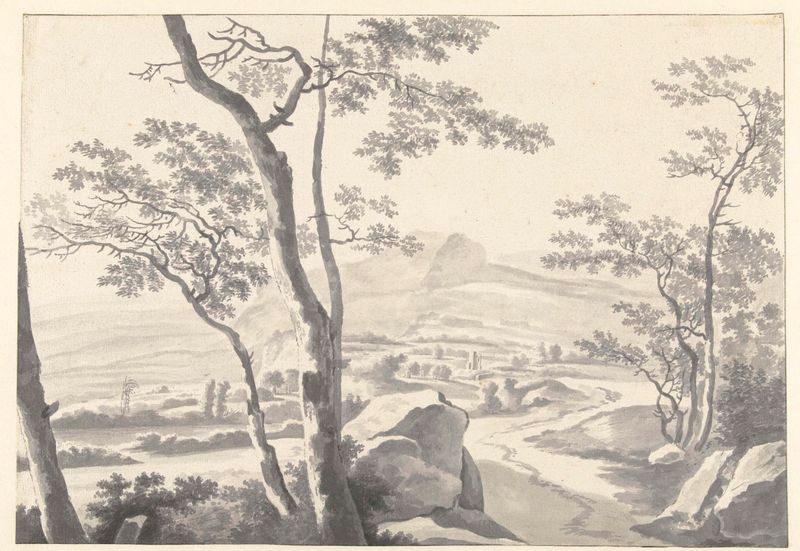
Landschap
Jan Both
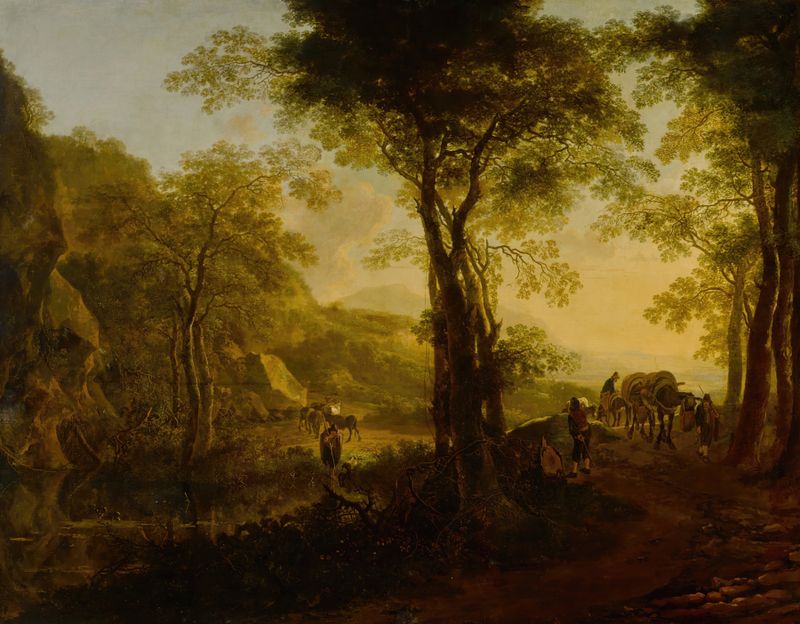
Italianate landscape at sunset, with travelers on a country road
Jan Both
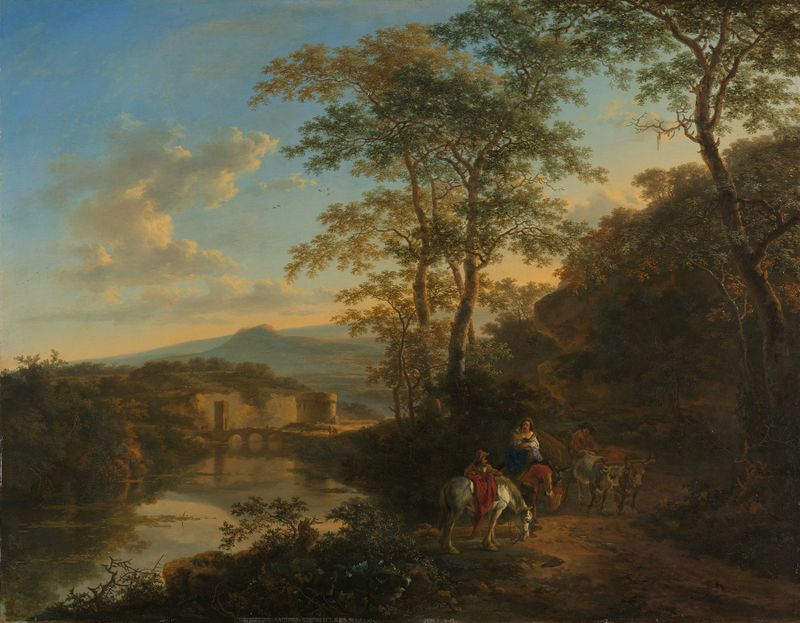
Italian Landscape with the Ponte Lucano over the Aniene River
Jan Both
A wooded landscape with travellers crossing a ford
Jan Both

Italian Landscape
Jan Both





