
Landschap met ruïnes — History & Facts
Is this a mirror — or a memory? The landscape before us whispers of lost dreams and yearning, a haunting reminder of what was once whole and vibrant. Look to the left at the crumbling arches, their weathered stones telling stories of time’s passage. The lush greenery clings to the ruins, defiantly vibrant against the somber tones of decay. Notice how the artist skillfully plays with light, illuminating the remnants with a muted glow, while shadows creep in the corners, evoking a sense of nostalgia.
The composition draws your eye through the canvas, guiding you from the foreground's rich textures to the ethereal background, where a horizon blurs between reality and imagination. Here, the interplay of nature and architecture reveals layers of emotional tension. The ruins symbolize not just physical decay, but the fleeting nature of aspiration and the relentless passage of time. Each fragment of stone and each brushstroke pulses with desire—the desire for permanence in an impermanent world.
The soft green of the foliage contrasts sharply with the ashen remnants, suggesting a lingering hope, a longing that persists even amidst ruin. This artwork emerged in 1617, a time when Europe was steeped in the aftermath of the Reformation and the rise of Baroque aesthetics. The unknown artist, likely influenced by the prevailing motifs of ruin and rebirth, captured a moment that resonates with the human experience of loss and yearning. Amidst a turbulent cultural landscape, the piece stands as a quiet meditation on the beauty inherent in what remains.
More Artworks by Unknown Artist
Browse all →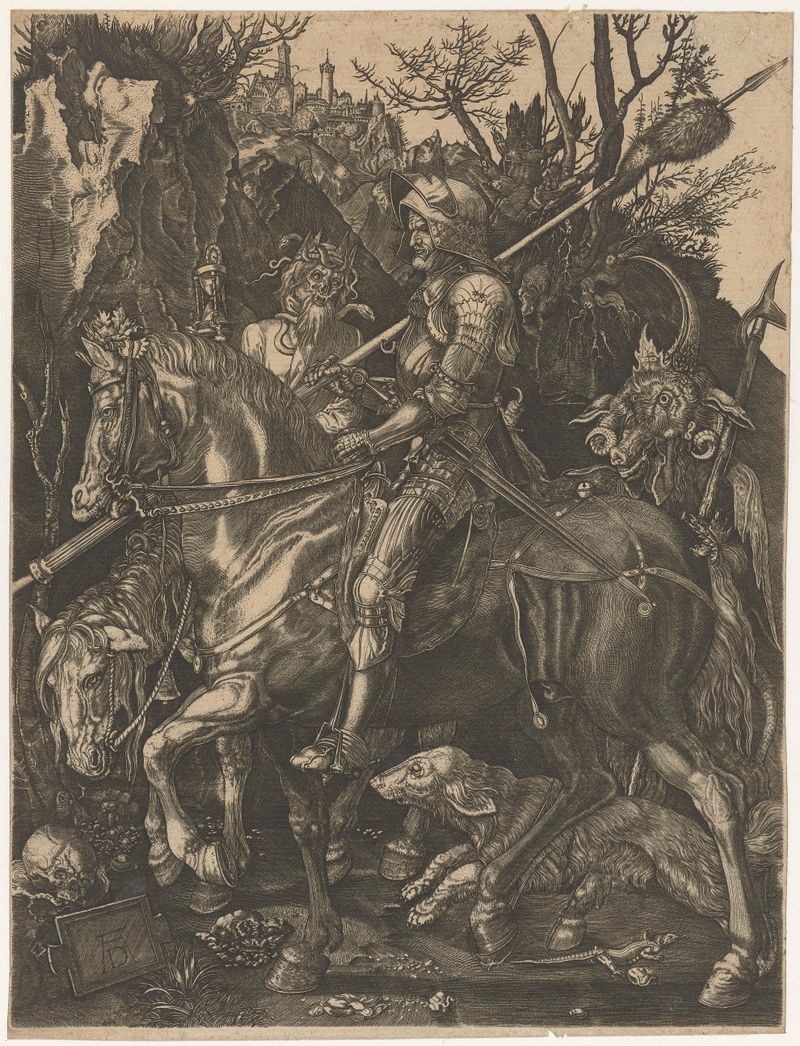
Ridder, Dood en Duivel
Unknown Artist
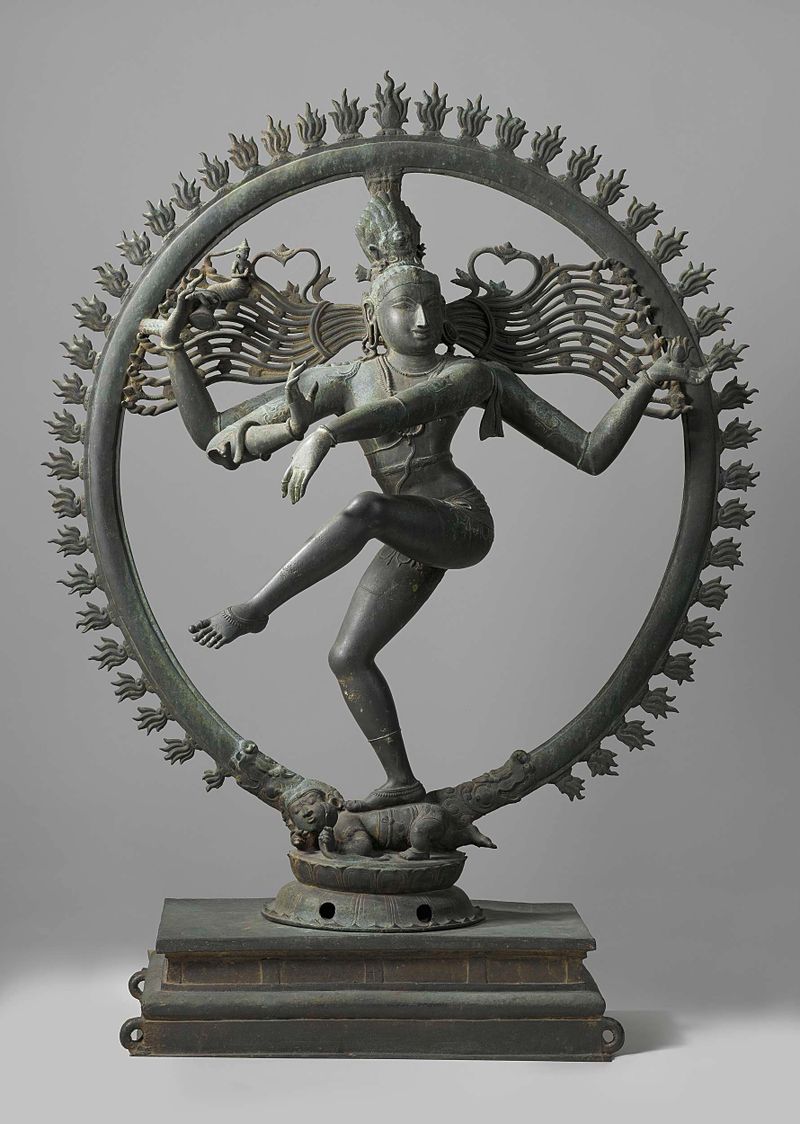
Shiva Nataraja
Unknown Artist

Portrait of Elizabeth I, Queen of England
Unknown Artist
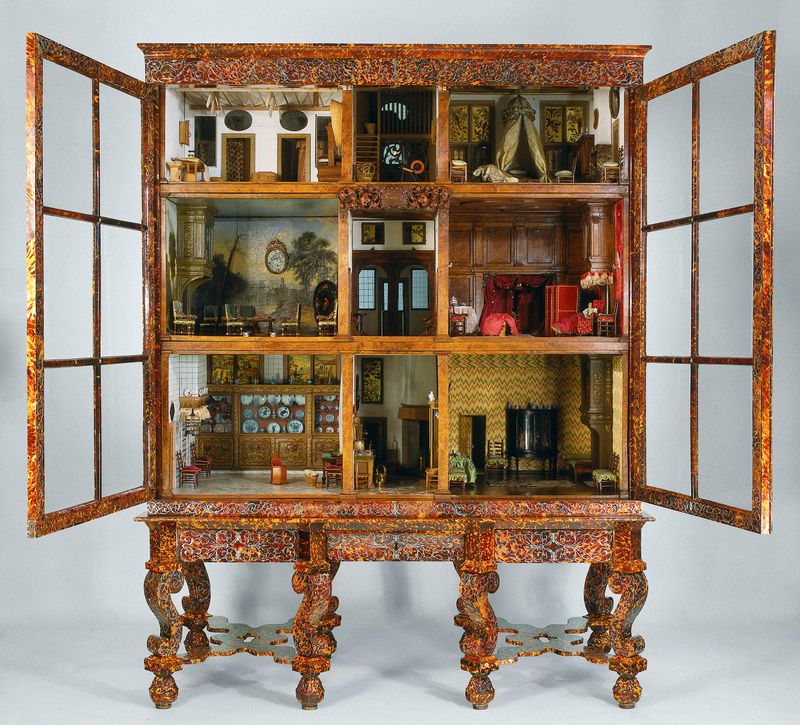
Dolls’ house of Petronella Oortman
Unknown Artist
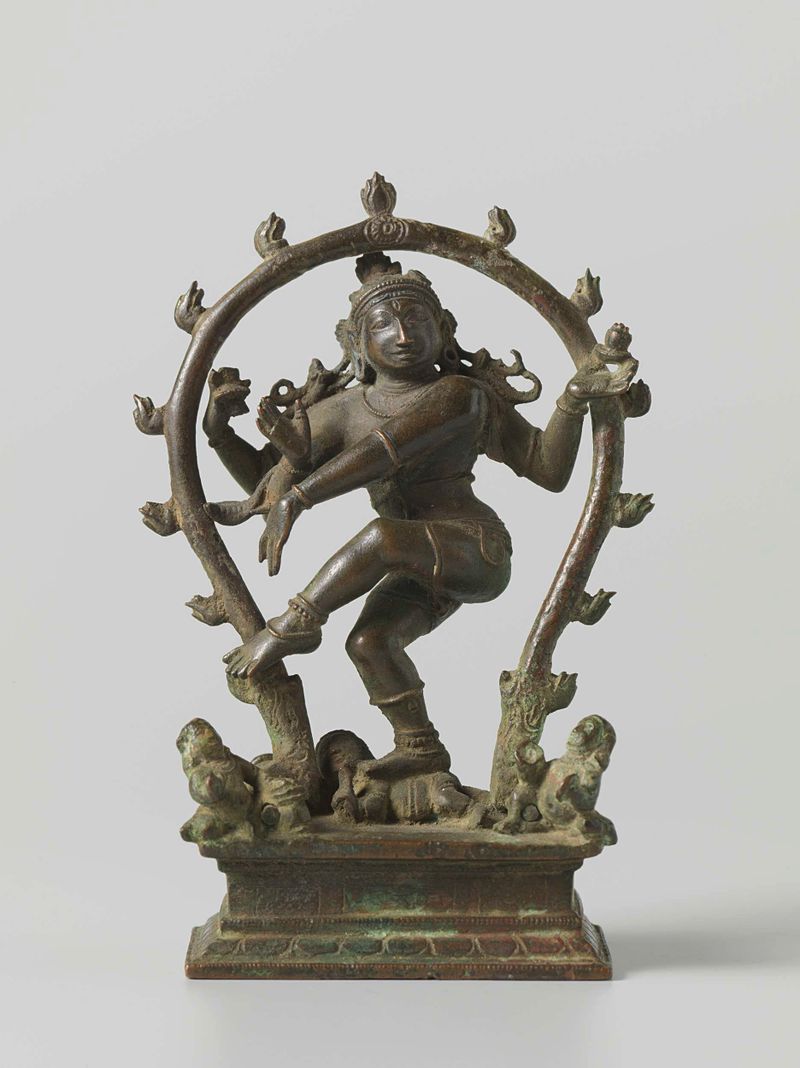
Shiva Nataraja
Unknown Artist

The Tale of Genji
Unknown Artist

The Tale of Genji
Unknown Artist
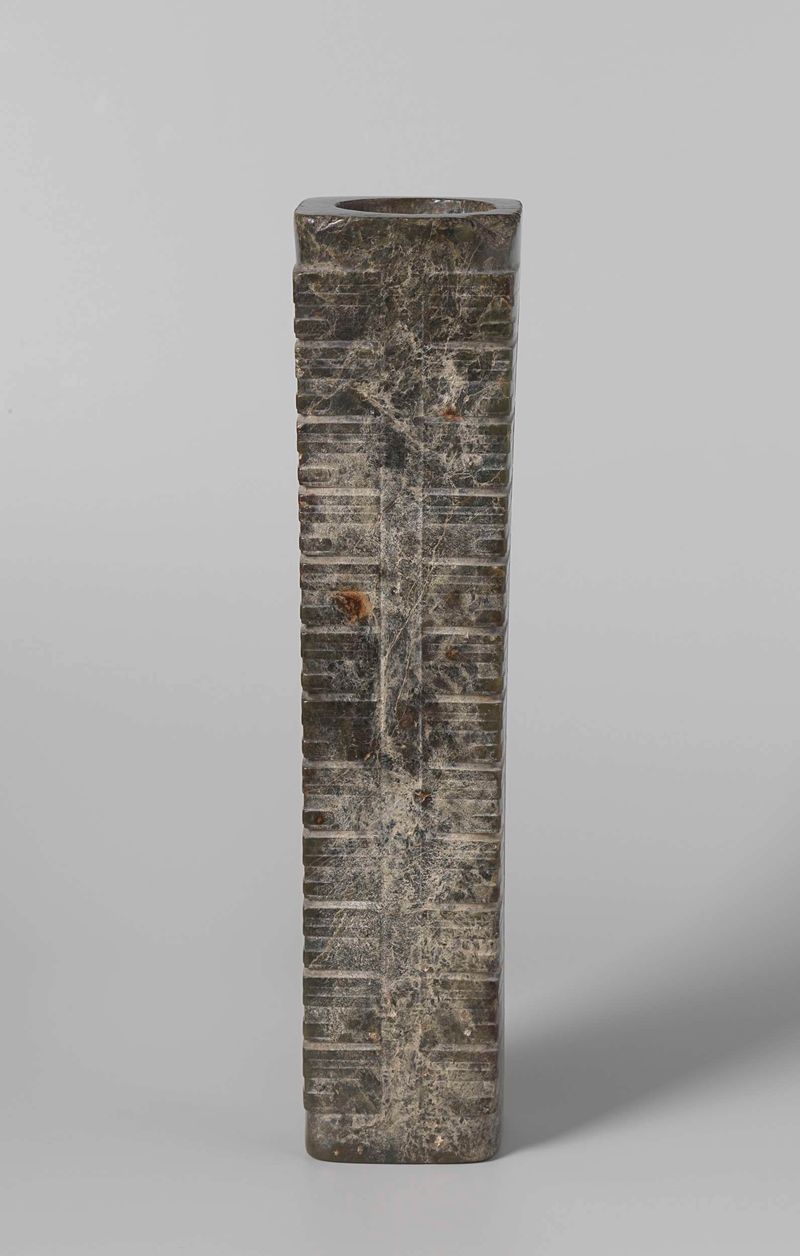
Cong
Unknown Artist
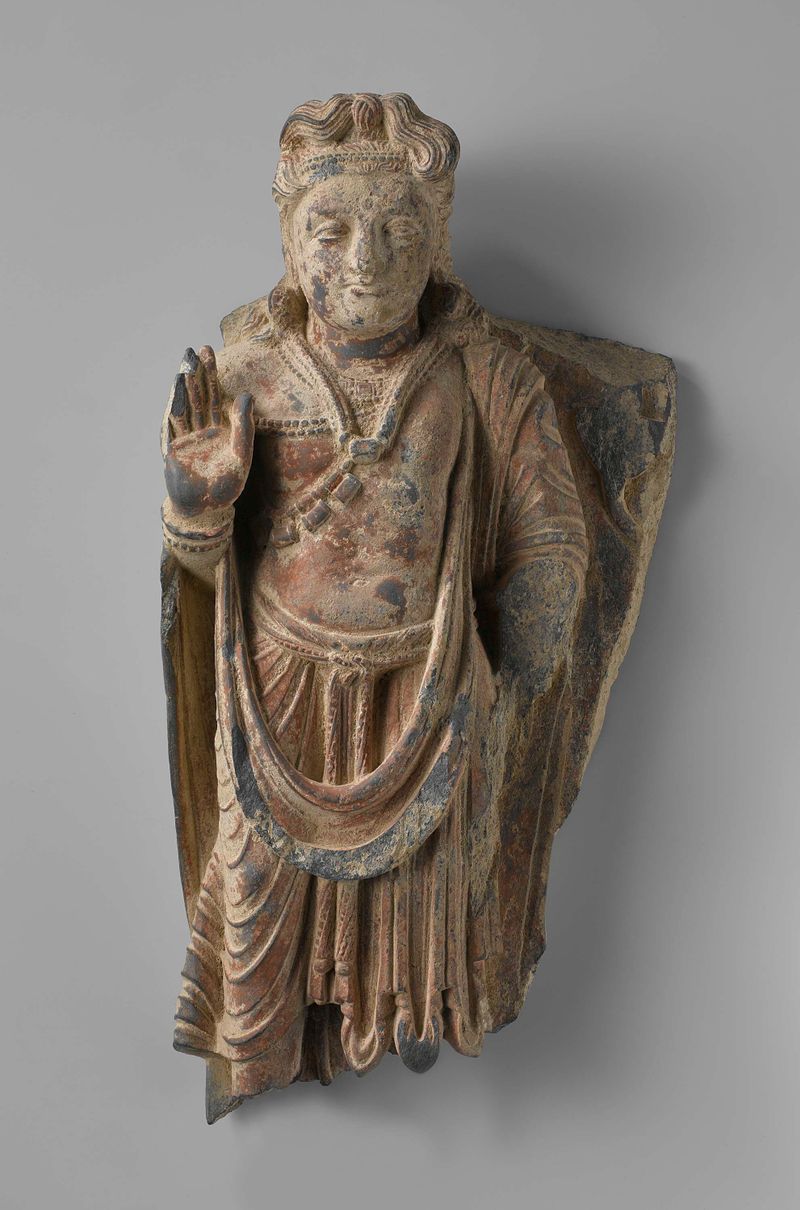
The bodhisattva Maitreya
Unknown Artist
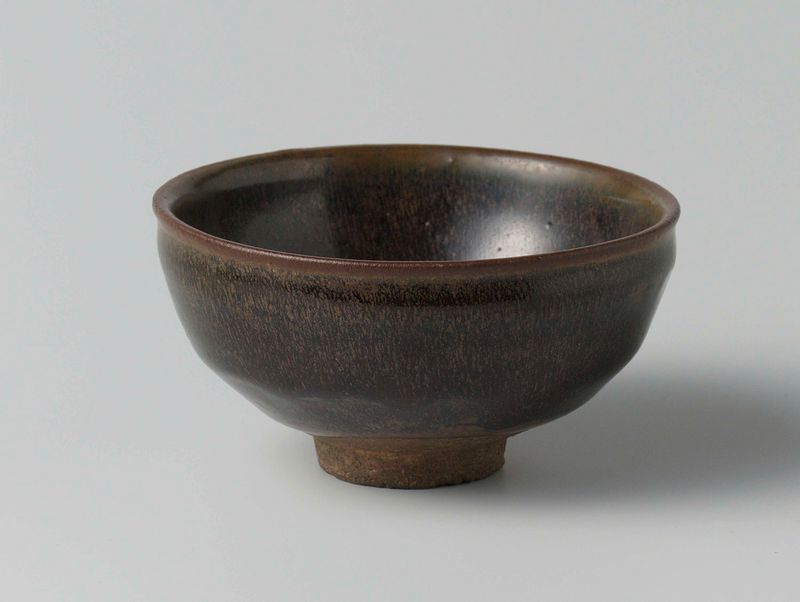
Teabowl with a 'hare's fur' glaze
Unknown Artist





