
Landschap met sloot — History & Facts
In the quietude of a landscape, one finds a delicate balance between serenity and unease, an echo of the unspoken truths that linger in the silence. Look to the center of the canvas and observe how the muted greens and browns of the fields cradle the gentle flow of the waterway. Notice the subtle play of light that dances across the surface, creating a glimmering pathway that invites the viewer into the depths of the scene. The soft brushstrokes meld the foreground with the horizon, while the sparse clouds above hint at a brewing storm, capturing the ephemeral nature of tranquility. Upon closer inspection, small details emerge—an abandoned rowboat partially hidden in the reeds, suggesting a story left untold.
The stillness of the water reflects not just the sky but the weight of time and emotion, contrasting the vibrant life hinted at in the surrounding foliage. This tension between the lushness of the landscape and the lonely waterway evokes feelings of longing and introspection, revealing the multifaceted layers of existence. Willem Adrianus Grondhout painted Landschap met sloot during a period marked by significant changes in both his personal life and the broader art world. Between 1888 and 1934, as he navigated the shifting tides of his career in the Netherlands, he embraced a stance of realism infused with a reflective lens, mirroring the evolving perspectives of contemporary artists.
More Artworks by Willem Adrianus Grondhout
Browse all →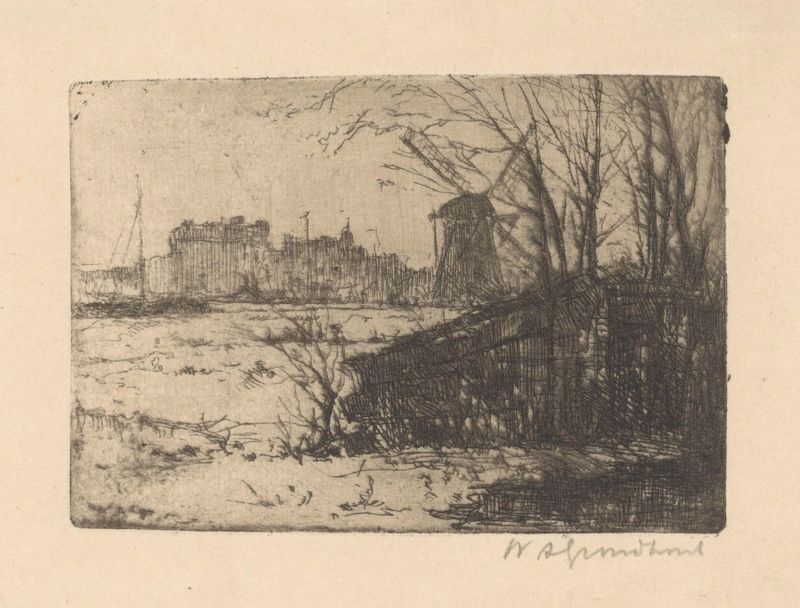
Landschap met molen in de Binckhorst in Den Haag
Willem Adrianus Grondhout
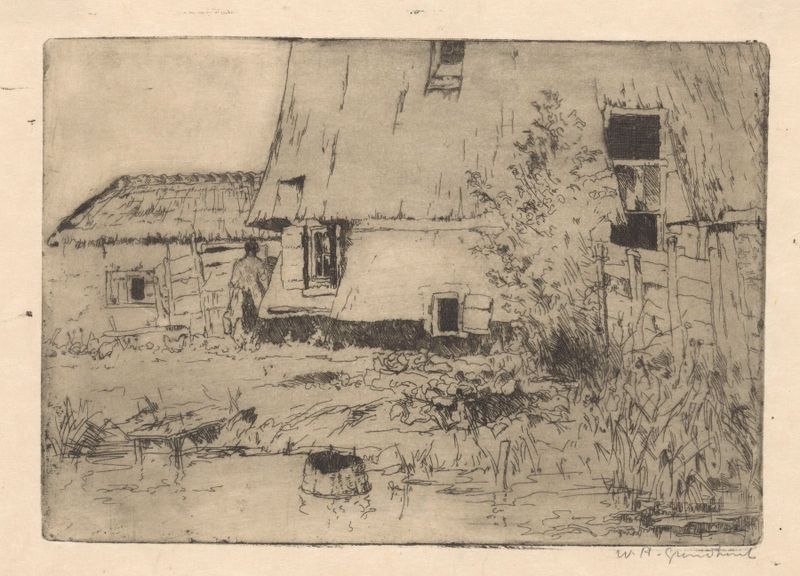
Voet van een molen in Voorburg
Willem Adrianus Grondhout
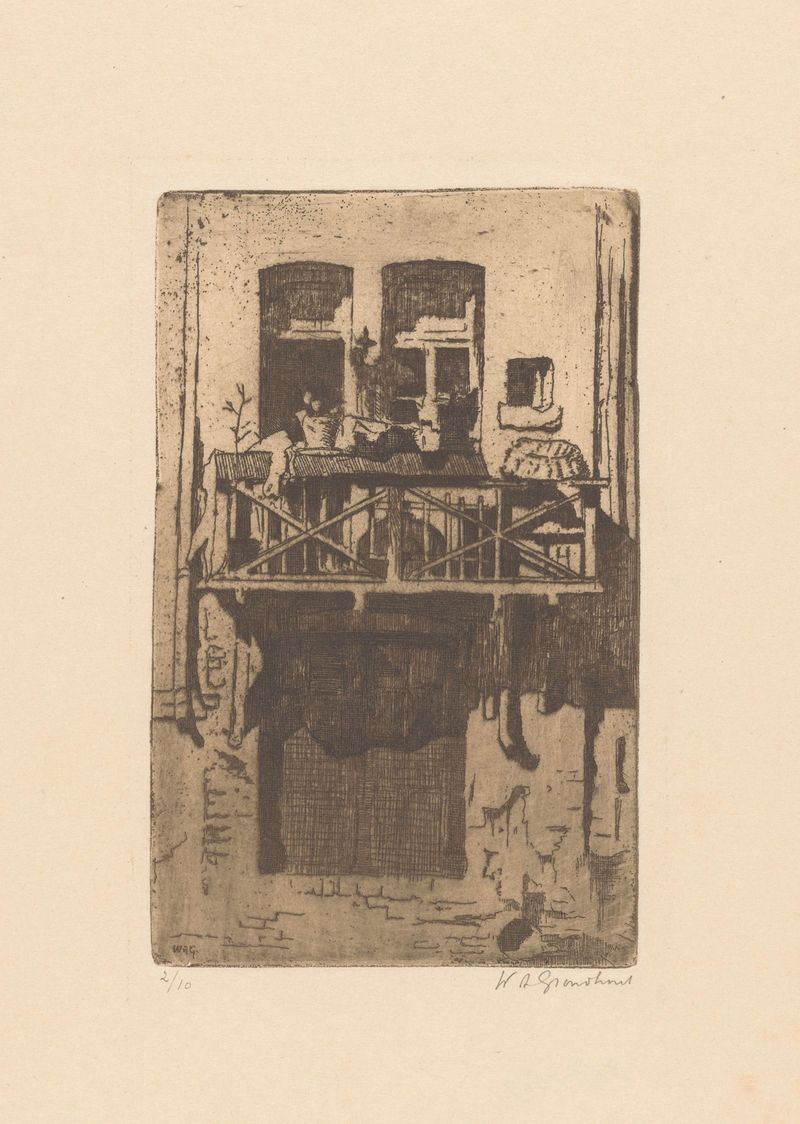
Balkon van een huis aan de Oudezijds Kolk in Amsterdam
Willem Adrianus Grondhout
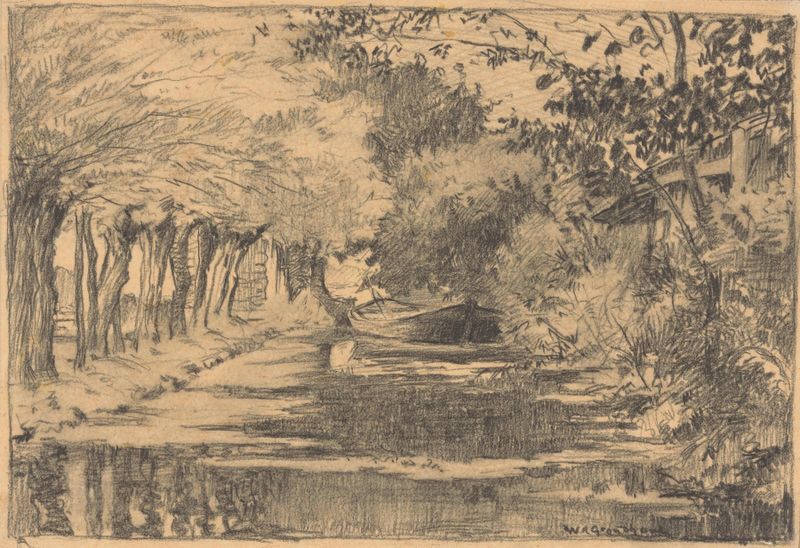
Broeksloot bij Voorburg
Willem Adrianus Grondhout
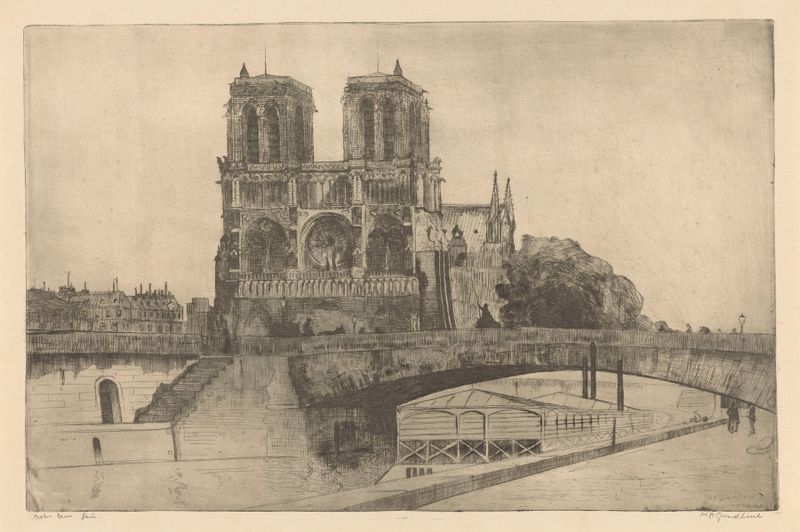
Notre-Dame, Paris
Willem Adrianus Grondhout
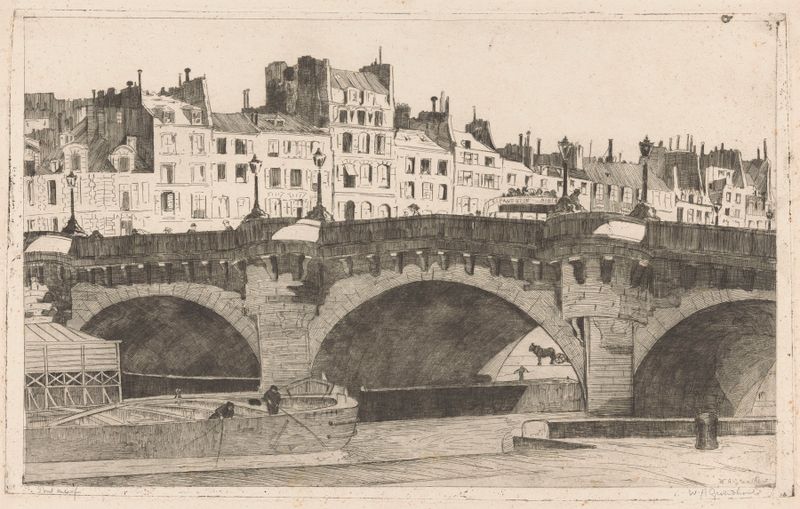
Pont Neuf
Willem Adrianus Grondhout
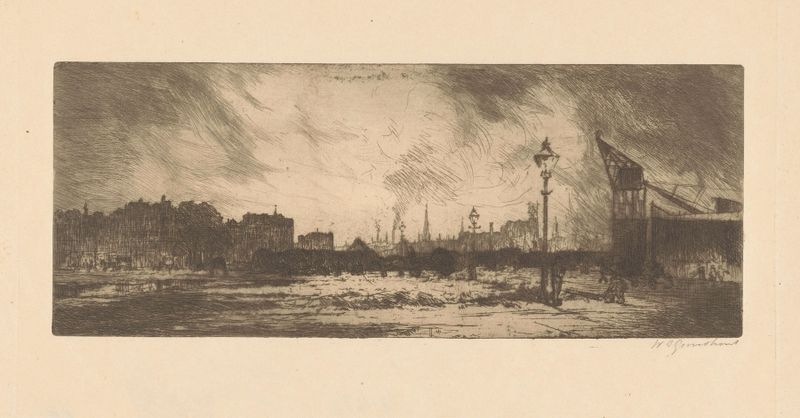
Havenkade met lantaarnpalen in Rotterdam
Willem Adrianus Grondhout
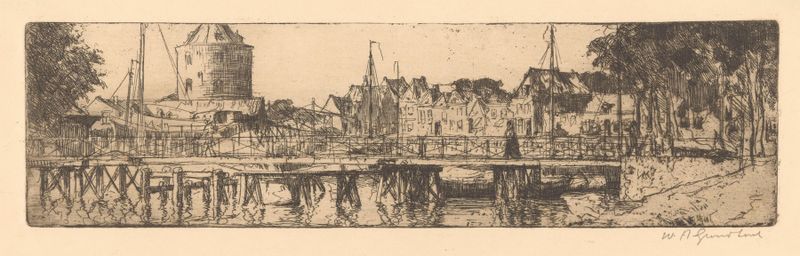
Enkhuizen
Willem Adrianus Grondhout
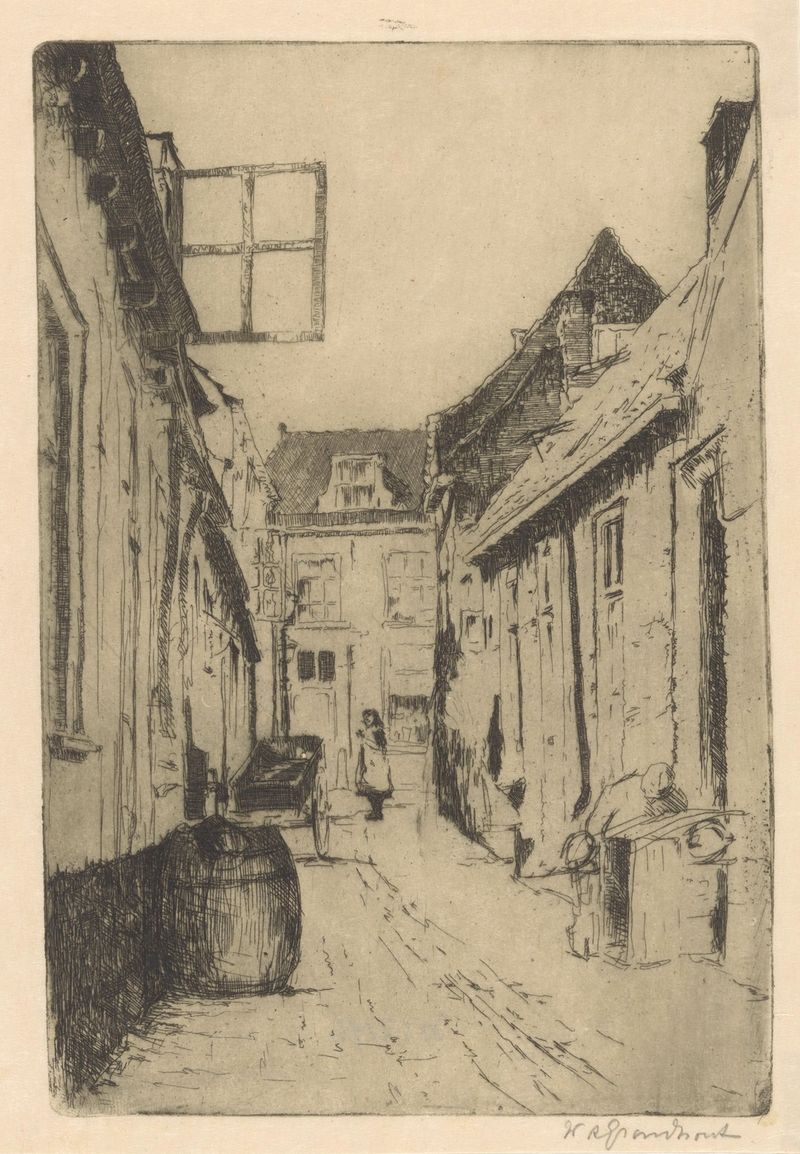
Straatje in Voorburg.
Willem Adrianus Grondhout
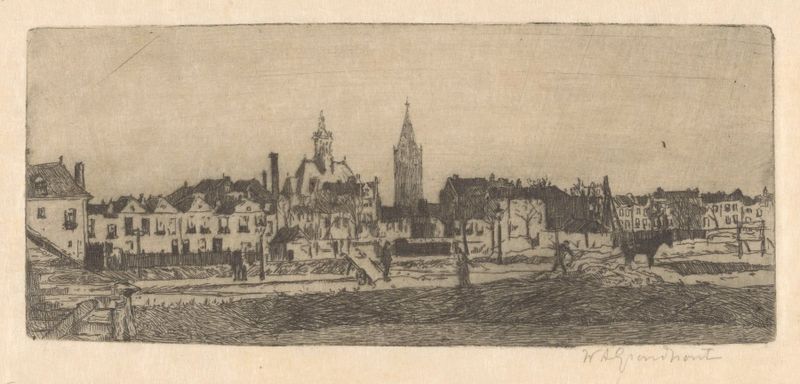
Delft
Willem Adrianus Grondhout





