
Landschap met veerpont en wachtende reizigers aan oever van de Tiber — History & Facts
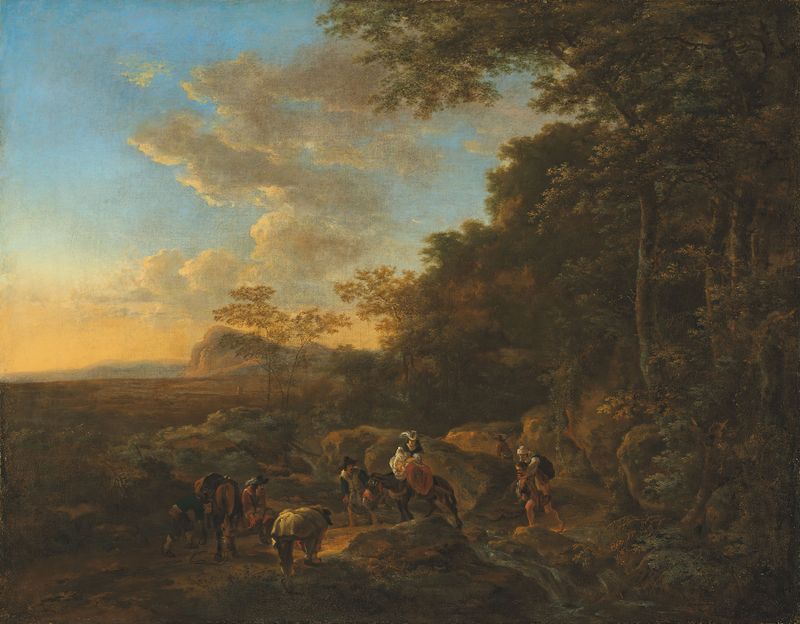
Can paint confess what words never could? In Landschap met veerpont en wachtende reizigers aan oever van de Tiber, the essence of human yearning and the gentle promise of rebirth manifest beautifully along the banks of the Tiber. Look to the left, where a soft, hazy light blankets the landscape, illuminating the figures of travelers poised at the water’s edge. The triangular composition draws your eyes to the boat’s dark hull, bobbing gently against the river's serene surface. Notice how the verdant greens of the foliage contrast with the muted earth tones of the figures, creating a harmonious balance that invites contemplation.
The brushwork has a softness that belies the urgency of the scene, lending the moment an air of quiet anticipation. Delve deeper into the small details: the expressions of patience on the travelers’ faces, suggesting stories untold and journeys paused. The boat, a vessel of both literal and metaphorical transition, stands as a potent symbol of hope and new beginnings. The calm surface of the Tiber reflects not just the landscape, but the dreams and aspirations of those waiting, embodying the interplay between stillness and the potential for movement. Jan Both painted this evocative piece between 1642 and 1652, during a time when Dutch art was flourishing and landscapes became a favored subject.
Having settled in Italy, he was deeply influenced by the local scenery and light, which informed his distinctive style. This period marked a shift in his career, as he sought to capture not just the physical landscape, but the emotional resonance found within it, echoing the broader themes of transition and rebirth that defined the era.
More Artworks by Jan Both
Browse all →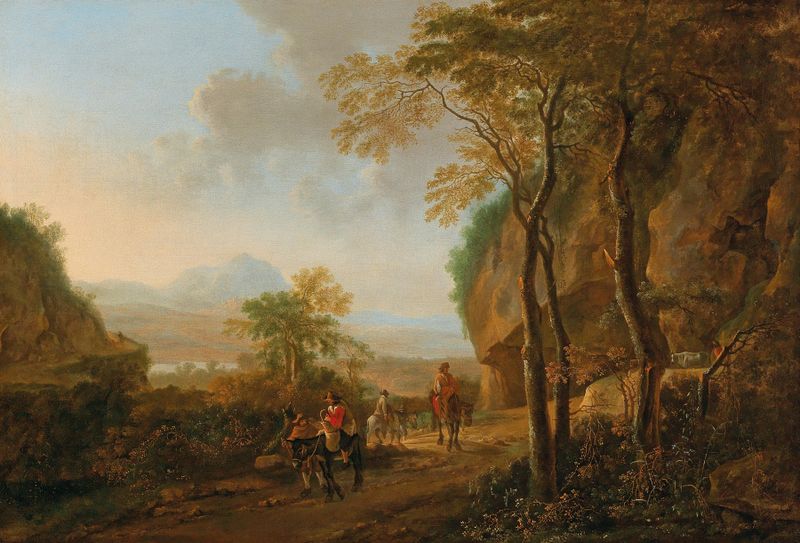
An Italianate landscape with travellers
Jan Both
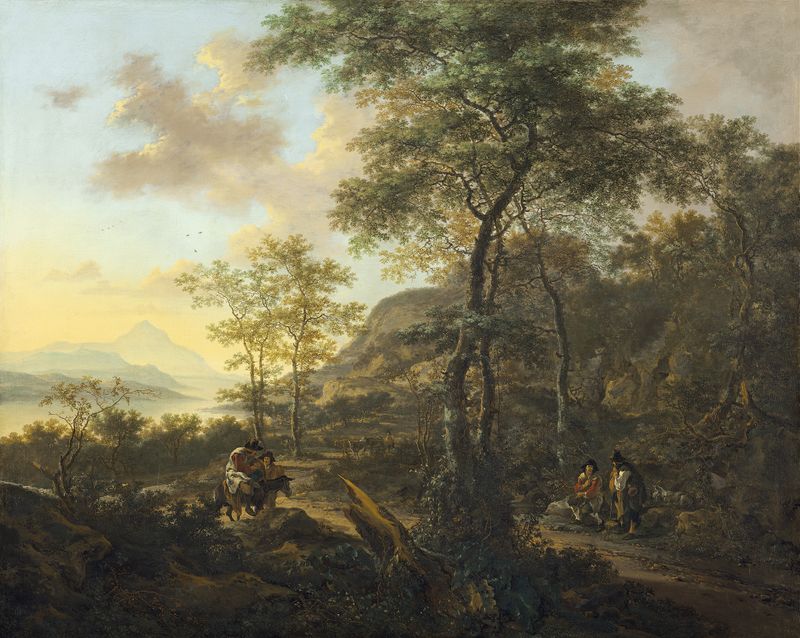
An Italianate Evening Landscape
Jan Both
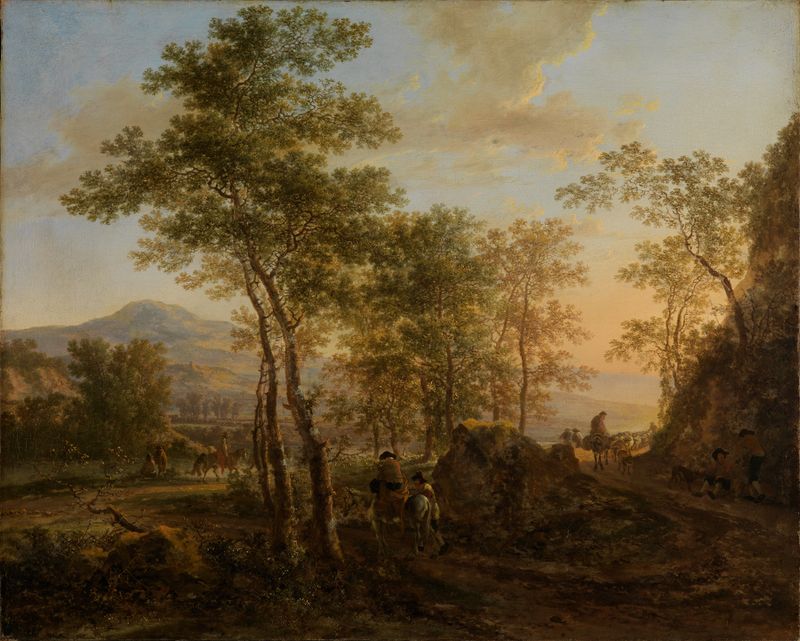
Italienische Landschaft am Abend
Jan Both
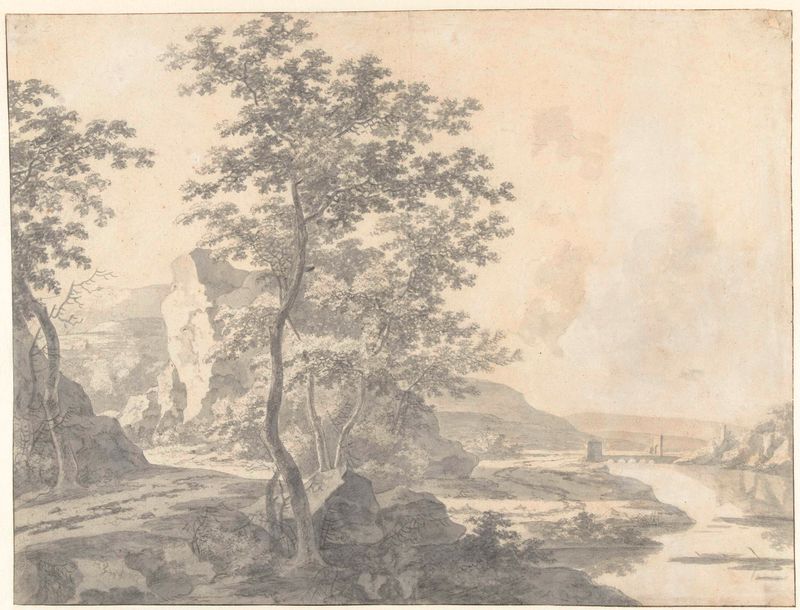
Italiaans landschap
Jan Both
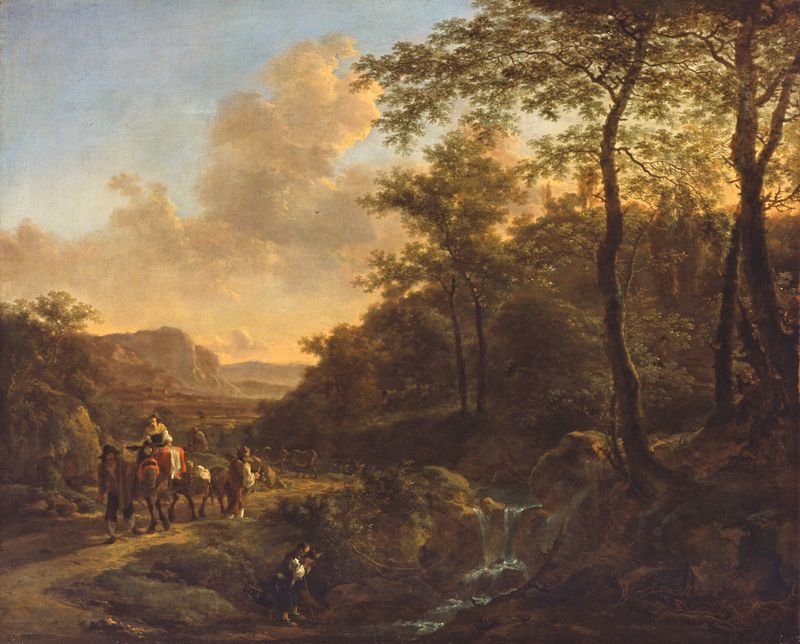
Scene of the Roman Campagna
Jan Both
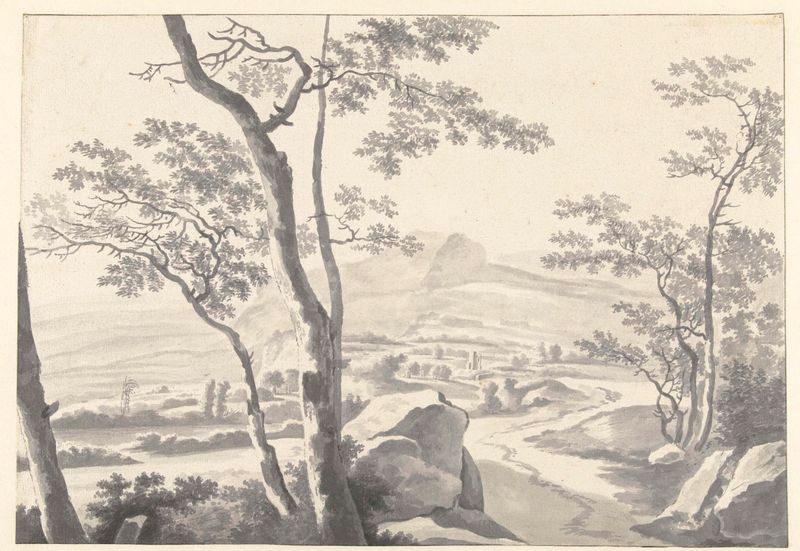
Landschap
Jan Both
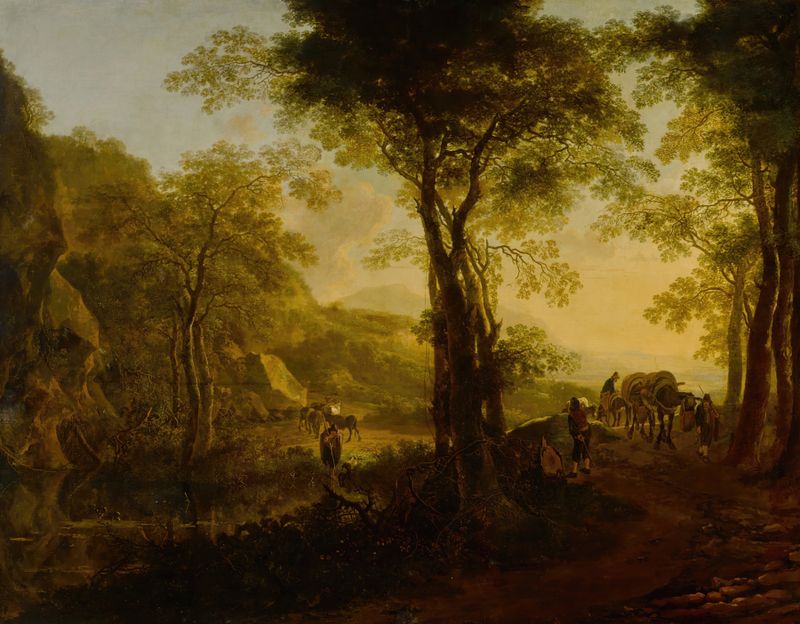
Italianate landscape at sunset, with travelers on a country road
Jan Both
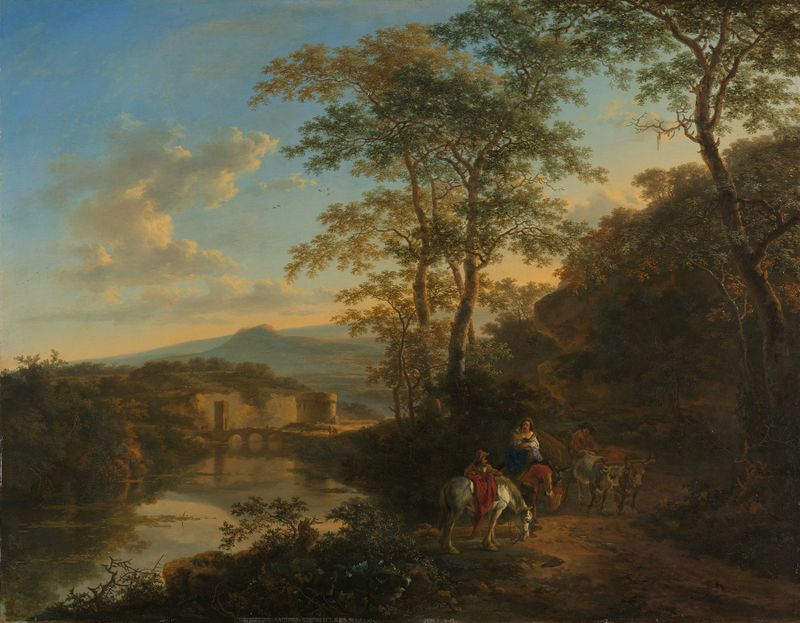
Italian Landscape with the Ponte Lucano over the Aniene River
Jan Both
A wooded landscape with travellers crossing a ford
Jan Both

Italian Landscape
Jan Both





