
Landschap met windmolen — History & Facts
What if beauty was never meant to be finished? In Landschap met windmolen, we are left to ponder the ephemeral nature of tranquility, as a seemingly serene landscape lays bare the hidden tensions of existence. Focus on the expansive sky, where billowy clouds hover above a quaint windmill, its blades frozen in an incomplete dance. The soft greens of the fields below contrast sharply with the turbulent grays above, invoking a sense of unease beneath the idyllic surface. Notice how the horizon stretches infinitely, leading your eye toward a distant village, hinting at lives lived under the watchful gaze of nature’s elements, while brush strokes evoke a sense of motion, as if the landscape itself breathes. In this painting, the juxtaposition of calm beauty and potential chaos suggests a deeper narrative.
The windmill, traditionally a symbol of human ingenuity, now stands as a sentinel, caught in a moment of stillness that belies the storm brewing overhead. The rich color palette and detailed textures illustrate not just the landscape, but also the emotional undercurrents of longing and betrayal, as man’s creations face the raw power of the natural world. This tension invites a reflection on the impermanence of human endeavor amidst the relentless march of time. Jan Hulswit created Landschap met windmolen between 1776 and 1822, during a period of artistic exploration within the Dutch landscape genre.
His work emerged in a time when the Romantic movement was beginning to influence perceptions of nature, emphasizing emotion over form. Hulswit’s approach reflects both the beauty and the fragility of the world around him, capturing the essence of a moment that resonates with contemporary emotions and experiences.
More Artworks by Jan Hulswit
Browse all →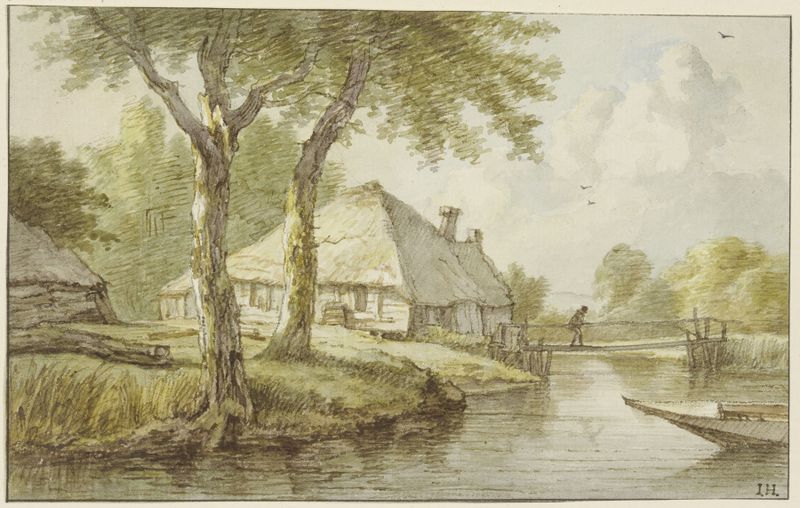
Bei zwei Bäumen ein Haus am Wasser, ein Steg, rechts die Spitze eines Kahnes
Jan Hulswit
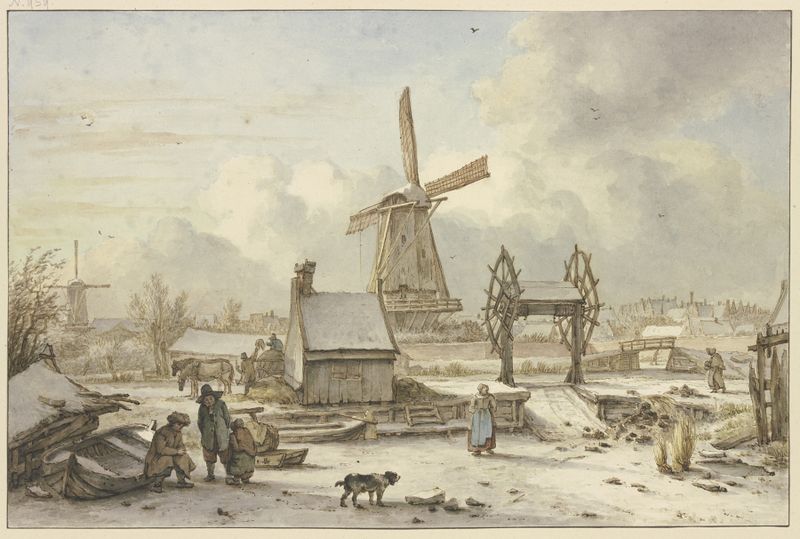
Winterlandschaft mit Schiffhebewerk und Windmühle
Jan Hulswit

De vervallen wal te Amsterdam met de Weteringpoort, gezien over de Buitensingel
Jan Hulswit

Gezicht aan de vervallen wal te Amsterdam aan de stadszijde tussen de Muiderpoort en de Weesperpoort
Jan Hulswit

Winterlandschaft mit Schlittschuhläufern auf einem Kanal
Jan Hulswit
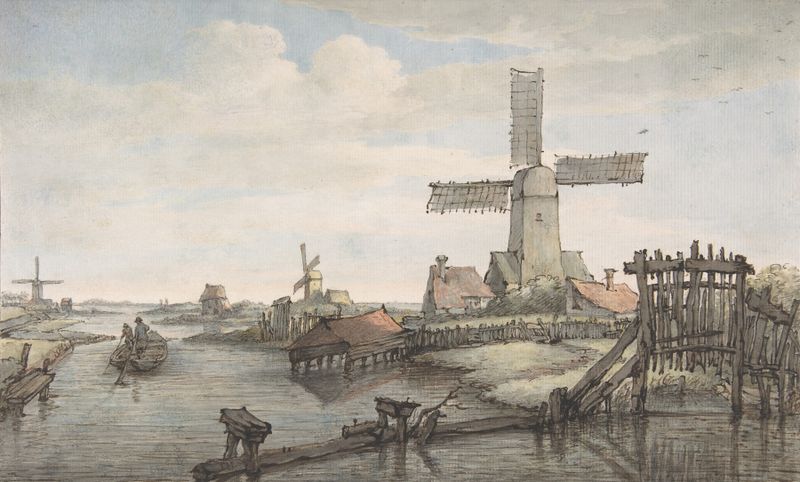
View of a Canal with Three Windmills
Jan Hulswit
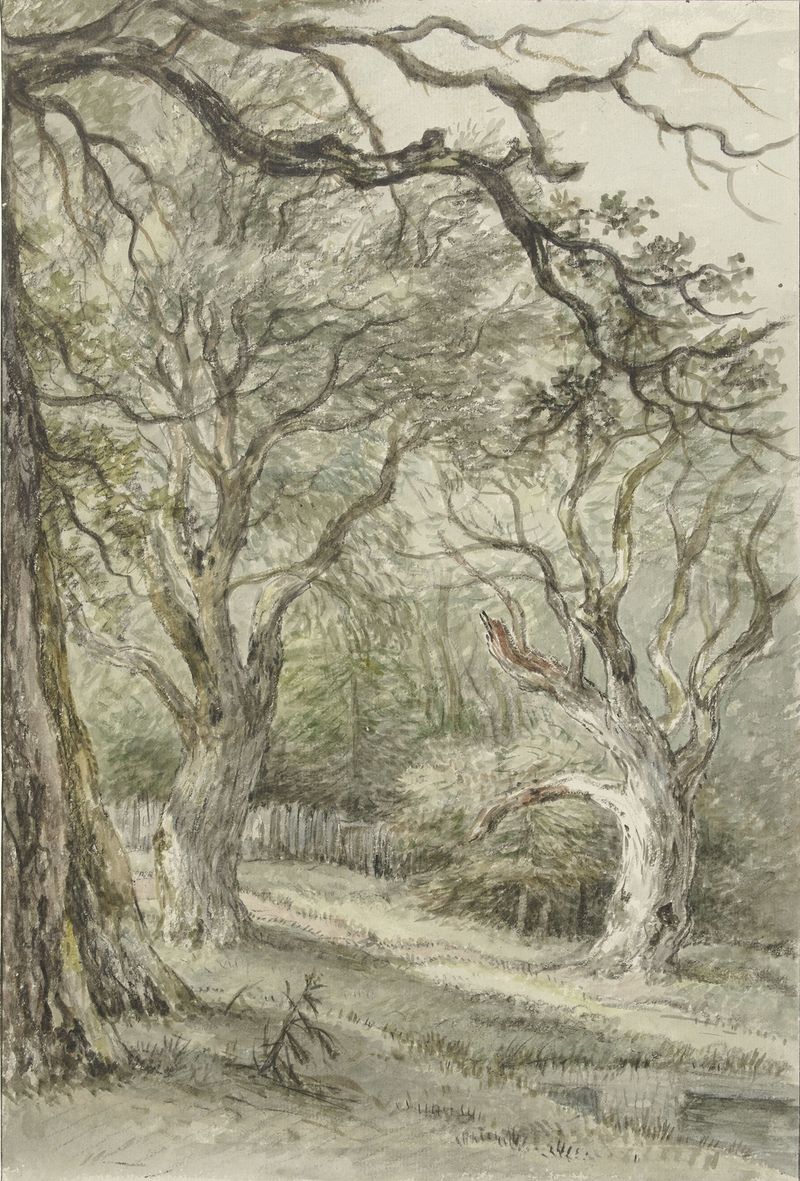
Bosgezicht
Jan Hulswit
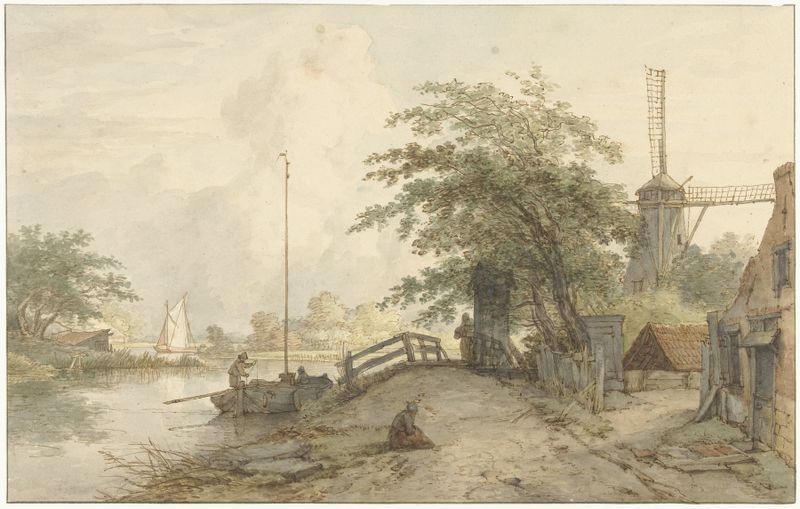
Landschap met bruggetje en huis aan weg langs een water
Jan Hulswit
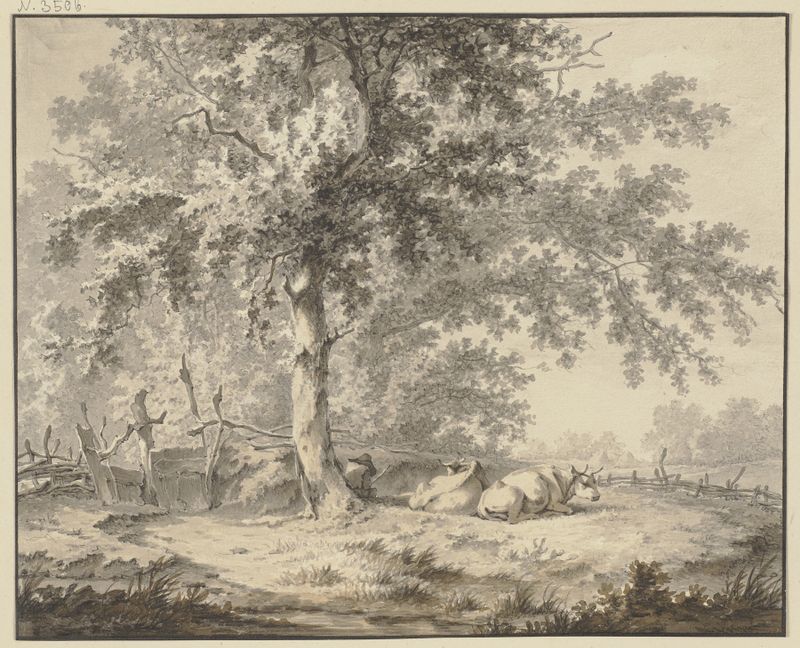
Unter einer Eiche an einem Zaun ein Hirte mit zwei Kühen
Jan Hulswit

Winterlandschaft, ein Wanderer überquert auf einem Steg einen Bach
Jan Hulswit





