
Landweg met brug — History & Facts
In this moment, one can reflect on how the traces of life intertwine with the inevitable passage of time and the shadows of mortality. Focus on the winding path that draws the eye across the canvas, leading toward a delicate wooden bridge that appears almost ephemeral against the backdrop of lush greenery. Notice how the vibrant greens juxtaposed with soft earth tones create a harmonious balance, while dappled sunlight filters through tree branches, casting gentle patches of light on the ground. The brushwork evokes a sense of movement, giving life to the serene landscape that invites contemplation. As you explore further, observe the subtle details that hint at deeper meanings: the bridge, a symbol of transition, connects two realms—perhaps life and death, presence and absence.
The muted tones in the foreground suggest decay, while the brighter hues in the background signal hope and renewal. This interplay between vibrancy and desaturation echoes the artist's meditation on the fleeting nature of existence, urging viewers to grasp the beauty in transience. Pieter Dupont painted this work in 1895, during a period when the world was on the brink of modernity, and artists were grappling with themes of change and identity. Living in Belgium, he was influenced by the Impressionist movement, yet maintained a unique perspective, using landscapes to communicate profound existential reflections.
This piece encapsulates his exploration of the human condition, echoing the sentiment that life, much like this path and bridge, is both a journey and a passage.
More Artworks by Pieter Dupont
Browse all →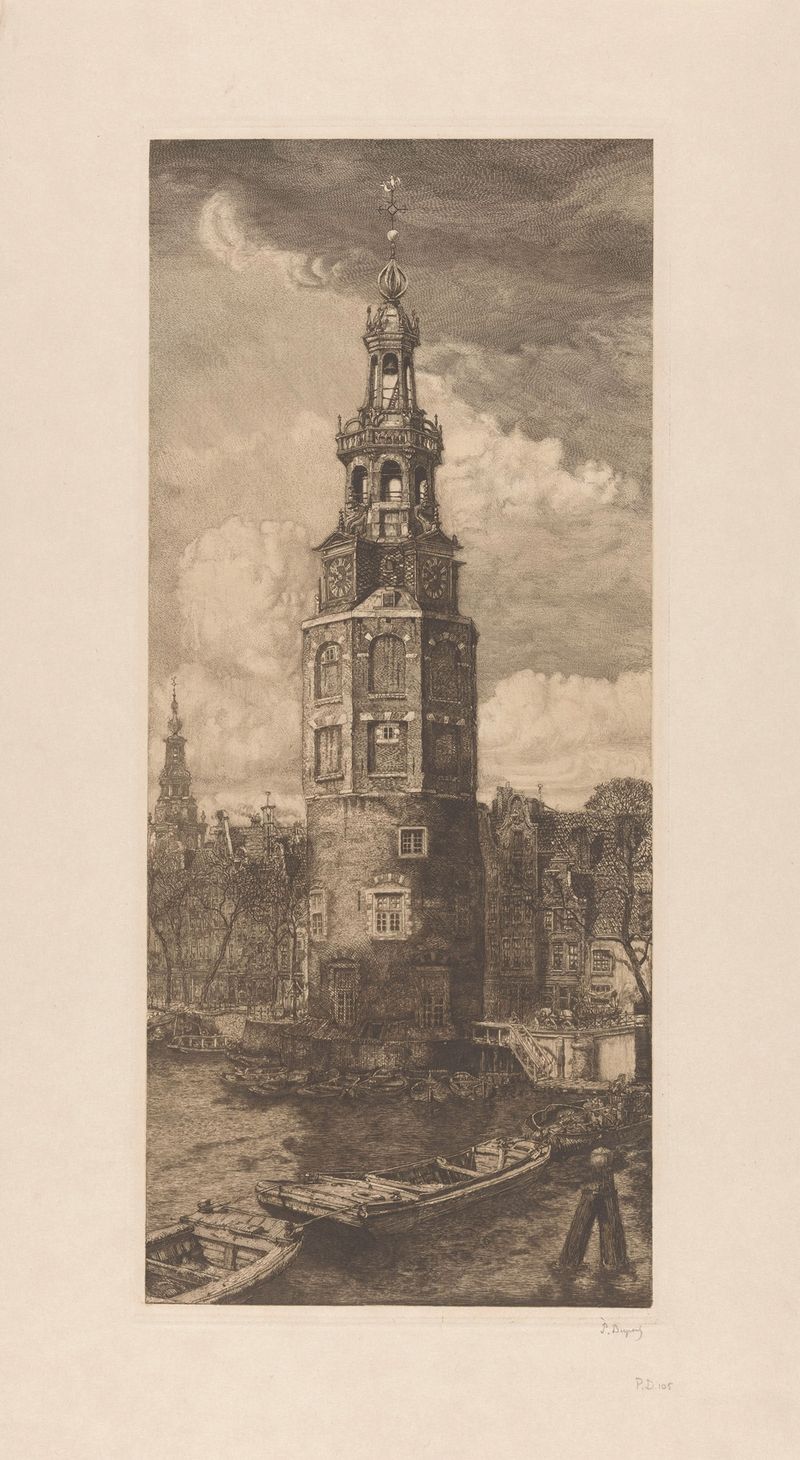
Montelbaanstoren aan de Oudeschans in Amsterdam
Pieter Dupont
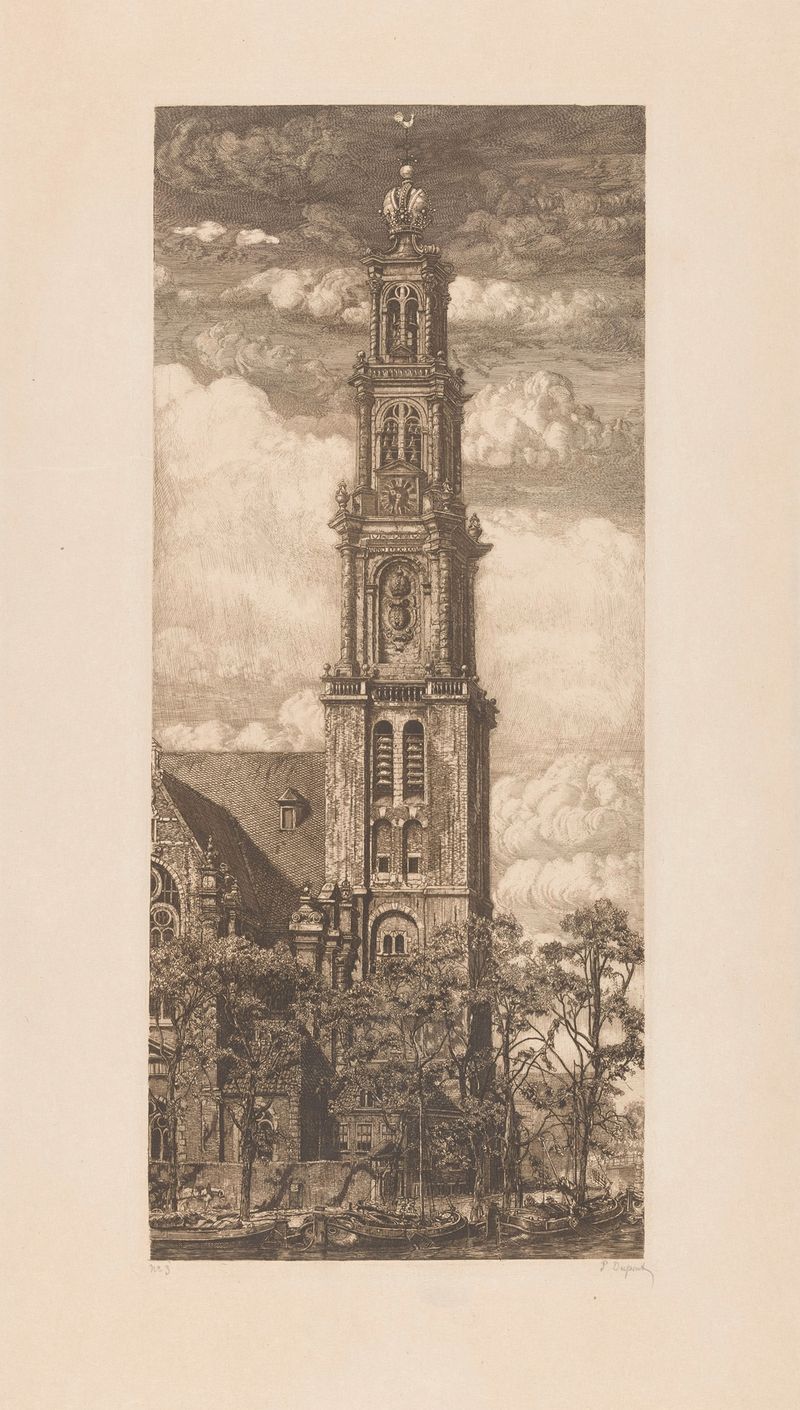
Westertoren in Amsterdam
Pieter Dupont
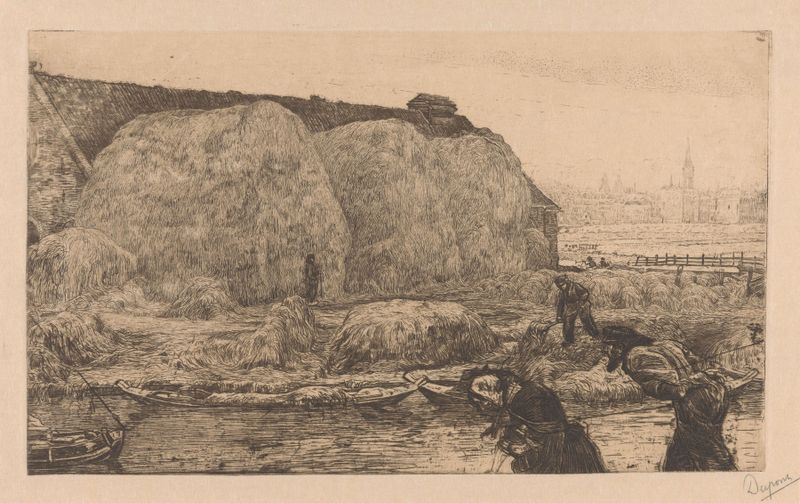
Boerderij met hooischelven aan het Jaagpad in Amsterdam
Pieter Dupont
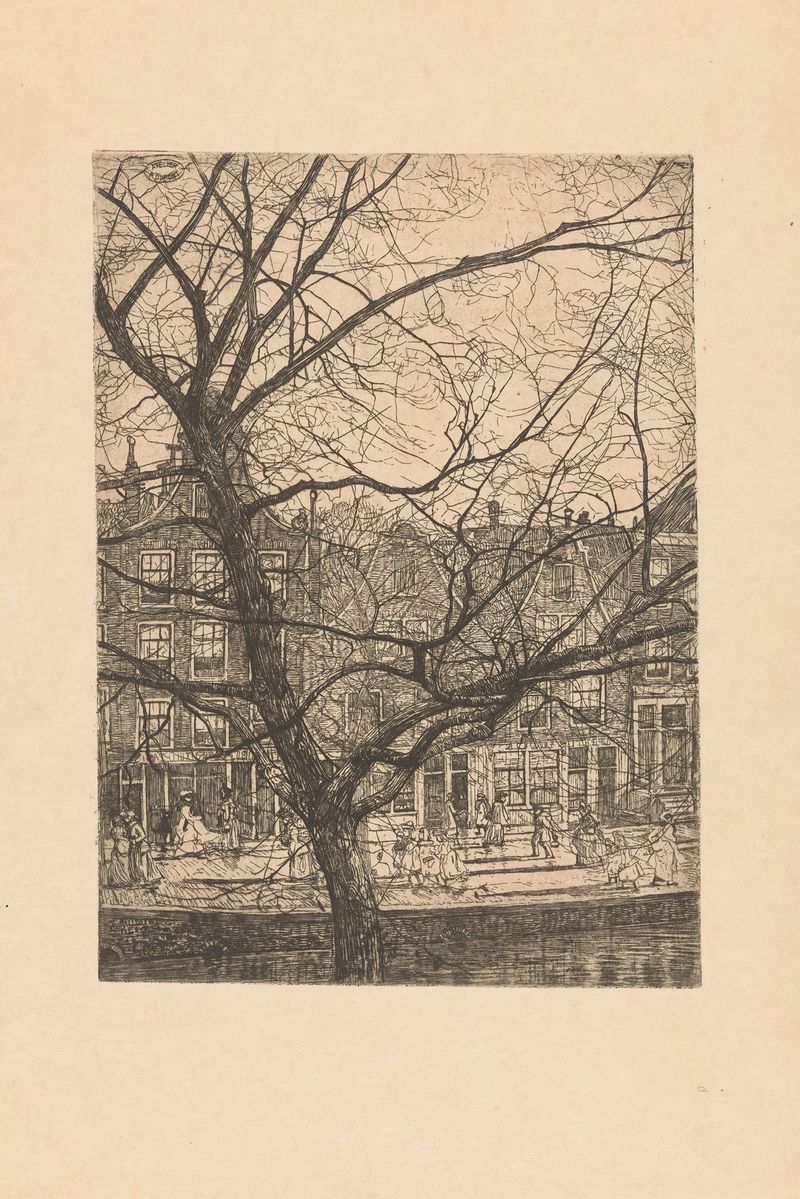
Grachtenhuizen met halsgevels in Amsterdam
Pieter Dupont
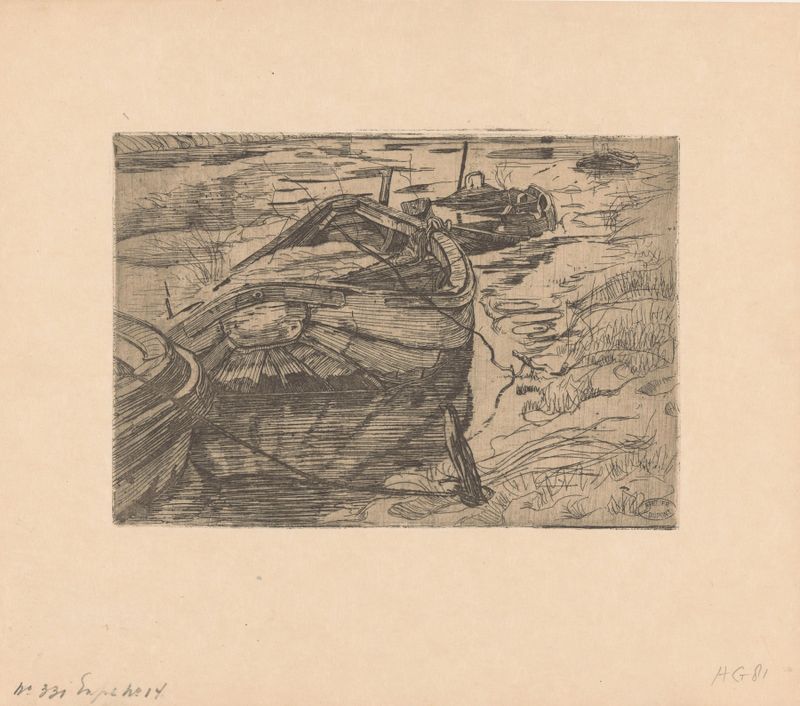
Afgemeerde roeiboten in een sloot
Pieter Dupont
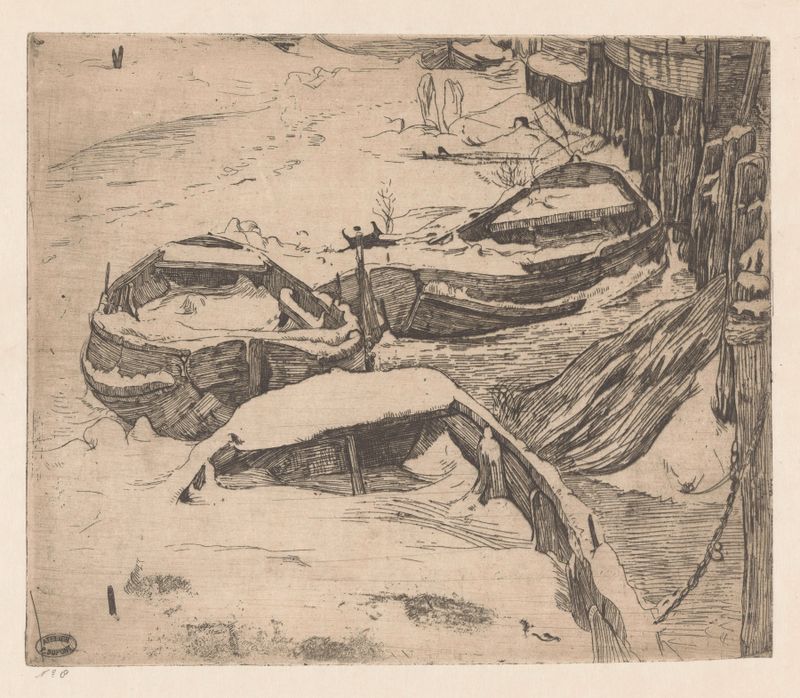
Drie besneeuwde roeiboten bij een wal
Pieter Dupont
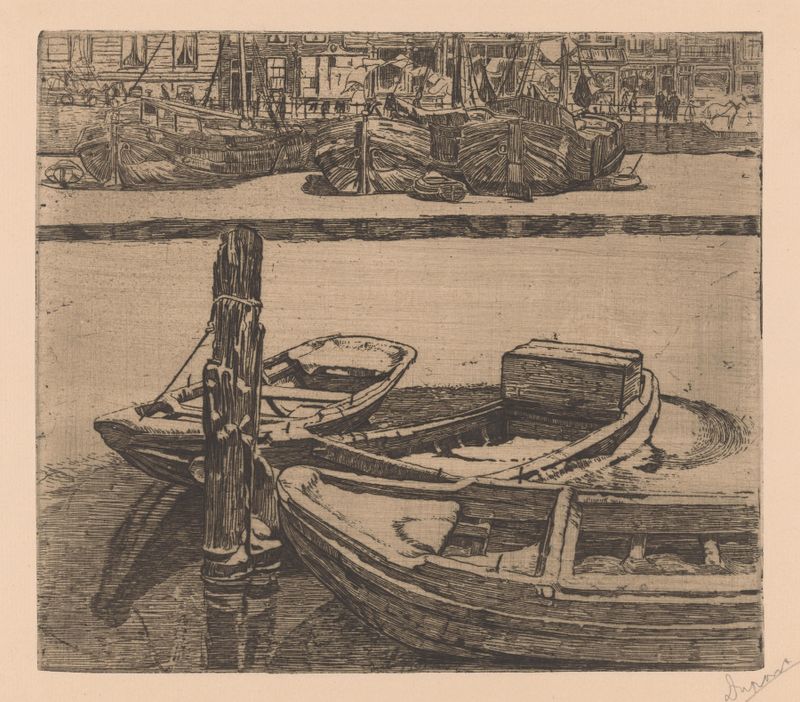
Schepen in het Damrak in Amsterdam
Pieter Dupont
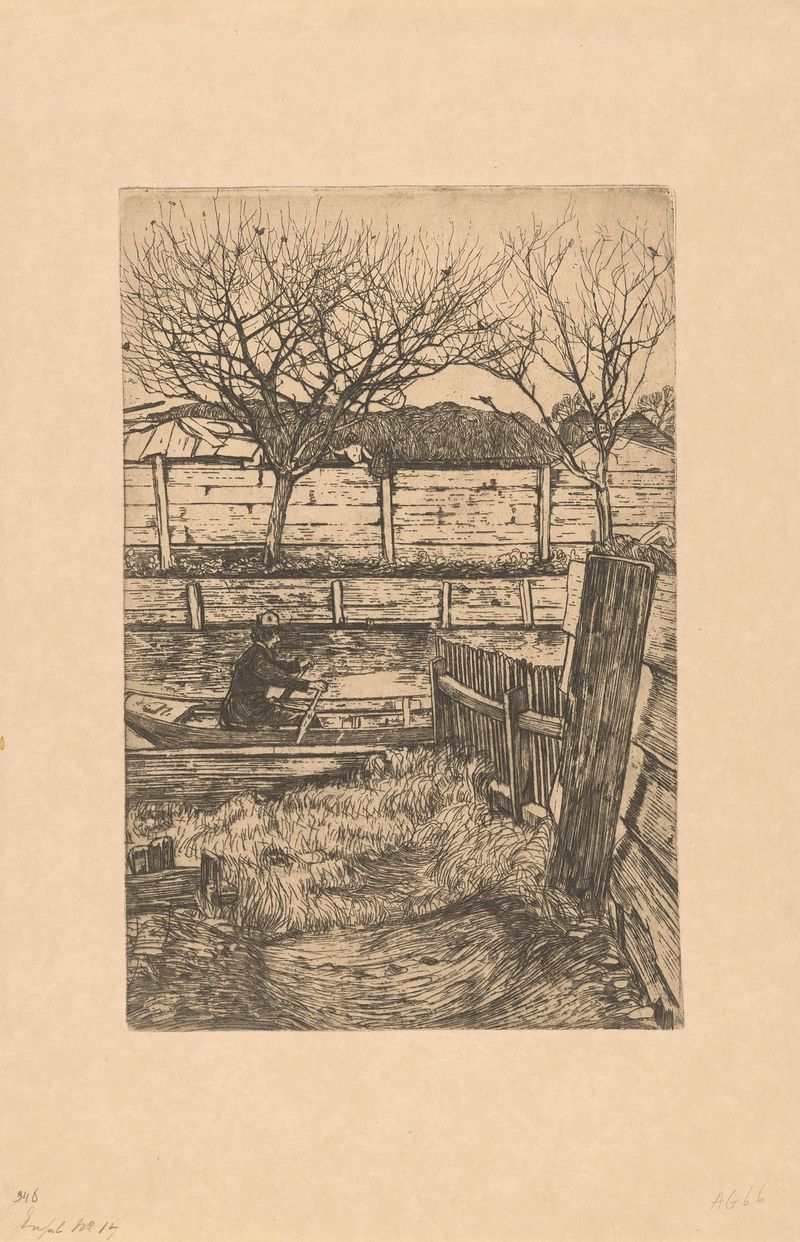
Man in een roeiboot, waarschijnlijk bij de Slatuinen in Amsterdam
Pieter Dupont
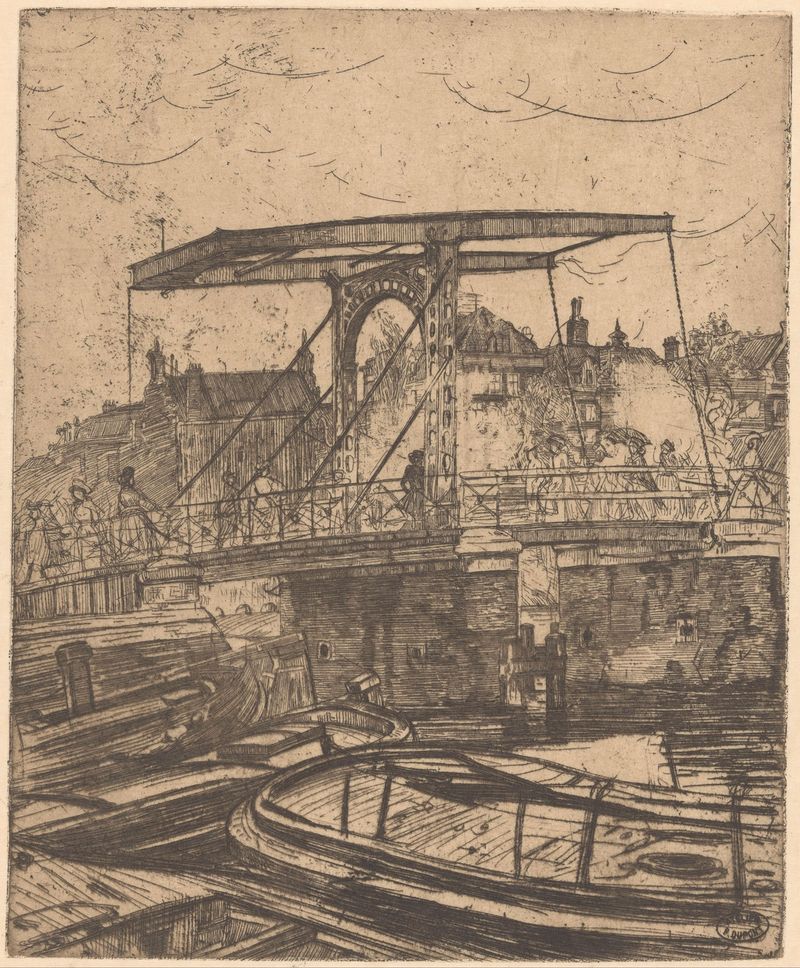
Magere Brug in Amsterdam
Pieter Dupont
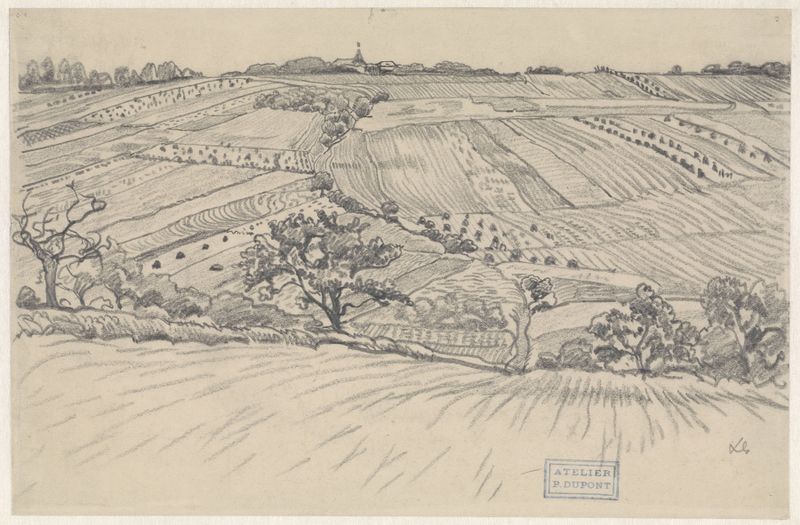
Heuvelachtig landschap met korenvelden
Pieter Dupont





