
Langenbruck, Basler Jura — History & Facts
What first catches the eye in Langenbruck, Basler Jura by Emil Cardinaux is the way the landscape seems to pulse with color, as if the hills themselves are alive with anticipation. The winding white paths lead you through a tapestry of red-roofed houses and flame-colored trees, drawing you deeper into the heart of the valley. The bold outlines and almost patchwork fields of yellow, green, and orange give the scene a sense of order and optimism, as if the village is not just nestled in nature but celebrated by it.
The church spire, rising at the center, acts as a quiet anchor, while the rhythm of the hills and clustered homes suggests a community both sheltered and open to the world beyond. The sky, washed with pale blues and streaked clouds, seems to promise clear, invigorating air. Created around 1913, this work belongs to a moment when Swiss tourism was coming into its own, and posters like this were invitations to a new kind of travel—healthful, scenic, and accessible. Emil Cardinaux was among the pioneers of the Swiss travel poster, blending the clarity of graphic design with the warmth of landscape painting to entice city dwellers to places like Langenbruck, a spa and winter sports resort in the Basler Jura.
The stylized forms and vivid palette reflect the optimism of the era, when railways and the cult of fresh air transformed remote valleys into destinations. While little is recorded about the specific journey of this poster, its presence in a Swiss collection today is a reminder of how art once beckoned travelers, promising not just a view, but an experience. Let your gaze wander the paths and hills, and you may sense the promise that drew so many to these painted valleys.
More Artworks by Emil Cardinaux
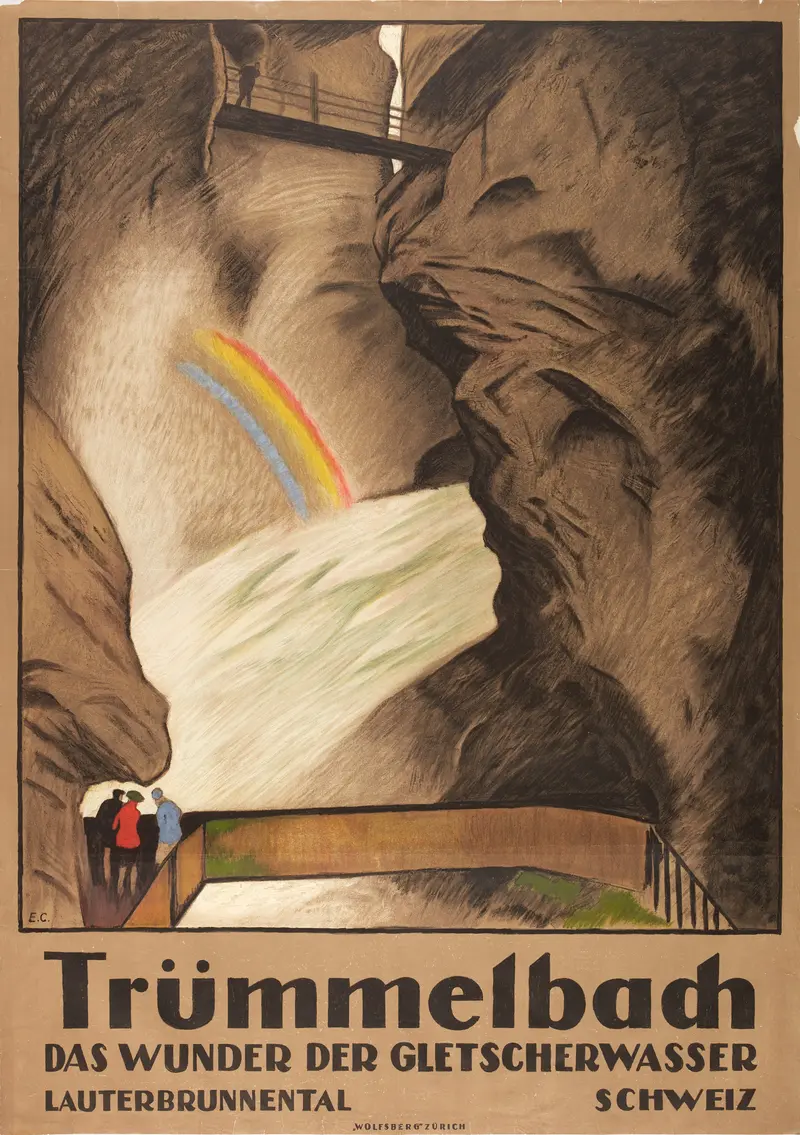
Trümmelbach
Emil Cardinaux
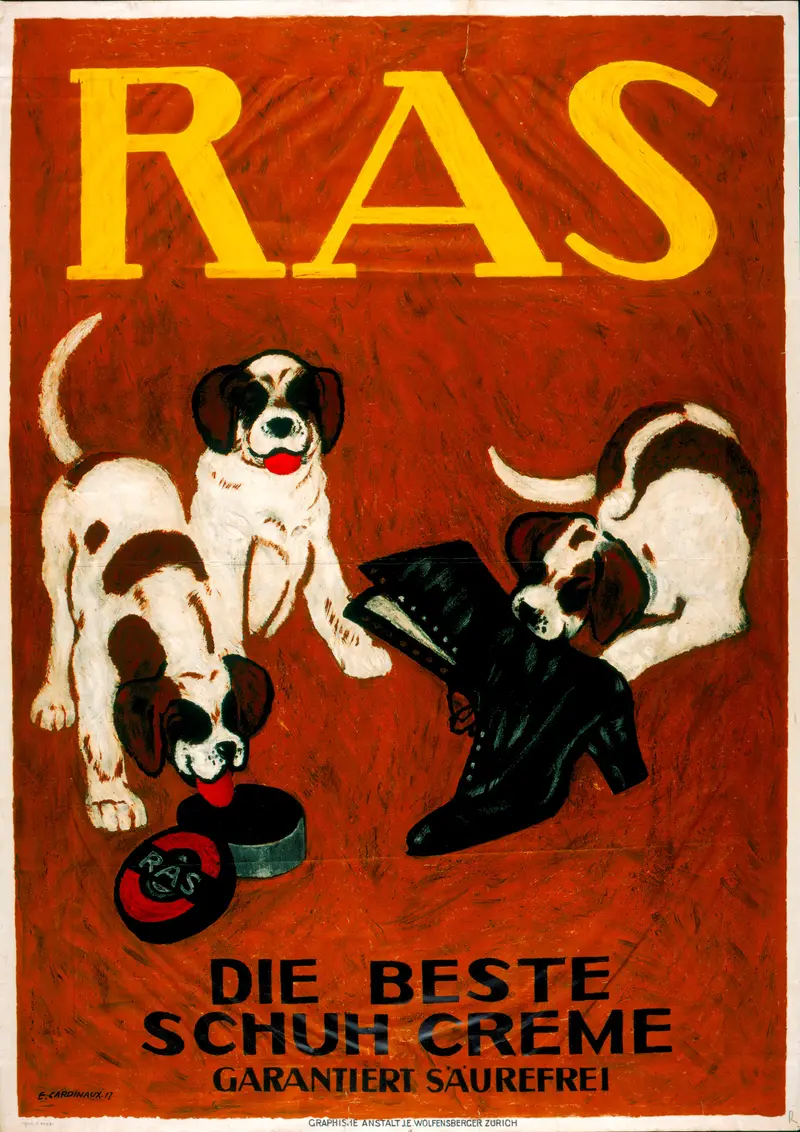
RAS, die beste Schuhcrème
Emil Cardinaux
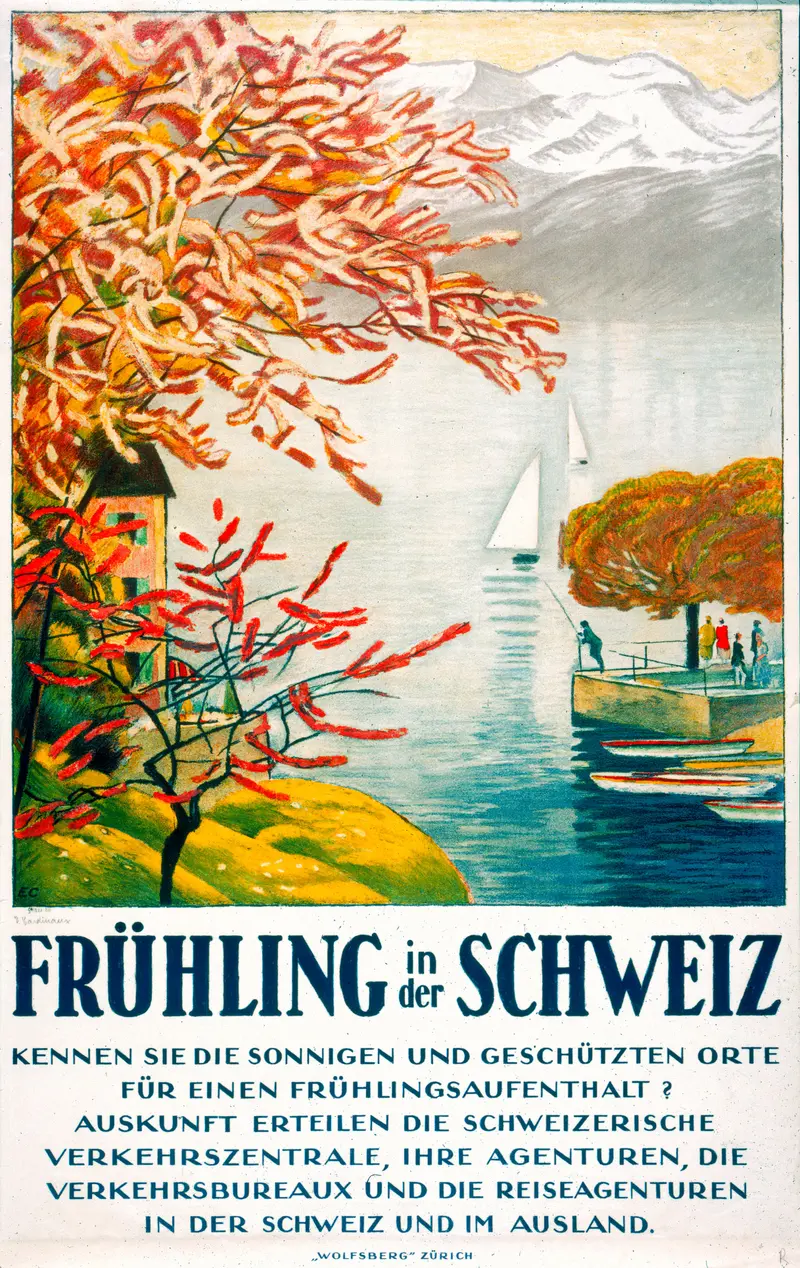
Frühling in der Schweiz
Emil Cardinaux
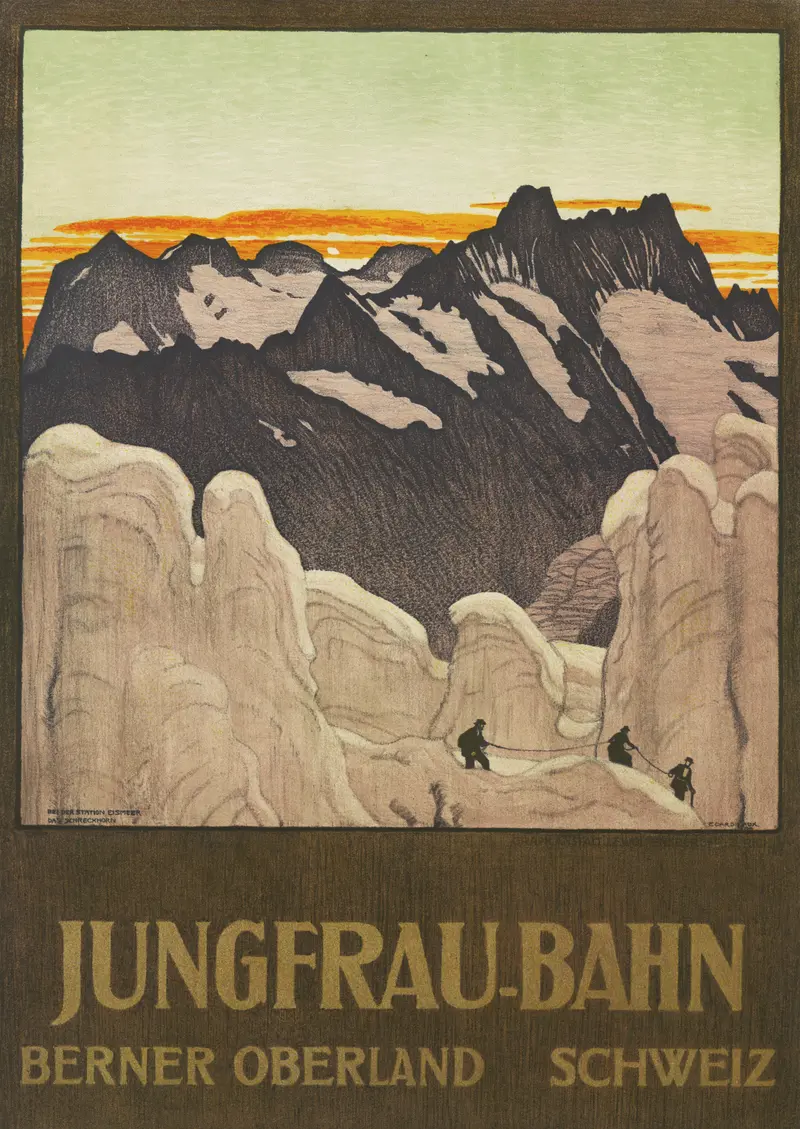
Jungfrau-Bahn, Berner Oberland
Emil Cardinaux
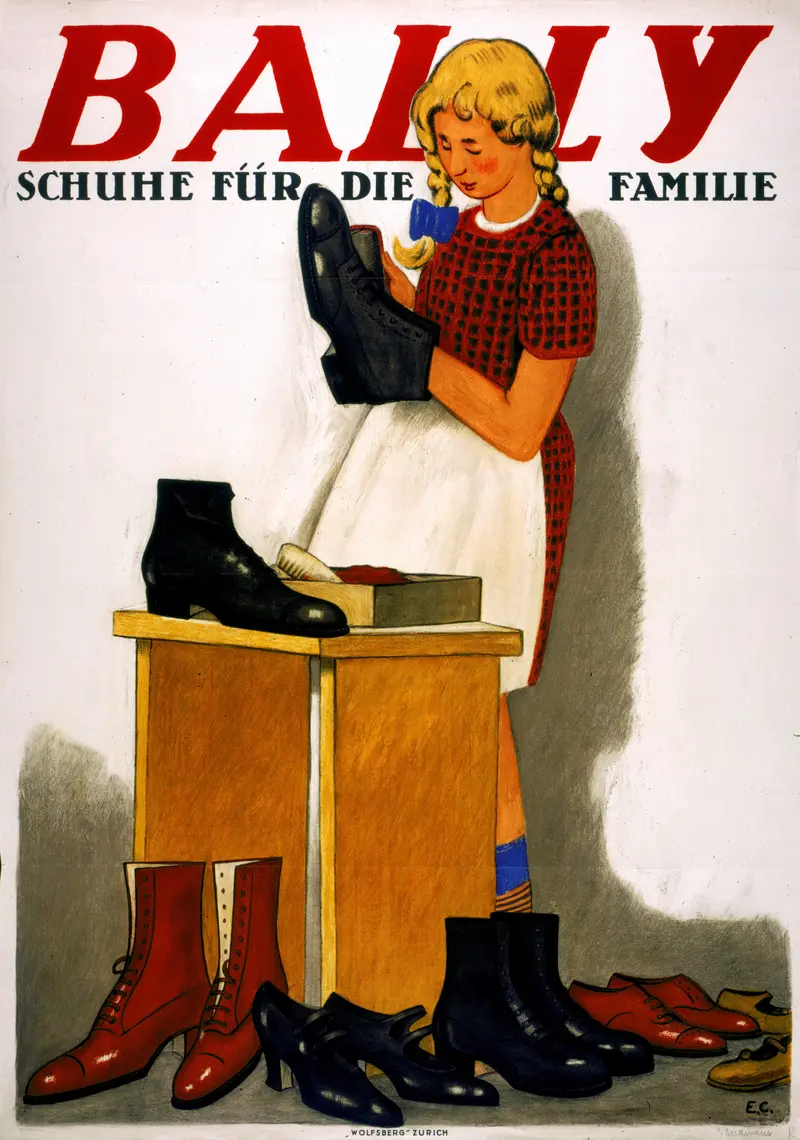
Bally – Schuhe für die Familie
Emil Cardinaux

Winter in Switzerland
Emil Cardinaux
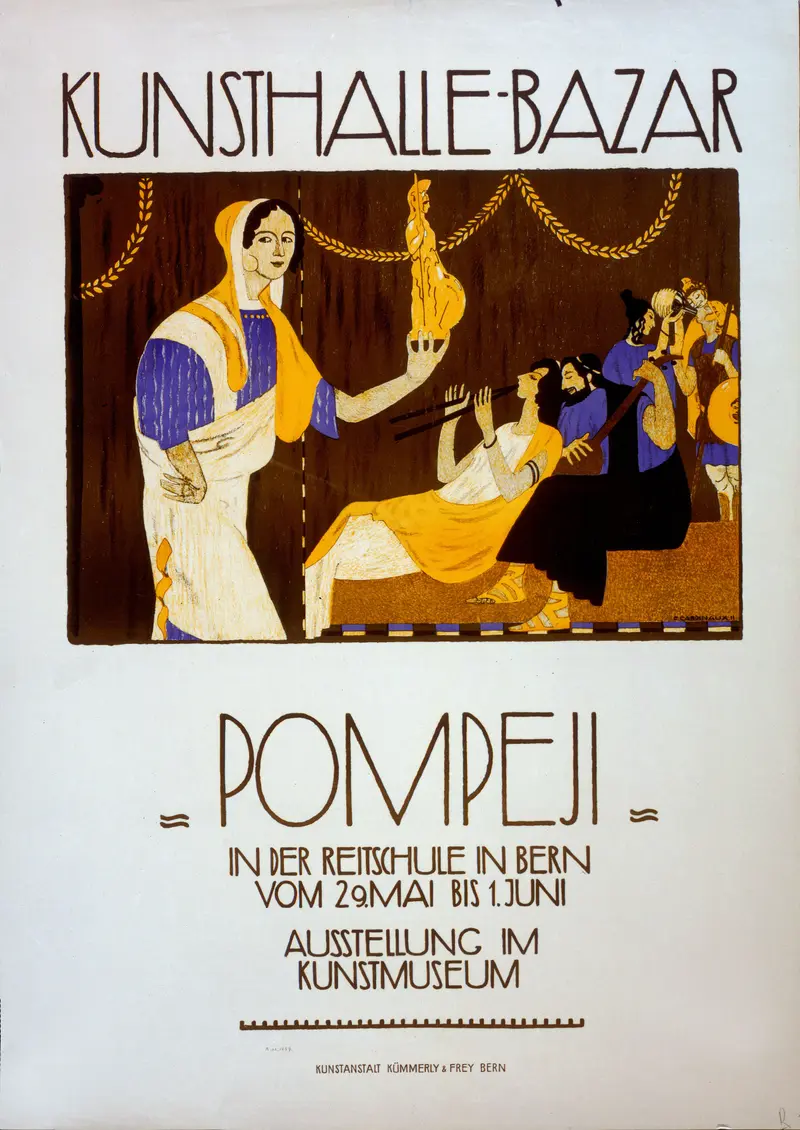
Kunsthalle-Bazar Pompeji, Bern 1911
Emil Cardinaux
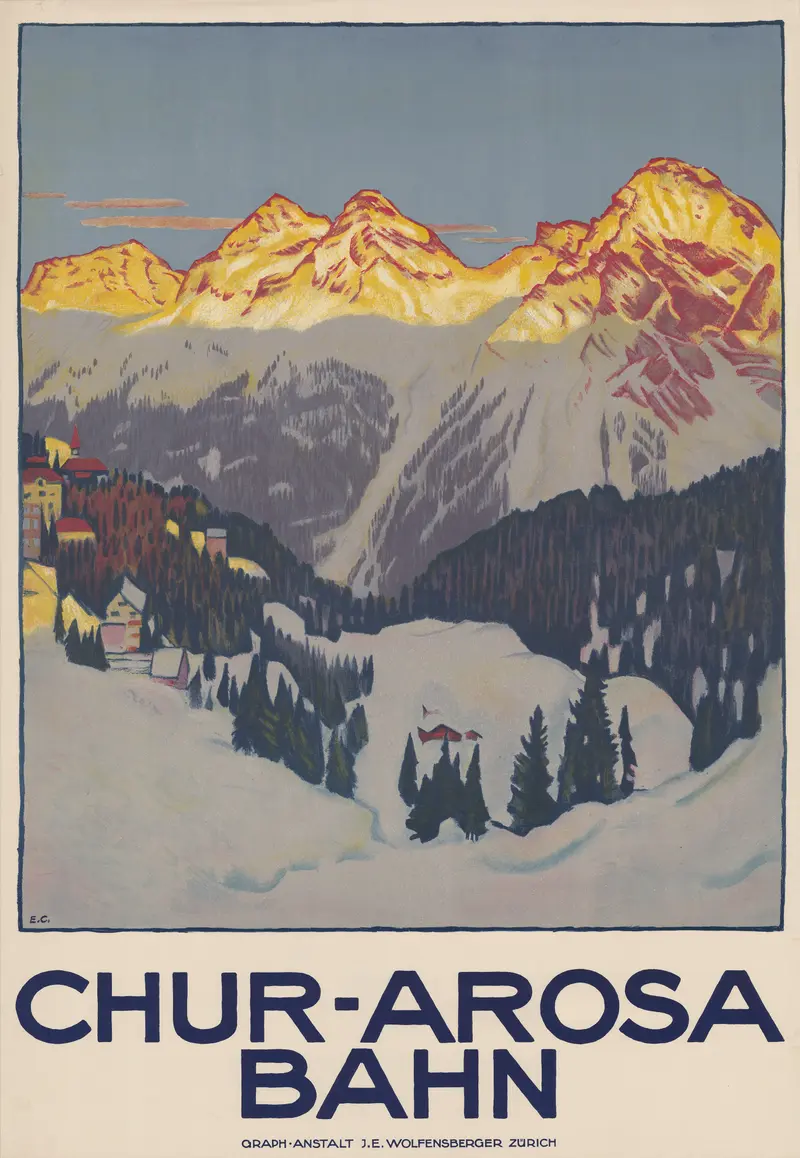
Chur-Arosa-Bahn
Emil Cardinaux
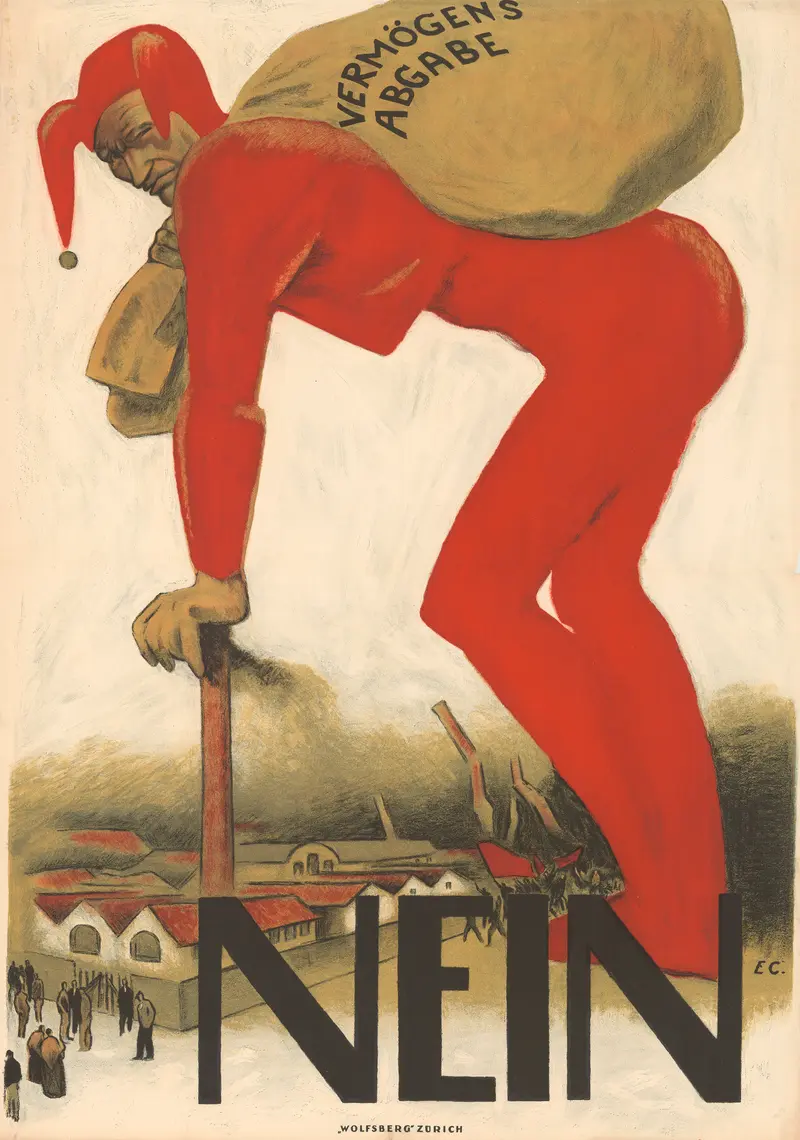
Vermögensabgabe – Nein
Emil Cardinaux
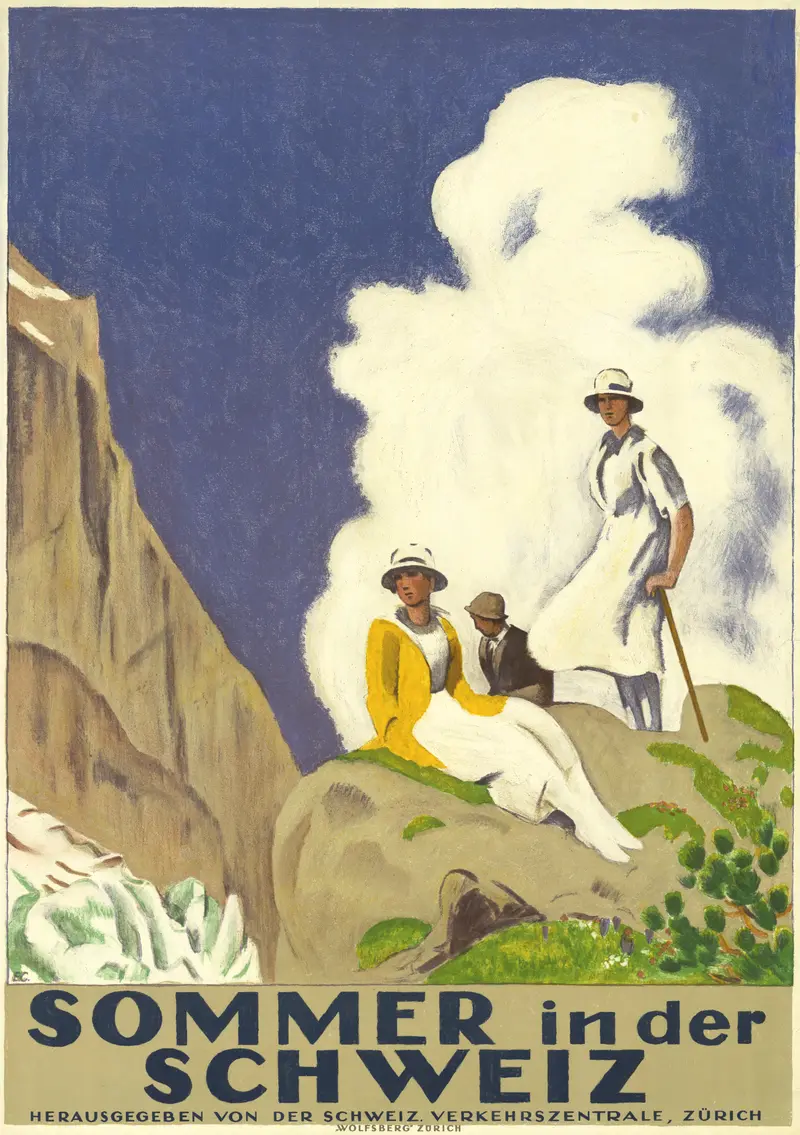
Sommer in der Schweiz
Emil Cardinaux
More Landscape Art

The Starry Night
Vincent van Gogh

View of Delft
Johannes Vermeer

Water Lilies
Claude Monet

The Grand Canal, Venice, looking north-west from the Ca' Corner to the Ca' Contarini degli Scrigni, with the campanile of Santa Maria della Carità
Canaletto

Windsor Castle
Canaletto

The Grand Canal looking North-East from the Palazzo Dolfin-Manin to the Rialto Bridge
Canaletto