
Last Judgment — History & Facts
A circle of judgment, both terrifying and magnetic, draws the eye into Last Judgment by Aert Pietersz., painted in 1611. At the heart of this vision, the painter chooses the instant when the boundaries between heaven and earth dissolve: Christ, radiant and enthroned, presides over a swirling assembly of saints and angels, while the dead below rise from their graves, faces lifted in hope or horror. The drama unfolds in a single, orchestrated sweep—one angel gestures upward, another downward, their movements dividing the blessed from the damned with a clarity that leaves no room for doubt.
Light cascades from Christ, illuminating the chosen and casting deep shadows over the condemned, whose twisted forms and anguished gestures echo the artist’s fascination with the fate of the soul. The four corners, each marked by the symbol of an evangelist, anchor the scene in scripture, their banners fluttering like silent witnesses to the unfolding verdict. This painting belongs to a world where the Last Judgment was not just a theological concept but a living threat and promise, painted to remind viewers of the stakes of their daily choices. In the early seventeenth century, such images were commissioned for churches or civic spaces, intended to instruct and awe, and to make the invisible certainties of faith visible and urgent.
Aert Pietersz. works within a tradition that stretches back to medieval altarpieces, yet his crowded composition and dramatic gestures speak to the anxieties and hopes of his own age—a time of religious conflict and searching reform. Dated 1611 and now held in the Rijksmuseum collection, this work stands as a testament to the enduring power of the Last Judgment to command attention and provoke reflection. Every figure, every gesture, invites the viewer to ask: where would I stand, if this moment were now?
More Artworks by Aert Pietersz.
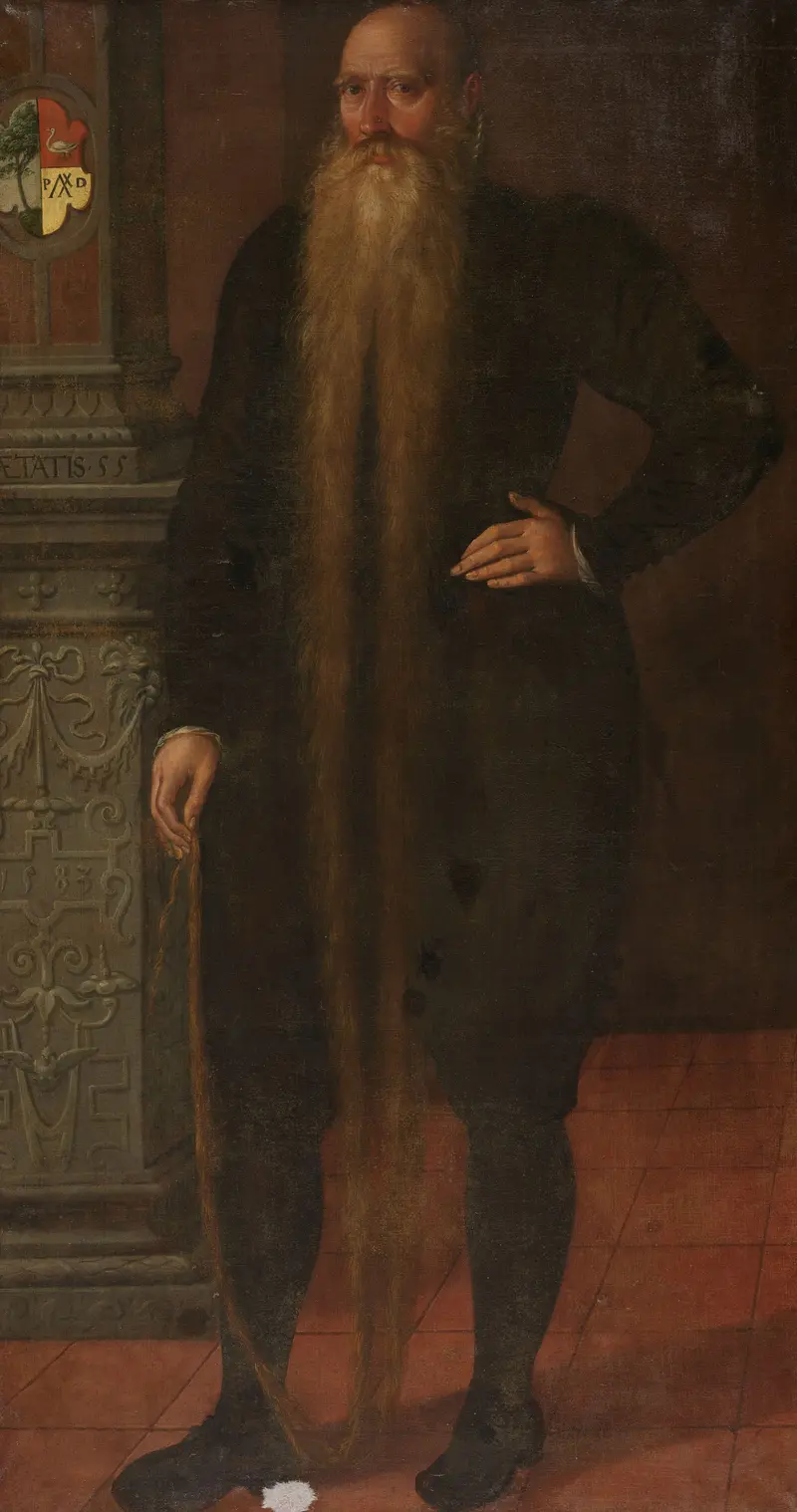
Portrait of Pieter Dircksz, called Long Beard, Council Member of the Orphan Chamber in Edam
Aert Pietersz.
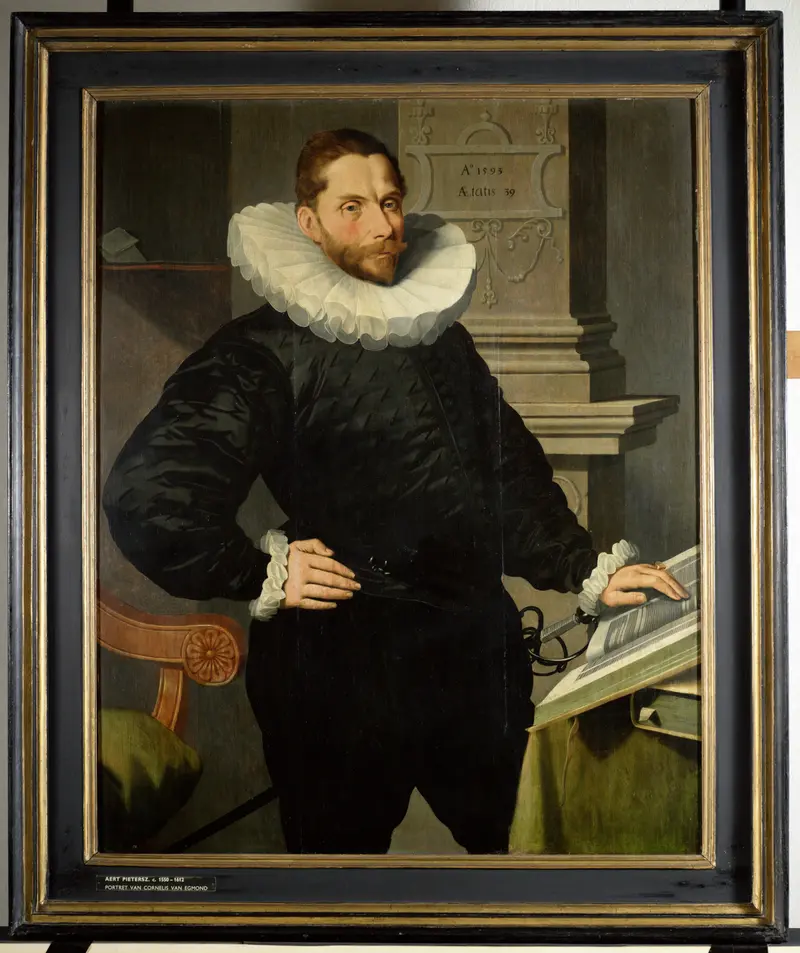
Portrait of Cornelis Basgen Jansz. van Egmond van der Nyenburgh (1553-1606)
Aert Pietersz.
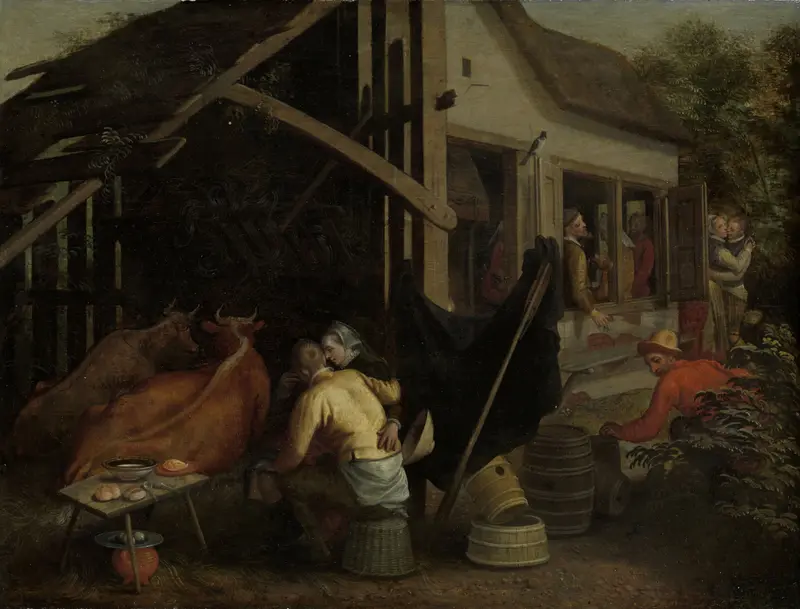
Couples making love at a country inn
Aert Pietersz.
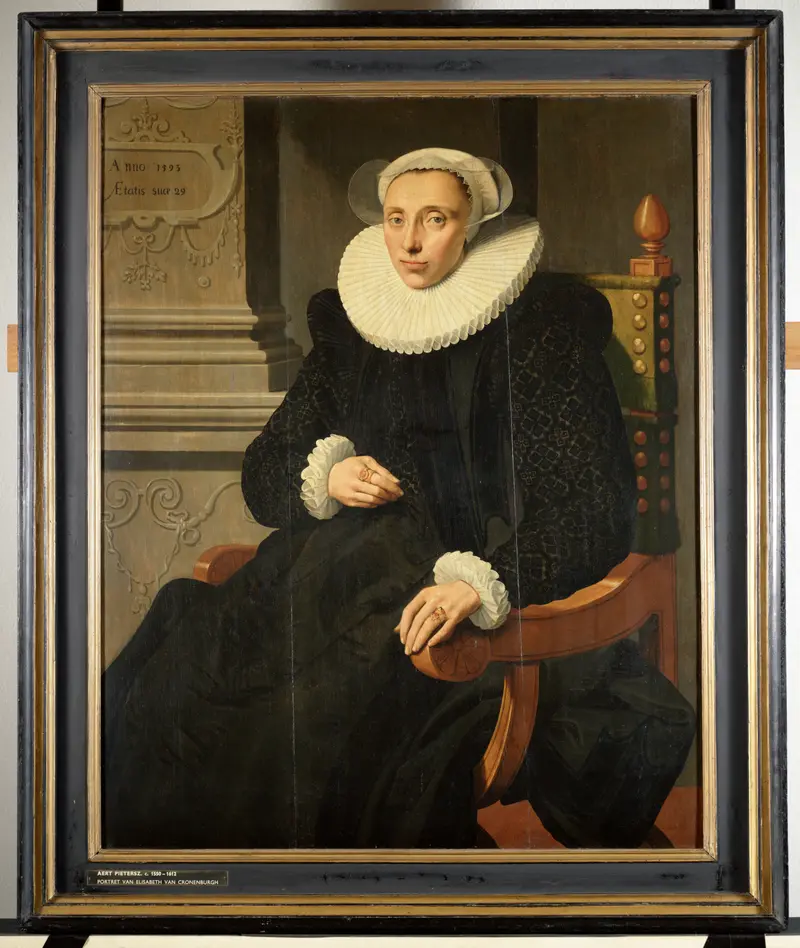
Portrait of Elisabeth van Cronenburgh
Aert Pietersz.

Portrait of a Man
Aert Pietersz.
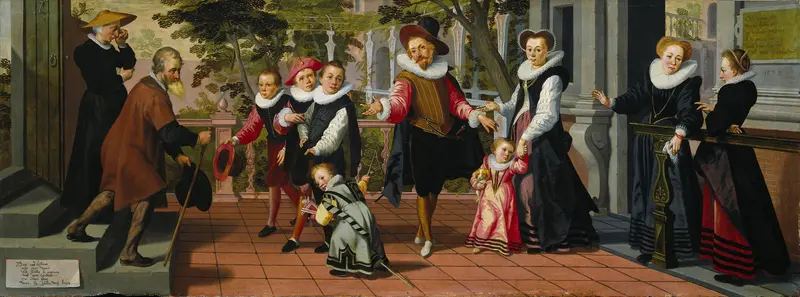
Rich Children, Poor Parents
Aert Pietersz.





