
Portrait of a Man — History & Facts
What first catches the eye in Portrait of a Man by Aert Pietersz. is the quietly commanding gesture of the sitter’s left hand, poised near his shoulder as if caught mid-thought or in the act of introducing himself. The ruffled collar, crisply painted, frames a face alive with subtle tension: the raised eyebrows, the searching gaze that meets the viewer directly, the parted lips that seem on the verge of speech. Light falls from the left, sculpting the man’s features and lending a gentle warmth to his skin, while the dark background draws all attention to the drama of expression and gesture.
The palette is sober, dominated by black and white, but the flesh tones and the careful rendering of hair and beard bring a sense of immediacy and presence. In this moment, the sitter is both reserved and vulnerable, inviting us to wonder what thought or sentiment has just crossed his mind. This portrait belongs to a world where likeness was more than mere record; it was a statement of status, character, and aspiration. Painted between 1570 and 1700, in the flourishing Dutch Republic, such works were often commissioned by prosperous citizens eager to assert their place in a rapidly changing society.
The ruff and sober dress speak to a culture that prized restraint and dignity, yet the individuality of the sitter’s expression hints at the growing importance of personal identity in art. Though little is recorded about this particular painting, now in the Rijksmuseum collection, its quiet confidence and psychological depth are hallmarks of the Northern portrait tradition. Look again at the sitter’s hand and eyes—there, in those details, the world of seventeenth-century Amsterdam comes alive.
More Artworks by Aert Pietersz.
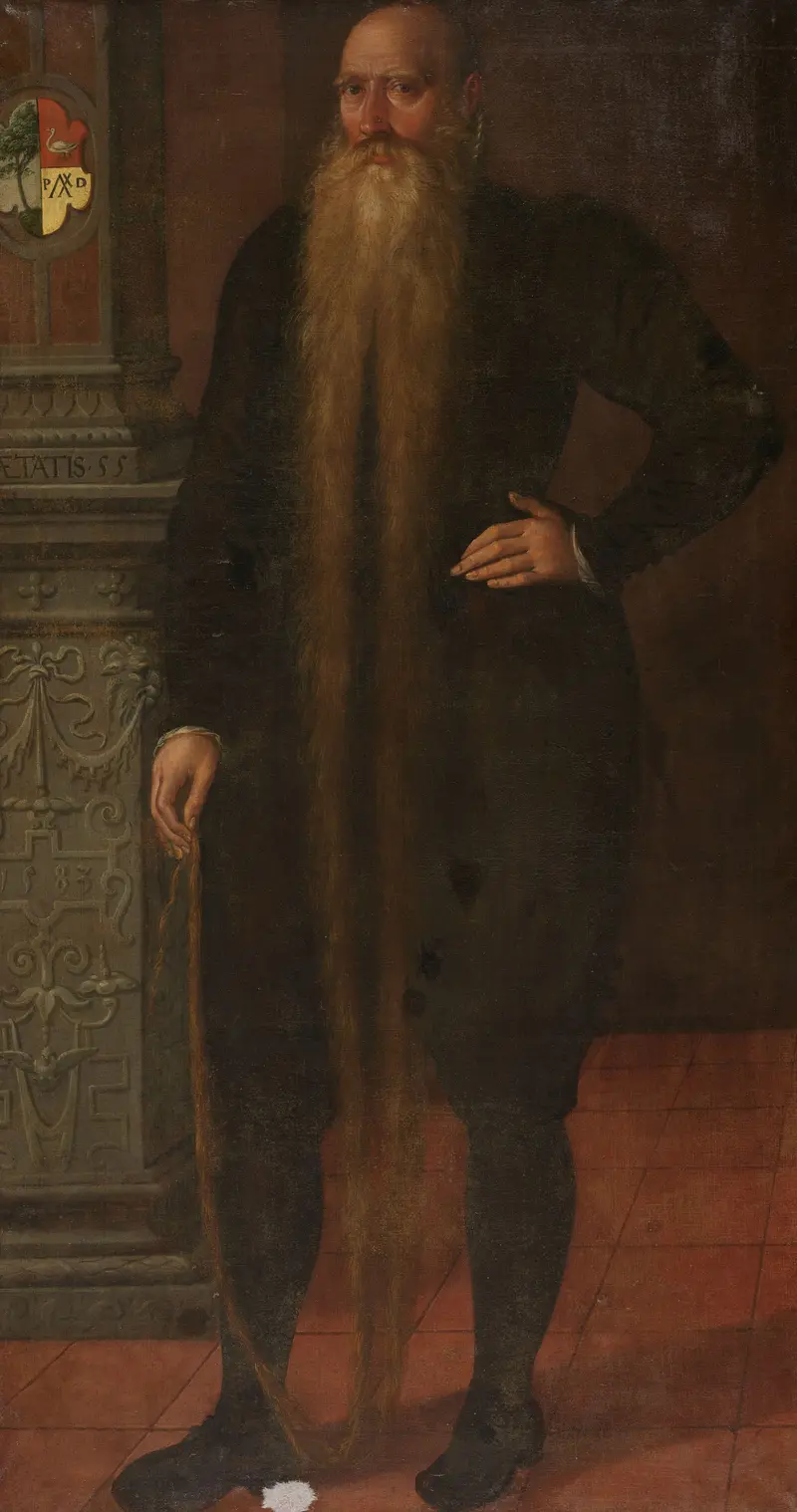
Portrait of Pieter Dircksz, called Long Beard, Council Member of the Orphan Chamber in Edam
Aert Pietersz.
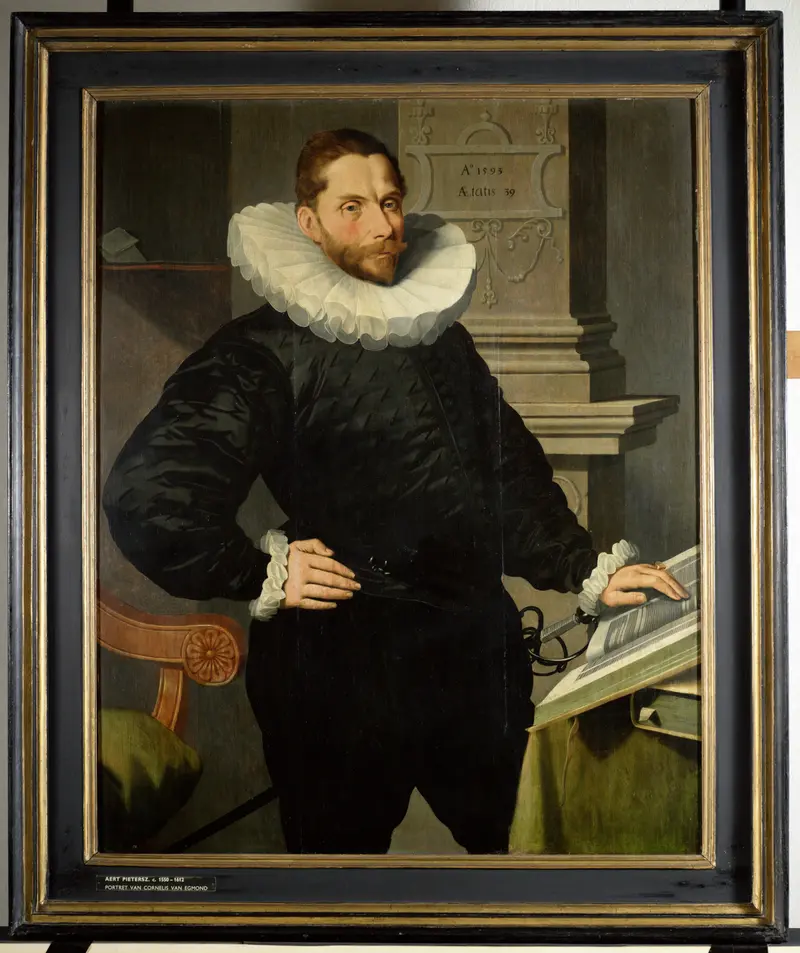
Portrait of Cornelis Basgen Jansz. van Egmond van der Nyenburgh (1553-1606)
Aert Pietersz.
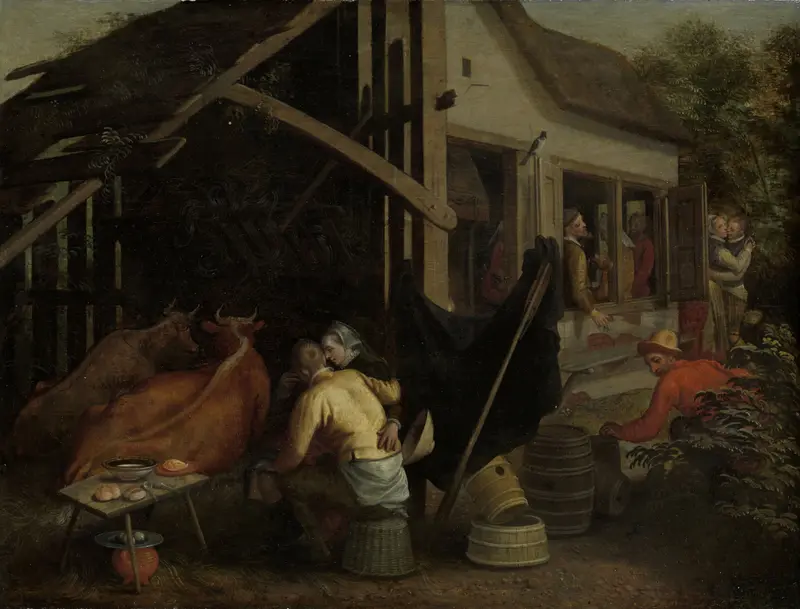
Couples making love at a country inn
Aert Pietersz.
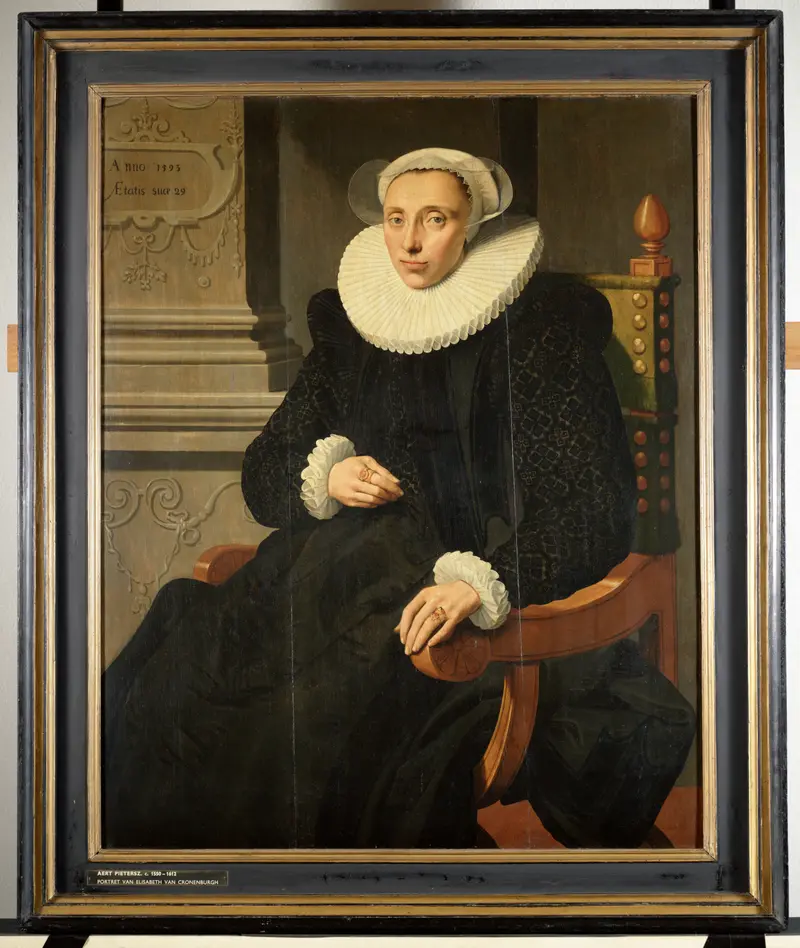
Portrait of Elisabeth van Cronenburgh
Aert Pietersz.
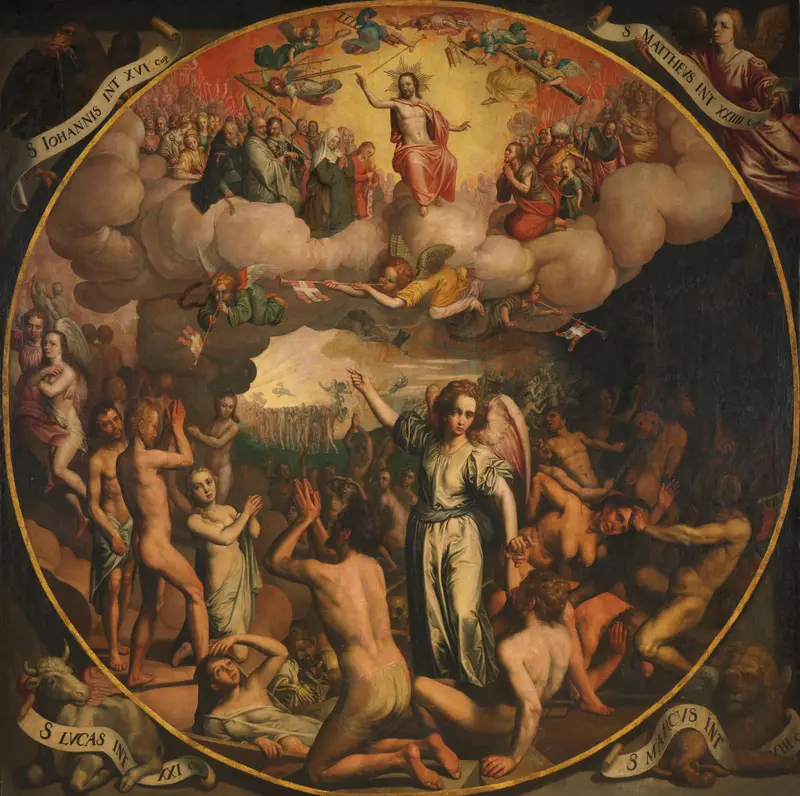
Last Judgment
Aert Pietersz.
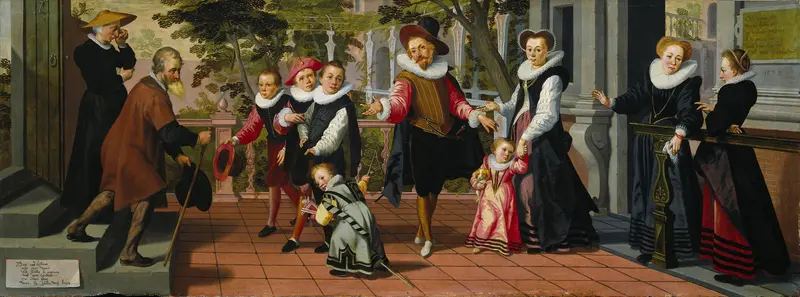
Rich Children, Poor Parents
Aert Pietersz.





