
Portrait of Cornelis Basgen Jansz. van Egmond van der Nyenburgh (1553-1606) — History & Facts
What first seizes the eye in this portrait is the sitter’s direct, almost challenging gaze, paired with the assertive stance of a man who knows his place in the world. The crisp, architectural ruff frames his face like a stage, drawing attention to the clear blue eyes and the reddish beard that mark him as an individual rather than a type. The hand on the hip, the other poised over an open book, and the sword at his side all speak of confidence and learning, but also of readiness—this is a man who balances intellect with action.
The light falls cleanly across his face and hands, leaving the sumptuous black of his doublet to recede, so that the viewer is drawn to the instruments of his mind and will. Even the background, with its carved stone and inscribed date, seems to set him in a space of both memory and ambition. Painted in 1593, this portrait by Aert Pietersz. belongs to a world in flux: the Dutch Republic was asserting its independence, and a new class of citizens—merchants, magistrates, learned men—commissioned likenesses to cement their place in society. Such portraits were not mere records of appearance, but declarations of status, virtue, and aspiration.
The sober palette and restrained pose are typical of late sixteenth-century Dutch portraiture, yet the careful attention to the sitter’s character and the objects around him hint at the growing importance of individual achievement. Now housed in the Stedelijk Museum Alkmaar, the painting stands as a testament to a moment when personal identity and civic pride were being painted onto the same canvas—inviting us to read the clues of ambition and intellect in every fold and gesture.
More Artworks by Aert Pietersz.
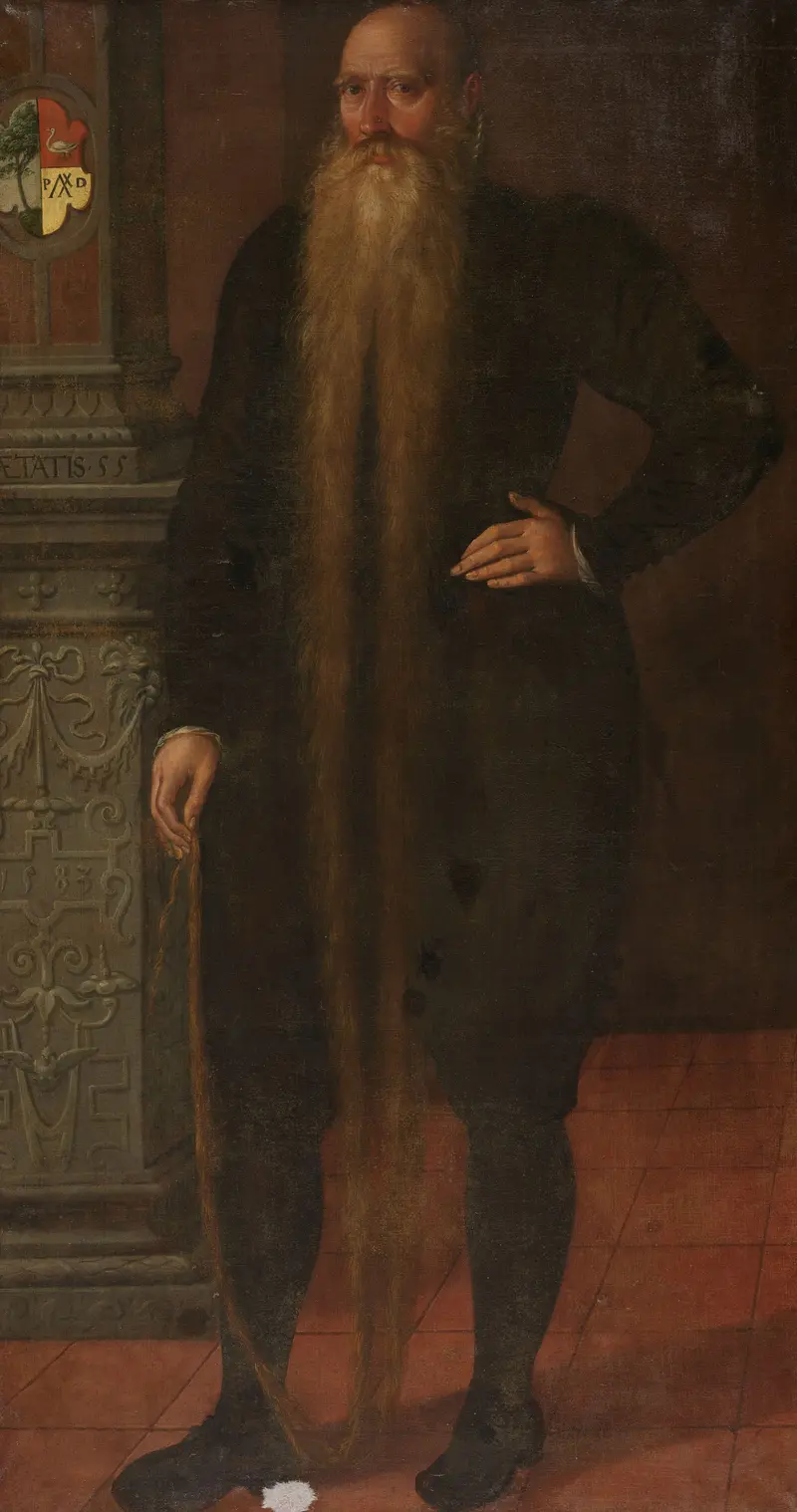
Portrait of Pieter Dircksz, called Long Beard, Council Member of the Orphan Chamber in Edam
Aert Pietersz.
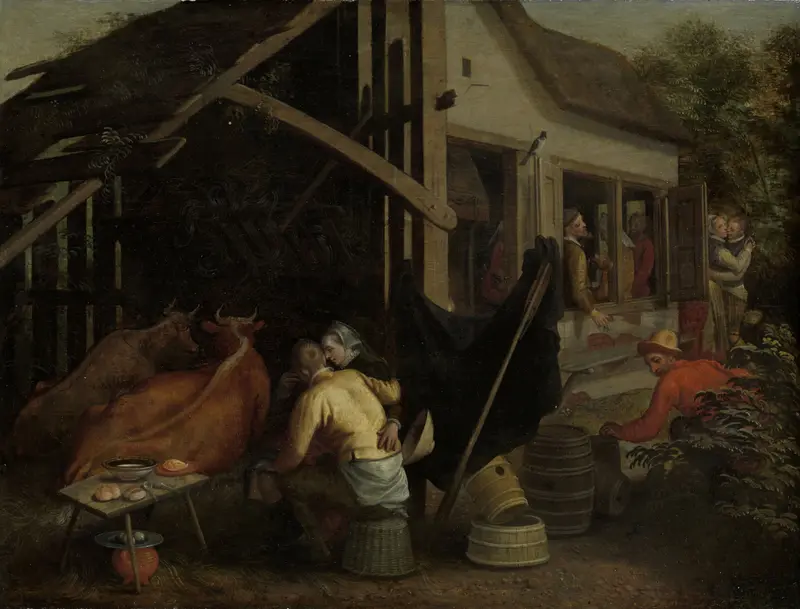
Couples making love at a country inn
Aert Pietersz.
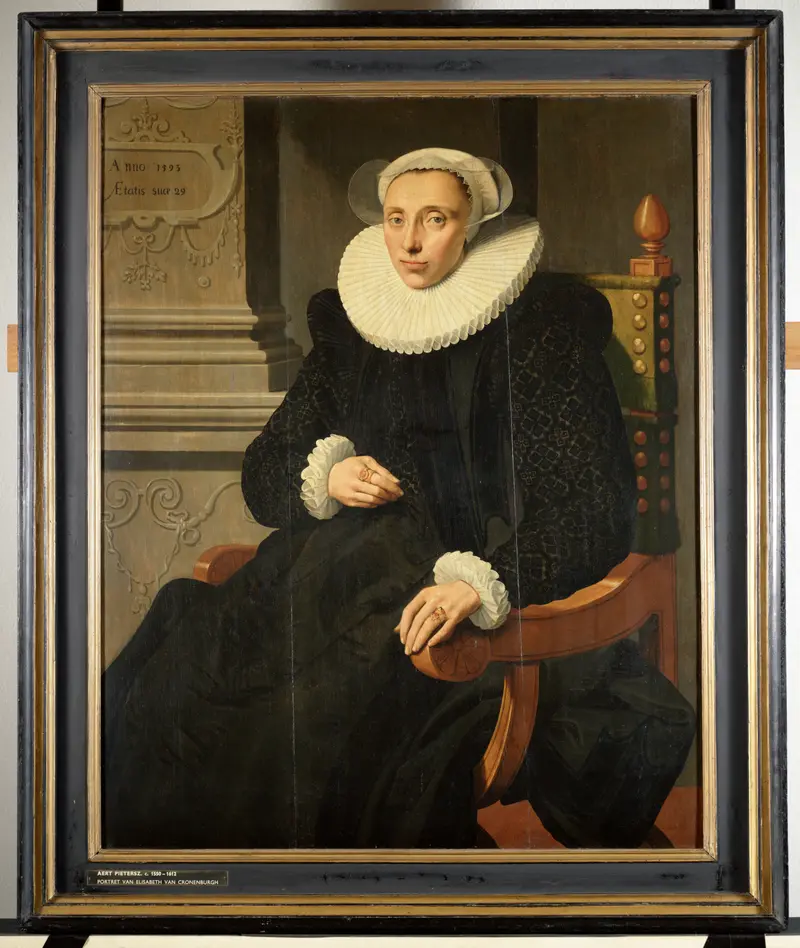
Portrait of Elisabeth van Cronenburgh
Aert Pietersz.

Portrait of a Man
Aert Pietersz.
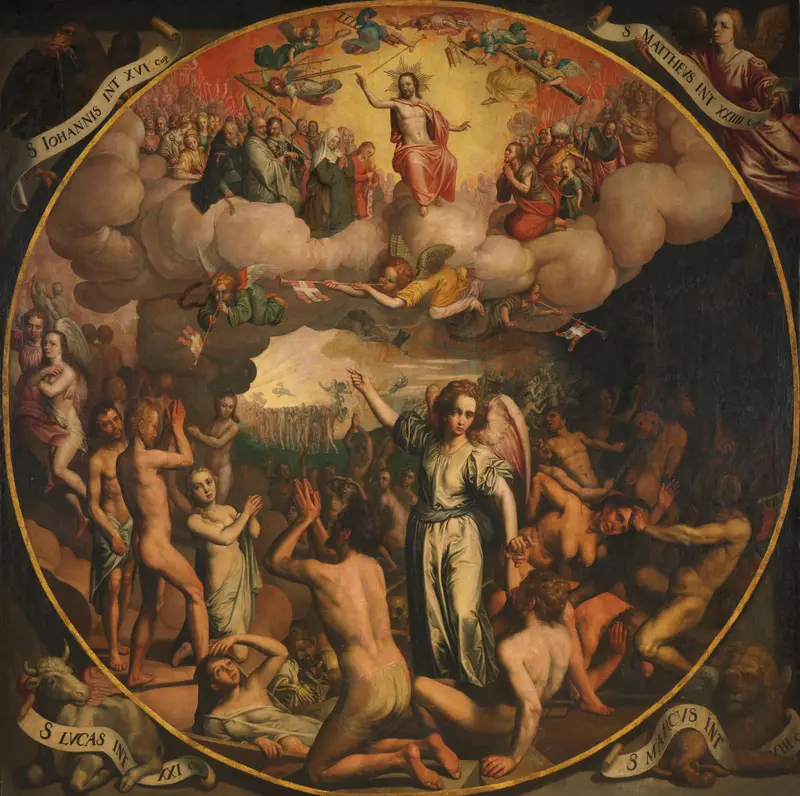
Last Judgment
Aert Pietersz.
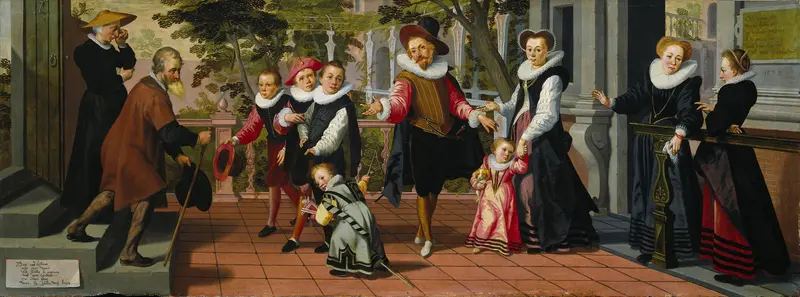
Rich Children, Poor Parents
Aert Pietersz.





