
Laundry — History & Facts
Did the painter know this moment would outlive them? The act of washing clothes, so mundane yet profound, carries the essence of fragility and resilience, preserved in the delicate brushstrokes of time. Look to the left at the figures engaged in their daily chore, their postures revealing both the weight of labor and the lightness of camaraderie. The muted palette, punctuated by soft blues and creamy whites, evokes a sense of both nostalgia and simplicity. Notice how the sunlight spills across the scene, illuminating the texture of the garments and casting gentle shadows that dance across the ground, creating a rhythm that mirrors the cyclical nature of the tasks at hand. As you delve deeper, consider the contrasts between labor and leisure, the simplicity of the setting against the complex emotions tied to domestic life.
Each piece of clothing hanging in the background tells a story of its own, embodying the fragility of human existence. This interplay between everyday routine and the underlying calm of shared moments hints at a deeper commentary on the dignity found in domesticity, evoking a sense of connection across generations. In 1881, Otto Henry Bacher painted Laundry during a time of personal reflection and artistic exploration in Paris. Amidst a world transitioning rapidly through technological advancements and shifts in the art scene, he sought solace in capturing intimate, everyday scenes.
This work not only reflects his mastery of capturing light and form but also signifies a moment in an artist's journey, celebrating the beauty of the ordinary against the backdrop of changing times.
More Artworks by Otto Henry Bacher
Browse all →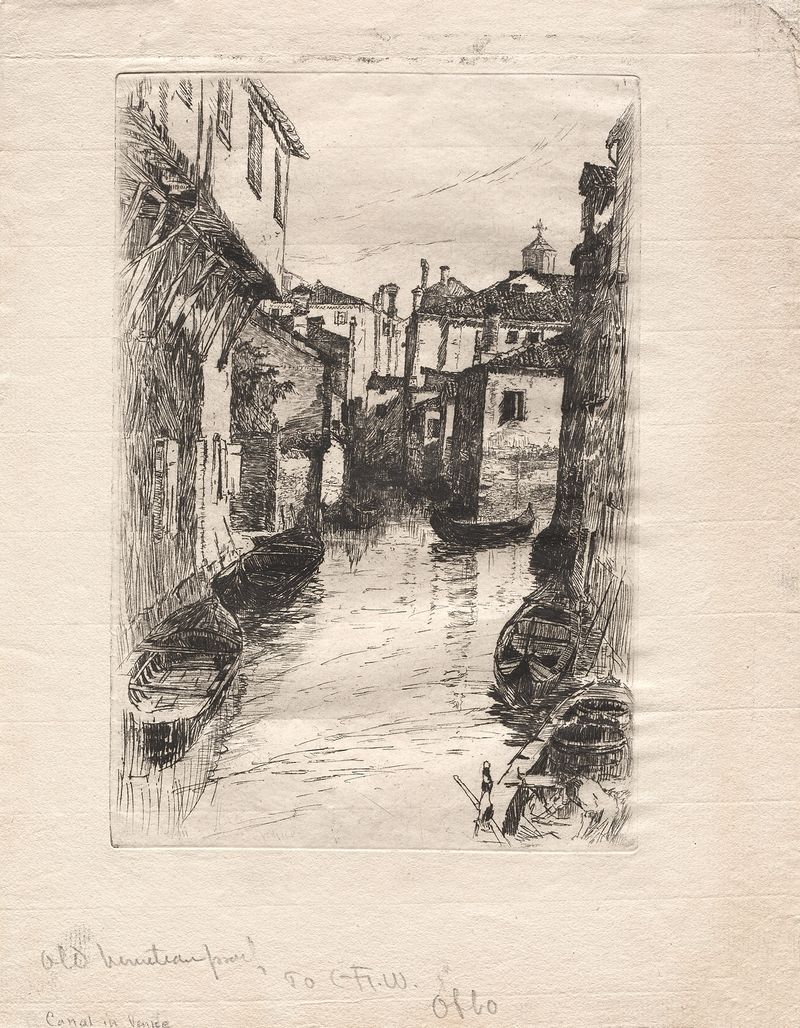
Canal in Venice
Otto Henry Bacher
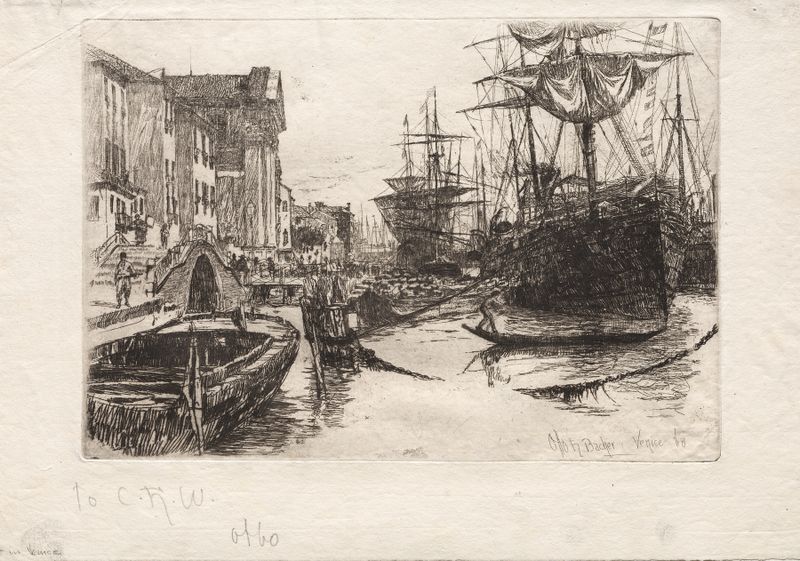
View in Venice
Otto Henry Bacher
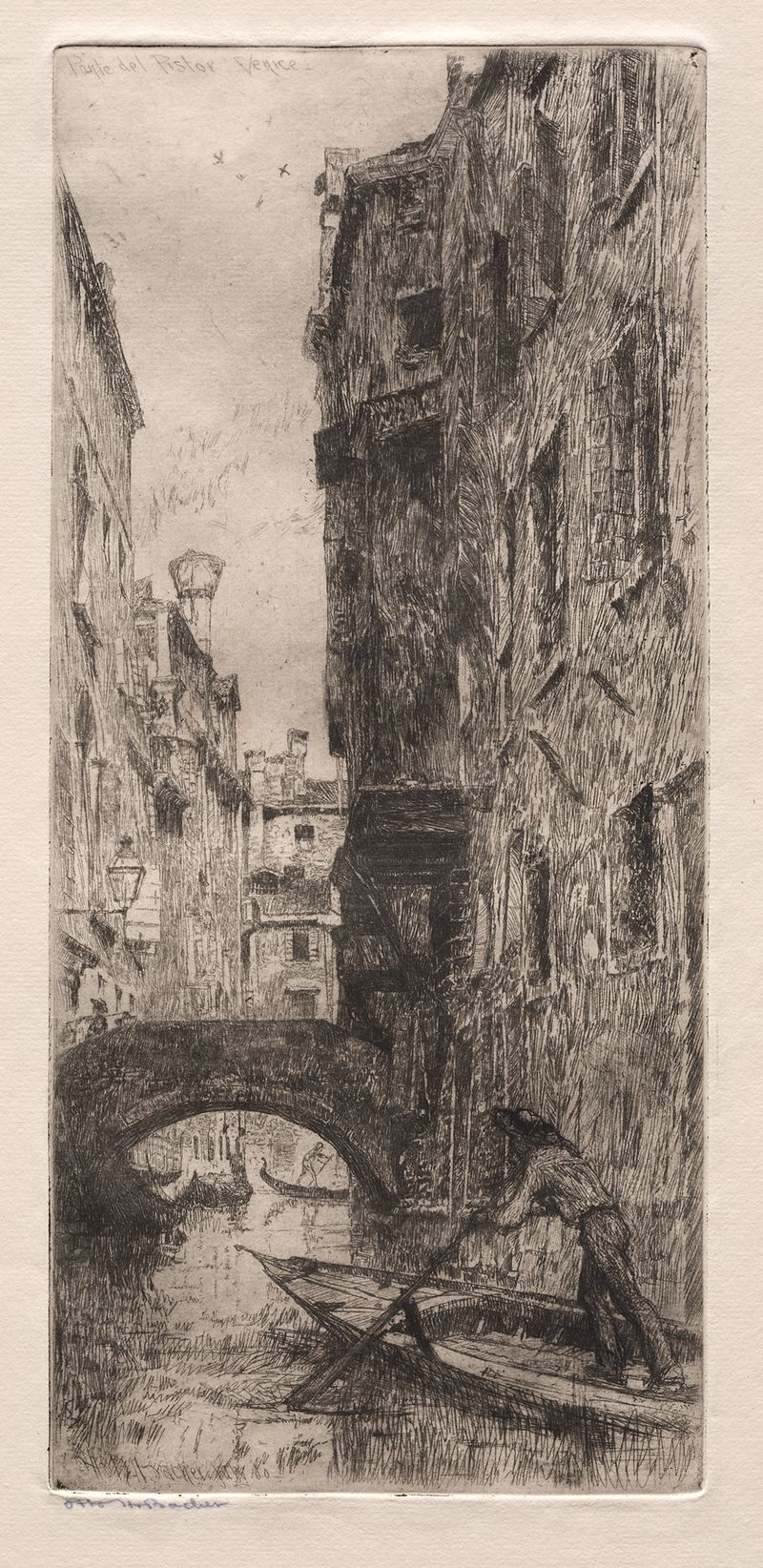
Ponte del Pistor, Venice
Otto Henry Bacher
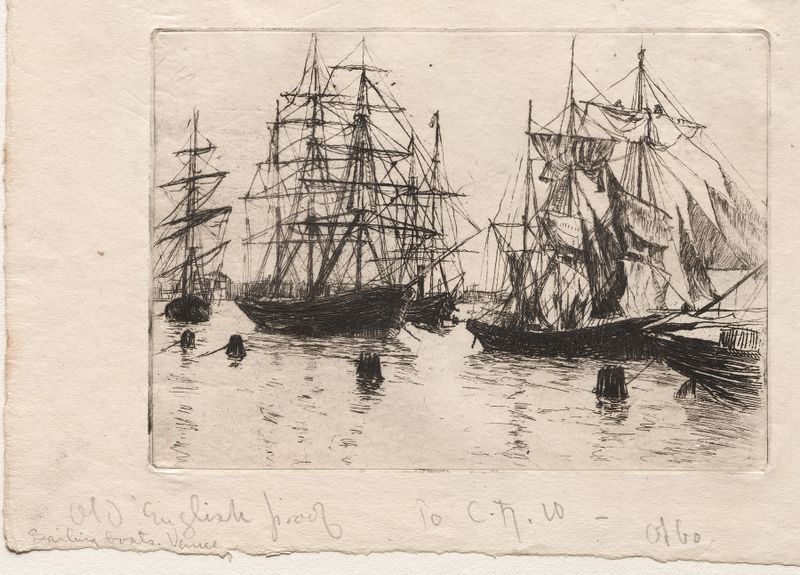
Sailing Boats, Venice
Otto Henry Bacher
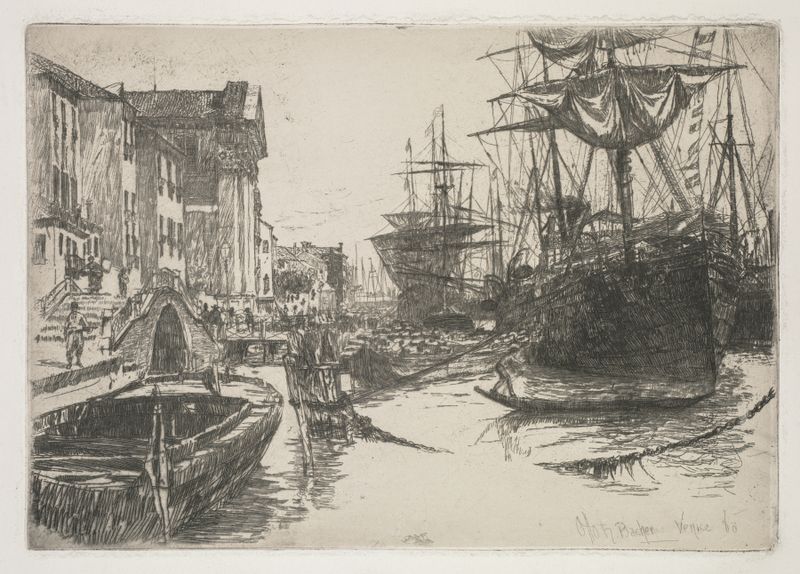
Fondamenta della Zattere
Otto Henry Bacher
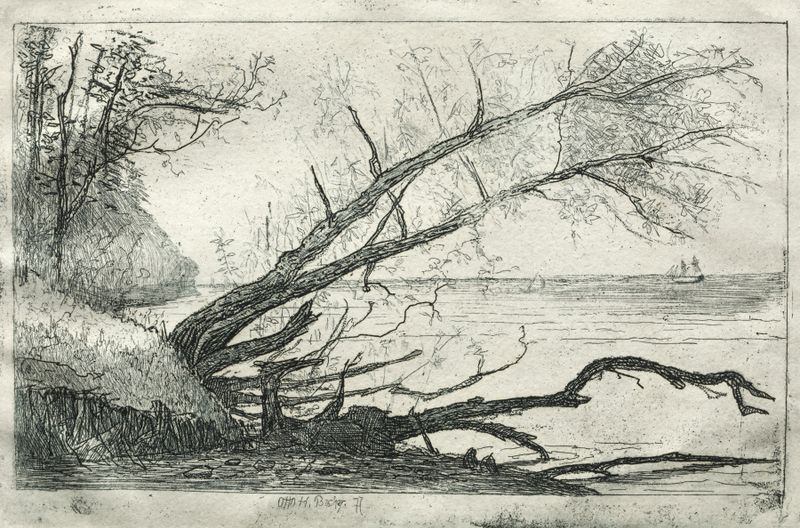
Old Sycamore
Otto Henry Bacher
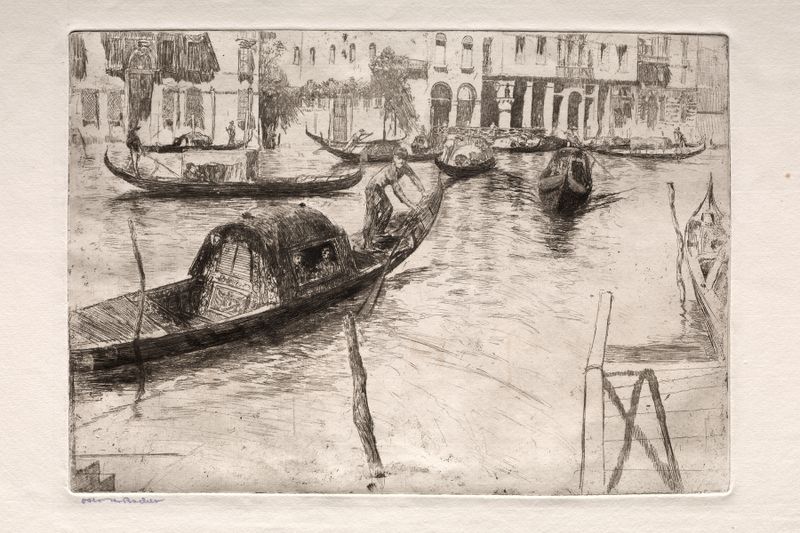
Traghetto San Felice
Otto Henry Bacher
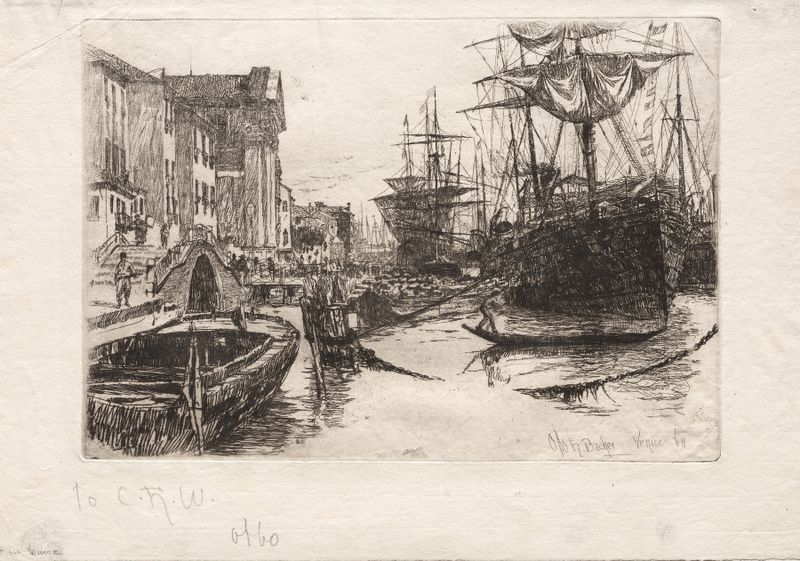
View in Venice
Otto Henry Bacher
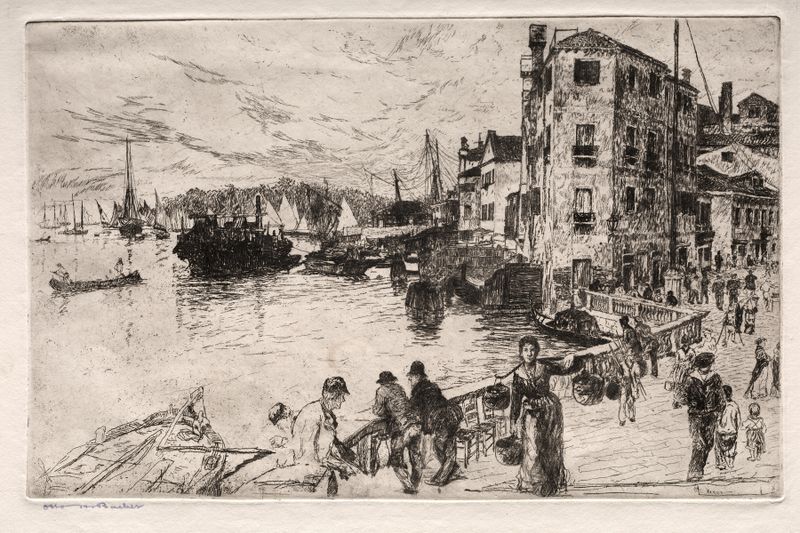
Castello Quarters, Riva
Otto Henry Bacher
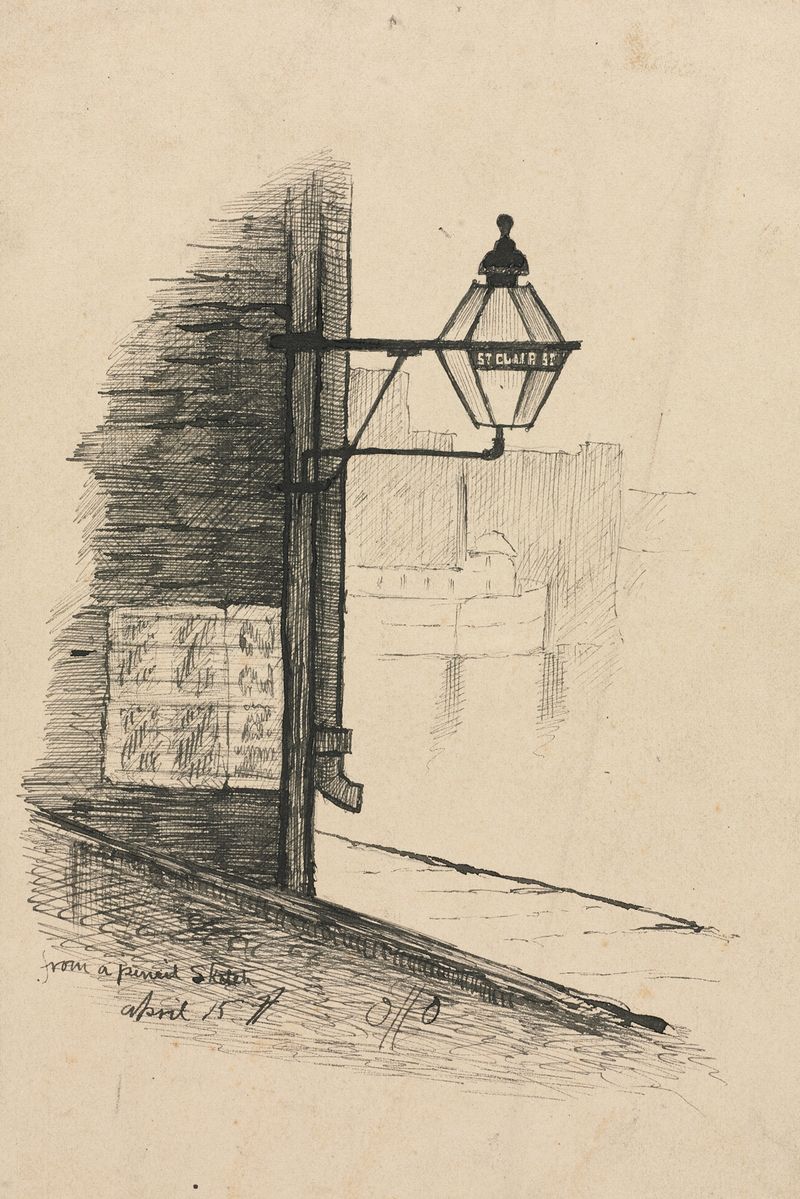
St. Clair Street, Cleveland
Otto Henry Bacher





