
Lauperswyl. — History & Facts
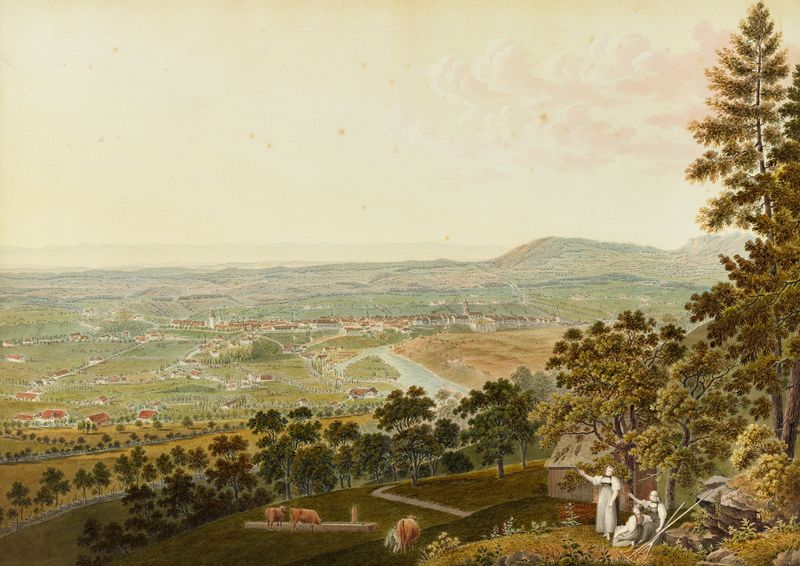
When did color learn to lie? In the presence of Lauperswyl, one cannot help but question the veracity of hues that dance across the canvas, enticing us into a realm where nature’s charm and human perception intertwine. Look to the vibrant blues and greens that dominate the landscape, where the eye is first drawn to a shimmering lake nestled against the backdrop of distant mountains. Notice how the artist employs delicate brushwork to create a sense of fluidity in the water, contrasting sharply with the rigid lines of the towering peaks. In the foreground, the soft, dappled light catches the foliage, its greens pulsating with life, while shadows stretch and play, inviting the viewer to step closer and explore the nuances of the scene. Beneath the apparent tranquility lies a deeper dialogue between reality and illusion.
The seemingly idyllic vista evokes nostalgia and longing, as if the viewer is gazing upon a memory that is simultaneously vivid and elusive. The interplay of light and shadow suggests a transient moment, capturing a fleeting experience that speaks to the heart’s desire for connection to nature. In this delicate balance, an emotional tension lingers, as we grapple with our own perceptions of beauty and truth. Created during a time of emerging Romanticism, Lauperswyl reflects Jakob Samuel Weibel’s exploration of nature’s splendor amid the sweeping changes of the 19th century.
Living in a period where art began to shift from classical ideals to more emotive expressions, Weibel honed his craft in Switzerland, capturing the ethereal qualities of the landscape. This painting stands as a testament not only to his technical prowess but also to the evolving language of art as it sought to mirror the complexities of human experience.
More Artworks by Jakob Samuel Weibel
Browse all →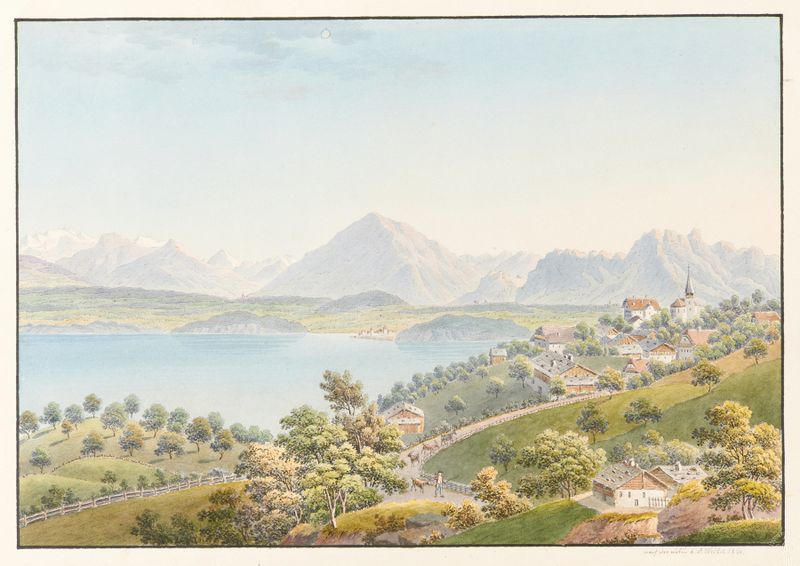
Vue dessiné depuis le Village de Sigriswil, audessus du Lac de Thoune
Jakob Samuel Weibel
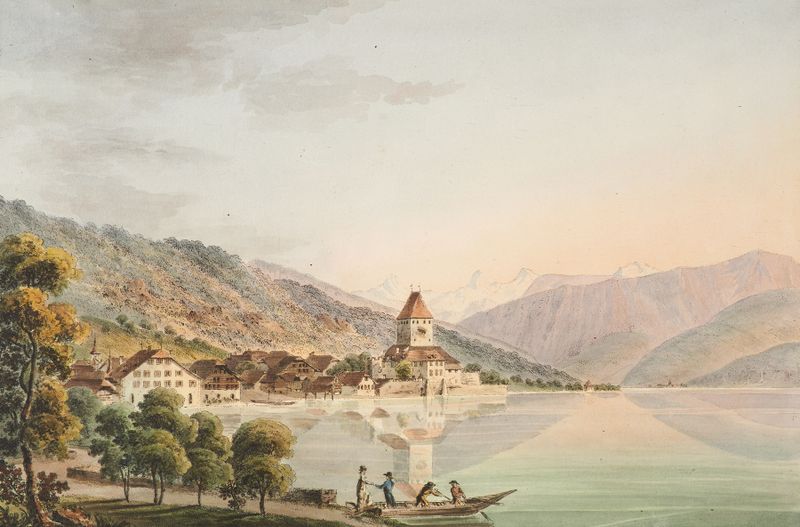
Vûe du Chateau d’Oberhofen au Lac de Thoune
Jakob Samuel Weibel
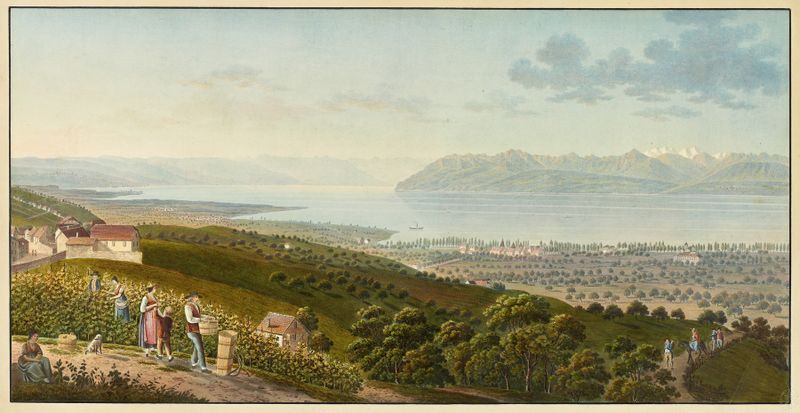
Vue genérale du Lac de Geneve
Jakob Samuel Weibel
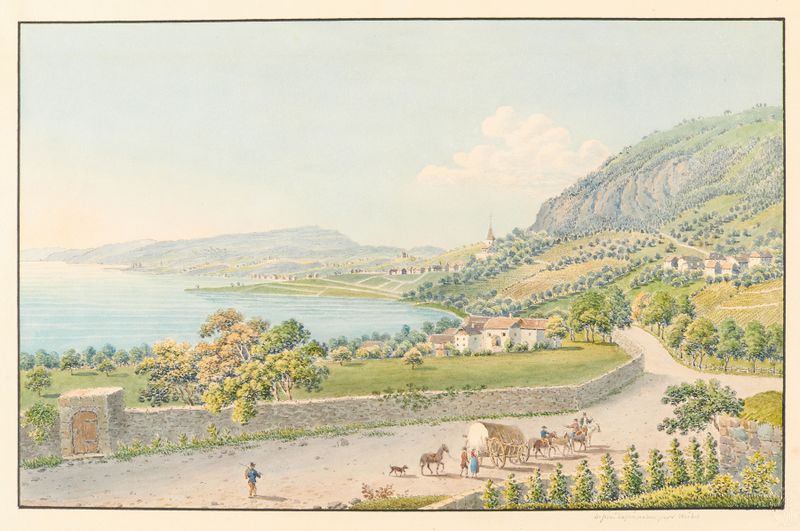
Vue des environs de Montreux et de Clarens
Jakob Samuel Weibel
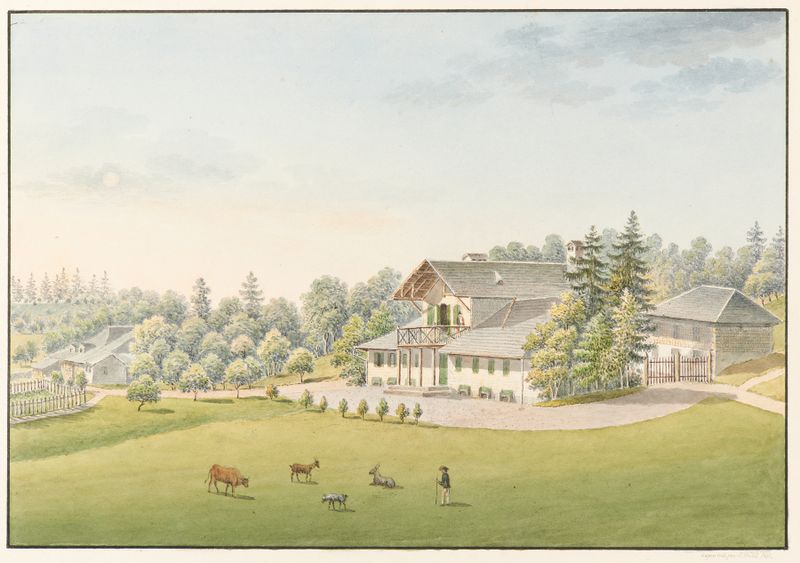
Vue du nouveau Châlet de Vernand
Jakob Samuel Weibel
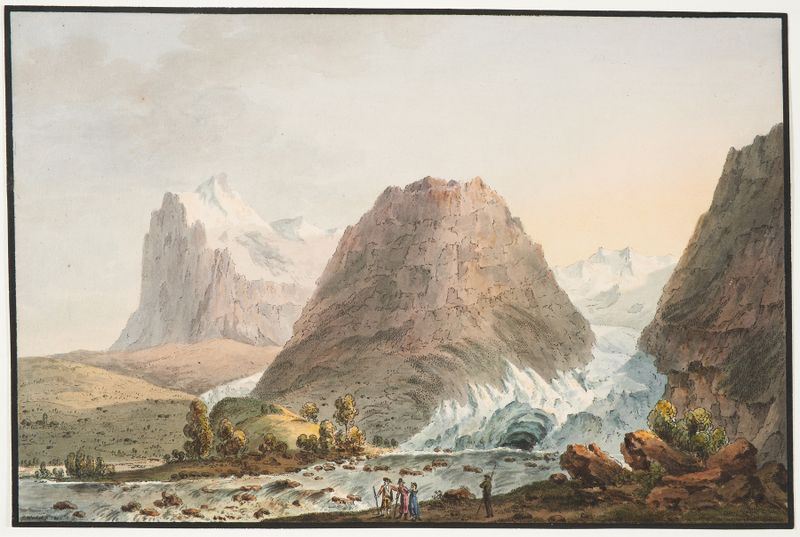
Vûe des Glacieres de Grindelwald
Jakob Samuel Weibel
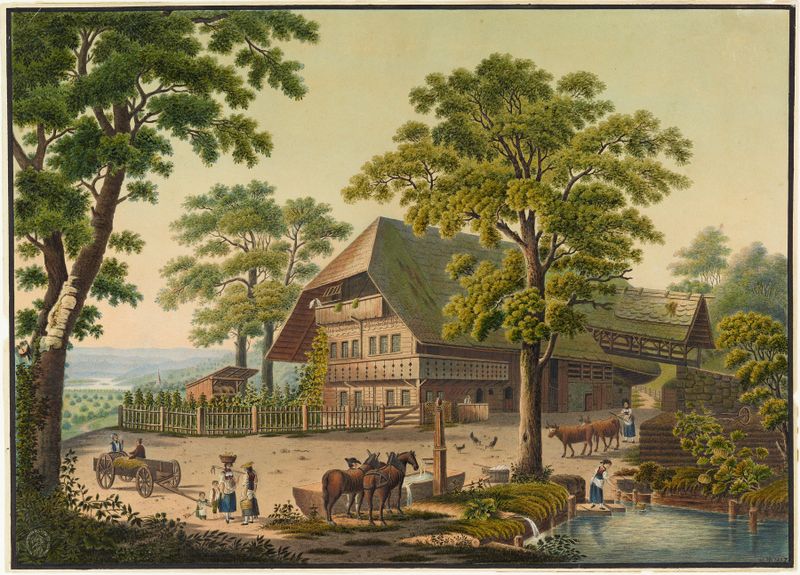
Maison de paysan près Wichtrach
Jakob Samuel Weibel
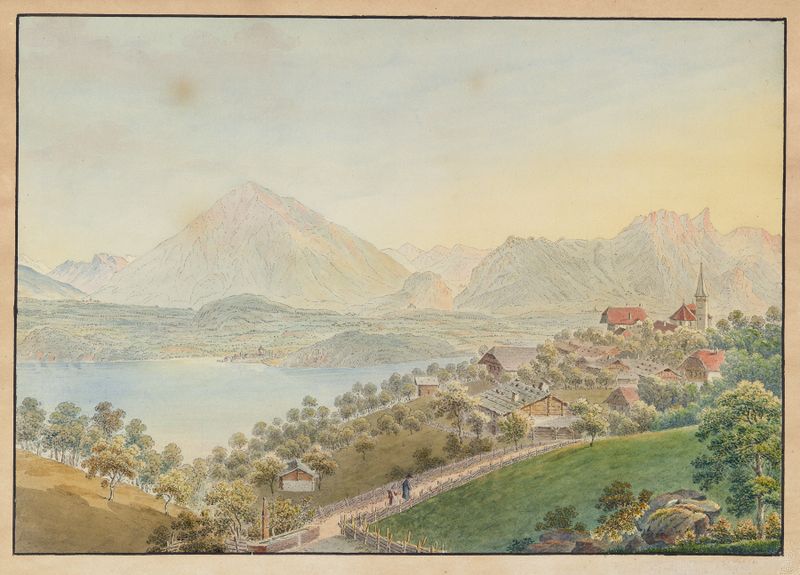
Ansicht von Sigriswil mit Niesen und Thunersee
Jakob Samuel Weibel
Ansicht Berns und der Aare vom Gurten aus
Jakob Samuel Weibel

Lausanne Ville capitale du Canton de Vaud
Jakob Samuel Weibel





