
Laveuses au bord de l’eau, Pontoise — History & Facts
Can paint confess what words never could? In Laveuses au bord de l’eau, Pontoise, beauty flows like water, cradling the essence of life and labor in its gentle embrace. Focus on the tranquil riverbank where two women, immersed in their task, are the heart of the composition. Look closely at the soft ripples of water reflecting hues of blue and green, harmonizing with the earthy tones of the women’s dresses. The brushstrokes are lively yet deliberate, capturing the fleeting moments of their labor against the backdrop of a serene landscape.
Notice how the dappled light filters through the trees, illuminating their figures, imbuing the scene with warmth and a sense of quiet camaraderie. Beneath the surface of this idyllic scene lies the tension between industriousness and tranquility. The women’s engaged gestures speak of toil and resilience, suggesting a narrative of survival and community. In contrast, the surrounding nature, bathed in sunlight, conveys a sense of peace, inviting the viewer to reflect on the balance between human effort and the beauty of the natural world.
The juxtaposition of labor against the serene landscape evokes a profound appreciation for the beauty in everyday life. Created in 1878, this piece emerged during a pivotal moment in Camille Pissarro's career, as he was solidifying his role within the Impressionist movement. At this time, he lived in Pontoise, close to Paris, amidst social and artistic upheaval. The world was changing rapidly, and artists were exploring new techniques that emphasized light and color over traditional representation, shifting the narrative towards the beauty of ordinary moments, like those captured in this gentle depiction of washerwomen.
More Artworks by Camille Pissarro
Browse all →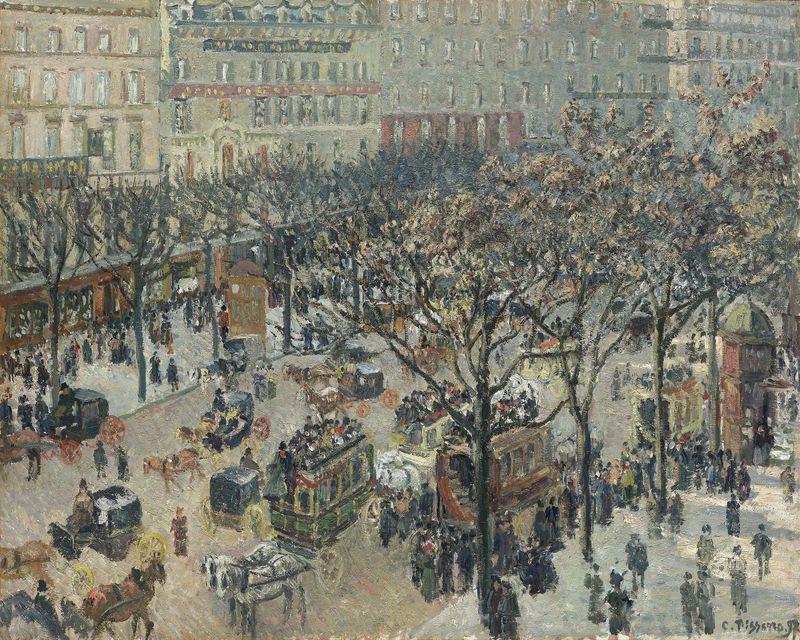
Boulevard des Italiens,Morning_Sunlight
Camille Pissarro
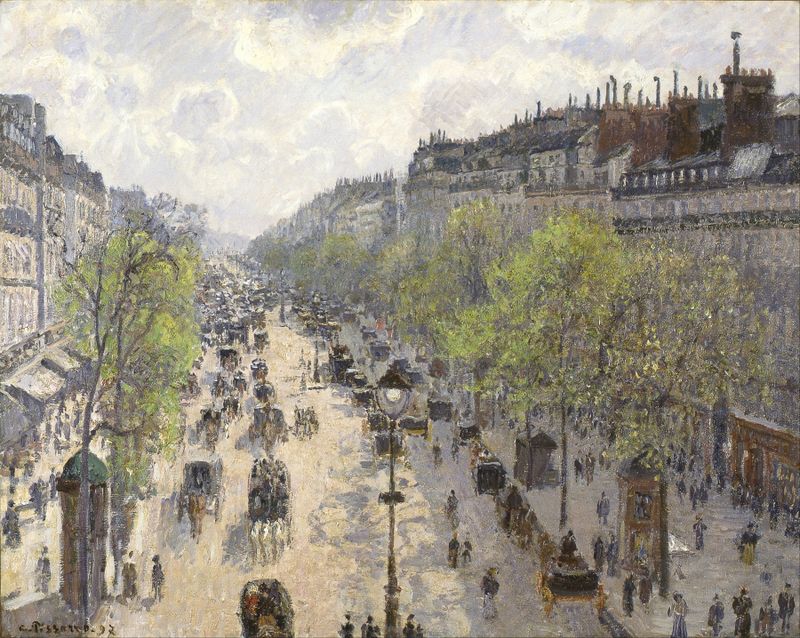
Boulevard Montmartre, Spring
Camille Pissarro
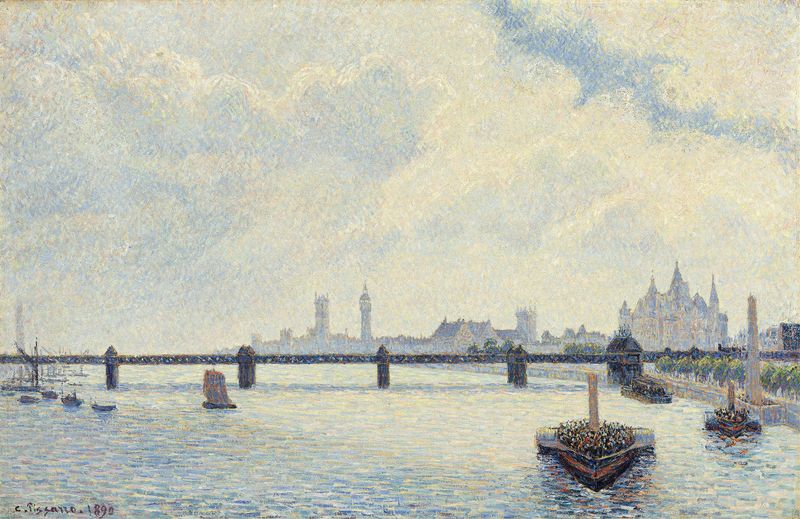
Charing Cross Bridge,London
Camille Pissarro
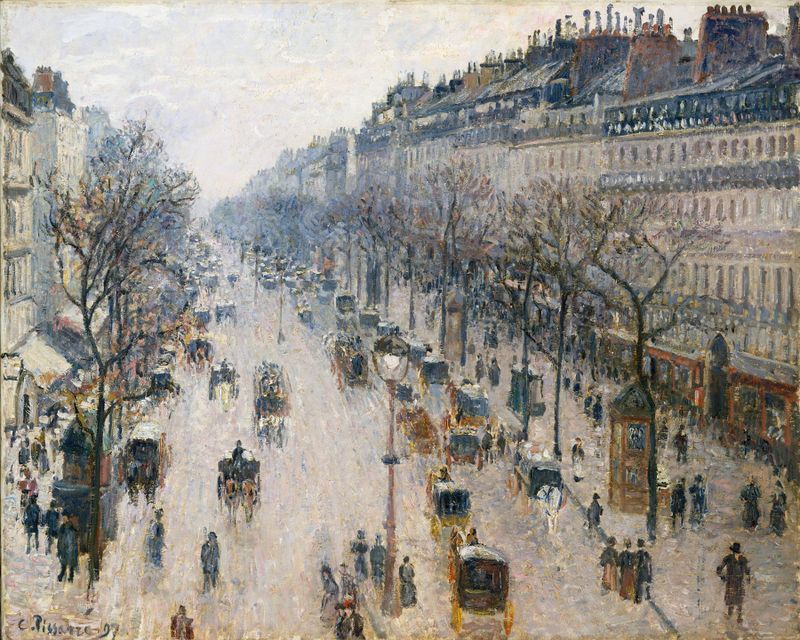
The Boulevard Montmartre on a Winter Morning
Camille Pissarro
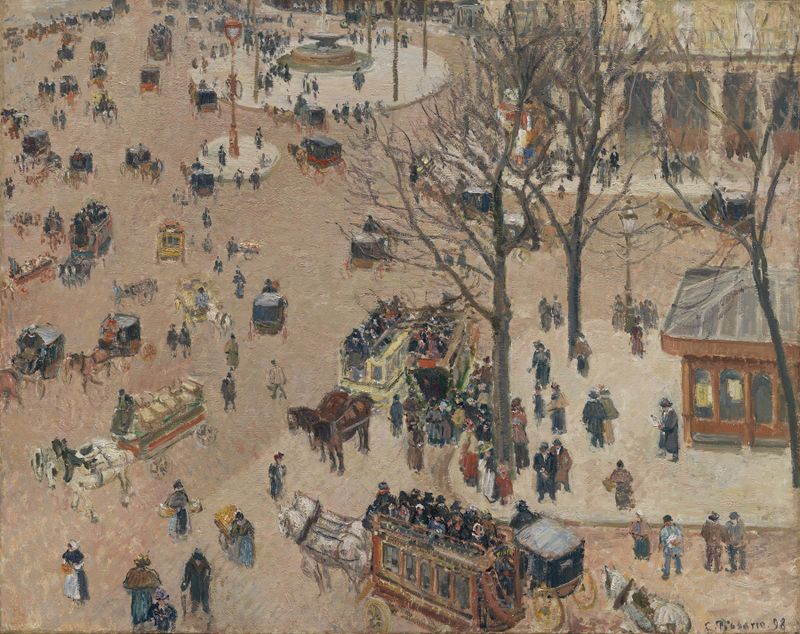
La Place du Théâtre Français
Camille Pissarro

Rue Saint-Lazare, Paris
Camille Pissarro
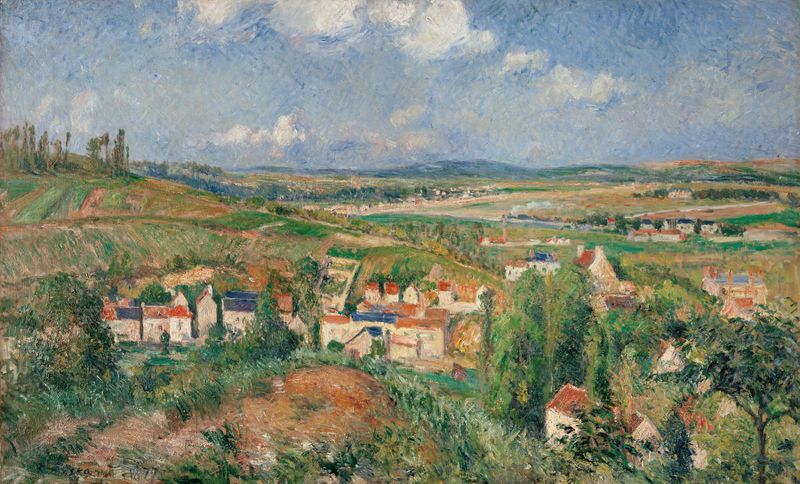
L’hermitage En Été, Pontoise
Camille Pissarro

Place du Theatre Francais,Fog Effect
Camille Pissarro
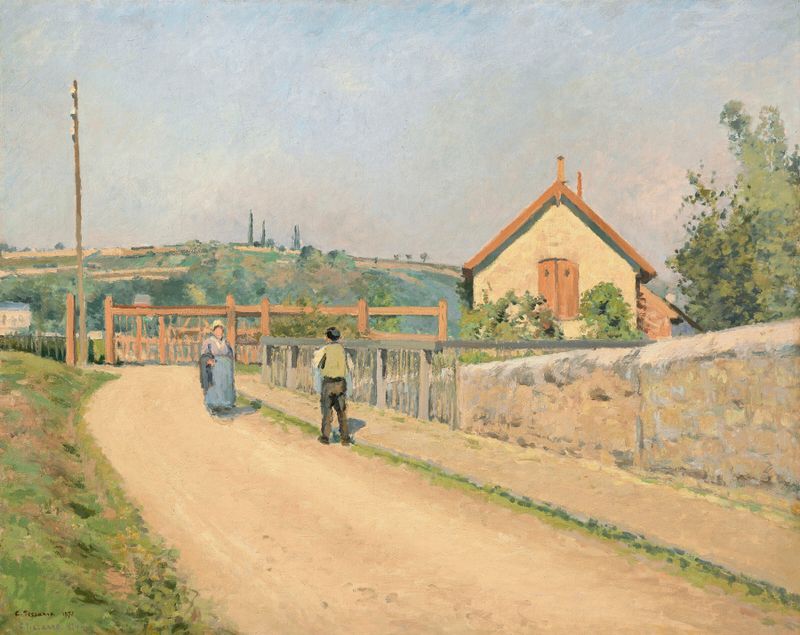
La barrière du chemin de fer, aux Pâtis près Pontoise
Camille Pissarro
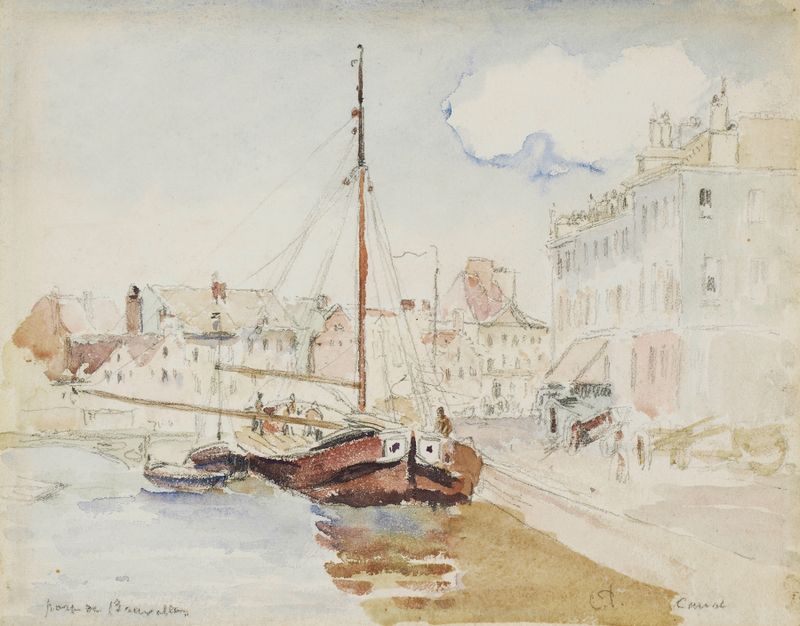
Port de Bruxelles
Camille Pissarro





