
Le 49 rue Didot, futur square du Moulin-Vert — History & Facts
Is this a mirror — or a memory? In the delicate interplay between architecture and nature, a new identity is forged, hinting at rebirth and renewal. Focus on the vibrant palette that dominates the canvas; greens and earthy browns weave together, breathing life into every corner. Look closely at the bulging trees and cascading leaves, each brushstroke alive with texture. The gentle arch of the rooftops suggests an embrace between the structures and their environment, inviting the viewer into this human enclave nestled among nature’s embrace.
Consider how shadows dance playfully along the ground, softening the rigid lines of buildings — a reminder of the transient beauty in urban life. Here lies a juxtaposition of solidity and fragility. The starkness of architectural forms contrasts with the fluidity of the surrounding flora, symbolizing the balance between civilization and the natural world. Enveloped in the scene is a subtle narrative about transformation; the site once bustling with human activity now serves as a canvas for nature's reclamation.
Each element speaks of change, capturing a moment where the past gently nudges the present toward a future yet to be realized. In 1926, Ferdinand Boberg painted this work during a time of significant architectural and social change in Europe. Emerging in a post-war context, his focus on revitalization through urban landscapes reflected a broader movement advocating for harmony between the built environment and nature. Boberg was influenced by modernist ideals, seeking to redefine aesthetic values in an era characterized by a longing for renewal.
More Artworks by Ferdinand Boberg
Browse all →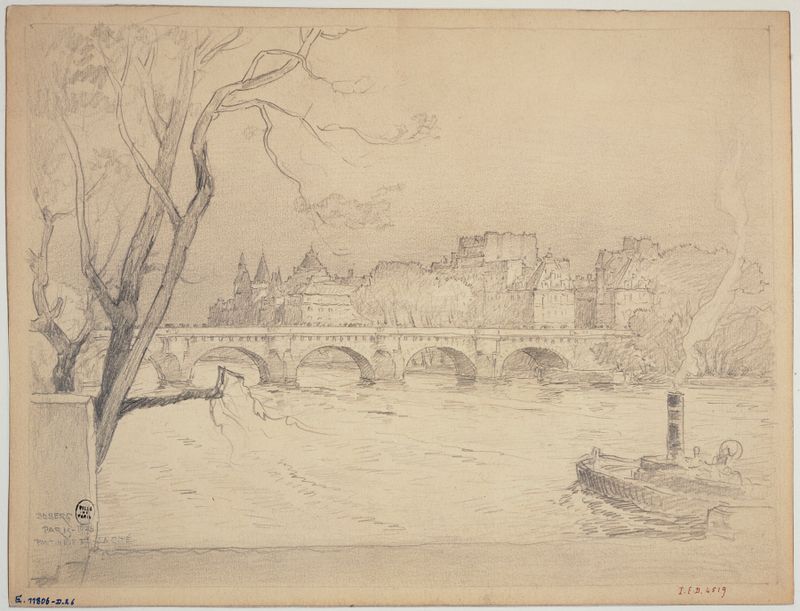
Le Pont-Neuf et la Cité
Ferdinand Boberg
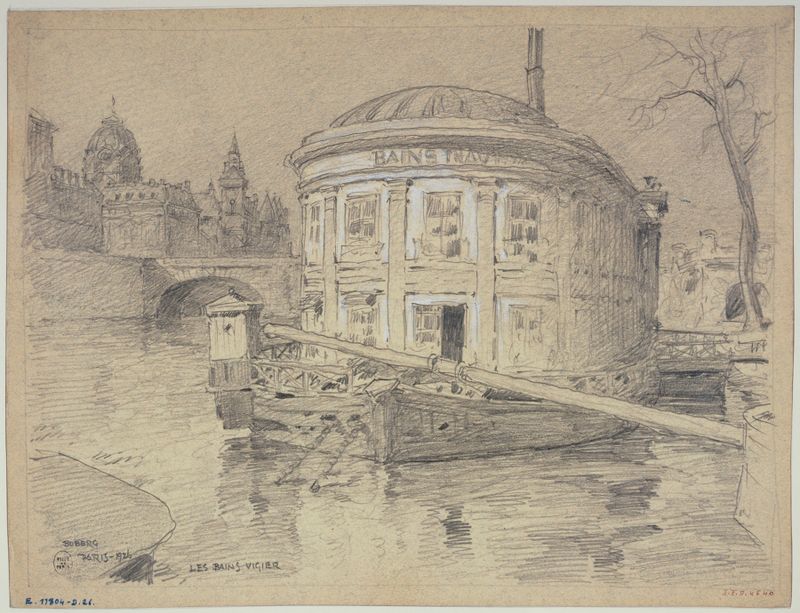
Les bains Vigier au Pont-Neuf
Ferdinand Boberg
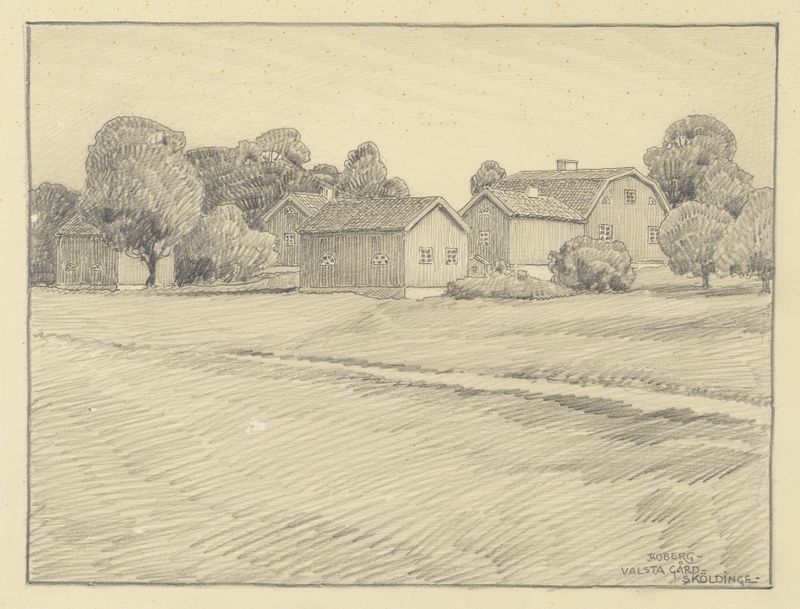
Valsta Gård
Ferdinand Boberg
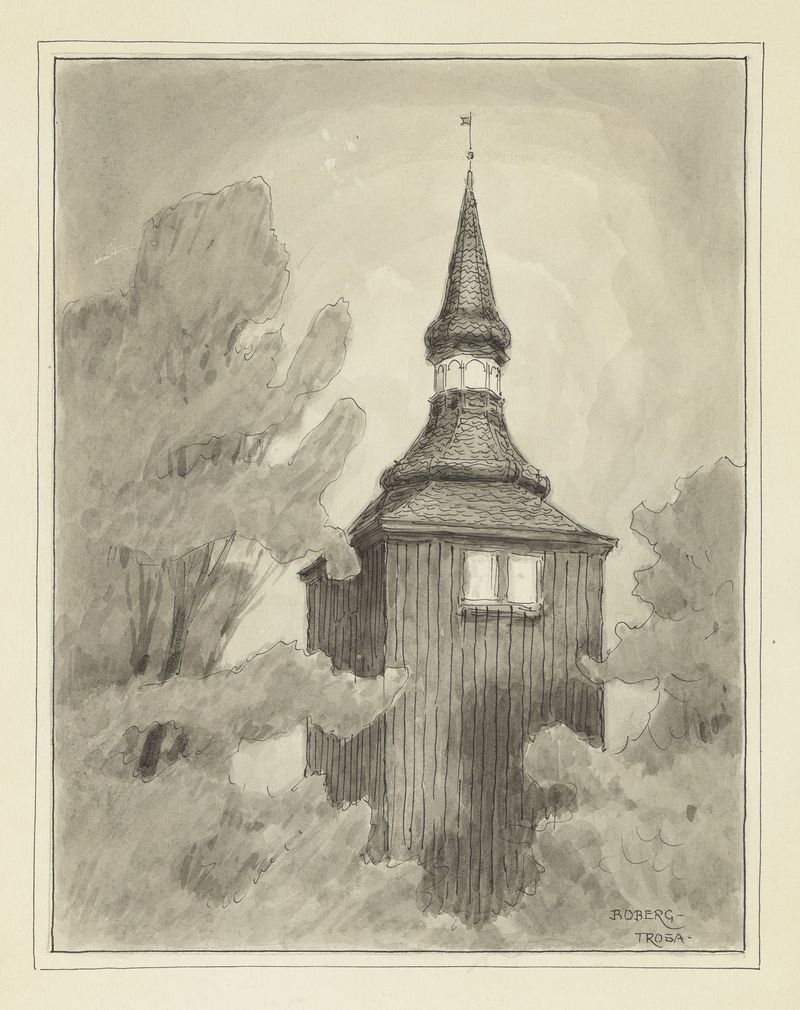
Trosa
Ferdinand Boberg
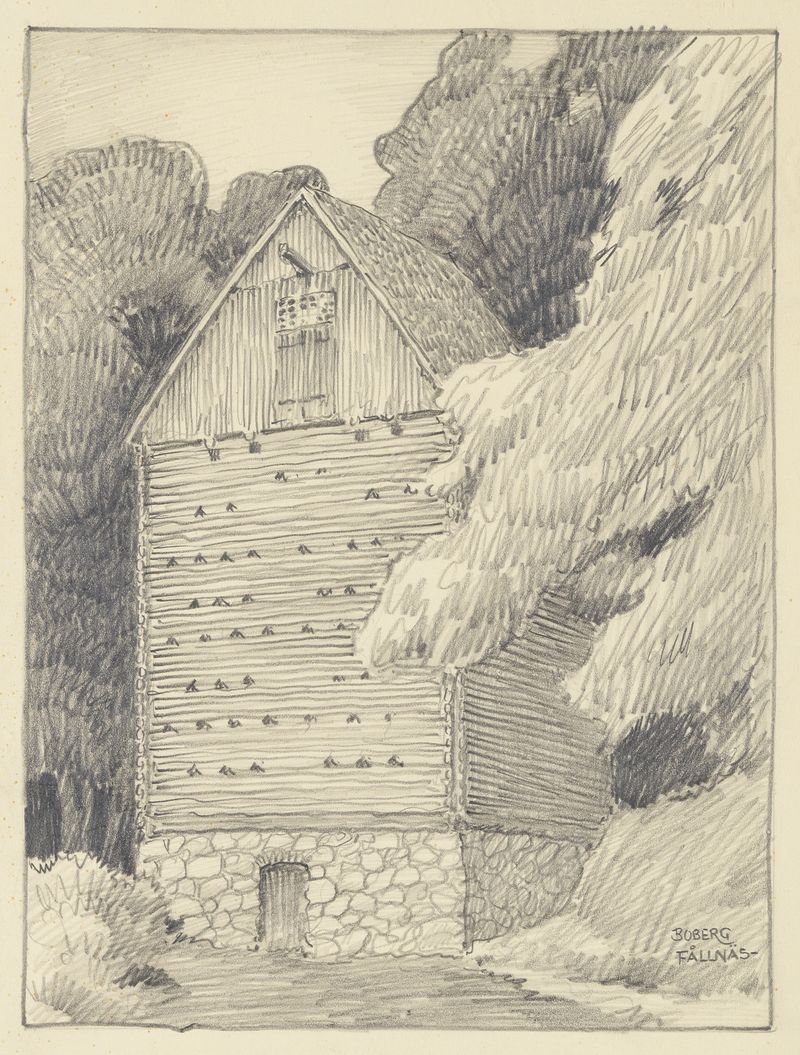
Fållnäs
Ferdinand Boberg
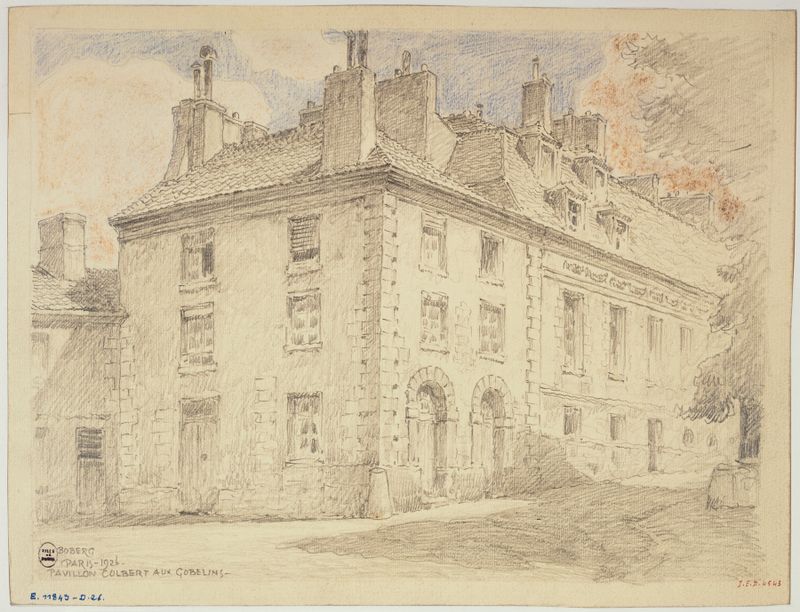
Le pavillon Colbert aux Gobelins
Ferdinand Boberg
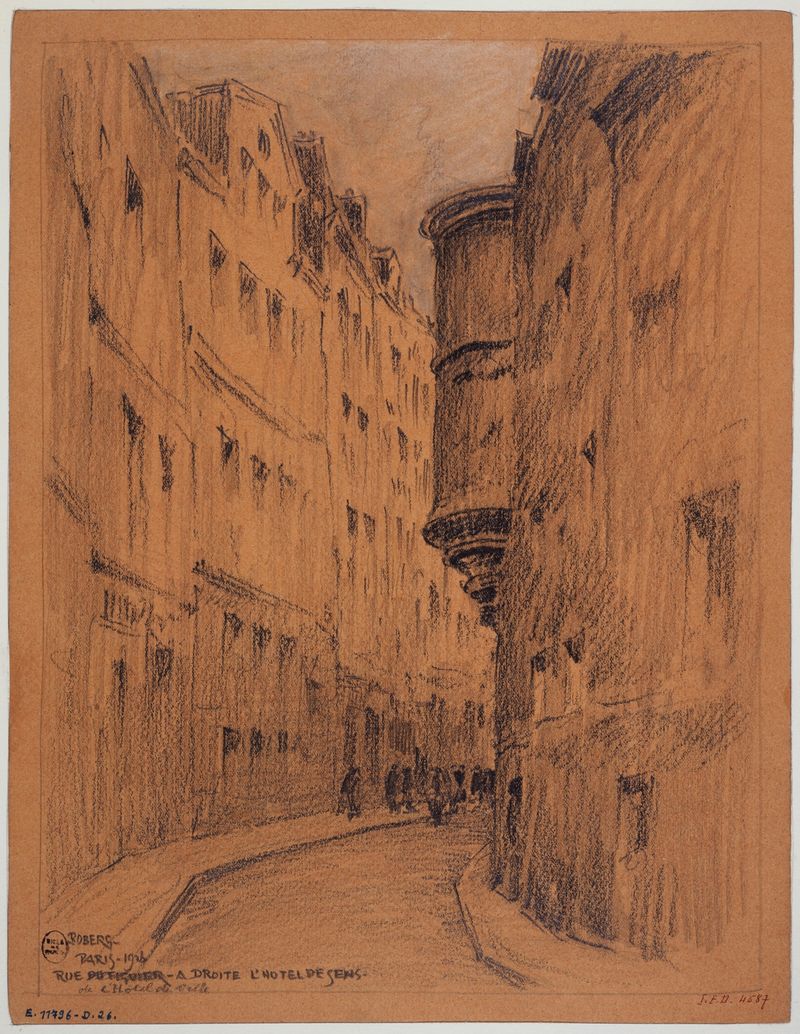
Rue de l’Hôtel de Ville; l’hôtel de Sens
Ferdinand Boberg
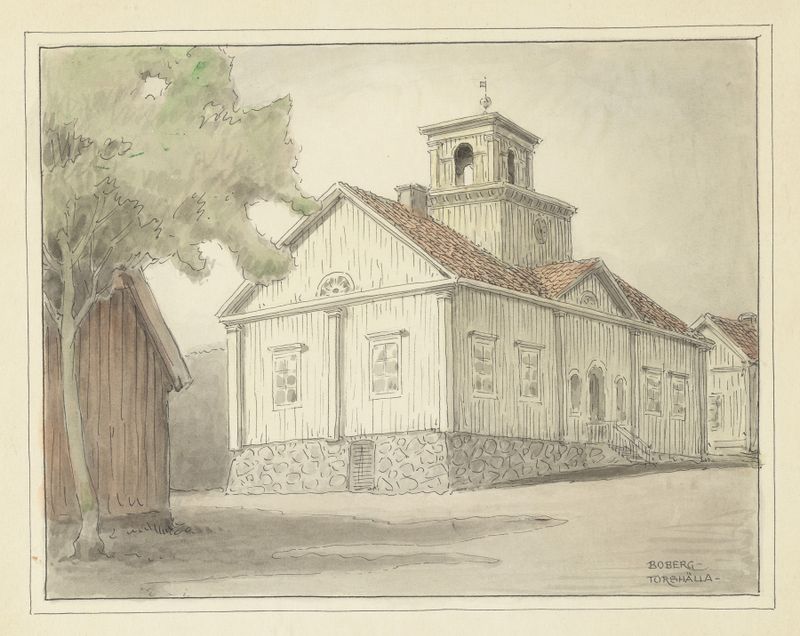
Torshälla
Ferdinand Boberg
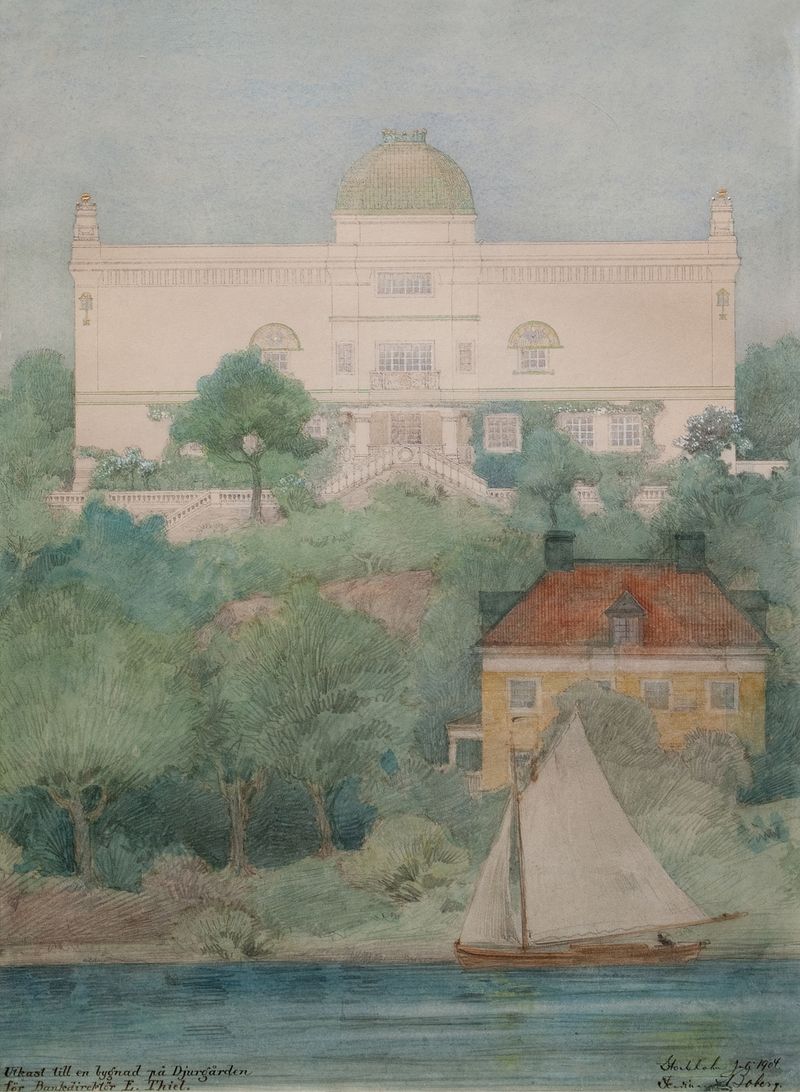
Sketch for a building for Thiel’s Gallery
Ferdinand Boberg
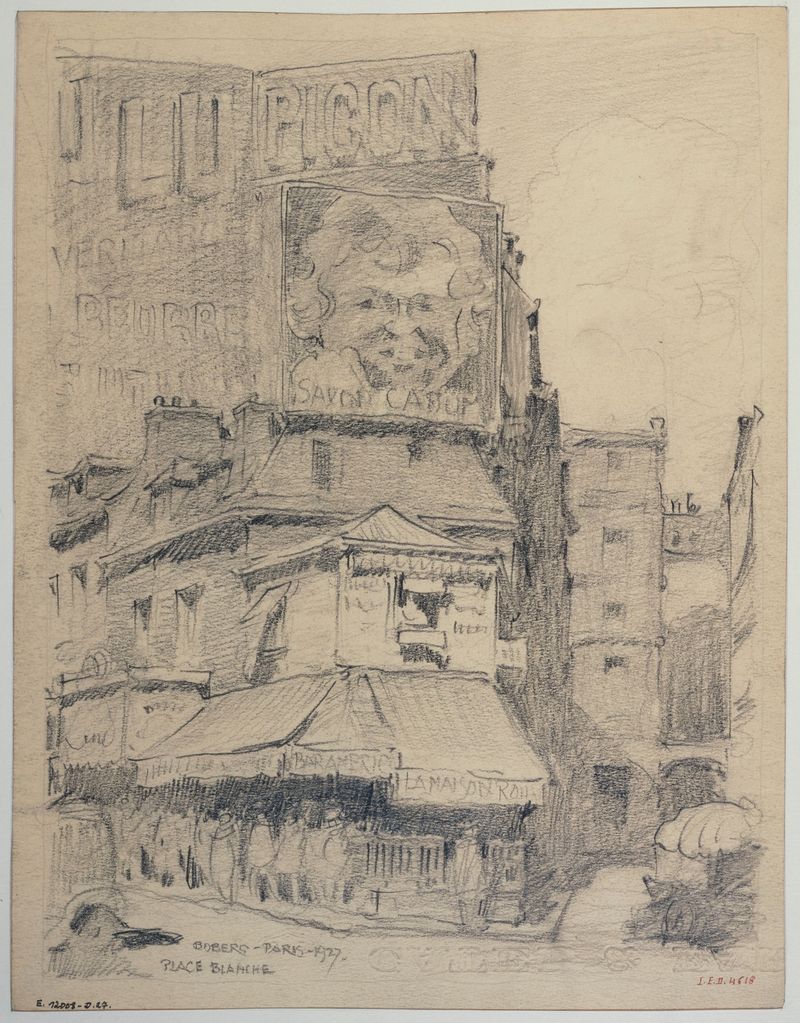
La place Blanche
Ferdinand Boberg





