
Le Balze, Volterra — History & Facts
In the stillness of art, truth emerges, whispering through layers of color and form, offering glimpses into the unseen. Focus on the vibrant hues of the earth-toned cliffs, where ochres and siennas clash dramatically with the serene blues of the sky. Notice how the light dances across the rugged landscape, illuminating the textures of the rocks while casting gentle shadows that hint at the passage of time. Each stroke reveals Lismann’s deft hand, capturing the essence of Volterra with a tactile authenticity that invites you to explore its depths. As you delve deeper, subtle contrasts unfold.
The starkness of the cliff's jagged edges juxtaposes the softness of the foreground's grasses, embodying a duality of strength and vulnerability. This delicate balance speaks to the resilience of nature, while the expansive sky evokes a sense of limitless possibility, stirring contemplations of our own truths. The painting’s quiet yet powerful presence urges the viewer to reflect on their own connection to the land, creating a dialogue between humanity and nature. In 1923, Hermann Lismann painted this piece during a time of post-war introspection and artistic re-evaluation in Europe.
Living in Germany, where the aftermath of World War I influenced many artists, Lismann sought to capture the beauty and complexity of the world around him. This work epitomizes his desire to translate personal truths into a universal language, resonating with the struggles and hopes of a generation.
More Artworks by Hermann Lismann
Browse all →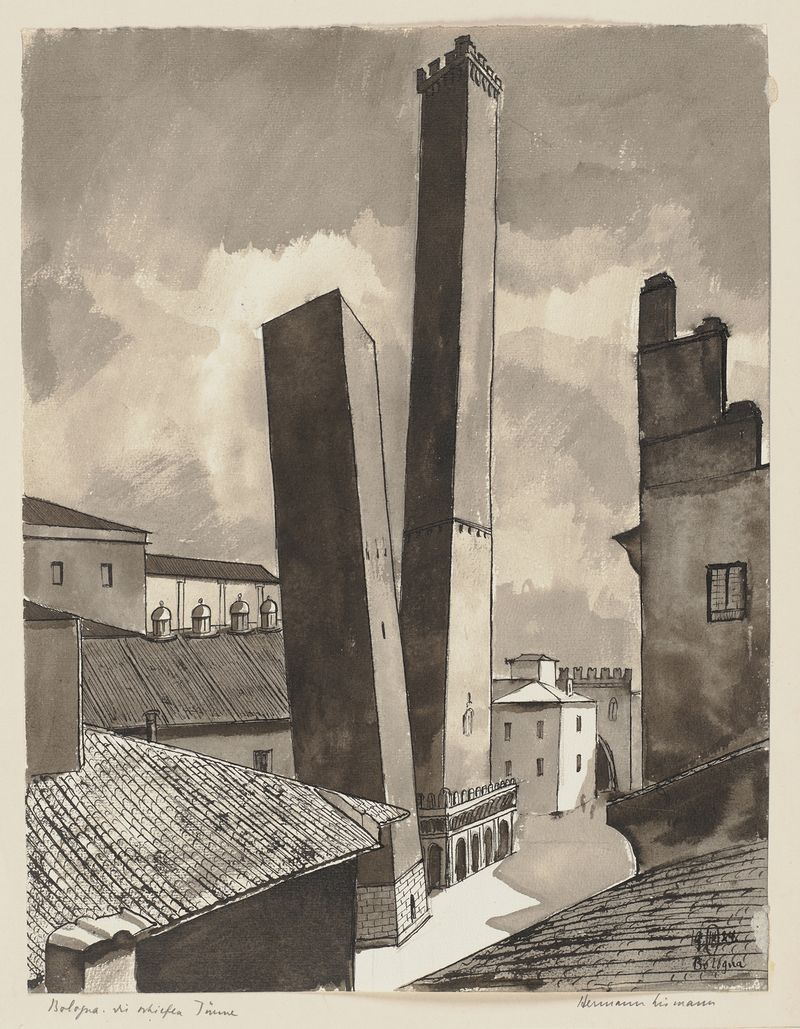
Die beiden Türme Garisenda und Asinelli in Bologna
Hermann Lismann
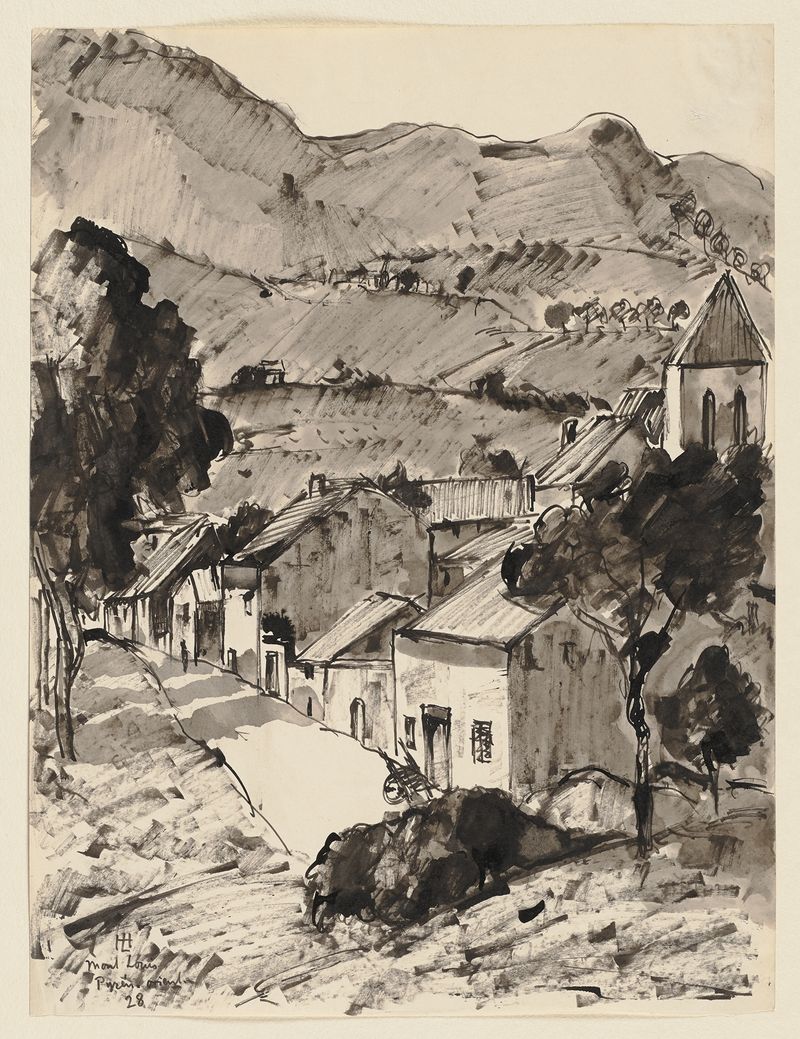
Mont-Louis
Hermann Lismann
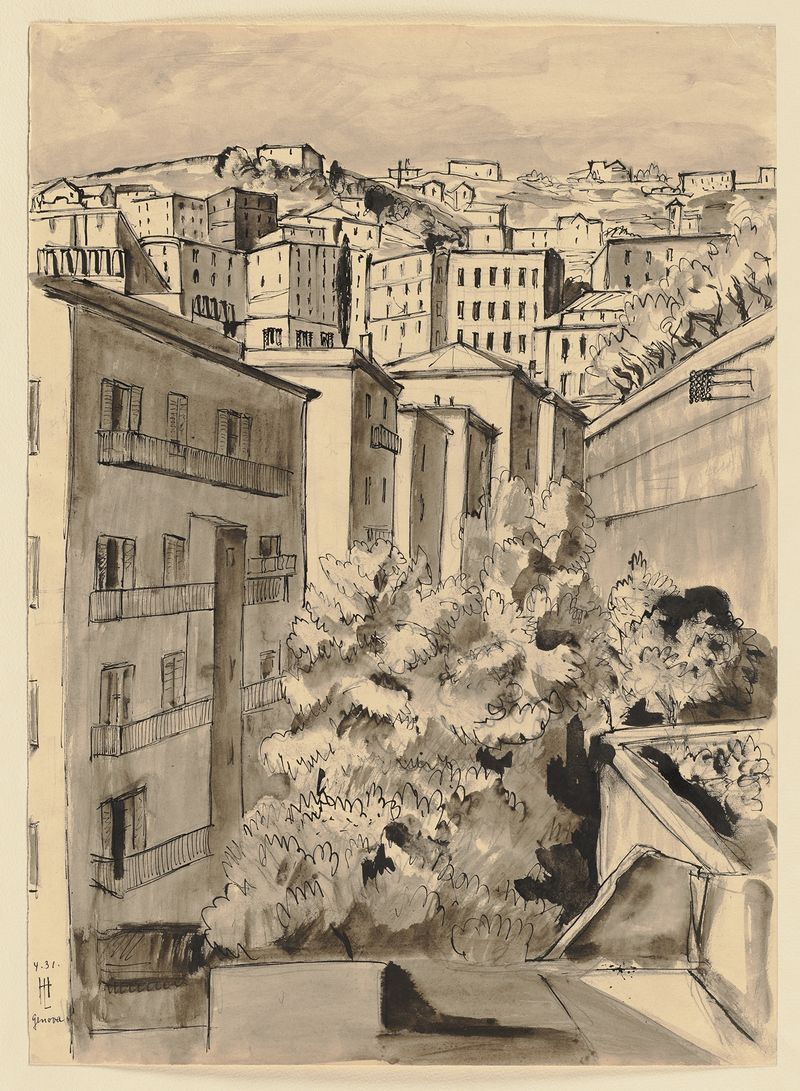
View of Genoa
Hermann Lismann
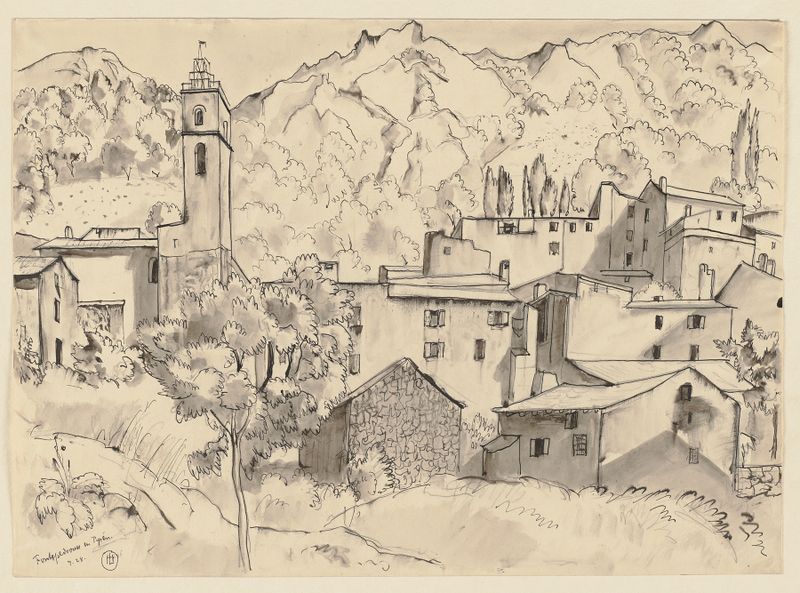
Fontpédrouse en Pyrénées
Hermann Lismann
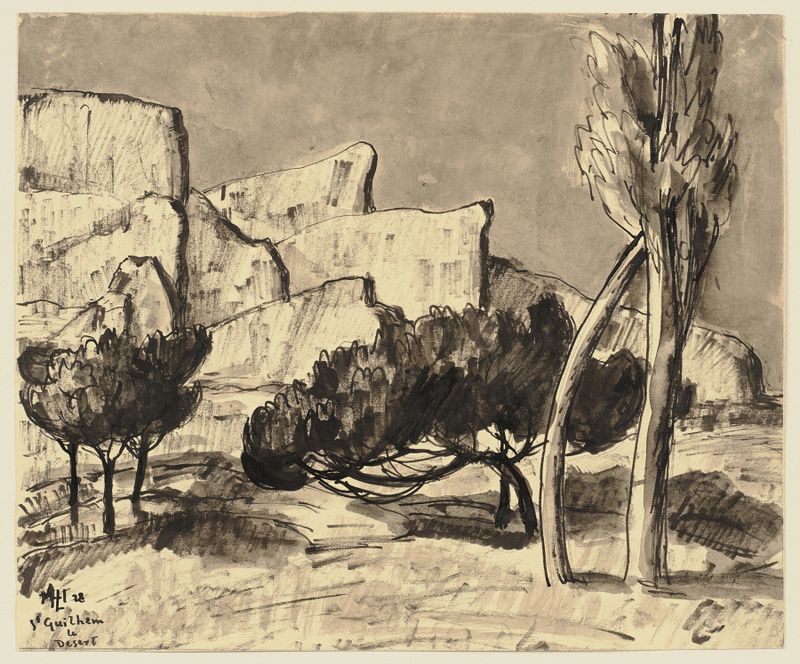
Saint-Guilhem-le-Désert
Hermann Lismann
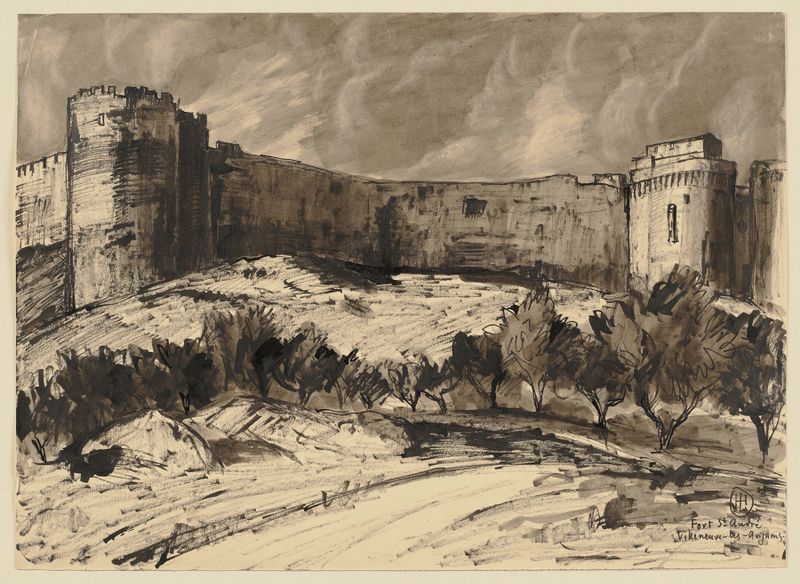
Fort Saint-André in Villeneuve-les-Avignon
Hermann Lismann
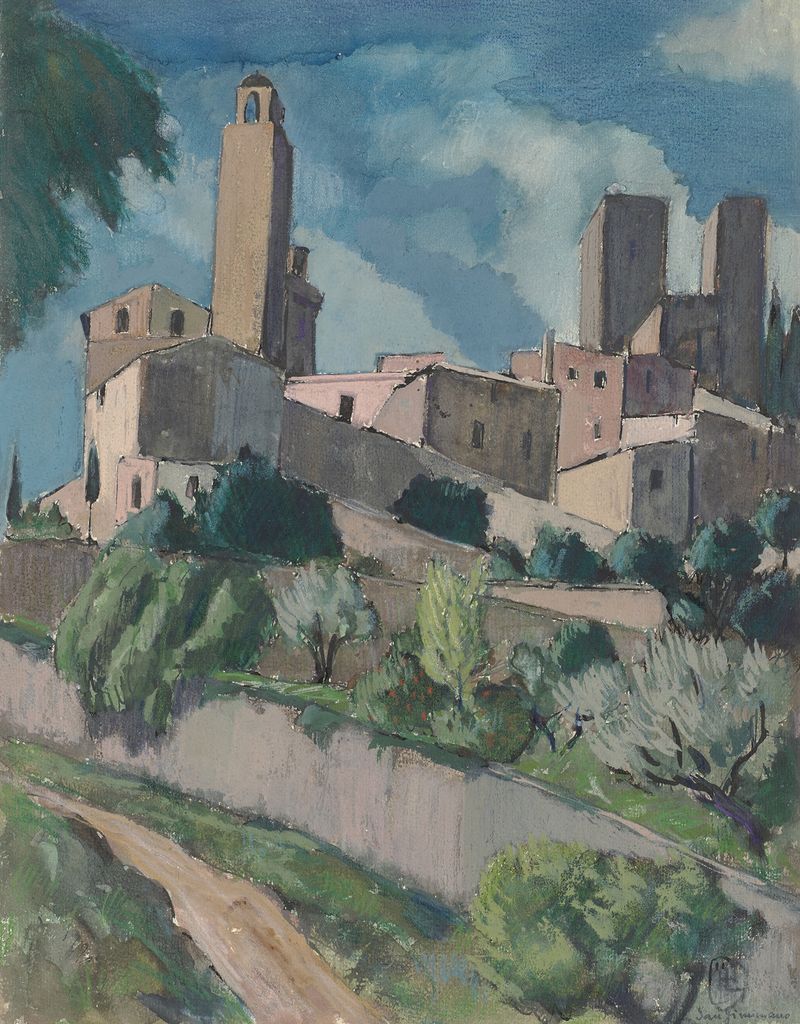
San Gimignano
Hermann Lismann
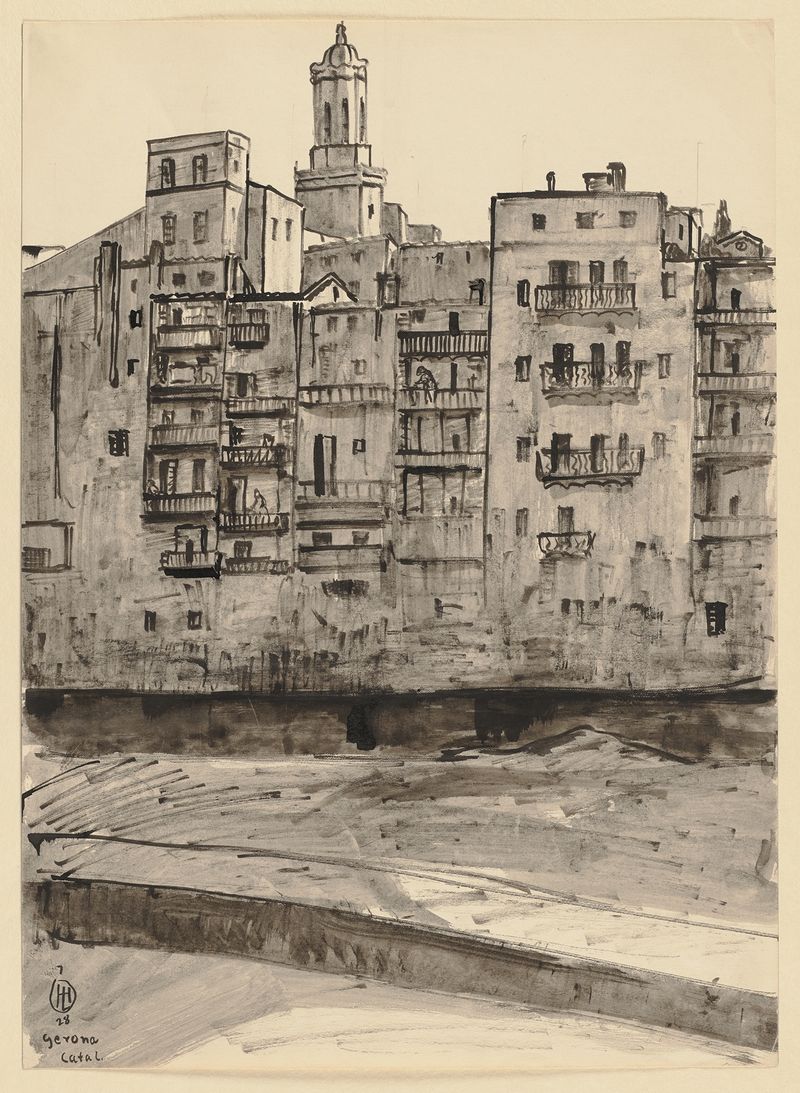
Girona vom Fluss aus gesehen, im Hintergrund der Turm der Kathedrale
Hermann Lismann
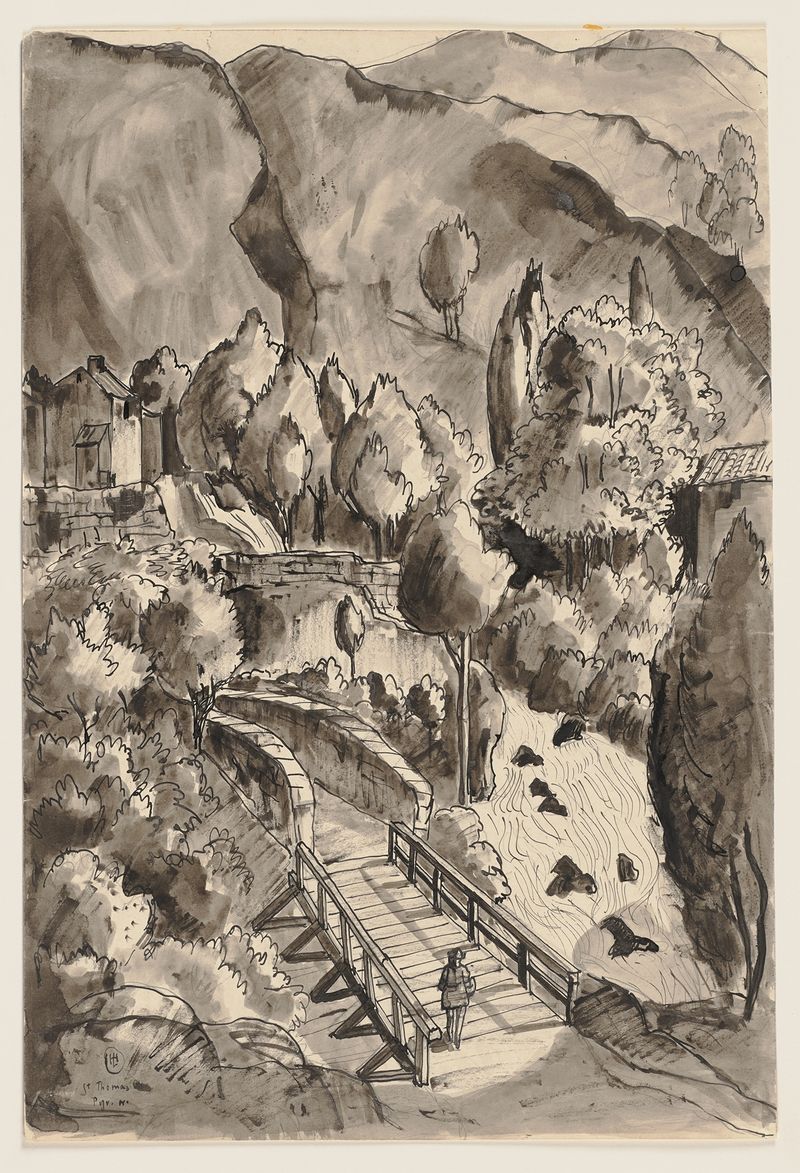
Saint Thomas, Pyrénées
Hermann Lismann
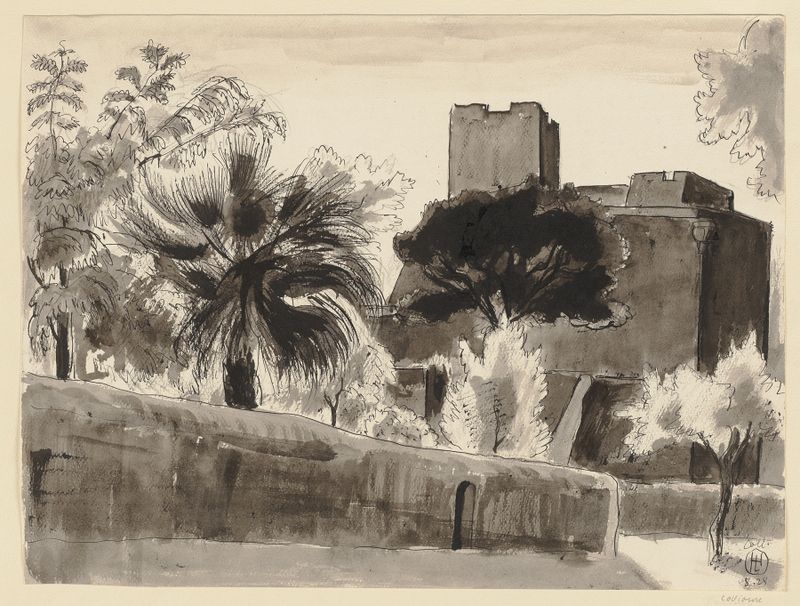
Collioure
Hermann Lismann





