
Le bassin du Luxembourg — History & Facts
What secret hides in the quiet of the canvas? In a serene embrace of nature and stillness, Le bassin du Luxembourg invites us to witness a moment of contemplation, where faith in beauty and tranquility prevails. Look to the center of the composition, where the reflective waters of the basin capture the sky's gentle hues. The lush greenery bordering the scene draws your eye in, framing the picturesque view with a vibrant palette of greens, blues, and soft earth tones. Notice how the light dances on the water’s surface, creating delicate ripples that suggest a breath of life beneath the still visage.
This interplay of light and shadow enhances the sense of serenity and draws you deeper into the scene’s narrative. Hidden within this peaceful tableau are the contrasts of solitude and connection. The quietude of the basin, with its solitary figures, evokes a sense of introspection, suggesting a sacred moment away from the chaos of everyday life. The trees stand tall and guardians of this space, whispering secrets of ancient wisdom, while the distant figures hint at a shared experience of stillness.
This balance between isolation and unity embodies a profound faith that nature holds the answers we seek, if only we pause to listen. In 1893, Vallotton painted this work while living in Paris, amidst an era of artistic experimentation and transition. He was influenced by the Impressionists, yet sought to forge his own path through bold colors and simplified forms. The world of art was transforming, and Vallotton's exploration of light and space in this piece reflected not only the changing aesthetics but also his personal quest for beauty in a rapidly modernizing society.
More Artworks by Félix Vallotton
Browse all →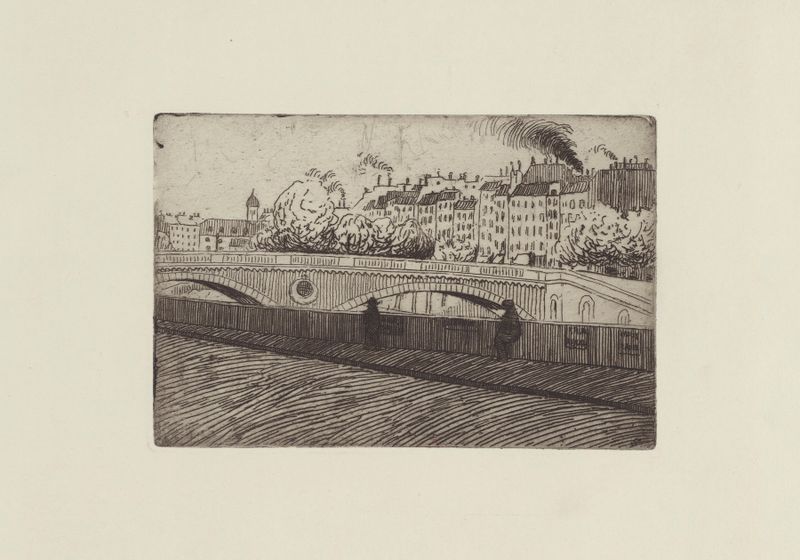
Le pont St Michel
Félix Vallotton
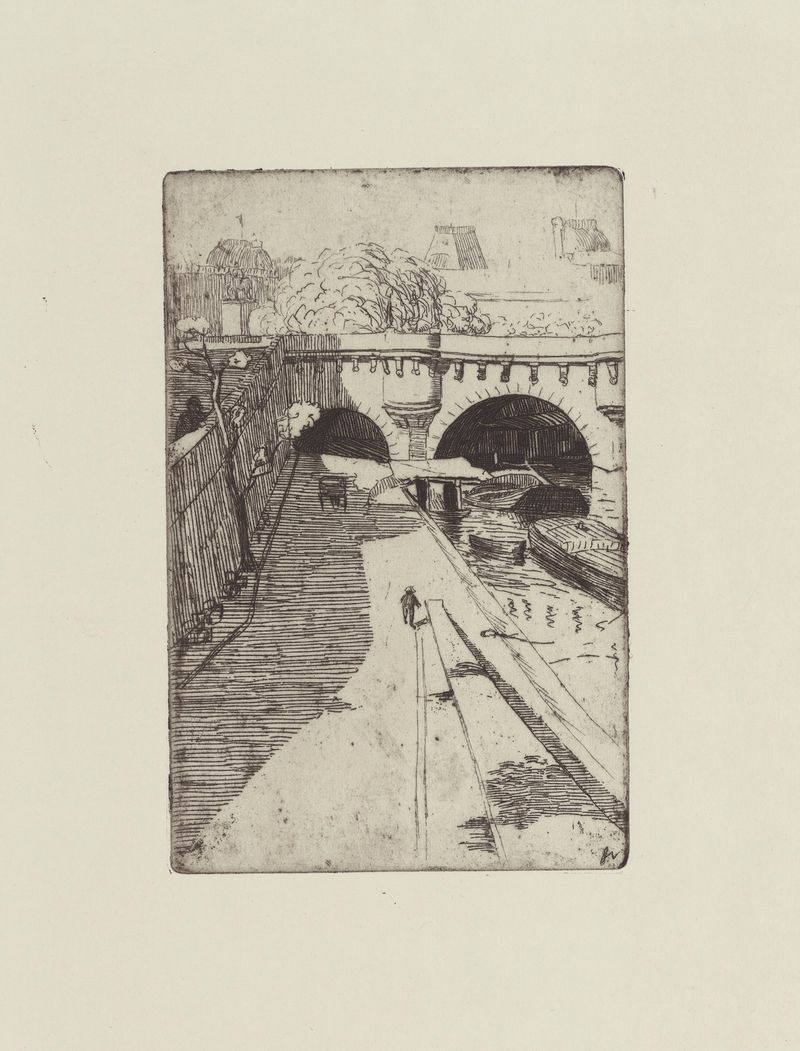
Le Vert-Galant
Félix Vallotton
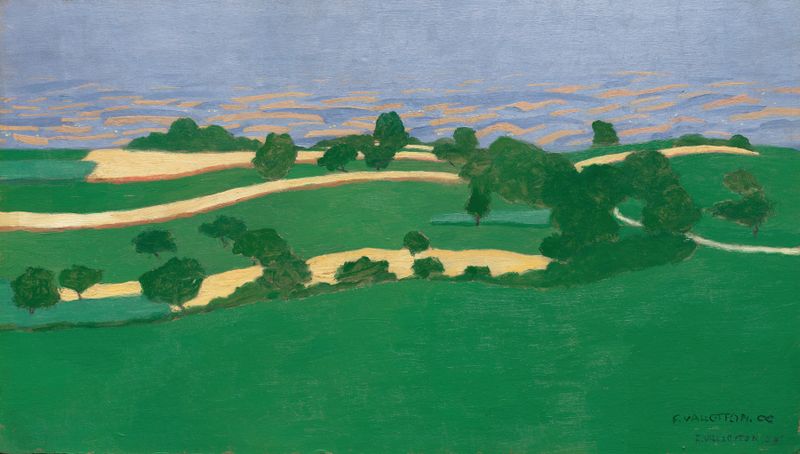
Corn Fields
Félix Vallotton
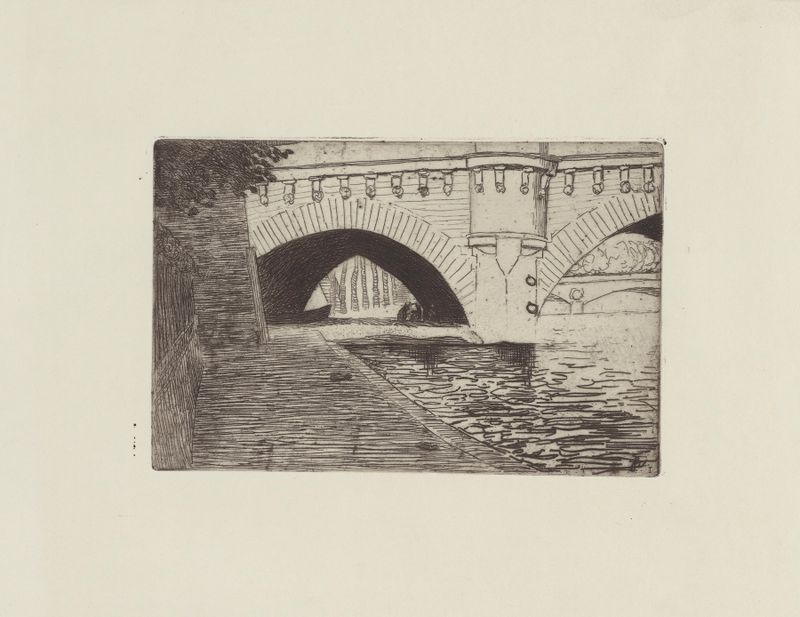
Le Pont-Neuf et le pont St Michel
Félix Vallotton
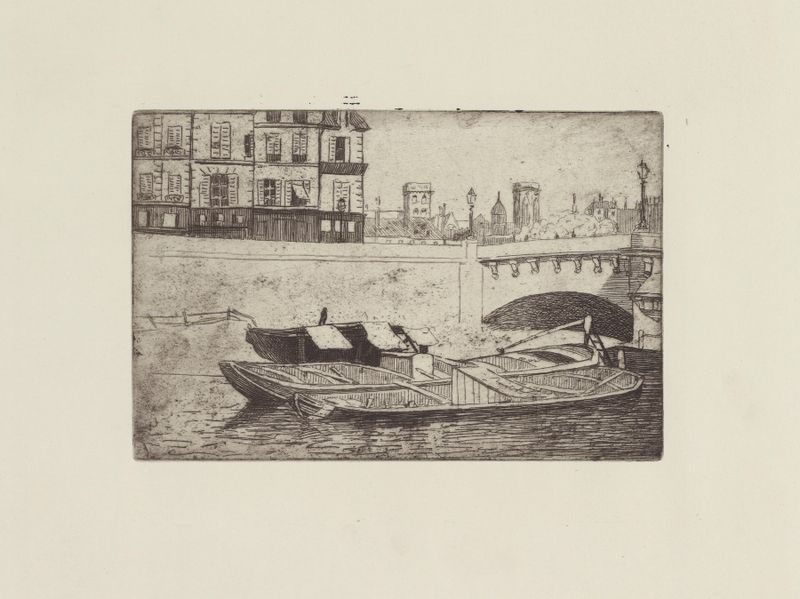
Péniches au Pont-Neuf
Félix Vallotton
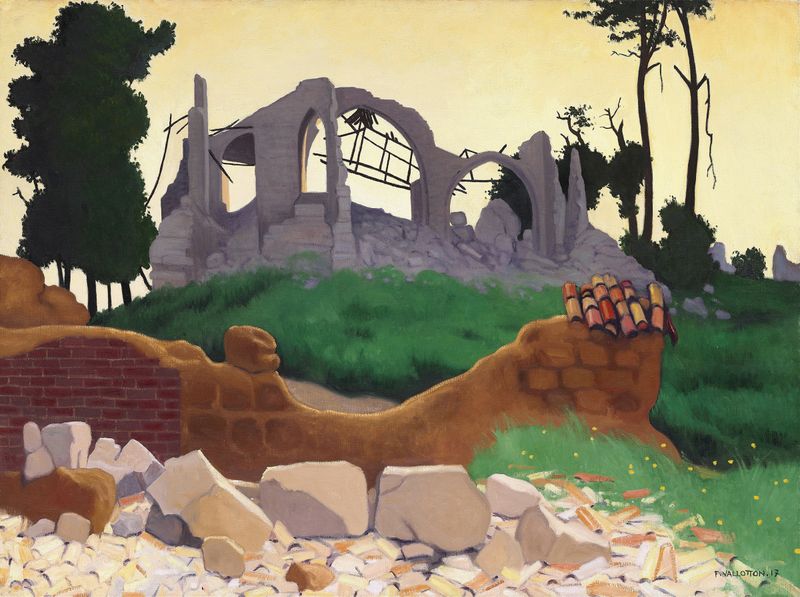
The Church of Souain
Félix Vallotton
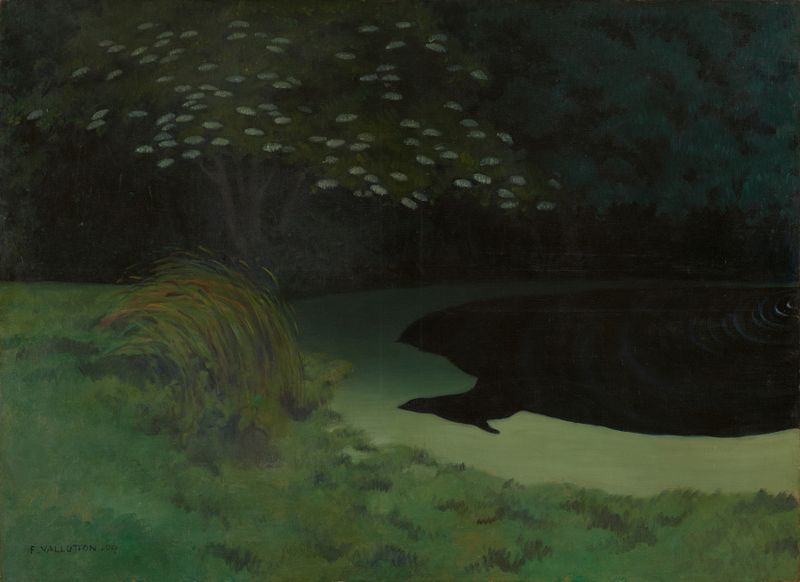
The Pond (Honfleur)
Félix Vallotton
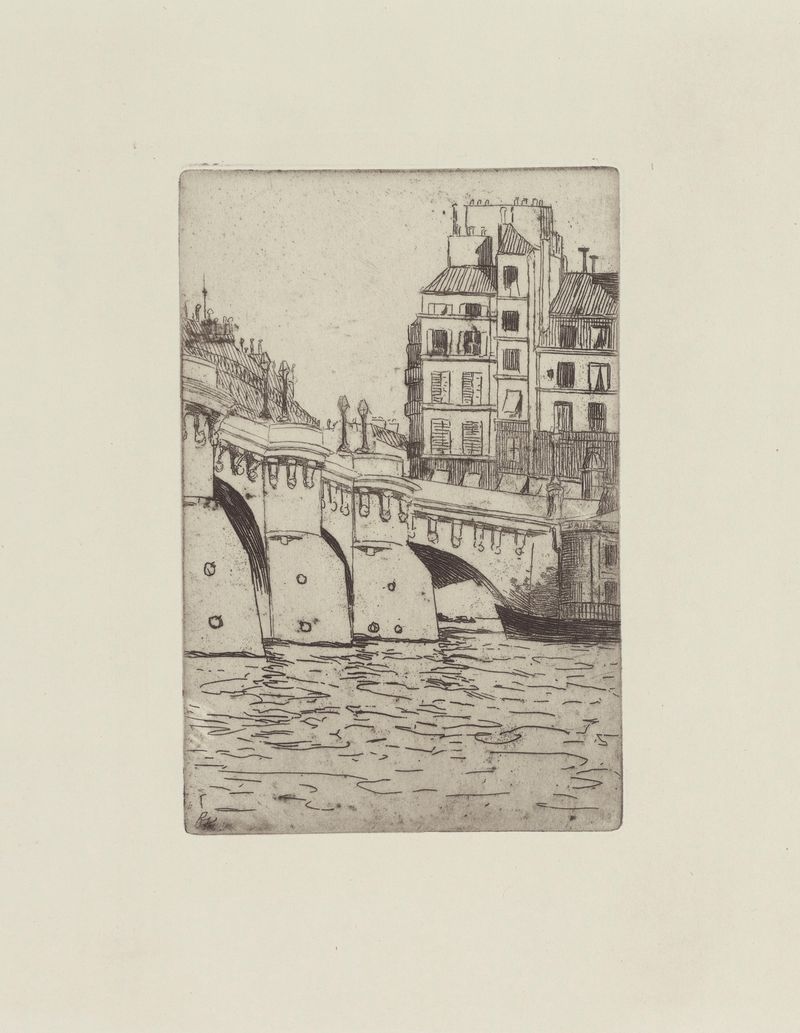
Les bains du Pont-Neuf
Félix Vallotton
The Sheaves
Félix Vallotton
Les Grands Arbres, environs d’Honfleur
Félix Vallotton





