
Rue Daubenton — History & Facts
Is this a mirror — or a memory? In Rue Daubenton, layers of destiny unfold, inviting us to ponder the whispers of time captured within its frame. Look to the left at the cobblestone path winding away into the soft haze of morning light. The delicate play of light and shadow creates a sense of depth, while warm colors evoke a nostalgic embrace. The trees, rendered with gentle strokes, form an archway that beckons the viewer to walk through the scene, as if stepping into the artist's intimate recollection of a place once known. The juxtaposition of the tranquil street against the vibrant foliage suggests a moment suspended in time, teetering between the past and an uncertain future.
Notice the figures at a distance — they remain ambiguous, their silhouettes blending into the scenery, embodying a fleeting sense of connection. Each element in the painting serves as a reminder of how memory shapes our understanding of destiny, whether through the people we meet or the paths we choose. F. Séguin painted Rue Daubenton in 1895 during a transformative moment in Paris, where Impressionism was evolving into more personal expressions of experience.
Séguin, an artist deeply influenced by this shift, sought to capture not merely the appearance of a scene but the emotional resonance that such places evoke. His work reflects a time of introspection and change, mirroring his own journey through the ever-shifting landscape of art.
More Artworks by F. Séguin
Browse all →
Rue Brantôme. (anciennement rue des Petits Champs donnant rue Saint Martin et rue Beaubourg)
F. Séguin
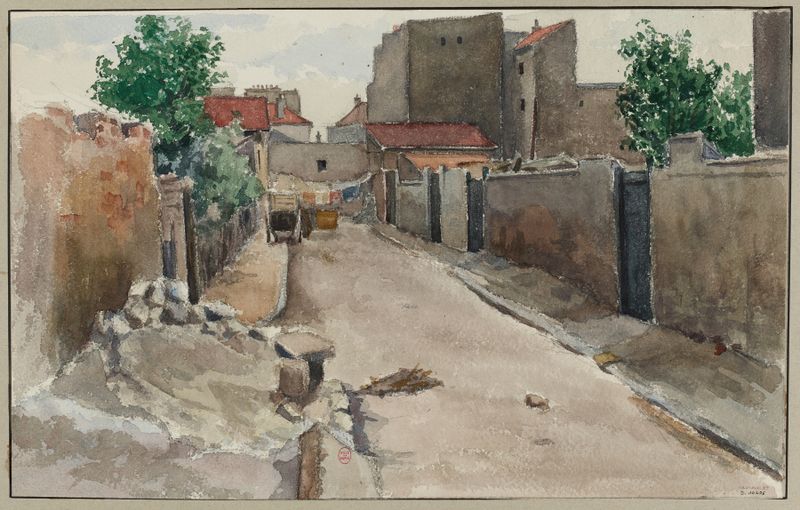
La rue de Chambéry, prise de la rue de Nice la Frontière
F. Séguin
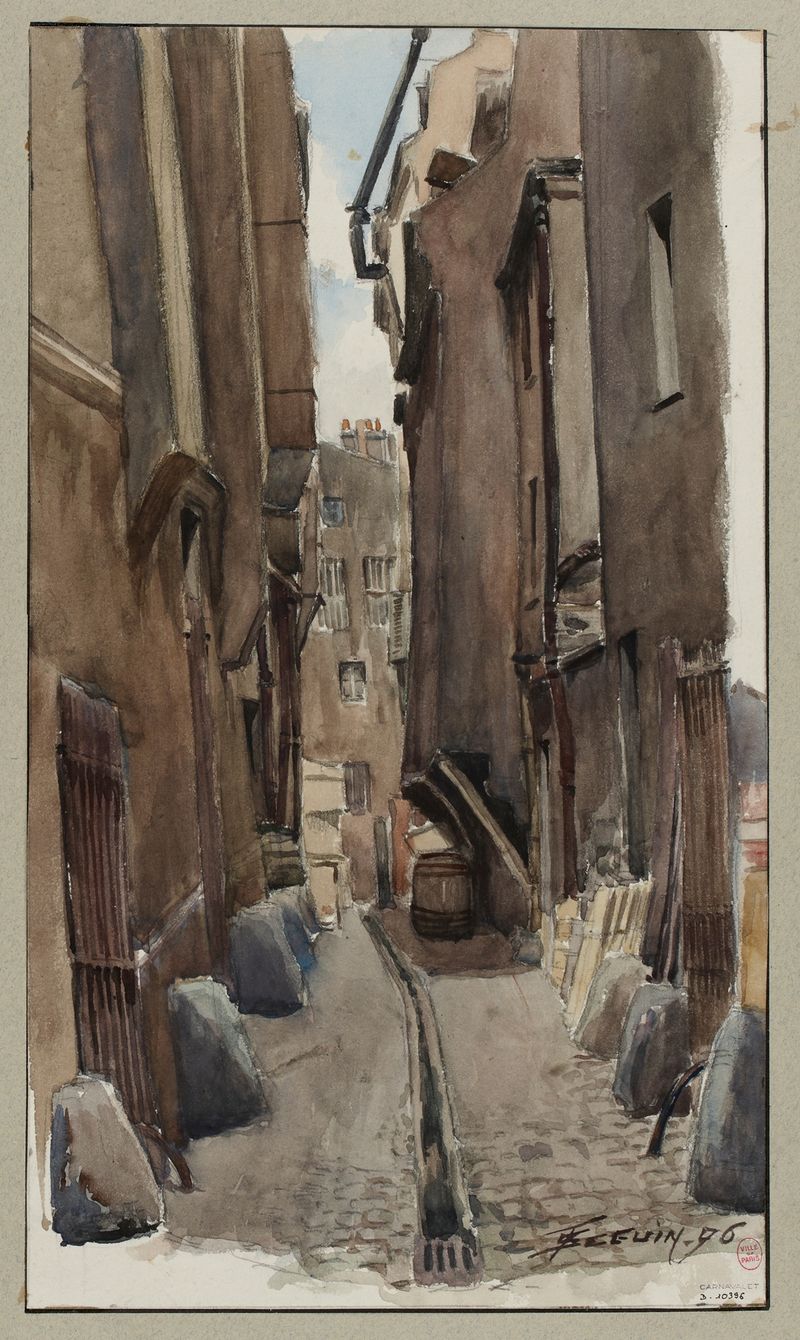
Le Cul de sac du Bœuf, (rue Saint Merri)
F. Séguin

Rue Descartes
F. Séguin
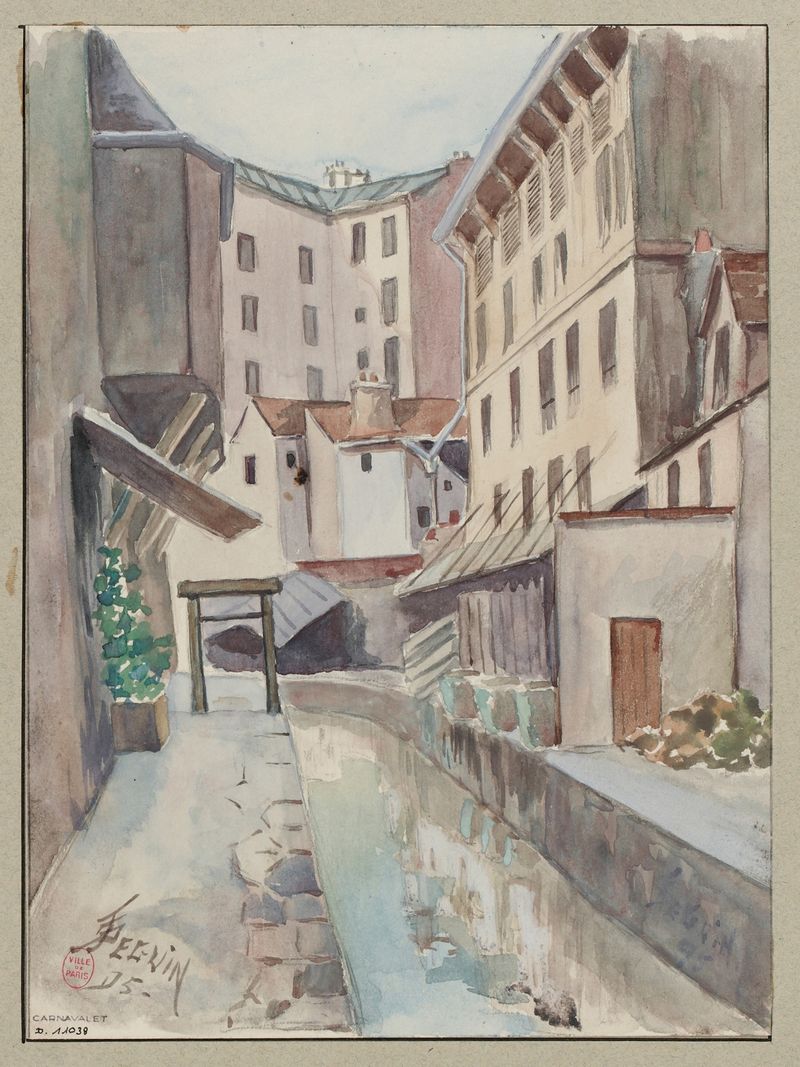
Le bord de la Bièvre à l’avenue des Gobelins
F. Séguin

Villa des Otages mur où furent fusillés les 52 derniers otages de la Commune, rue Haxo
F. Séguin
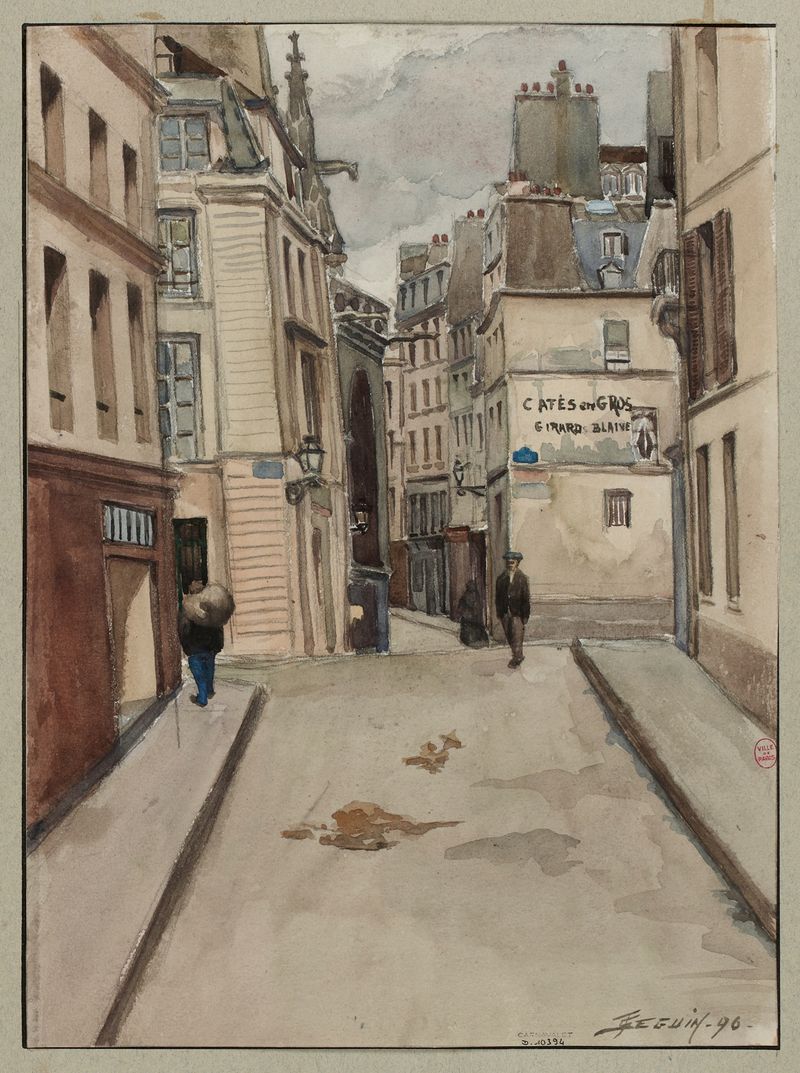
Rue du Cloître Saint Mérry, de la rue du Renard à la rue Saint Martin
F. Séguin
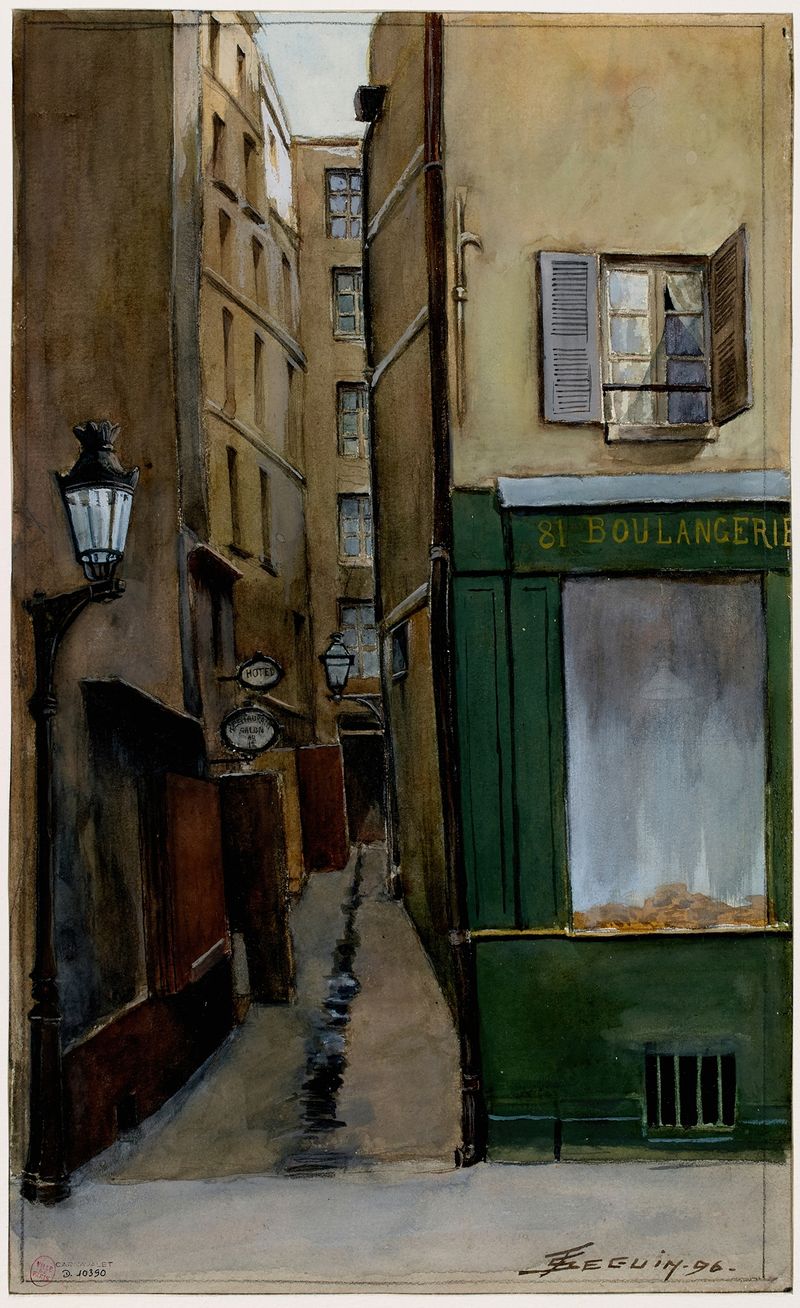
Cul de sac du Fiacre, 81 rue Saint Martin
F. Séguin
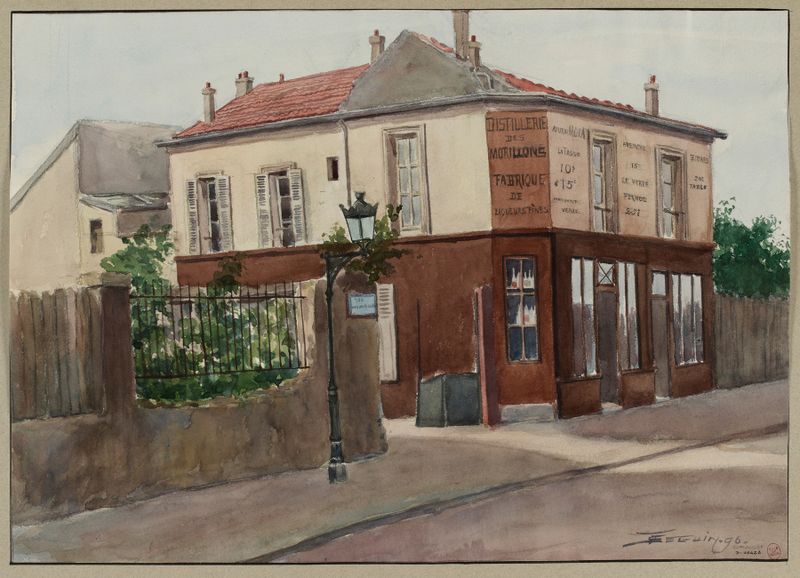
Angle de l’impasse Carlier et au 24 rue des Morillons, Vaugirard
F. Séguin
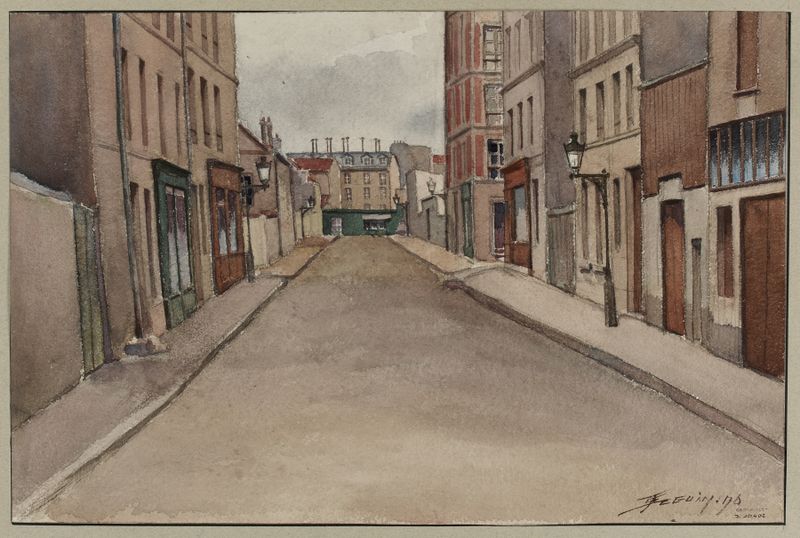
Rue Franquet
F. Séguin





