
Le calvaire — History & Facts
Did the painter know this moment would outlive them? As we gaze upon Le calvaire, the slow decay of time seeps through every brushstroke, reminding us of our own impermanence. Look to the center, where a weathered cross rises defiantly against a brooding sky. The somber earth tones—rich browns and muted greens—convey a sense of desolation, as the figures beneath it seem almost swallowed by the landscape. Notice how the light, albeit dim, highlights the contours of the figures, casting their faces in a melancholic glow that speaks of suffering and contemplation.
The texture of the paint draws you in, each stroke layered with the weight of emotion and history. In the background, the distant horizon hints at a world moving on, untouched by the sorrow below. There is an unsettling juxtaposition between the enduring presence of the cross and the ephemeral nature of life around it, capturing the essence of decay not just as physical deterioration, but as an inevitable fate for all. The characters, cloaked in darkness, radiate a quiet anguish; they symbolize both despair and resilience in the face of mortality.
In this moment, time seems to stand still, urging viewers to confront their own existence. François Stroobant painted Le calvaire in 1852, a time marked by intense upheaval in Europe due to political changes and social unrest. Working in Belgium, he was influenced by the Romantic movement that sought to explore deep emotions and the sublime in nature. This piece reflects not only a personal exploration of faith and mortality but also an artistic response to the turbulent times that surrounded him, capturing a moment of profound existential reflection.
More Artworks by François Stroobant
Browse all →
Interior of the church of Notre Dame du Sablon at Brussels
François Stroobant
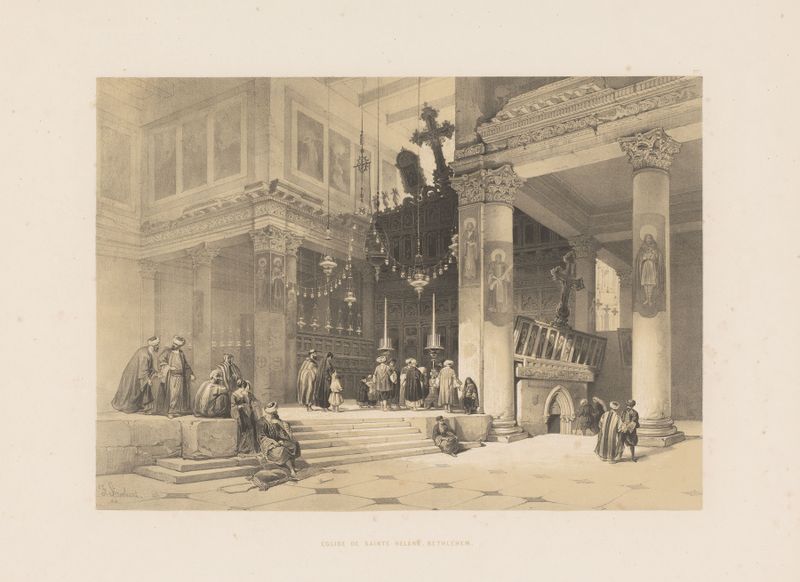
Église de sainte Hélène. Bethléhem
François Stroobant
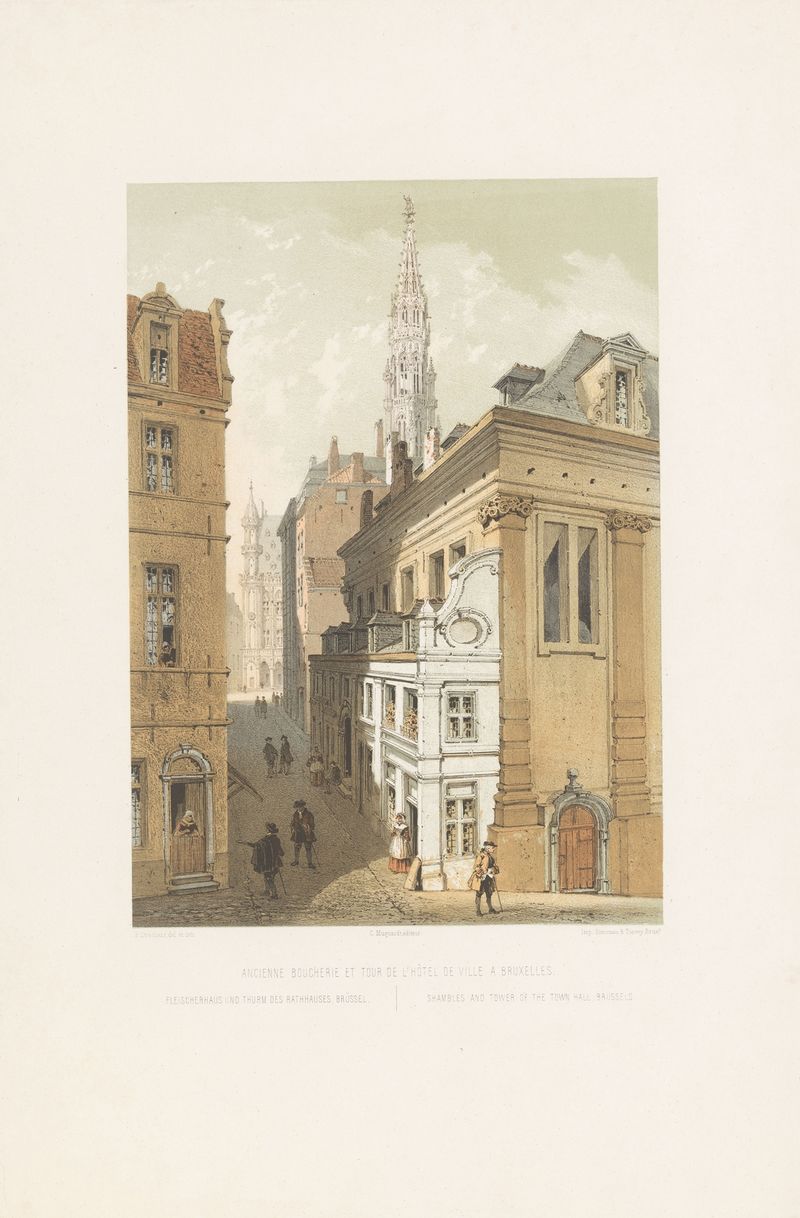
Shambles and tower of the town hall, Brussels
François Stroobant

Intérieur de l’église Grecque du Saint-Sépulcre
François Stroobant
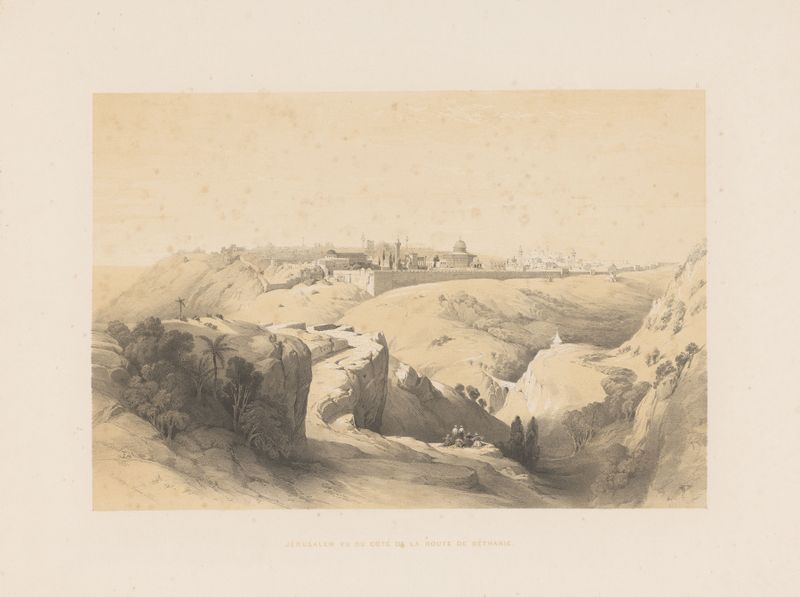
Jérusalem vu du coté de la route de Béthanie
François Stroobant

Le tabernacle du Saint-Sépulcre
François Stroobant

Town hall Brussels
François Stroobant

Fontaine de Jacob à Sichem
François Stroobant
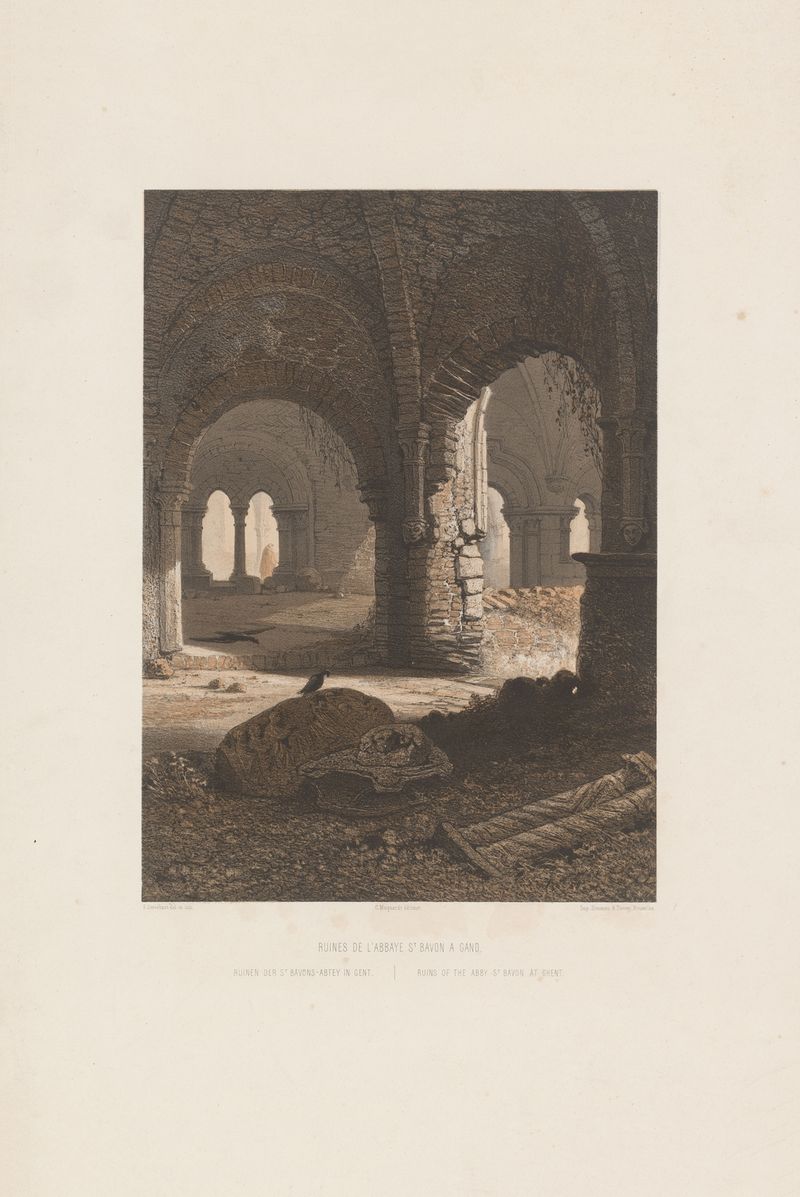
Ruins of the abby St Bavon at Ghent
François Stroobant

Vue de Naplouse
François Stroobant
More Religious Art
Browse all →
The Return of the Prodigal Son
Rembrandt van Rijn

The Garden of Earthly Delights
El Bosco

Count Orgaz’ funeral
El Greco

The Hundred Guilder Print: the central piece with Christ preaching, the plate arched
Rembrandt van Rijn

The Descent from the Cross
Rogier van der Weyden

The return of the prodigal son
Rembrandt van Rijn