
Le canal — History & Facts
What secret hides in the quiet of the canvas? The tranquil surface of Le canal invites the viewer to delve into a world where beauty and mystery intertwine. Look to the center of the painting, where the serene waters reflect the verdant foliage that envelops them. Notice how the hues of green coalesce with the soft blues and browns, creating a seamless harmony between land and water. The gentle brushstrokes evoke a sense of calm, while the delicate interplay of light and shadow brings depth to the scene, drawing your eye deeper into this idyllic landscape. Beneath its serene facade, the work holds emotional tensions that speak to the viewer.
The juxtaposition of the still water against the lush, vibrant nature suggests not only peace but also a latent energy, as if life is teeming just beneath the surface. The distant horizon hints at unexplored possibilities, while the intricate details of the foliage reveal the artist's deep reverence for nature, transforming the canvas into a reflection of both beauty and introspection. In 1905, while creating Le canal, Henri Rousseau was establishing himself as an outsider within the art world, often dismissed by the avant-garde movements of his time. Working in relative isolation in Paris, he found solace in the imaginative visions of nature.
The world around him was rapidly evolving, yet his work remained rooted in a dreamlike simplicity, capturing the essence of a beauty that transcended contemporary trends.
More Artworks by Henri Rousseau
Browse all →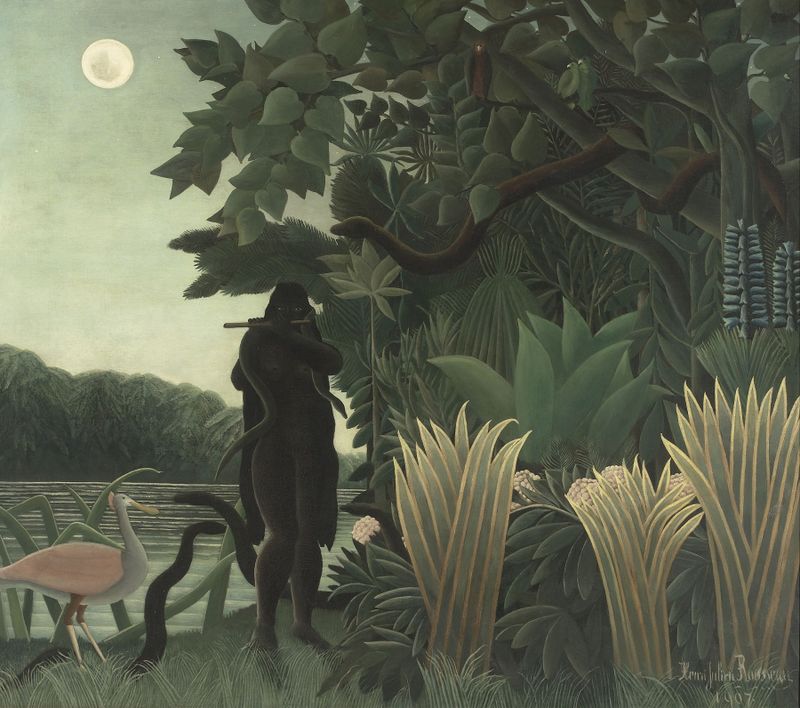
The Snake Charmer
Henri Rousseau
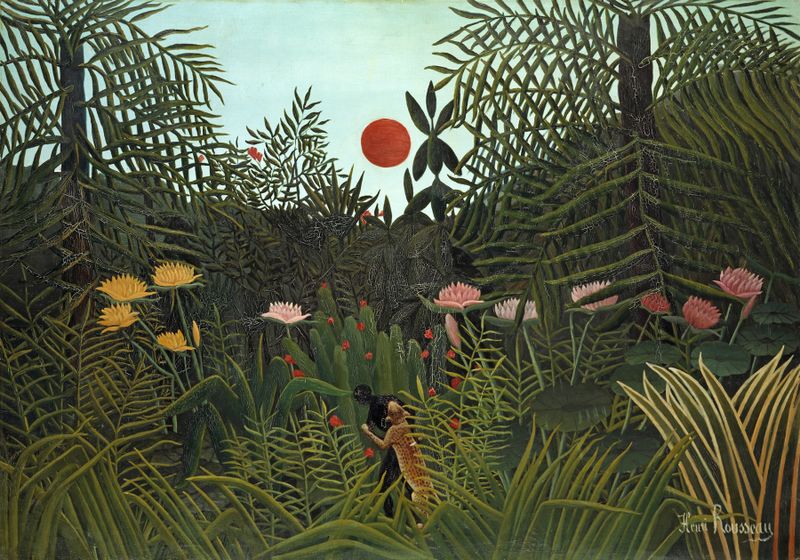
Jungle with Setting Sun
Henri Rousseau
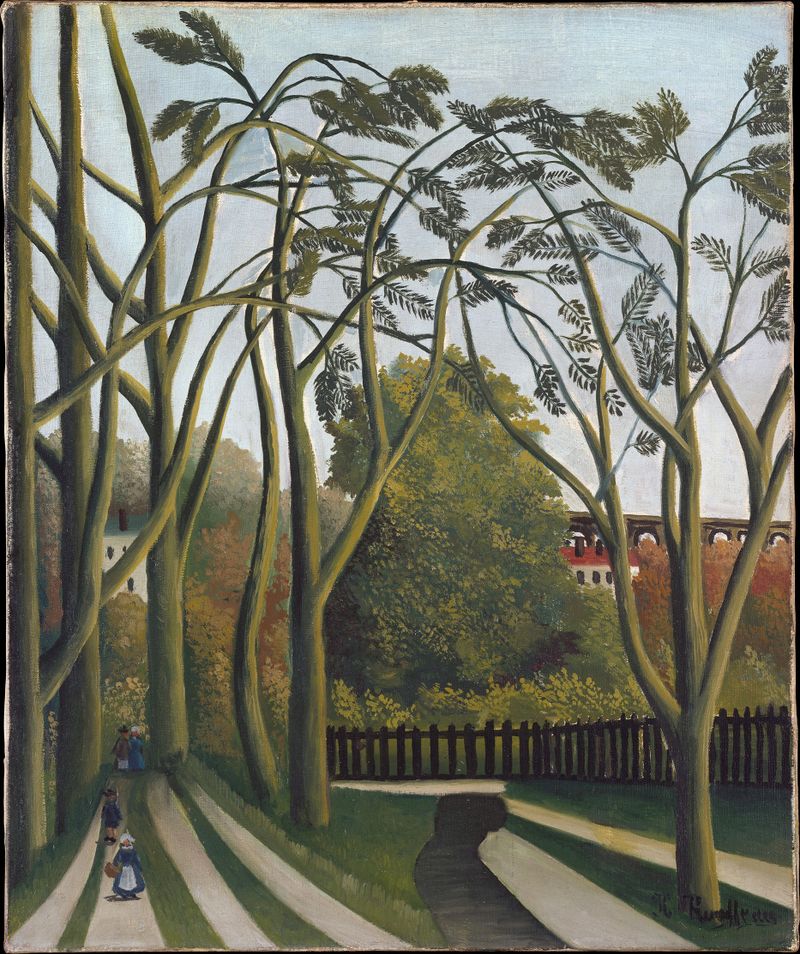
The Banks of the Bièvre near Bicêtre
Henri Rousseau
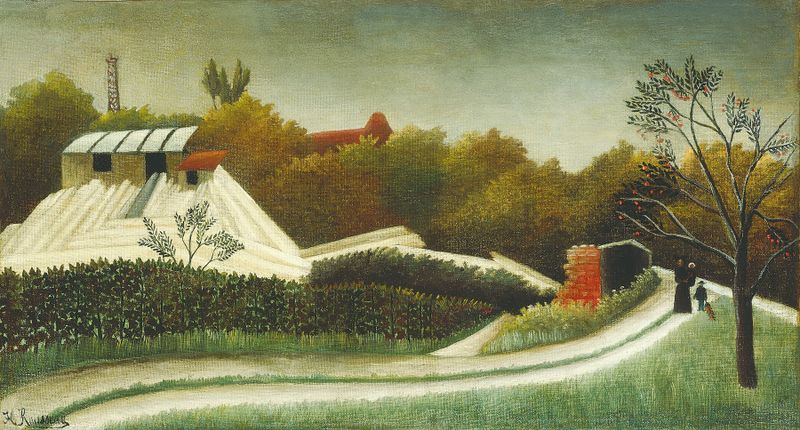
Sawmill, Outskirts of Paris
Henri Rousseau
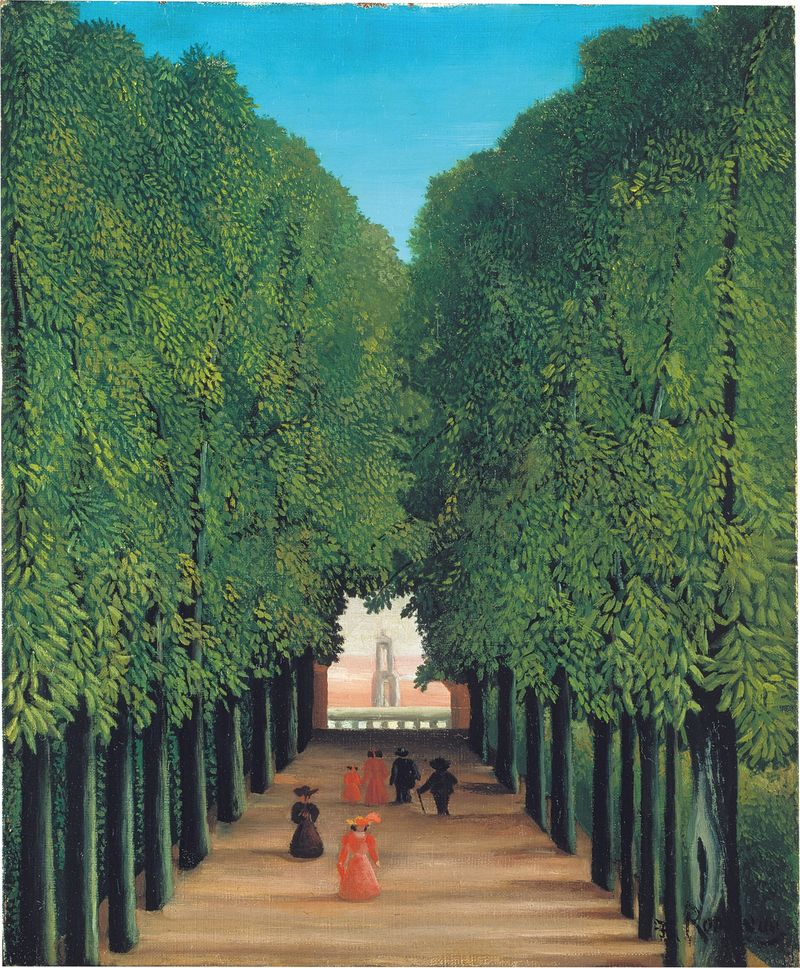
The Avenue in Saint-Cloud Park
Henri Rousseau

Sawmill, Outskirts of Paris
Henri Rousseau
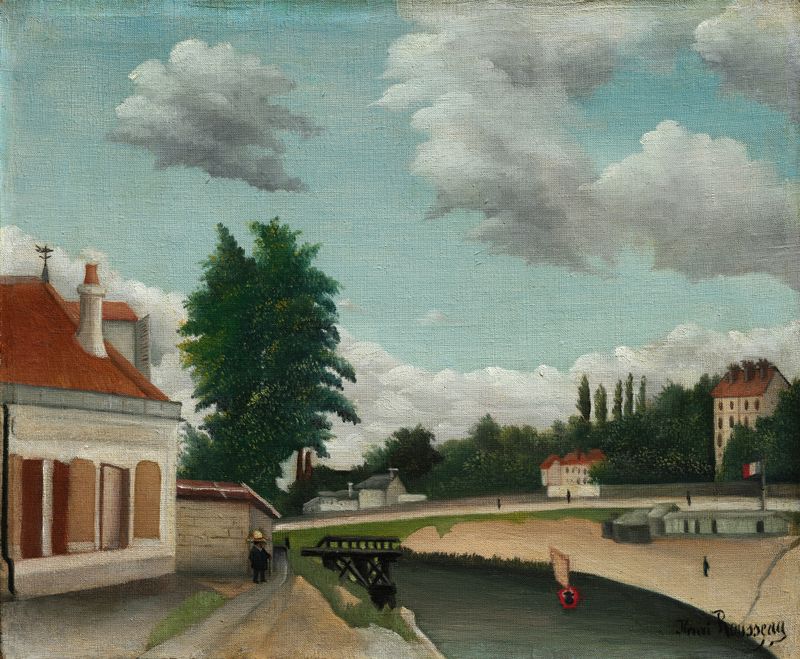
Outskirts of Paris
Henri Rousseau
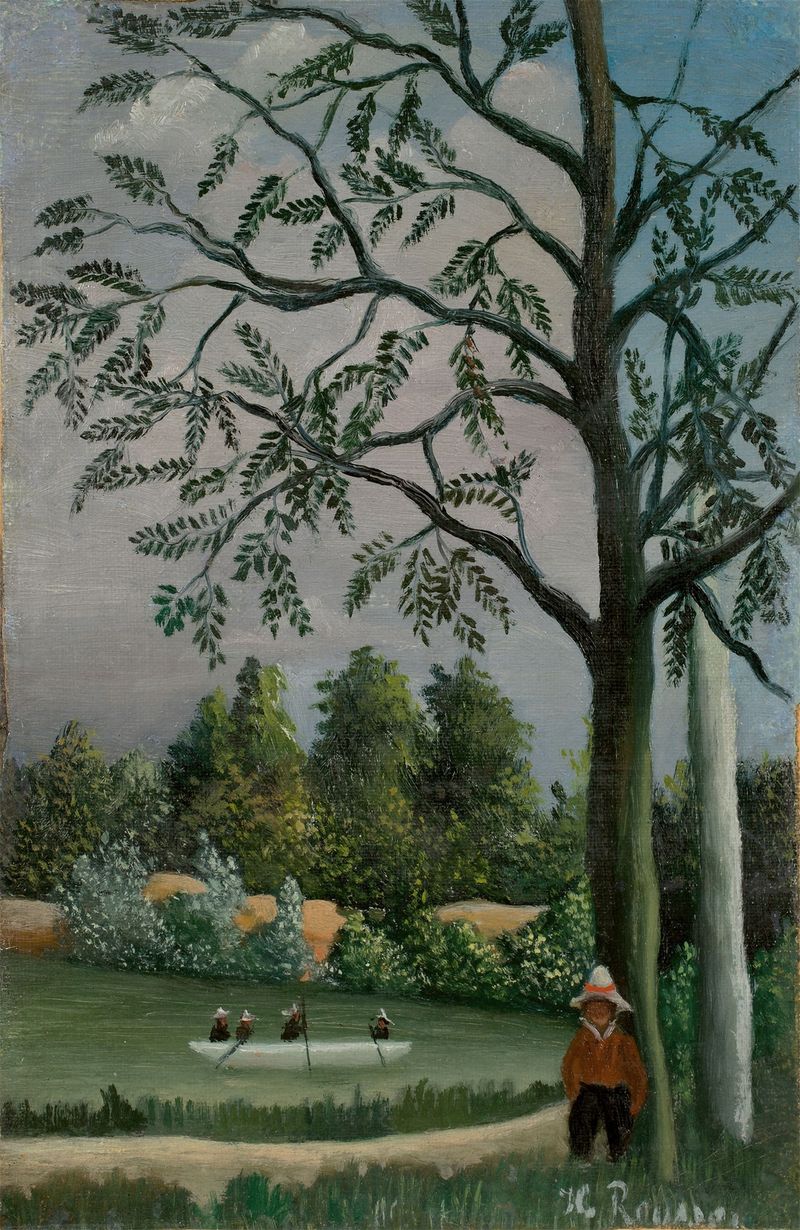
Paysage avec des pêcheurs
Henri Rousseau
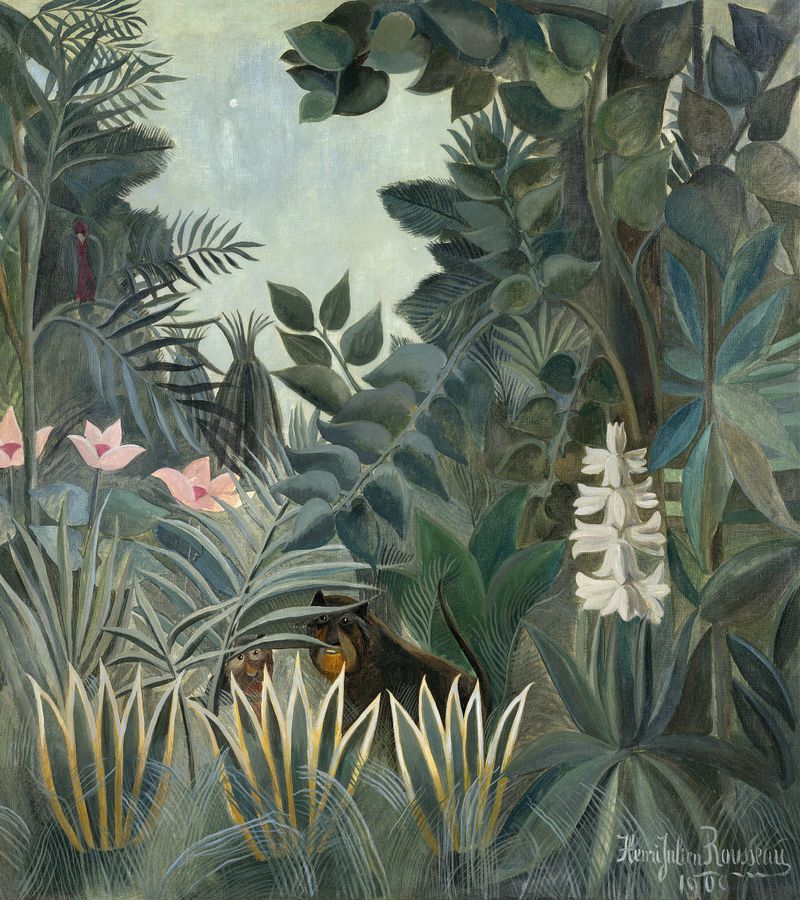
The Equatorial Jungle
Henri Rousseau
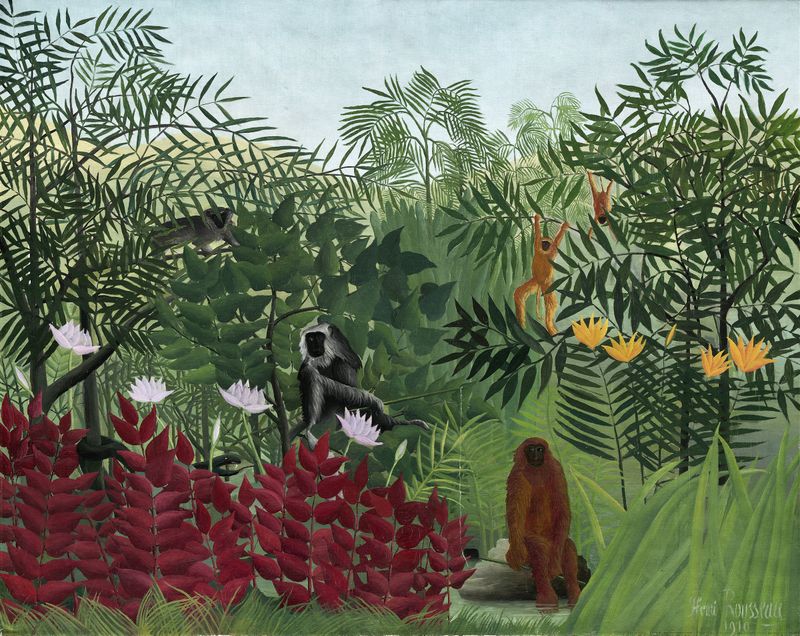
Tropical Forest with Monkeys
Henri Rousseau





