
Le chevet de Notre-Dame, vu du pont de la Tournelle, effet de neige — History & Facts
In every stroke lies a whisper of betrayal, capturing the heart's tumult amidst tranquil beauty. Look closely at the foreground, where the gentle ripple of the Seine catches the light, reflecting a soft glow that contrasts starkly with the cold whites and blues of the snow-draped landscape. Focus on the right side, where the intricate gothic details of Notre-Dame emerge, their grandeur softened by the veil of winter. The artist employs a delicate palette, blending hues that evoke both serenity and melancholy, inviting the viewer to explore the interplay of nature and architecture. Beneath the picturesque scene lies a tension.
The serene facade of the cathedral, a symbol of faith and permanence, juxtaposes the ephemeral snowfall, hinting at the fleeting nature of beauty and trust. The muted colors and swirling snowflakes speak to an underlying sadness, as if the landscape itself mourns a betrayal, whether personal or collective. Each brushstroke seems to whisper secrets of history, echoing the fragility of human connections against a backdrop of enduring stone. In 1902, Siebe Johannes Ten Cate created this artwork while living in Paris, a city at the crossroads of artistic innovation and tradition.
The turn of the century was a time of profound change in the art world, marked by the rise of Impressionism and a burgeoning interest in capturing fleeting moments. Ten Cate, a Dutch painter, was influenced by this vibrant atmosphere, striving to blend the beauty of his observations with the emotional depth of his experiences.
More Artworks by Siebe Johannes Ten Cate
Browse all →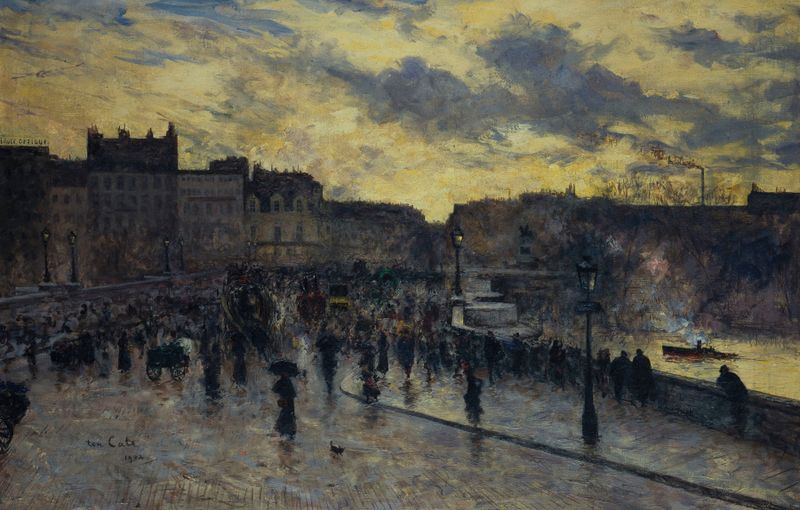
Le Pont-Neuf, vu du quai de la Mégisserie
Siebe Johannes Ten Cate
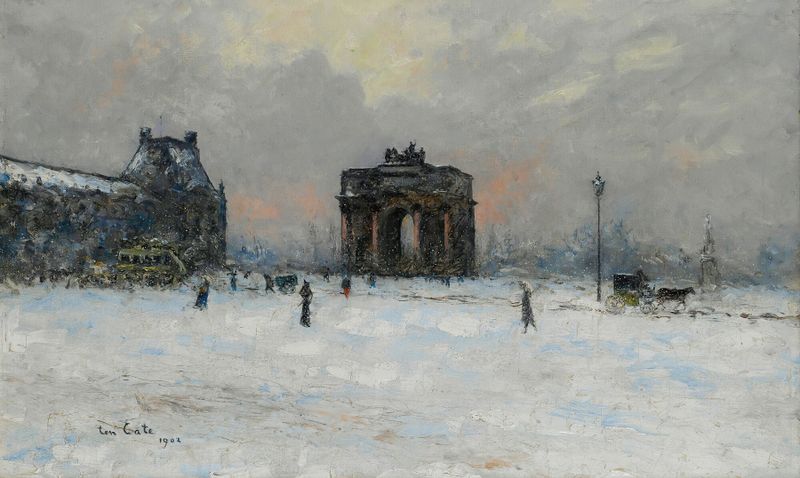
Paris, the Pavillon de Flore and the Arc de Triomphe of the Carrousel
Siebe Johannes Ten Cate
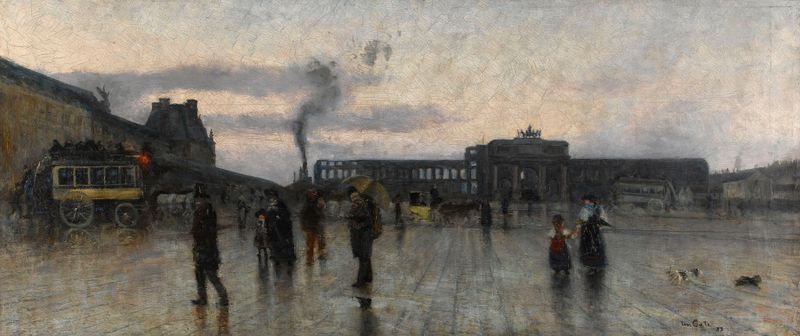
Les ruines des Tuileries et la place du Carroussel, 1er arrondissement.
Siebe Johannes Ten Cate

A View of Antwerp
Siebe Johannes Ten Cate

The Grand Quai of Le Havre
Siebe Johannes Ten Cate
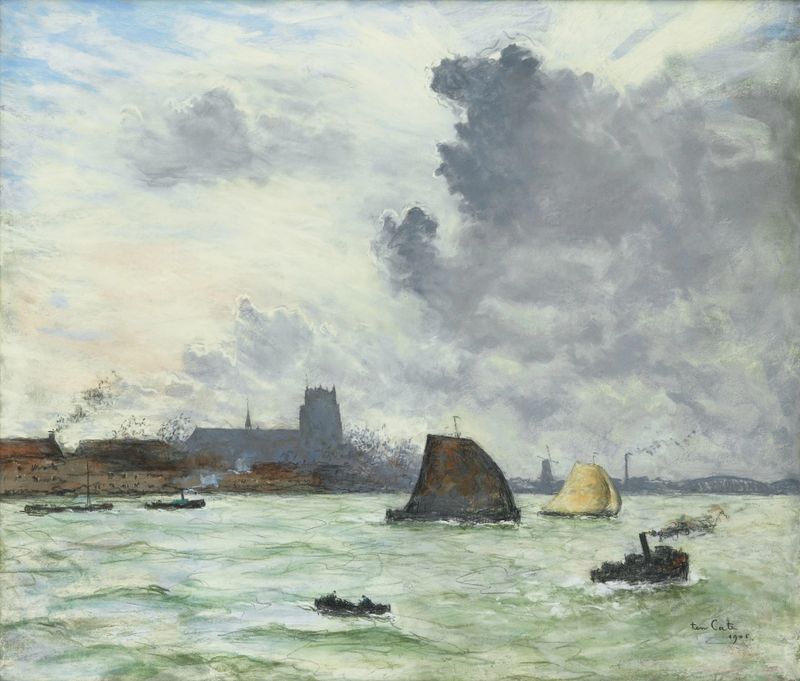
Vue du Port de Dordrecht
Siebe Johannes Ten Cate
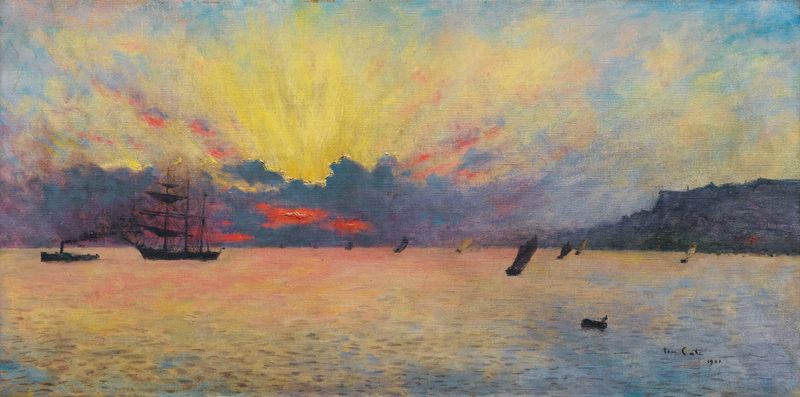
The Sea At Sainte-Adresse, Twilight
Siebe Johannes Ten Cate





