
Le Pont-Neuf, vu du quai de la Mégisserie — History & Facts
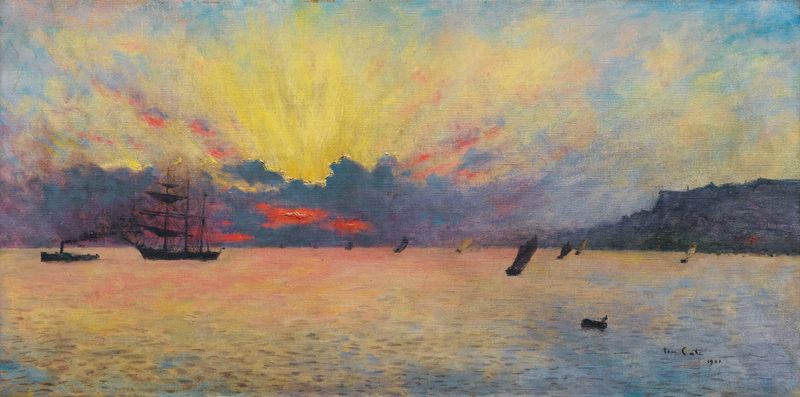
Can beauty exist without sorrow? The haunting stillness of the moment captured invites the viewer to ponder the delicate balance between joy and melancholy. Focus on the tranquil waters at the foreground, where subtle ripples reflect the muted colors of the sky. As you move your gaze upward, notice the elegant arch of the Pont-Neuf, its stonework softened by the gentle brushstrokes that convey a sense of nostalgia. The palette, a harmonious blend of greys and soft blues, conveys an atmosphere that feels suspended in time, evoking both peace and an unspoken longing. The juxtaposition of the bustling city above and the calm water beneath reveals a deeper narrative.
The bridge stands as a silent witness to the lives that intersect beneath its arches, hinting at stories of love, loss, and the passage of time. This duality—life's incessant noise juxtaposed with the serenity of the scene—resonates with the viewer, suggesting that beauty often flourishes in the spaces created by absence. In 1902, Siebe Johannes Ten Cate painted this piece while living in a world increasingly captivated by technological advancement and urban expansion. At this time in Paris, traditional art was contending with the new movements that sought to capture the essence of modern life.
The artist, influenced by the Impressionist movement yet maintaining a distinct style, found in this quiet view a poignant reflection on the timelessness of beauty amid the frenetic pace of the city around him.
More Artworks by Siebe Johannes Ten Cate
Browse all →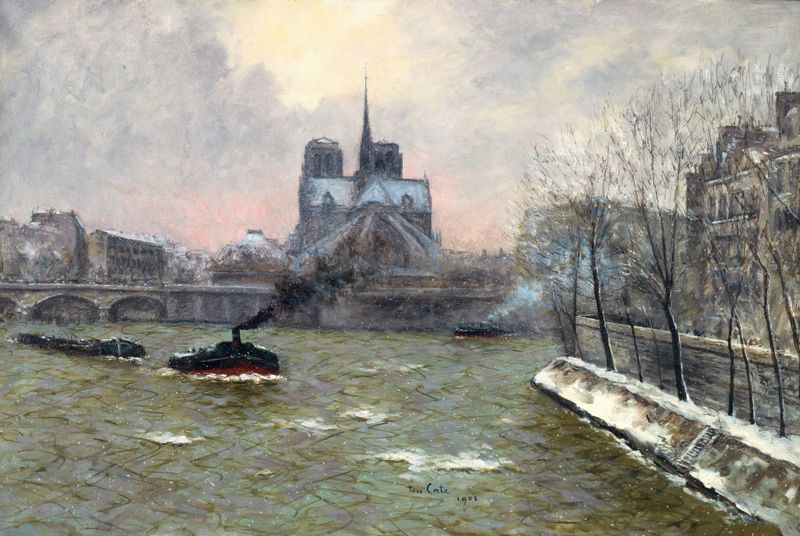
Le chevet de Notre-Dame, vu du pont de la Tournelle, effet de neige
Siebe Johannes Ten Cate
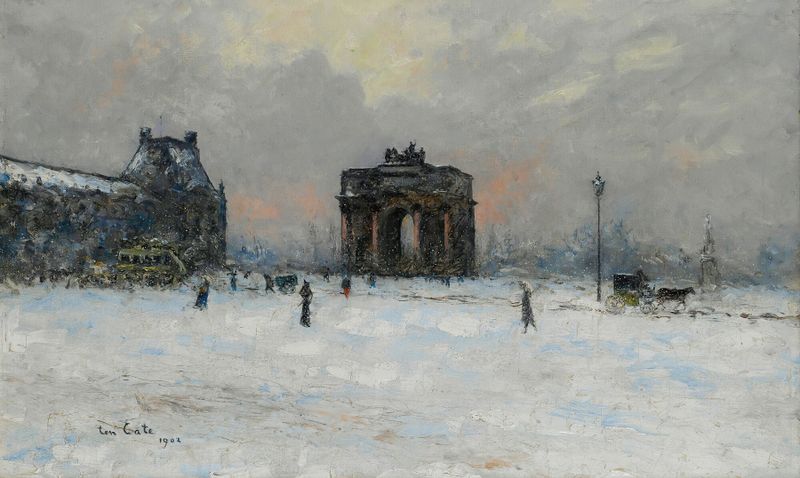
Paris, the Pavillon de Flore and the Arc de Triomphe of the Carrousel
Siebe Johannes Ten Cate
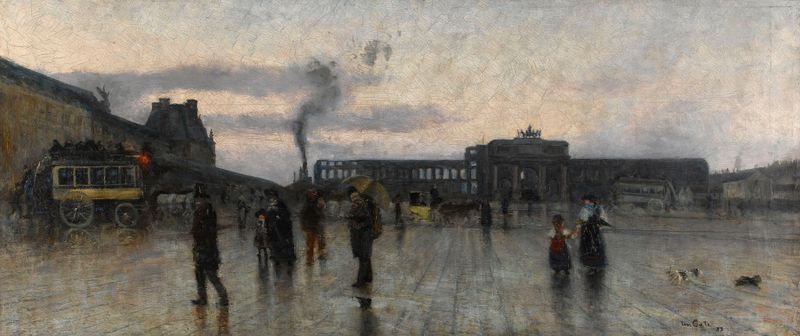
Les ruines des Tuileries et la place du Carroussel, 1er arrondissement.
Siebe Johannes Ten Cate

A View of Antwerp
Siebe Johannes Ten Cate

The Grand Quai of Le Havre
Siebe Johannes Ten Cate
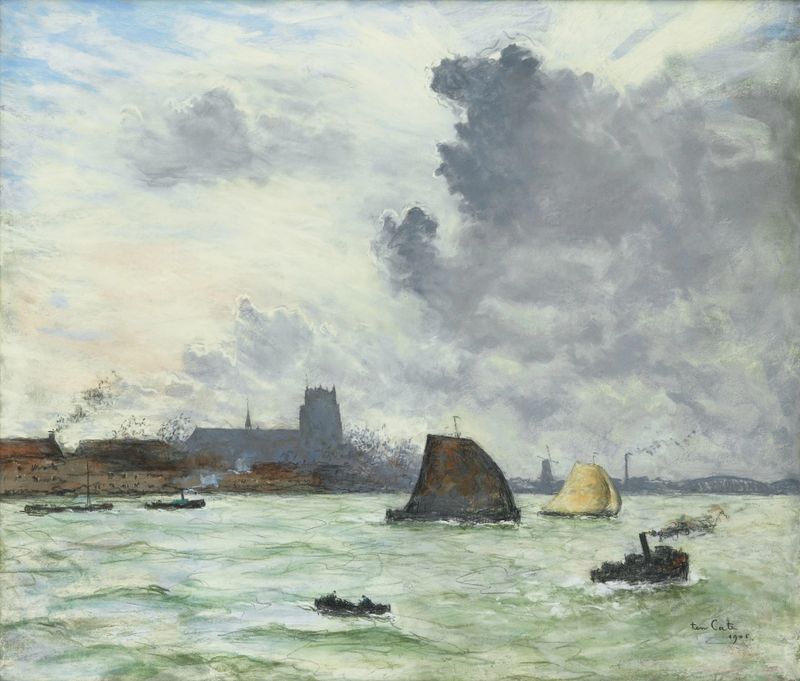
Vue du Port de Dordrecht
Siebe Johannes Ten Cate
The Sea At Sainte-Adresse, Twilight
Siebe Johannes Ten Cate





