
Paris, the Pavillon de Flore and the Arc de Triomphe of the Carrousel — History & Facts
Could beauty survive in a century of chaos? In a world teetering on the brink of modern upheaval, the delicate balance of elegance and turmoil is encapsulated in this stunning composition. Look to the left at the grand Pavillon de Flore, its intricate architecture framed by lush greenery. The artist’s masterful brushwork captures the soft hues of twilight, where pastel pinks and deep blues mingle in the sky, reflecting off the cool stone facades. Notice how the light dances across the surfaces, casting gentle shadows that breathe life into the scene.
The Arc de Triomphe of the Carrousel stands majestically in the background, anchoring the cityscape and evoking a sense of both permanence and nostalgia. Beneath the tranquil beauty lies an emotional tension; the juxtaposition of the ornate structures against the expansive sky conveys both grandeur and vulnerability. The harmony of colors creates a serene atmosphere, yet the looming silhouettes of the buildings suggest the weight of history and the passage of time. The scene invites contemplation on the fragility of human achievement in the face of inevitable change, an echo of the unresolved contradictions of the era. In 1902, Siebe Johannes Ten Cate painted this work during a period of significant transformation in European art and society.
Living in Paris, he was influenced by the rapid advancements and shifts around him, as the city emerged as a hub of innovation and artistic experimentation. This moment marked the transition from the Impressionist movement to more avant-garde styles, positioning his work at the intersection of tradition and modernity.
More Artworks by Siebe Johannes Ten Cate
Browse all →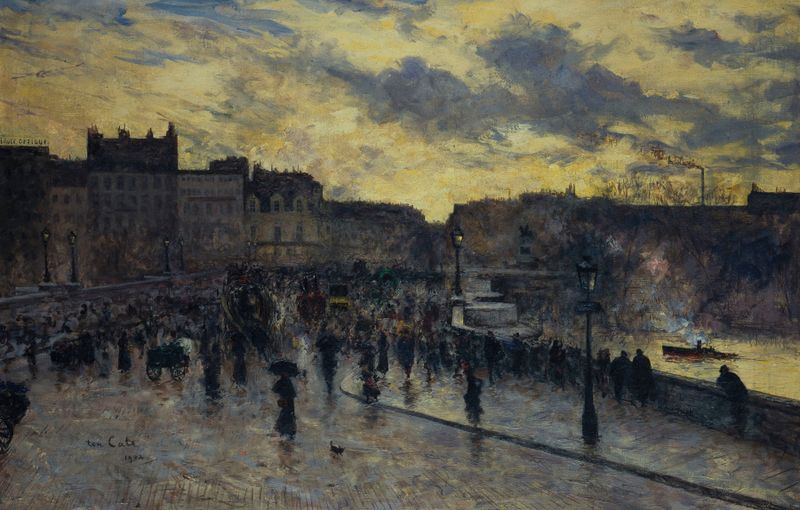
Le Pont-Neuf, vu du quai de la Mégisserie
Siebe Johannes Ten Cate
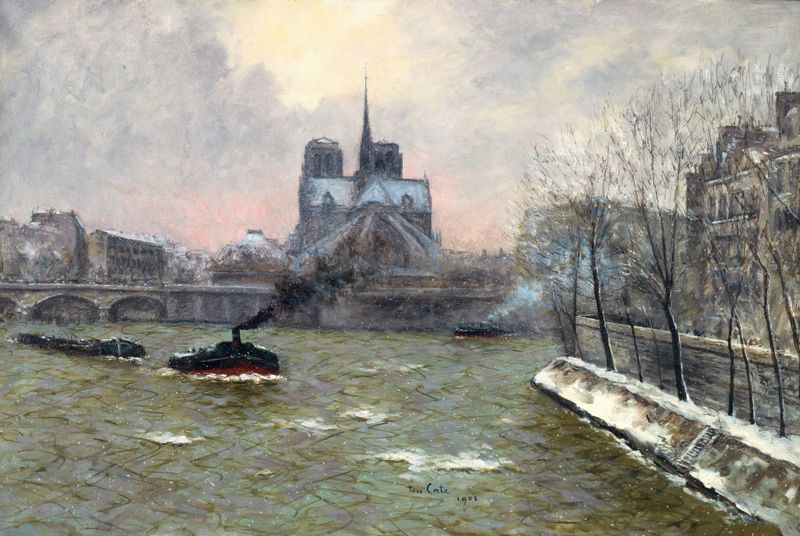
Le chevet de Notre-Dame, vu du pont de la Tournelle, effet de neige
Siebe Johannes Ten Cate
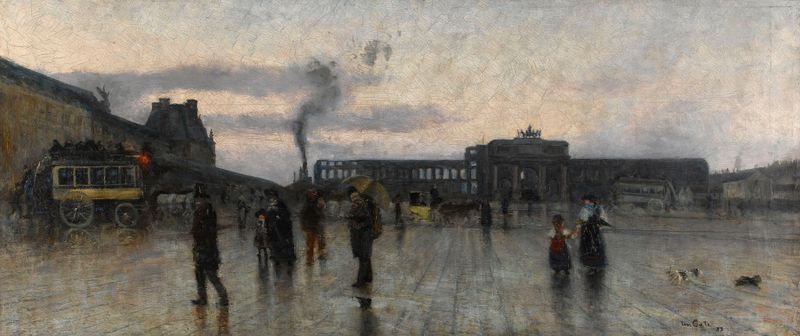
Les ruines des Tuileries et la place du Carroussel, 1er arrondissement.
Siebe Johannes Ten Cate

A View of Antwerp
Siebe Johannes Ten Cate

The Grand Quai of Le Havre
Siebe Johannes Ten Cate
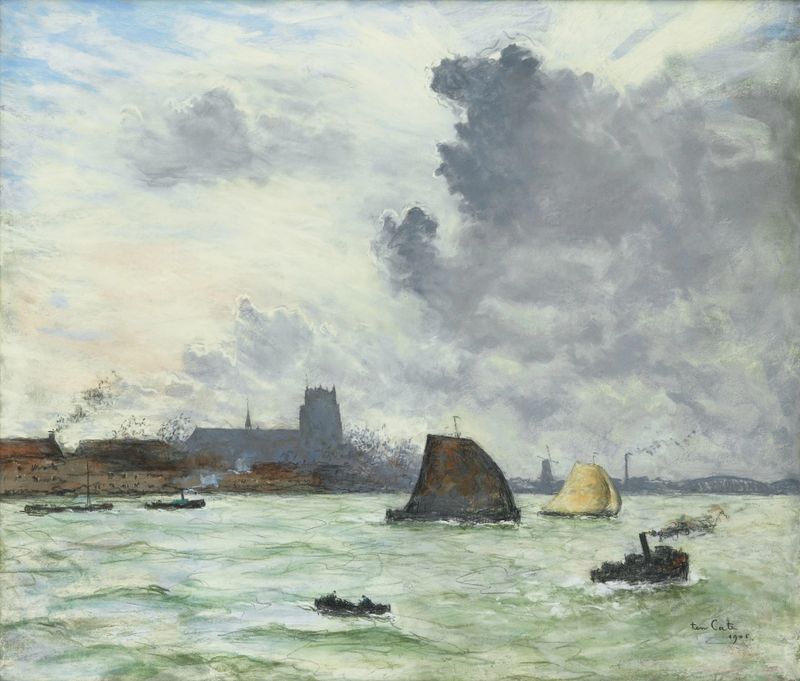
Vue du Port de Dordrecht
Siebe Johannes Ten Cate
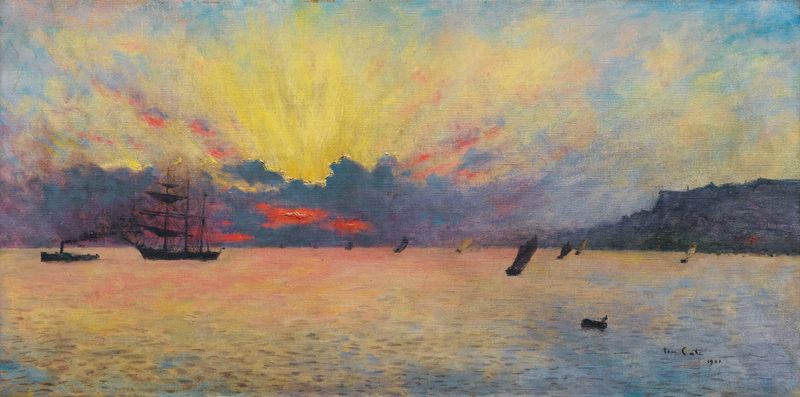
The Sea At Sainte-Adresse, Twilight
Siebe Johannes Ten Cate





