
Les ruines des Tuileries et la place du Carroussel, 1er arrondissement. — History & Facts
In the stillness of a moment, one can ponder the weight of destiny etched in time. Look to the left at the ruins, their crumbling forms speaking of history’s relentless march. The artist employs a muted palette, soft greys and gentle earth tones, creating a haunting ambiance that invites contemplation. Notice how the light delicately caresses the remnants of architecture, casting long shadows that emphasize both decay and resilience, while hints of greenery peek through, suggesting the persistent passage of life even in ruin. The juxtaposition of the once-majestic structures against the serene backdrop of the Carrousel reflects the tension between glory and desolation.
Each brushstroke is infused with a poignant sense of loss, yet there’s an undeniable beauty in the colors that seem to vibrate with a hidden energy. This interplay between light and shadow evokes emotions that oscillate between nostalgia and hope, compelling viewers to confront the fleeting nature of existence and the destiny that awaits us all. In 1883, Siebe Johannes Ten Cate painted this scene during a period marked by significant transitions in the art world, as Impressionism began shaping the landscape of modern art. Living in Paris, where the remnants of a once-great empire were palpable, he was influenced by the prevailing themes of change and renewal, which are evident in this work.
The chaos around him — both political and artistic — served as a backdrop, providing Ten Cate with a fertile ground for exploration of the transient yet impactful moments captured within his canvas.
More Artworks by Siebe Johannes Ten Cate
Browse all →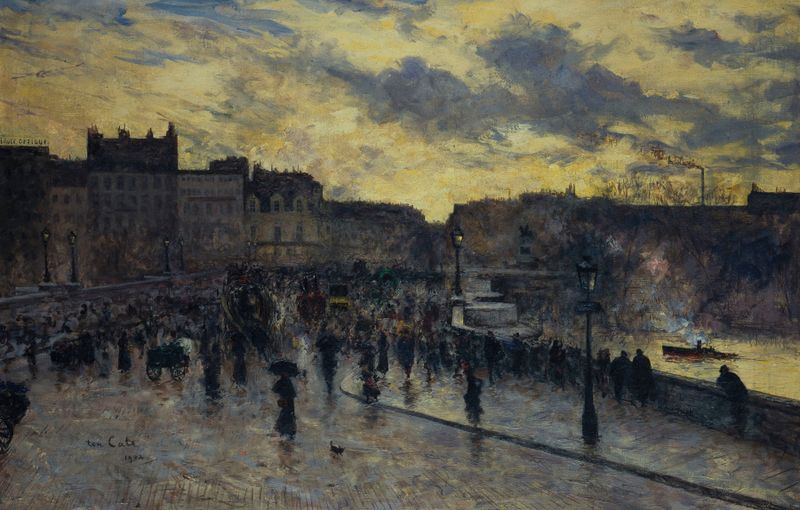
Le Pont-Neuf, vu du quai de la Mégisserie
Siebe Johannes Ten Cate
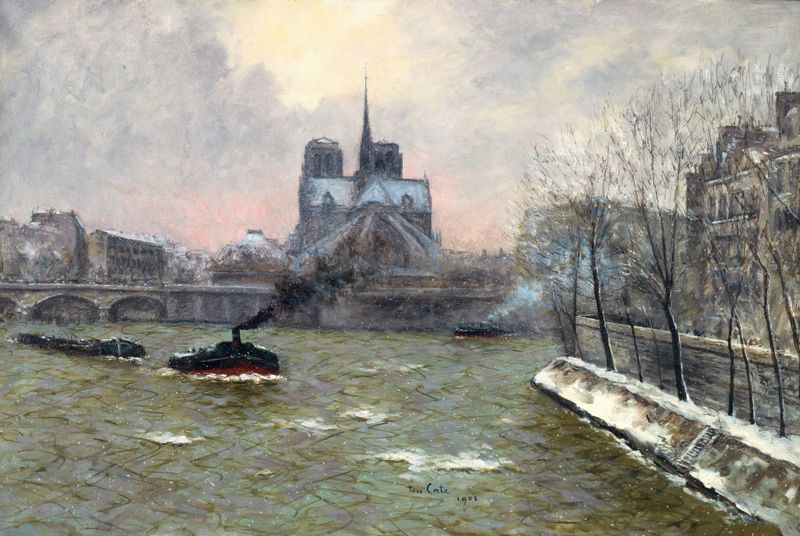
Le chevet de Notre-Dame, vu du pont de la Tournelle, effet de neige
Siebe Johannes Ten Cate
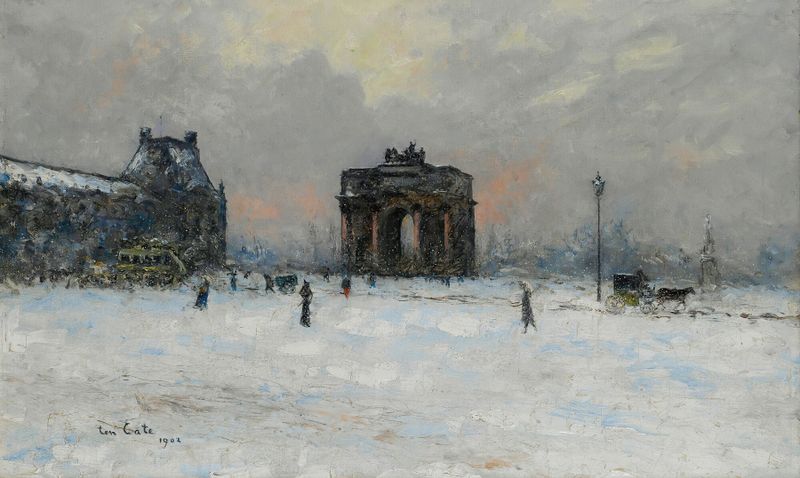
Paris, the Pavillon de Flore and the Arc de Triomphe of the Carrousel
Siebe Johannes Ten Cate

A View of Antwerp
Siebe Johannes Ten Cate

The Grand Quai of Le Havre
Siebe Johannes Ten Cate
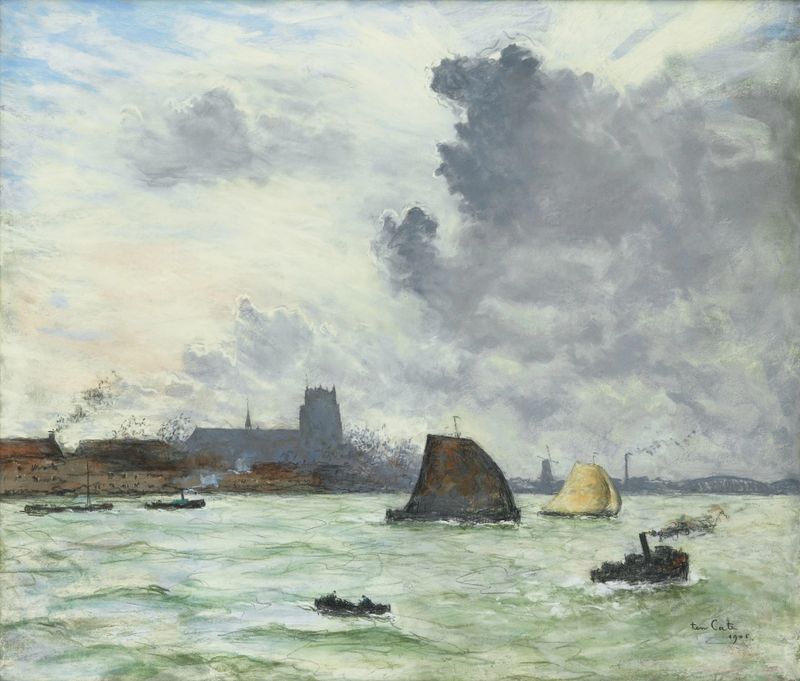
Vue du Port de Dordrecht
Siebe Johannes Ten Cate
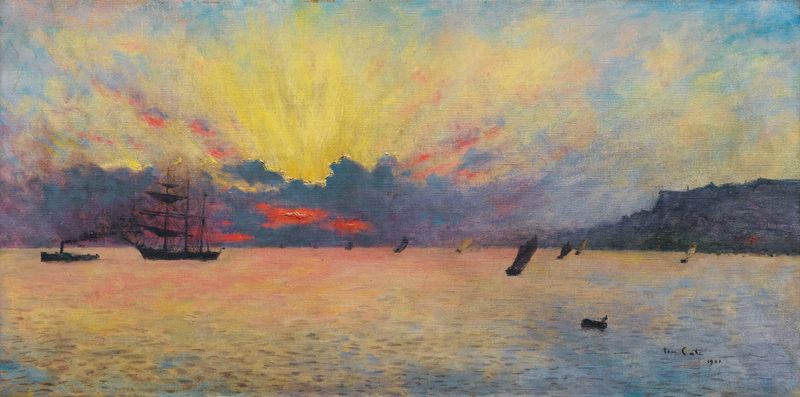
The Sea At Sainte-Adresse, Twilight
Siebe Johannes Ten Cate





